
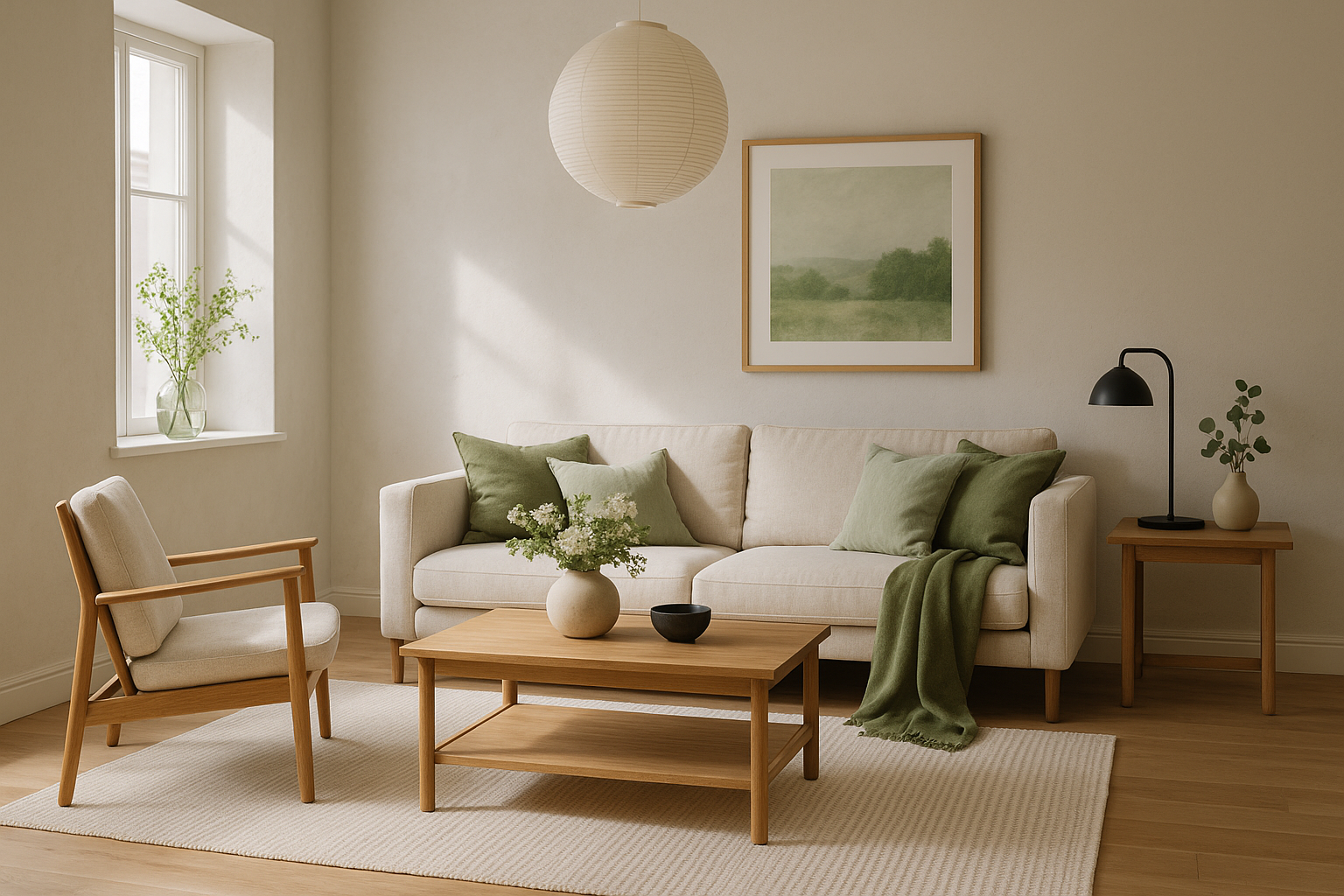
Spring opens the door to renewed energy and clearer light, making it the perfect season to refresh your living room. The current trend catching attention is grounded in fresh minimalism—drawing on natural materials, purposeful layouts, and a muted palette that reflects renewed calm and optimism. This restrained approach is well-suited for spring because it balances a clean, architectural baseline with subtle references to the outdoors through texture and tone. It avoids overcluttering while inviting tactile comfort, creating a sense of spaciousness and flow that works across different home sizes and styles.
Streamlined Foundations: Material Contrast as Structure
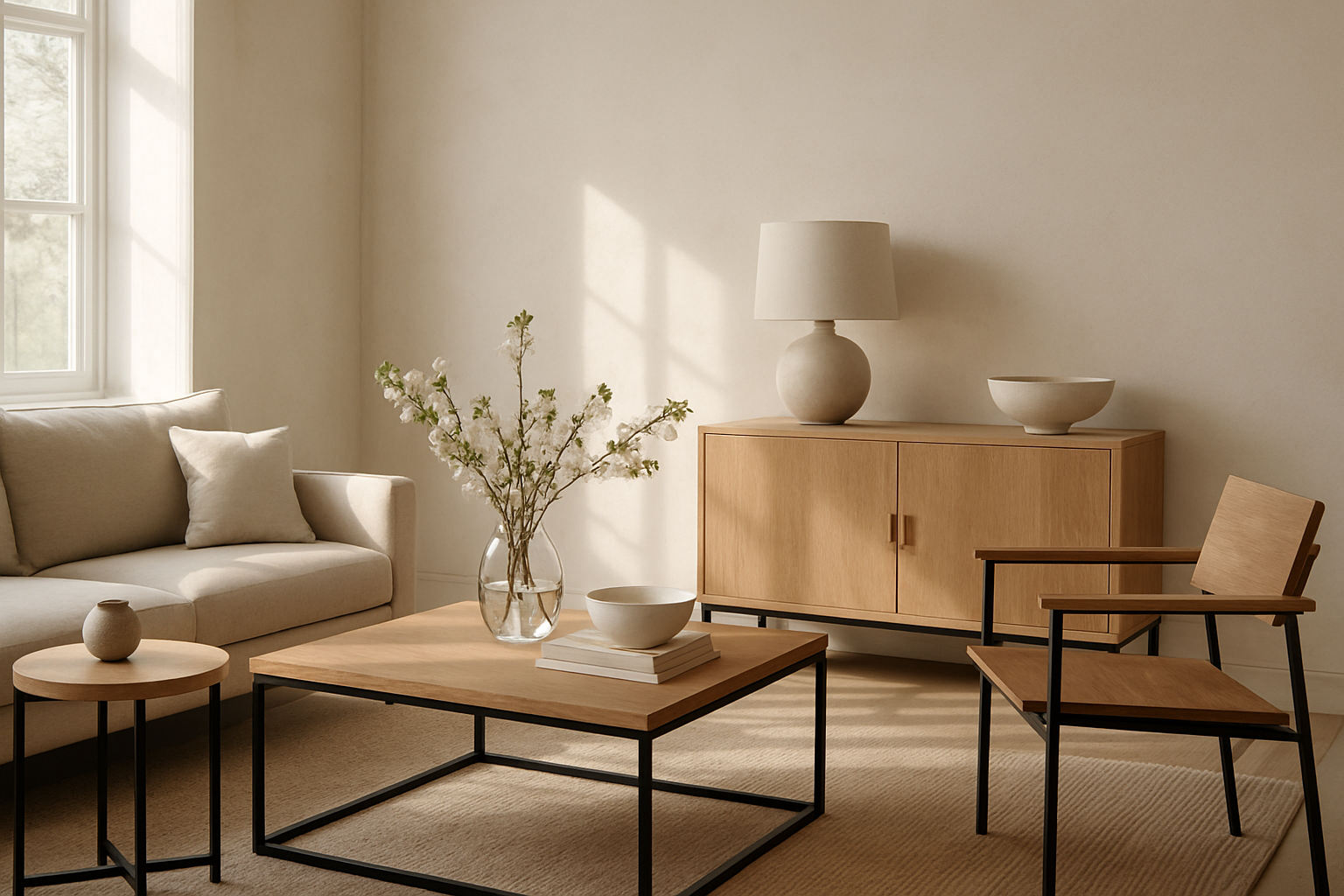
To anchor your spring living room styling ideas effectively, begin with a foundation built on material contrast and architectural clarity. Think matte plaster walls in soft ivory or warm white as the ideal backdrop. Combine this with wood furnishings that offer strong, clean lines—oak or walnut in natural or lightly oiled finishes works well—and metal elements in matte black or brushed brass. This trio forms a solid visual framework with distinct textures that remain understated and complementary.
Why does this work? The matte plaster prevents light glare adding softness, while wood injects warmth and scale. Metal acts as a crisp edge, drawing the eye without overwhelming. When arranging your furniture, keep pathways clear and respect the proportions of the room. A low-profile sofa with angular arms centered on the longer wall, paired with one or two wood-framed chairs, can create an open, balanced composition. This set-up directs focus and allows accessory layers without cluttering the space.
For best effect, limit foundations to three main materials, and avoid mixing patterns on larger surfaces. Stick to solids and textures instead, providing a calm canvas for seasonal accents or personalization.
Textile Layering: Natural Fibers for Depth and Freshness
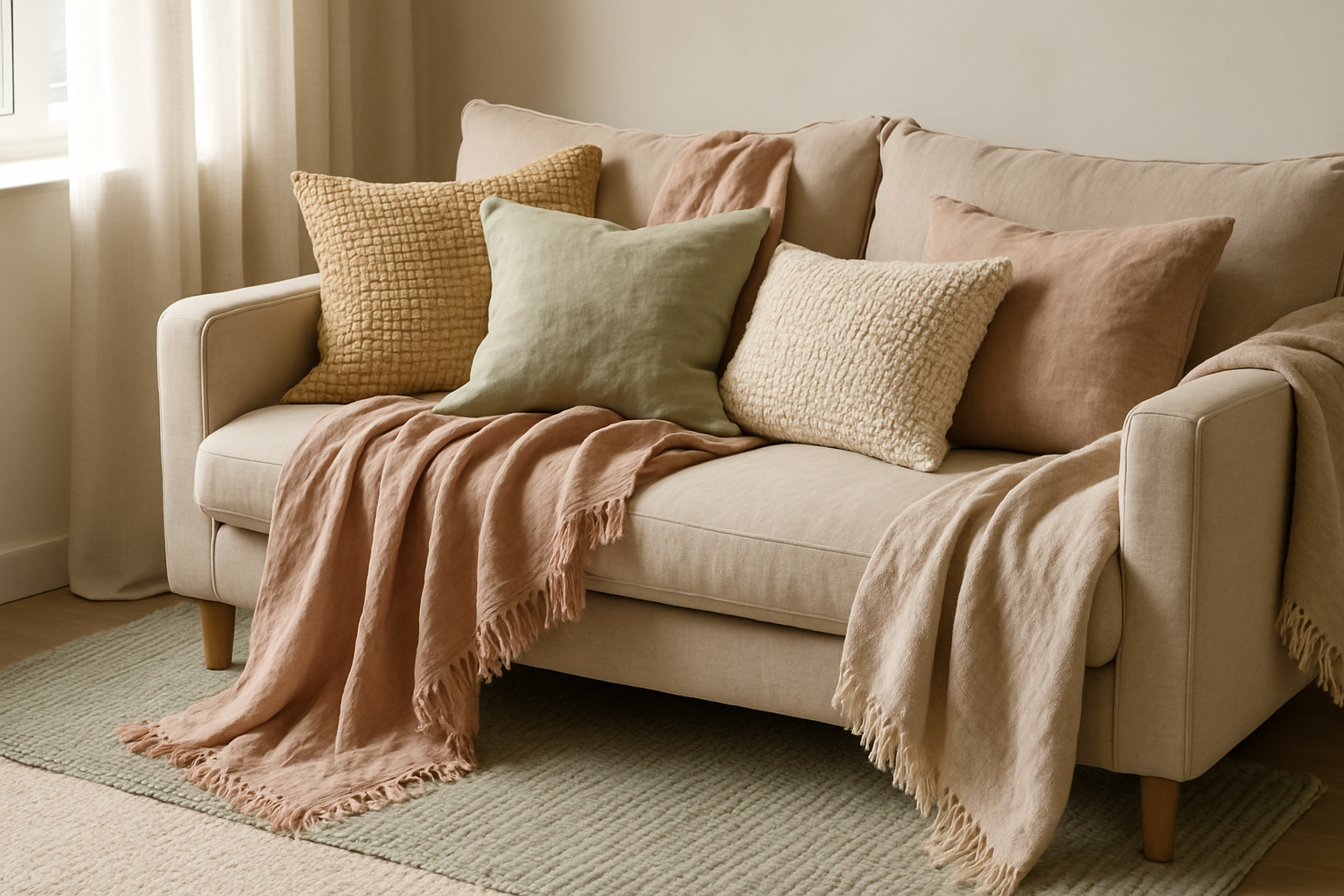
Once your foundational palette is set, layering natural textiles is the most effective way to breathe spring freshness into your living room styling decor. Linen and cotton in muted tones—sage green, soft beige, warm gray—offer subtle color and inviting textures. Incorporate them through cushions, throws, and lightweight curtains to soften edges and add tactile depth without overwhelming geometry.
A useful tip is to vary the weave and weight of textiles. For example, pair a lightly woven linen curtain with a nubby wool throw and a few soft cotton cushions. This variety creates a subtle rhythm that feels handcrafted yet refined. Avoid synthetic or high-sheen fabrics as they disrupt the natural vibe.
Position textiles strategically: a throw casually draped over one corner of the sofa signals use and comfort, while cushions arranged asymmetrically maintain visual movement. Layered rugs can work too—consider natural fiber jute or sisal rugs over softer wool underlays for spring’s transitional climate and aesthetic.
This layering adds sensory richness and seasonal warmth, encouraging a tactile connection that supports the pared-back but inviting trend.
Defining Focal Points: Anchor with Natural Elements
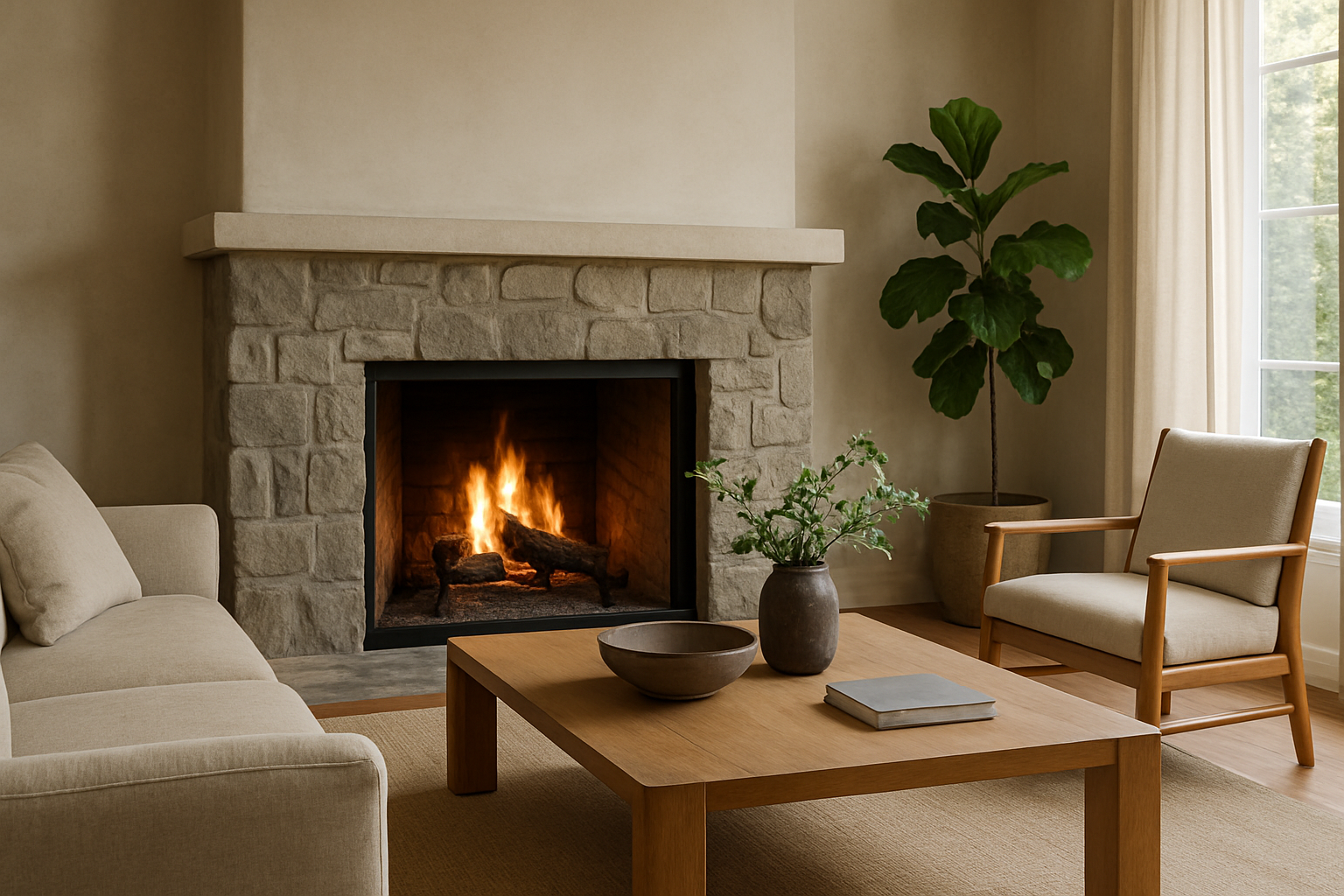
In a spring living room styled on minimalist naturalism, focal-point control is essential. Rather than flooding the room with decorations, select one well-composed area to highlight. A fireplace, a reading nook, or a sculptural piece of furniture can anchor this zone. Add natural materials here—stucco or stone surfaces, wood consoles, or live edge shelves—to enhance earthiness.
To style, consider placing a large ceramic vase with fresh branches or loose florals on the hearth or console. This brings in organic form and seasonal life without competing with your room’s architecture. Avoid multi-colored bouquets; instead, go for one-tone or monochromatic stems to preserve the calm.
If you lack a traditional focal point, use lighting—floor or table lamps with matte metal finishes—and textural artwork to create attention. Keep decorations minimal and arranged asymmetrically, pairing matte pottery or wooden bowls with fresh greenery.
This balance between structure and nature avoids the common spring living room styling mistakes to avoid, such as overcrowding or clashing materials, ensuring the space feels intentional and restful.
Accessory Composition: Curate with Texture and Scale
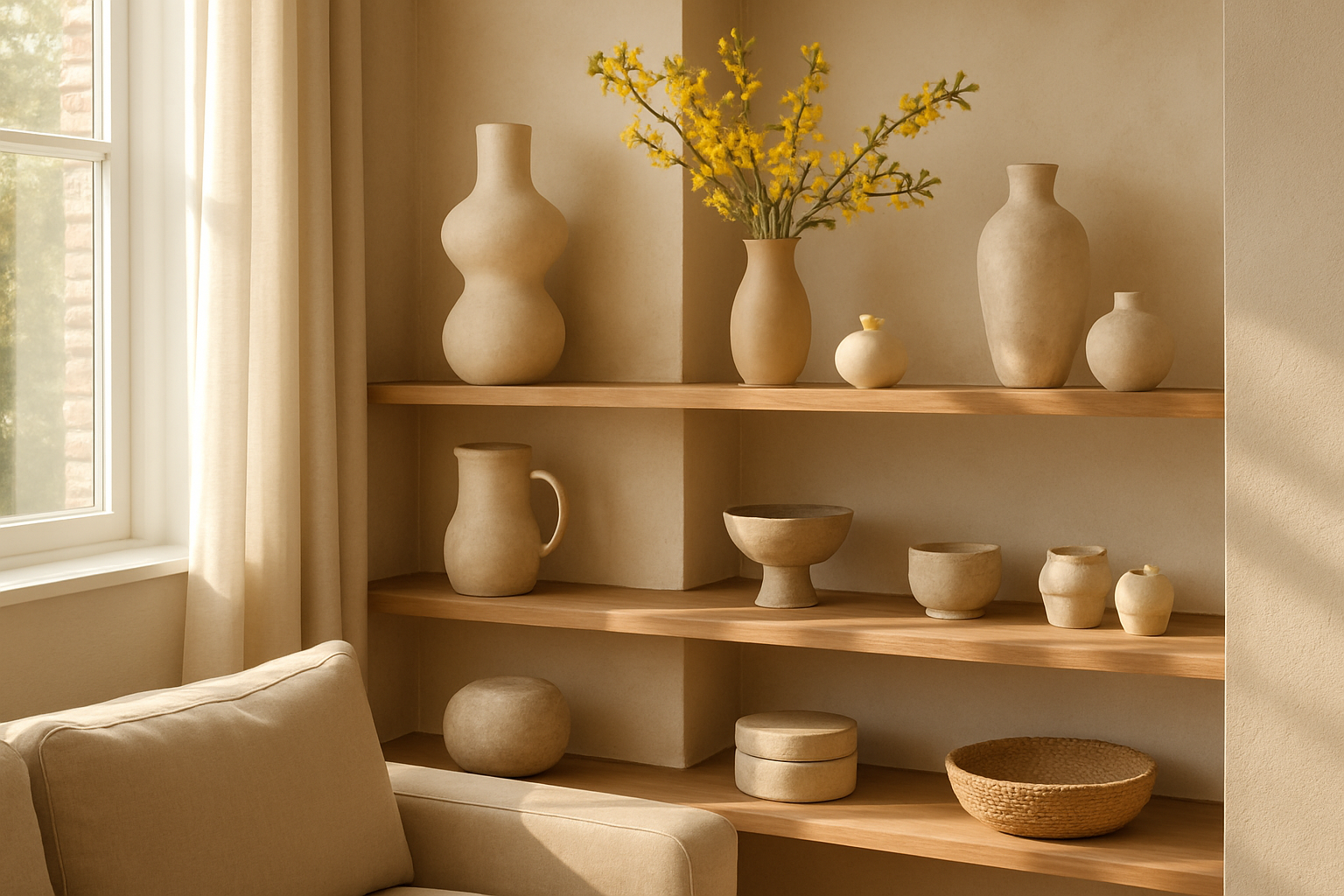
The art of accessorizing in your spring living room styling lies in deliberate curation. Choose decor objects that complement your base palette—think ceramics in soft matte finishes, sculptural wooden items, or subtle metal trays. Grouping smaller objects on coffee tables or shelves according to scale and texture keeps the composition coherent.
Aim for odd numbers in groupings (three or five items) to create natural tension without chaos. Importantly, respect negative space around items to allow each piece to breathe. If shelves are part of your room, arrange items in layers, placing taller objects at the back and smaller ones in front for depth. Include a single living green plant or dried grasses for softness.
Keep colors minimal—off-white, tan, and muted green work well here—so accessories enhance without distracting. This disciplined approach helps personalize your space subtly while maintaining the streamlined feel treasured in spring living room styling decor.
Personalization Without Losing Cohesion
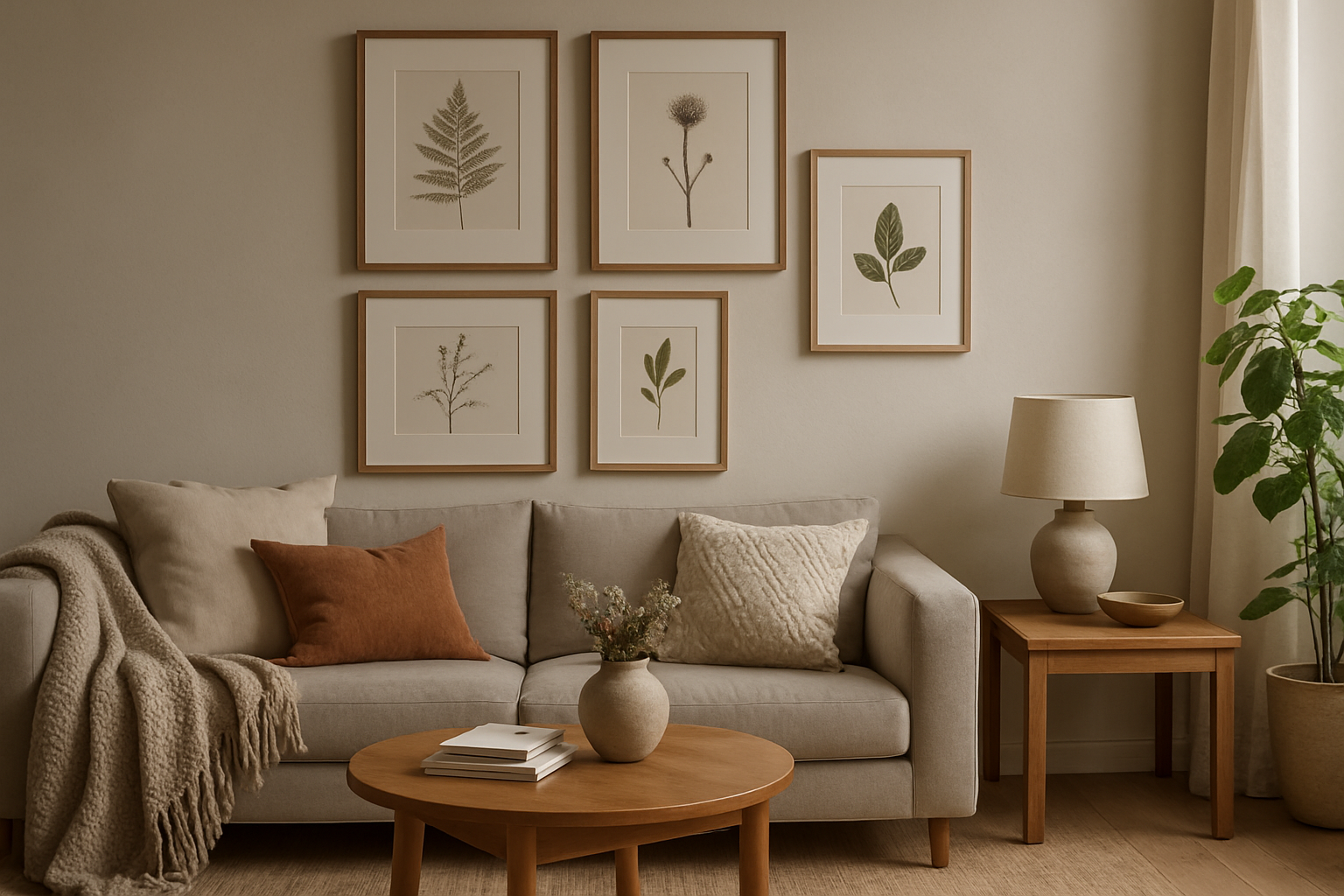
Personal touches are vital to making the spring living room trend sustainable and liveable. Integrate elements like framed botanical prints or your favorite artisan-made crafts that echo natural themes and adhere to the material and color rules. Matte wood frames and soft white or beige mats create a refined display that ties back to your room’s foundation.
Furniture textiles or cushions with handwoven textures or subtle stripes can be introduced sparingly for personality. Personalize with thoughtfully chosen reading materials or curated coffee table books linked to nature, architecture, or design.
Avoid mixing styles excessively; instead, select pieces that relate visually through materiality or color tone. This ensures your upgraded spring living room remains cohesive and driven by an intentional narrative rather than a collection of unrelated decorative impulses.
FAQ
What colors best suit spring living room styling?
Neutral, soft greens, warm beige, muted gray, and natural wood tones work best, supporting a calm and fresh atmosphere.
How can I avoid overcrowding in spring decor?
Focus on essential pieces, choose quality over quantity, and maintain clear pathways and negative space.
Which materials are ideal for spring refresh?
Emphasize natural materials: matte plaster, wood with a natural finish, metal in black or brushed brass, and textiles like cotton, linen, and wool.
Can I use bright colors in a minimalist spring living room?
Use bright colors sparingly, limited to small accent pieces or flowers, so they add energy without disturbing the tranquil base.
How often should I update spring living room styling decor?
Seasonal adjustments, such as swapping textiles or accessories, are enough to maintain freshness without full room overhauls.
Conclusion
Spring living room styling ideas rooted in fresh minimalism blend architectural precision with tactile warmth. By focusing on clear material contrasts, natural textiles, disciplined focal points, curated accessories, and subtle personalization, you create spaces that feel renewed yet timeless. This approach respects both visual clarity and real-life usability, making your living room inviting while elegantly connected to the season. Start by reassessing your base materials and layering in seasonal textiles, then allow thoughtful accessories and personal details to complete the look. This strategy avoids common mistakes and offers a sustainable, stylish spring refresh that will carry you smoothly through the warmer months.