
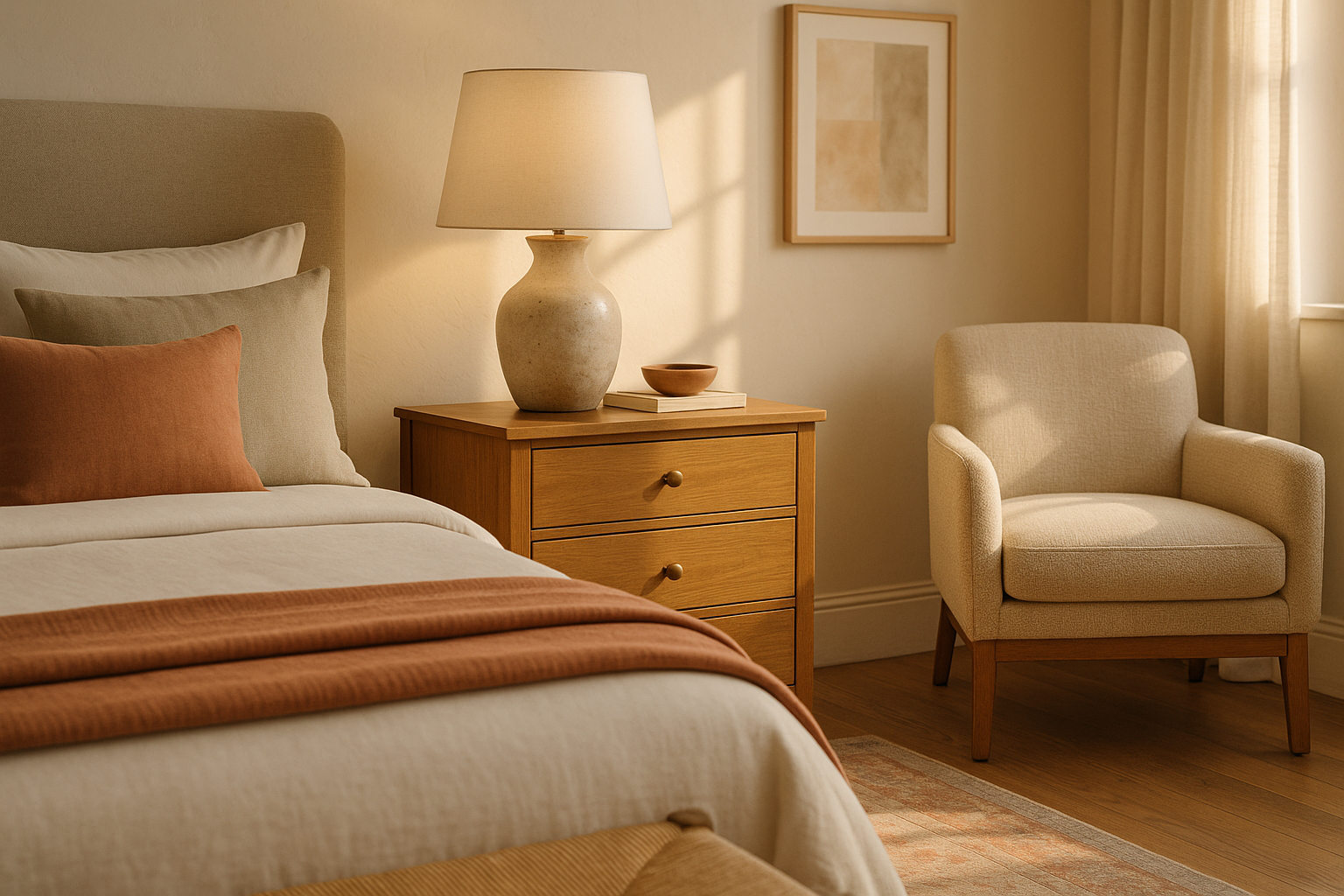
Choosing the best furniture for a transitional bedroom can feel a bit like walking a design tightrope. You want a space that feels current yet comfortably classic, where modern clean lines meet timeless warmth without either side overpowering the other. This balance is precisely what makes transitional style so appealing — and challenging. When shopping or styling, it’s easy to get overwhelmed by options that lean too traditional or too contemporary, or pieces that don’t quite harmonize in the room.
The key to success is knowing what criteria really matter in furniture selection, from material durability and scale to texture and finish, so each piece feels intentional and visually balanced. This article will unpack those decision points, explore the strengths of key furniture types, and help you match choices to your bedroom’s size and your budget. Let’s make your transitional bedroom feel inviting, layered, and thoughtfully put together without fuss or heavy formula.
Defining the Essential Criteria for Transitional Bedroom Furniture
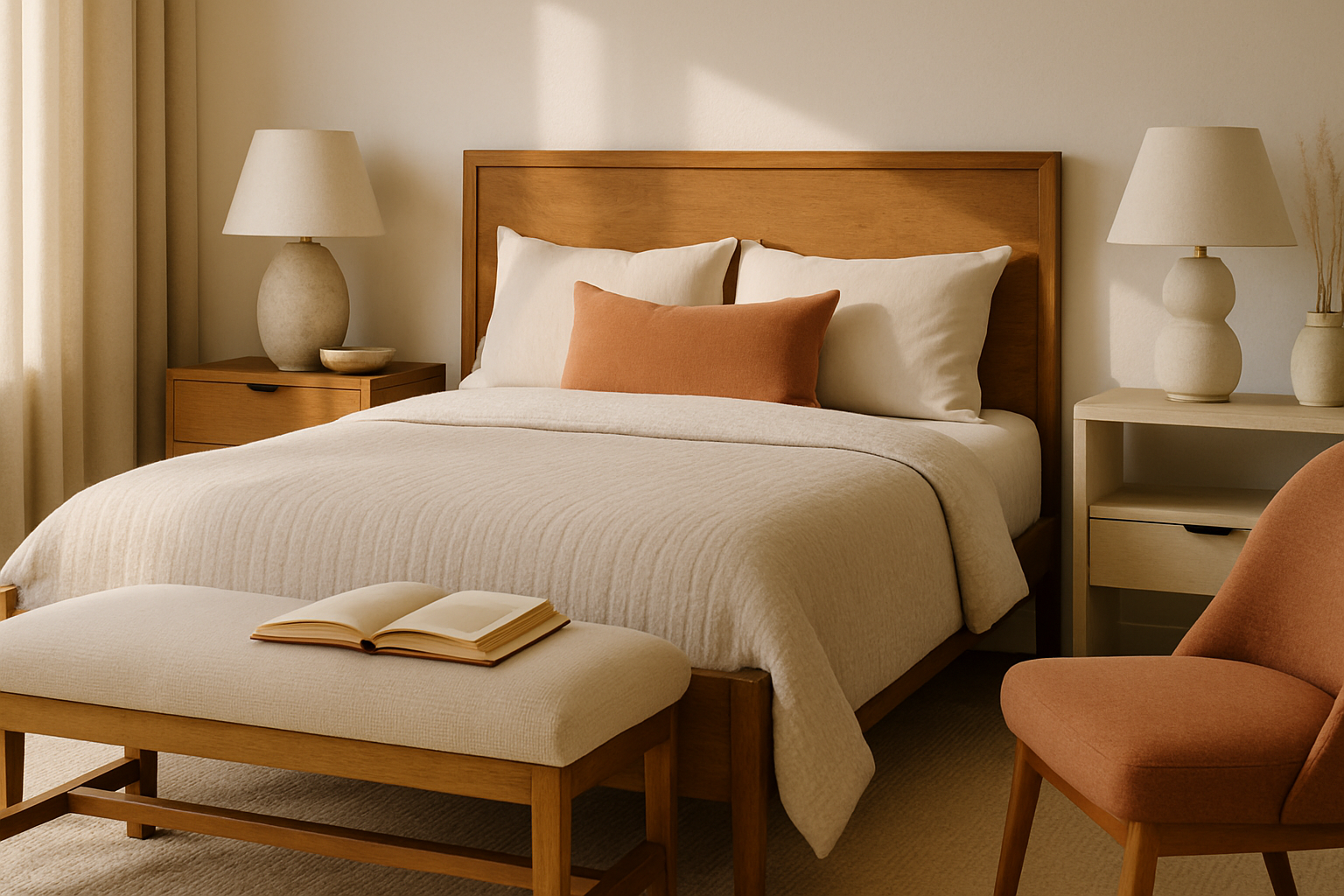
When zeroing in on the best furniture, start with three core criteria: proportion, material mix, and finish. Transitional style depends on soft contrasts rather than stark divides, so you want furniture that neither looks too heavy nor too stark. Scale matters — oversized pieces can overwhelm a cozy bedroom, while miniatures can feel insubstantial.
Materials should mix natural warmth with smooth surfaces. Think warm woods like walnut or oak paired with elements such as leather, linen upholstery, or brushed metal hardware. This blend creates subtle texture contrasts that feel inviting without cluttering the space visually.
Finish plays into tonal layering. A matte or lightly distressed finish often works better than high gloss because it adds a little softness which complements both traditional and modern lines. For example, a nightstand with a satin wood finish and slim brass pulls sits comfortably between a sleek modern bed and a soft, tufted headboard.
Warm Wood Furniture: Classic Backbone for Transitional Bedrooms
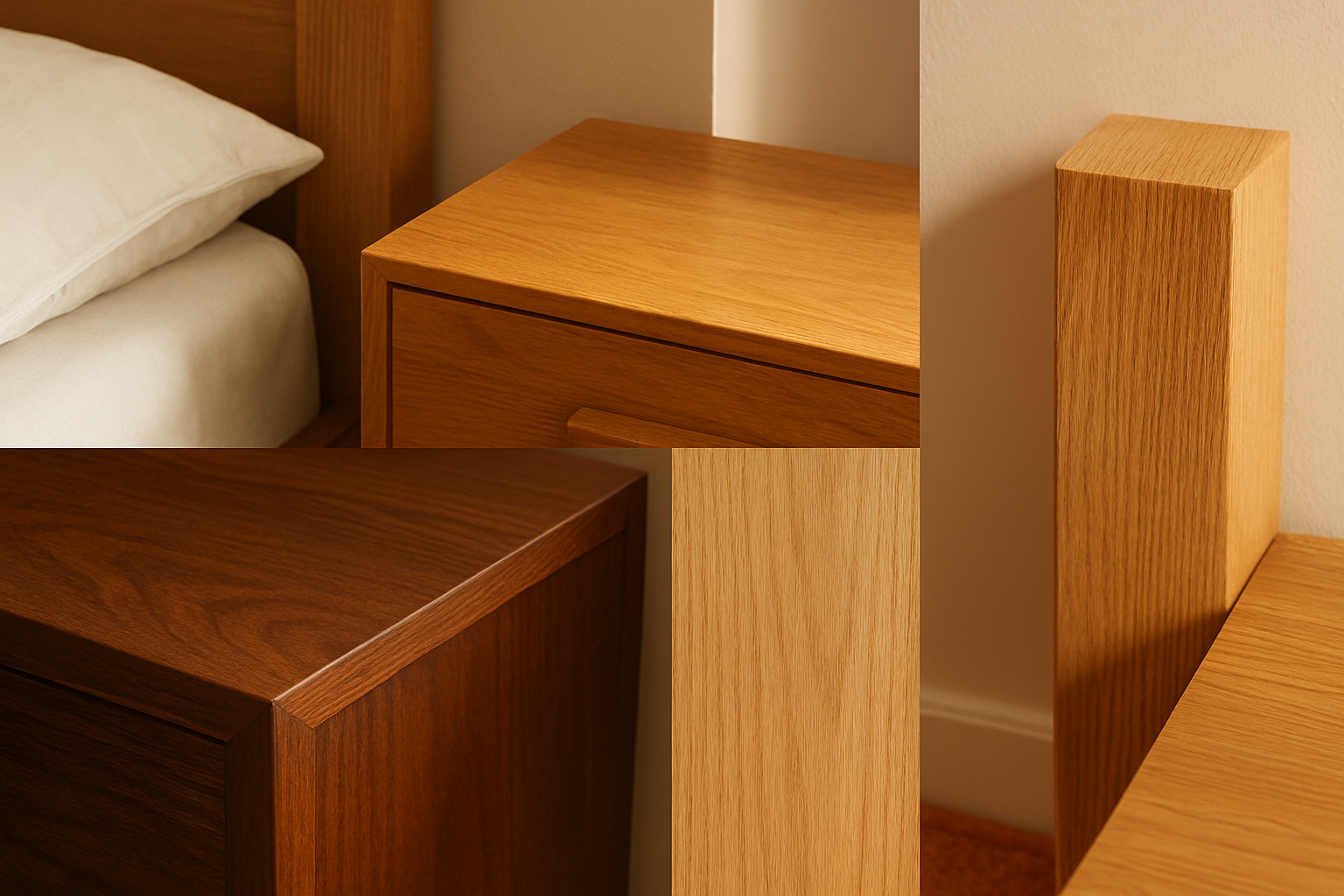
Solid wood furniture, especially in mid-tone finishes like walnut or chestnut, anchors a transitional bedroom beautifully. Wood’s natural grain adds depth, and these warmer tones offer a timeless base that coordinates easily with updated colors and textures. Classic shapes with subtle curves or tapered legs can bridge the traditional-modern divide effortlessly.
Try a wooden platform bed with a low profile and a gently curved headboard, paired with wood nightstands that feature clean-lined drawer fronts and simple metal pulls. This combo feels grounded and tactile, injecting warmth without feeling dated. To avoid heaviness, balance wood with lighter textiles—think linen or cotton bedding in creamy neutrals, accented with a plush throw in muted blue or soft olive.
Visual weight is essential here. Roughly matching wood tones across the room creates cohesion, but diversify texture by layering a woven basket or a rug with natural fibers underfoot.
Metal and Glass Furniture for Sleek, Modern Touches
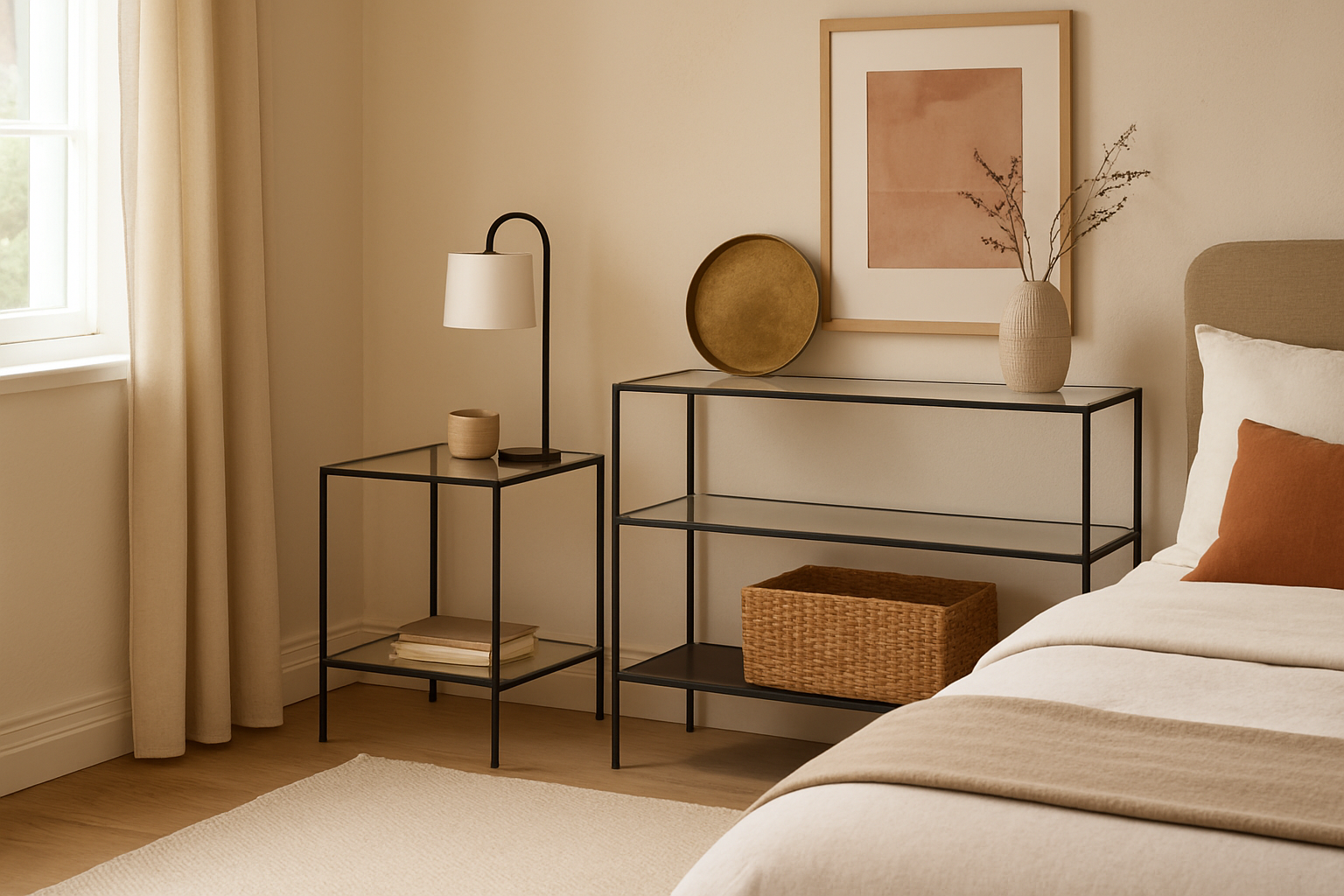
If wood is the warm anchor, metal and glass bring the crisp contemporary edge needed for transitional rooms to feel fresh. Look to pieces that incorporate metals like brushed nickel, antique brass, or blackened steel in balanced doses—too much risks skewing modern, too little won’t harmonize.
For example, a glass-topped dresser with slender black metal legs offers visual lightness that complements a more solid wooden bed. A metal bench at the foot of the bed, upholstered in a neutral textured fabric, can also add subtle contrast while serving as practical seating.
Light-reflecting surfaces like glass and mirrored finishes can make a transitional bedroom feel more spacious and airy, especially when paired with soft pastel palettes or warm neutrals. Layering these materials with cozy textiles—such as a velvet cushion or a chunky knit throw—ensures the room remains inviting, not cold.
Matching Furniture Choices to Room Size and Layout Needs
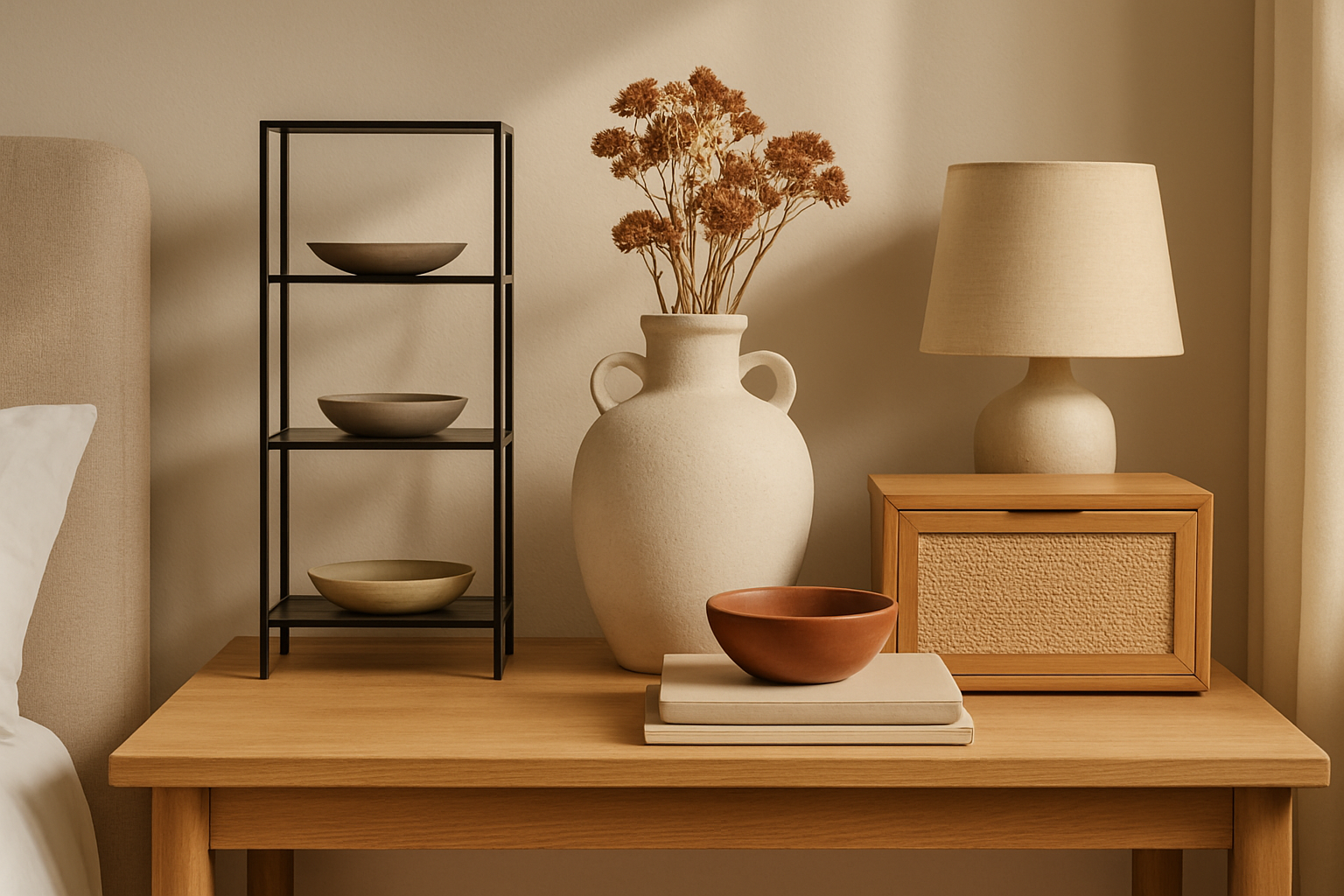
The best furniture is the one that fits your room and lifestyle effortlessly. For small transitional bedrooms, slimmer profiles and multifunctional pieces are your best friends. A bed with built-in storage drawers or a streamlined side table with a slim silhouette can maintain open flow.
Pay close attention to furniture scale relative to ceiling height and room width to avoid feeling boxed in. Light or mid-tone finishes help the room breathe, while darker pieces can be anchoring focal points only if spaced well.
Consider flexibility too. A movable nightstand or small rolling cart doubles as a nightstand or vanity, adapting to layout changes and seasonal refreshes. Minimal clutter paired with a few layered textures and soft lighting nets that lived-in quality without losing style. Use rugs and curtains in light linens or natural fibers to soften corners and create visual warmth.
Confident Selection: How to Narrow Your Bed, Storage, and Seating Options
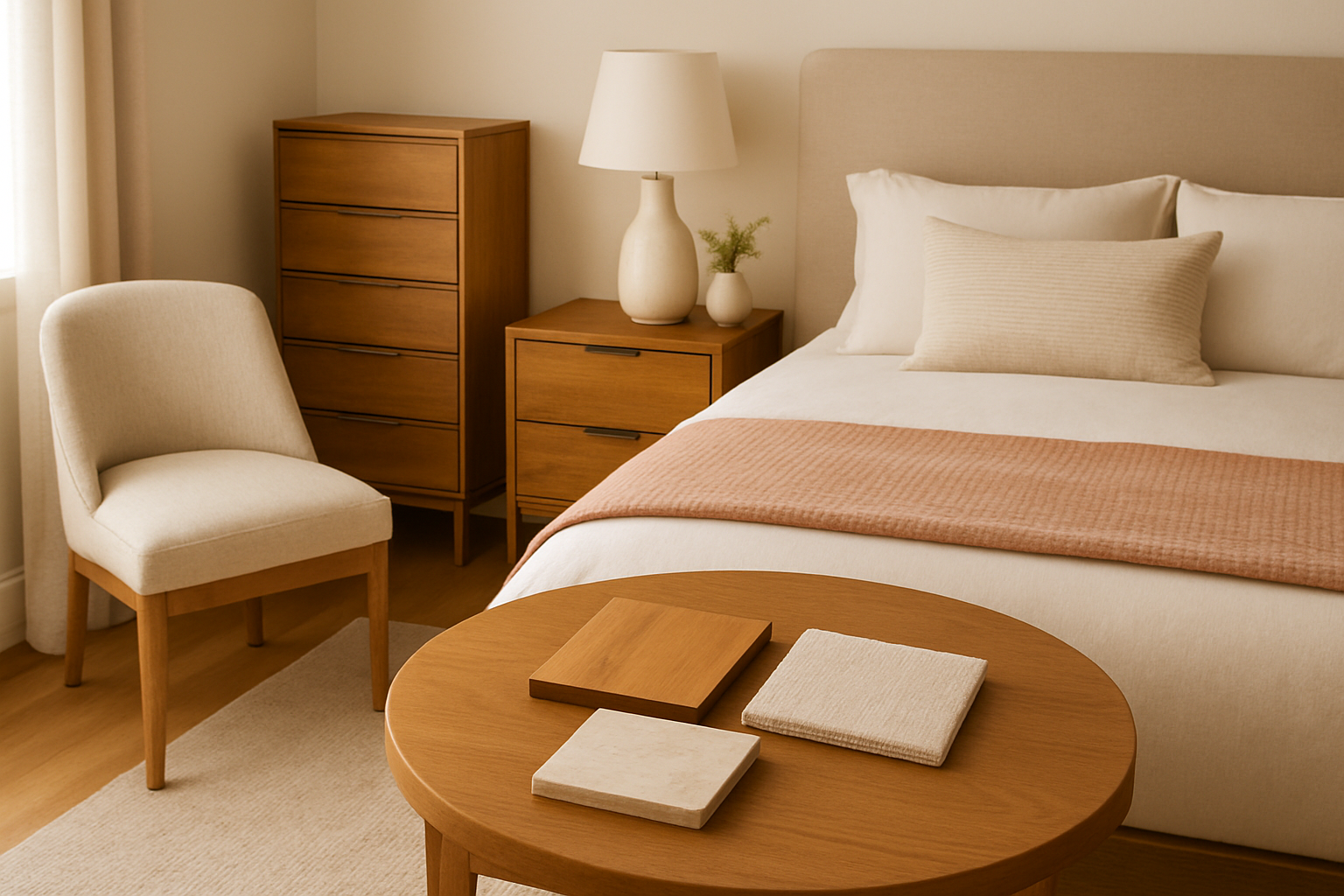
When it comes to narrowing down furniture, clarity on your top priorities will save you choice fatigue. Identify whether comfort, craftsmanship, budget, or style versatility tops your list. A well-crafted bed frame might be worth splurging on since it’s the room’s centerpiece.
Look for furniture lines known for transitional styling to streamline searching. Pieces with balanced curves and simple hardware keep the look cohesive. If you prefer mixing high and low, choose one standout item—like a handcrafted dresser or a vintage-inspired chair—and then fill in with budget-friendly complementary pieces.
Don’t forget function: a nightstand with charging ports or a dresser with soft-close drawers maximizes ease without disrupting the style. Remember, the best furniture for a transitional bedroom isn’t about matching everything perfectly but about creating a relaxed yet curated atmosphere where each piece visually supports the next.
Frequently Asked Questions
What defines transitional bedroom furniture?
Transitional furniture blends traditional shapes and warm materials with more streamlined, modern elements. This creates balance and flexibility without leaning fully into either design style.
Can I mix wood finishes in a transitional bedroom?
Yes, but keep the tones complementary. Mixing mid-tone woods like walnut with lighter oak or ash helps layer interest without visual tension.
Is metal furniture too cold for a bedroom?
Not if balanced with warm textiles, wood accents, and soft lighting. Metal adds freshness and lightness, which keeps the room from feeling heavy.
How do I choose furniture for a small transitional bedroom?
Prioritize pieces with slender profiles, built-in storage, and light finishes to maintain the room’s visual flow and maximize space.
What colors work best with transitional furniture?
Neutral palettes with soft contrasts work best—think warm greys, soft beiges, muted blues, and gentle greens paired with natural wood and metal tones.
Choosing the best furniture for your transitional bedroom ultimately comes down to selecting pieces that feel thoughtfully balanced, comfortable, and adaptable. Start with the right scale and finishes to create a baseline, then introduce materials and textures that layer warmth with sleekness. Whether you lean more traditional or lean more contemporary, clarity in your priorities and attention to proportion will steer you toward furniture that promotes a calm, collected, and inviting bedroom space. Try selecting one key piece—your bed or a dresser—with these criteria in mind, then build around it with flexible and varied options that keep your room feeling fresh season to season.