
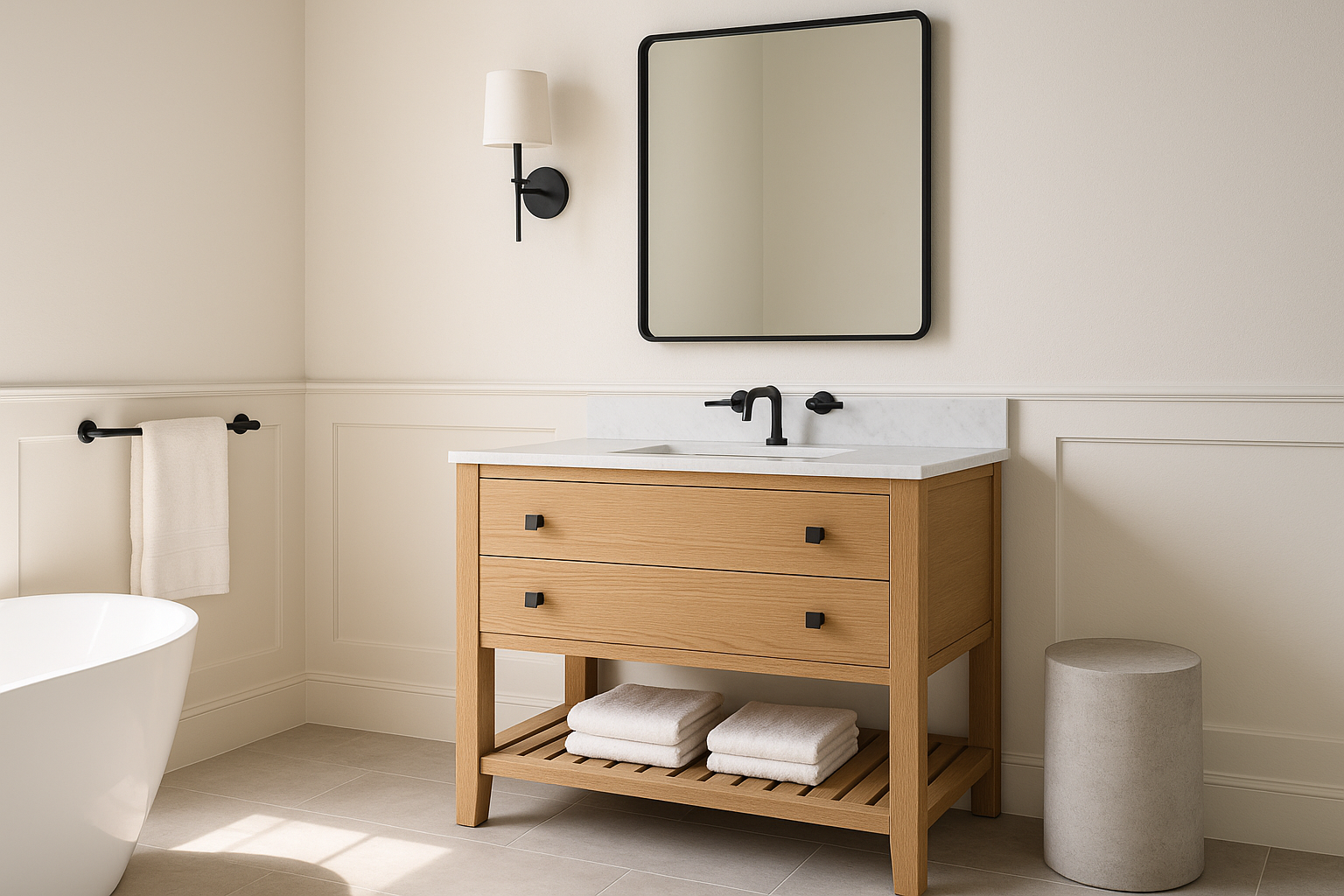
Choosing the best furniture for a transitional bathroom is a careful balancing act. This style thrives between modern minimalism and classic warmth, but picking pieces that serve both function and layered aesthetics requires clear criteria. The challenge often lies in combining material finishes, scale, and practical storage while ensuring the bathroom remains light and approachable rather than cluttered or cold. Understanding what defines good furniture choices in a transitional bathroom helps you avoid common layout pitfalls and style missteps.
In this guide, you’ll find precise approaches to material choices, shape language, and placement strategies that sharpen your decor decisions and help the room live up to its transitional promise—calm, functional, and composed.
Prioritizing Material Mix and Finish for Transitional Bathroom Furniture
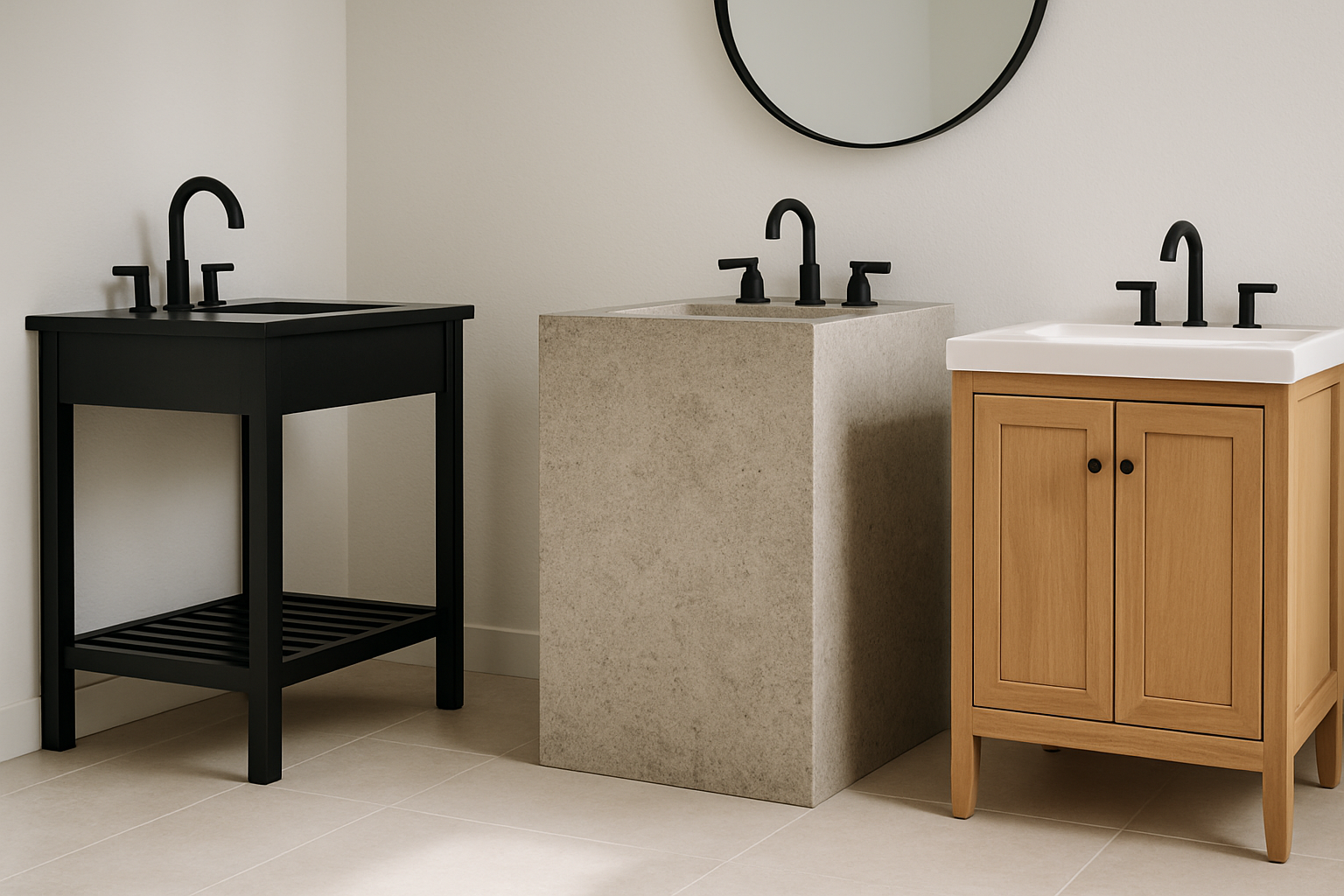
The core of transitional style is material contrast grounded in thoughtful restraint. When selecting furniture, the first and most critical standard is combining natural wood with matte metals or stone in a way that feels deliberate, not haphazard. Wood with a matte or soft finish softens the bathroom’s inherent hard surfaces — tile, porcelain, glass — bringing warmth and tactility. Matte black or brushed nickel hardware introduces sculptural definition without excess shine.
Opt for wood tones in lighter or medium hues instead of very dark or glossy finishes to maintain light flow and spaciousness. These finishes hold up well in humid environments and age gracefully with minimal fuss. Powder-coated metal adds an industrial edge without overwhelming the room’s calm neutrality. Focusing on this layered material foundation creates visual balance, giving the furniture a quiet architectural presence.
Floating Vanities: A Modern Anchor for Transitional Bathrooms
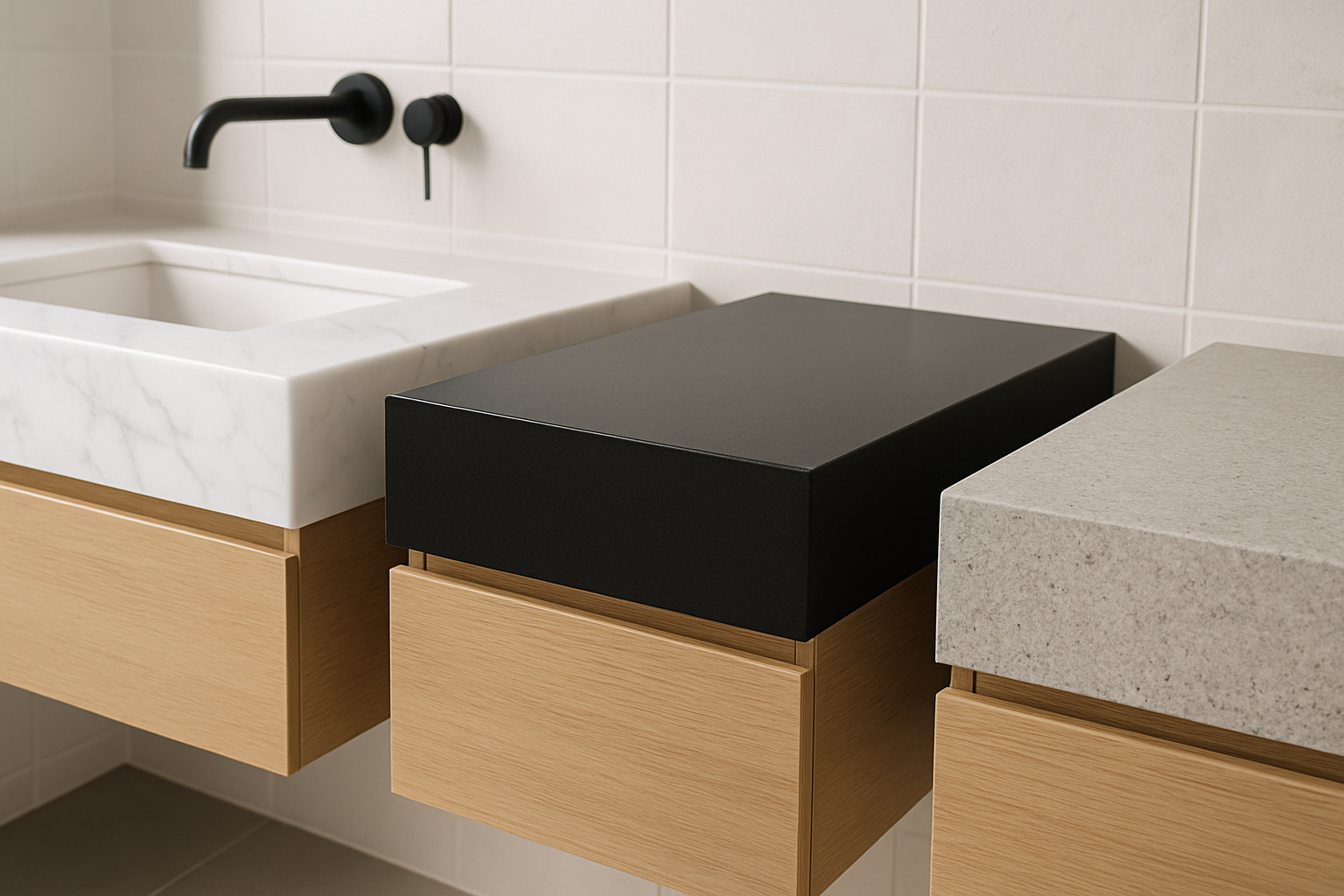
Floating wood vanities are a definitive transitional furniture option, merging clean lines with functional design. Visually, they open floor space and emphasize the bathroom’s footprints, key for smaller or naturally lit rooms. Their suspended form balances the soft textures of wood with the harder surfaces like tile or stone counters without the heaviness of floor-hugging units.
Beyond aesthetics, these vanities simplify cleaning and accommodate under-cabinet lighting or baskets for extra storage. Materials like oak or walnut, paired with matte black fixtures and stone countertop, often become a subtle focal point. Choose streamlined drawers or flat-panel doors to uphold the style’s straightforward geometry and avoid ornamental bulk. Floating vanities anchor your bathroom around a balanced fusion of old and new.
Freestanding Storage: Balancing Accessibility with Design Intent
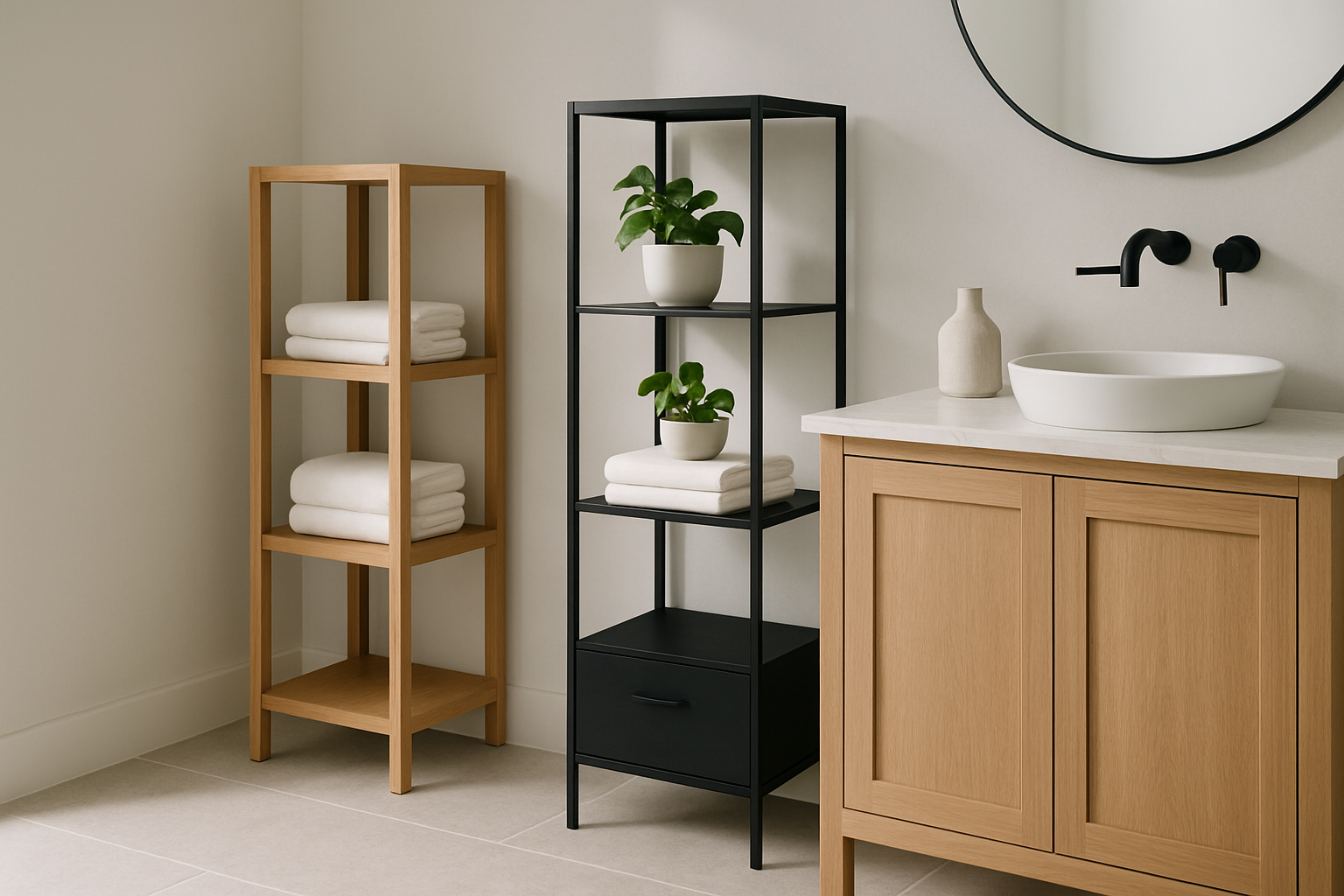
Transition bathrooms benefit from furniture that blends practical storage with sculptural restraint. Freestanding linen towers or open shelving units in wood or metal offer versatile storage solutions without committing to built-ins. These pieces introduce verticality and layered depth, which soften rectangular layouts and add visual interest.
When space is tight, narrow cabinets with matte finishes complement floating vanities and avoid overcrowding. For wider rooms, a mix of closed cabinetry and open shelving can display textiles or curated decor, enhancing the room’s collected character. Choose designs with clean edges and subtle detailing; curved corners or delicate metal legs add a hint of softness that maintains the transitional balance between modern and traditional. This furniture becomes a functional accent, allowing you to curate storage to your daily rhythms and style needs.
Tailoring Furniture Choices to Bathroom Size and Layout Constraints
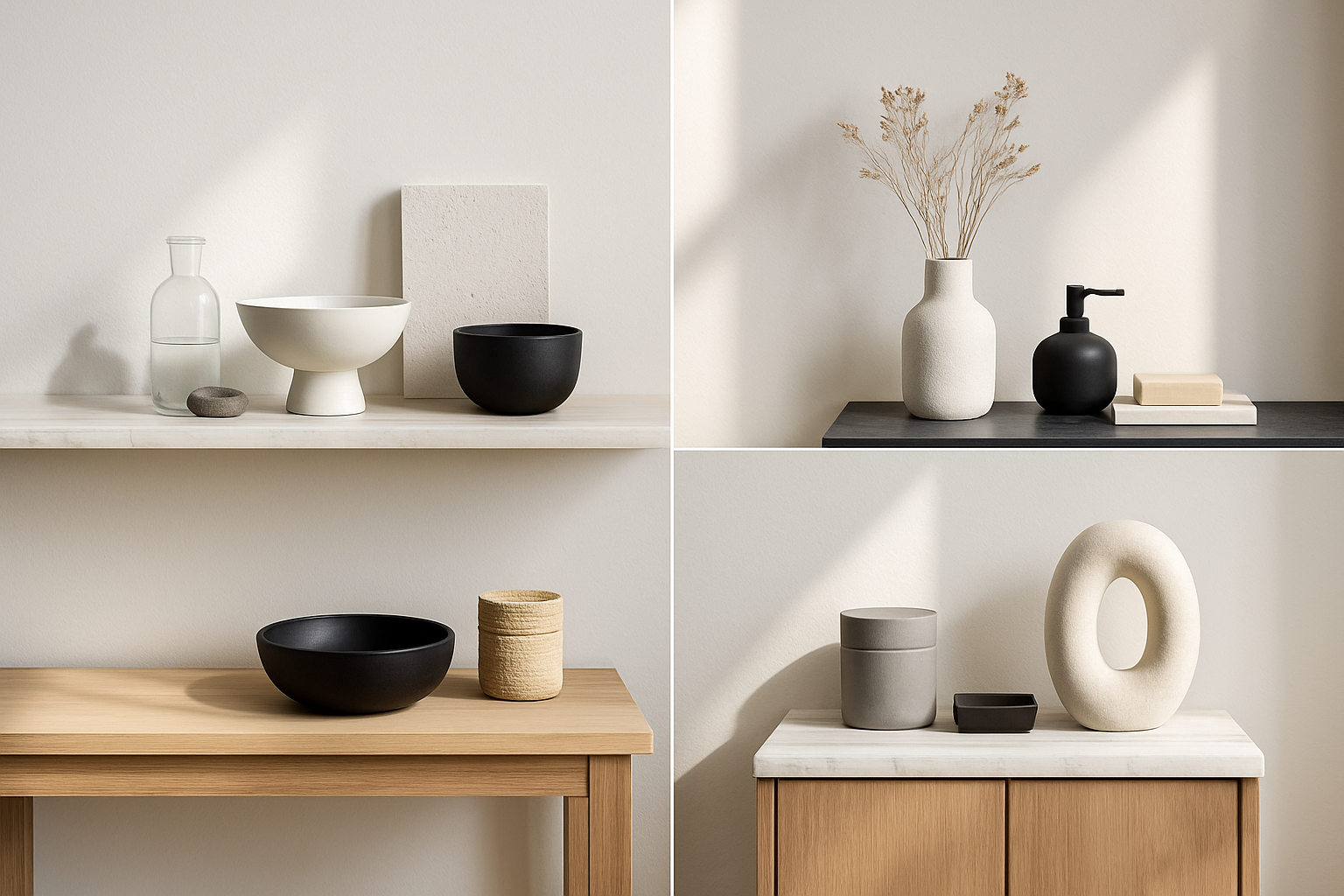
Room dimensions and layout demand specific furniture approaches to keep transitional bathrooms functional and visually harmonious. Small bathrooms often require compact, wall-mounted or floating options to maximize floor space and prevent a cramped feel. Opt for narrower vanities, integrated storage solutions, and minimal hardware to streamline appearance.
In contrast, larger bathrooms allow more generous furniture scale and layered groupings—benches, side tables, or towel racks in wood and metal can create dedicated zones. Consider how scale relates to ceiling height and traffic flow; furniture should never dominate or block circulation paths. Color and material consistency across pieces unify disparate zones and maintain the transitional mood. Adjusting furniture scale contextually ensures your bathroom’s design feels adapted—not retrofitted—to the space.
Confident Selection: Navigating Choices for Lasting Transitional Bathroom Furniture
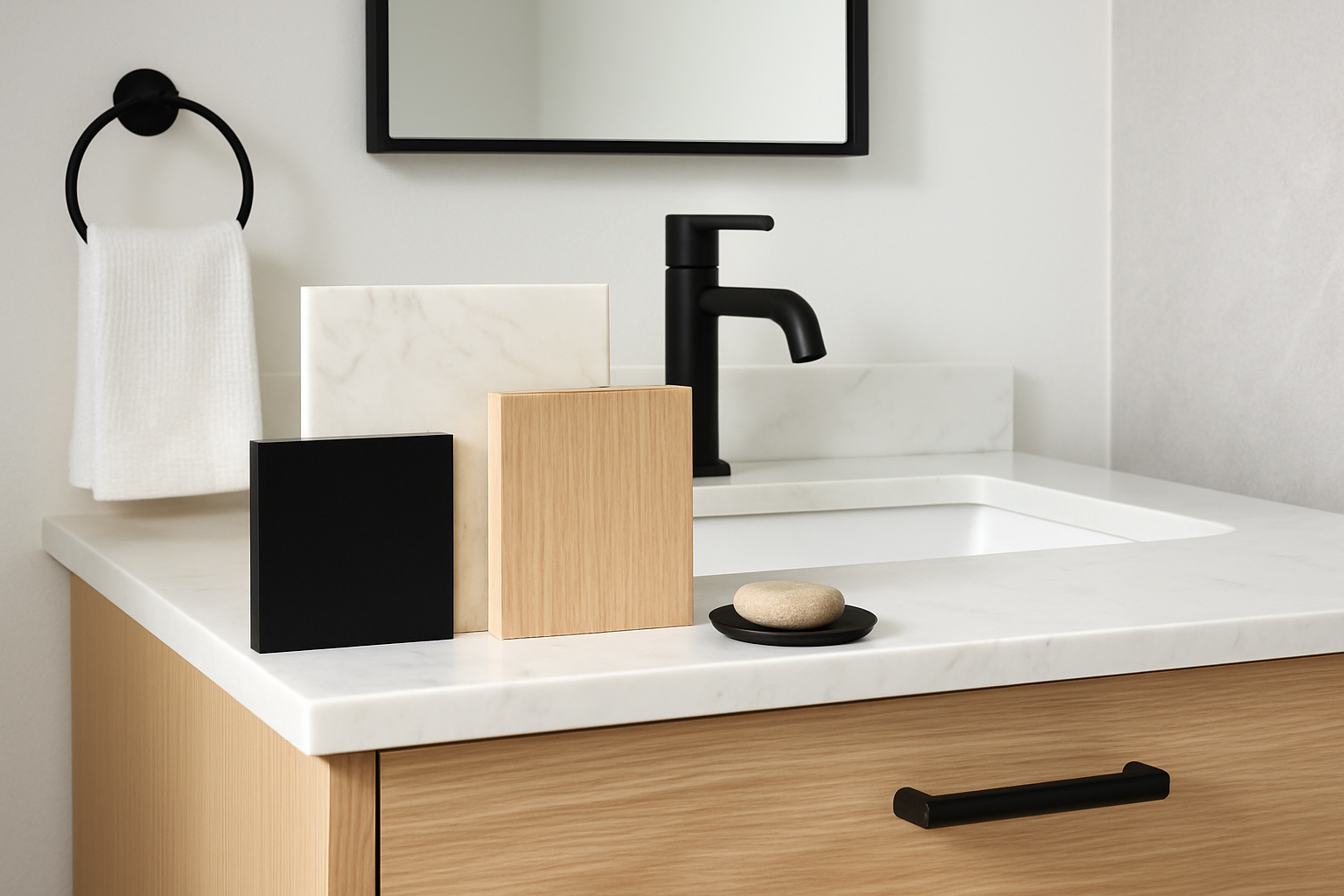
When narrowing your furniture options, prioritize pieces that emphasize compositional simplicity without sacrificing warmth or usability. Focus on multi-functional furniture with clean geometry and layered materiality: wood paired with matte metals, restrained hardware, and tactile finishes like plaster or stone. Resist the urge for glossy or ornate additions that clash with the transitional aesthetic’s quiet sophistication.
Test proportional balance by comparing furniture height, width, and depth with existing architectural elements like tile scale or fixture size. Ask how the piece supports everyday use—does it improve flow, increase storage, or offer seating without added clutter? Thinking through these concrete design questions gives you the confidence to select furniture that fits both the look and the living pattern of a transitional bathroom.
Frequently Asked Questions
What materials work best for transitional bathroom furniture?
Wood with a matte finish combined with matte metals like black or brushed nickel is ideal. These materials create a subtle contrast that feels natural and layered.
Are floating vanities suitable for small transitional bathrooms?
Yes, floating vanities open floor space visually and physically, making small bathrooms feel larger and easier to maintain.
How can I add storage without overcrowding a transitional bathroom?
Freestanding storage with clean lines, such as narrow linen cabinets or open shelving units, offers layered storage that doesn’t dominate the room.
Should furniture pieces all match in a transitional bathroom?
Not exactly—consistency in material and finish is more important than exact matching, which supports a layered, collected look rather than a uniform feel.
How do I balance furniture scale with bathroom layout?
Consider clearance for movement and pairing furniture dimensions with architectural features like wall height or tile size for harmonious proportion.
Selecting the best furniture for a transitional bathroom requires clear priorities: material mix, scale, and functional layering. When you anchor choices in these principles, the room gains a quiet balance that feels both lived-in and design conscious. Start by focusing on a versatile wood and matte metal foundation, then choose shapes and sizes that respect your bathroom’s space and daily use. That measured approach guides you to a composed and welcoming bathroom without overcomplication or compromise.