
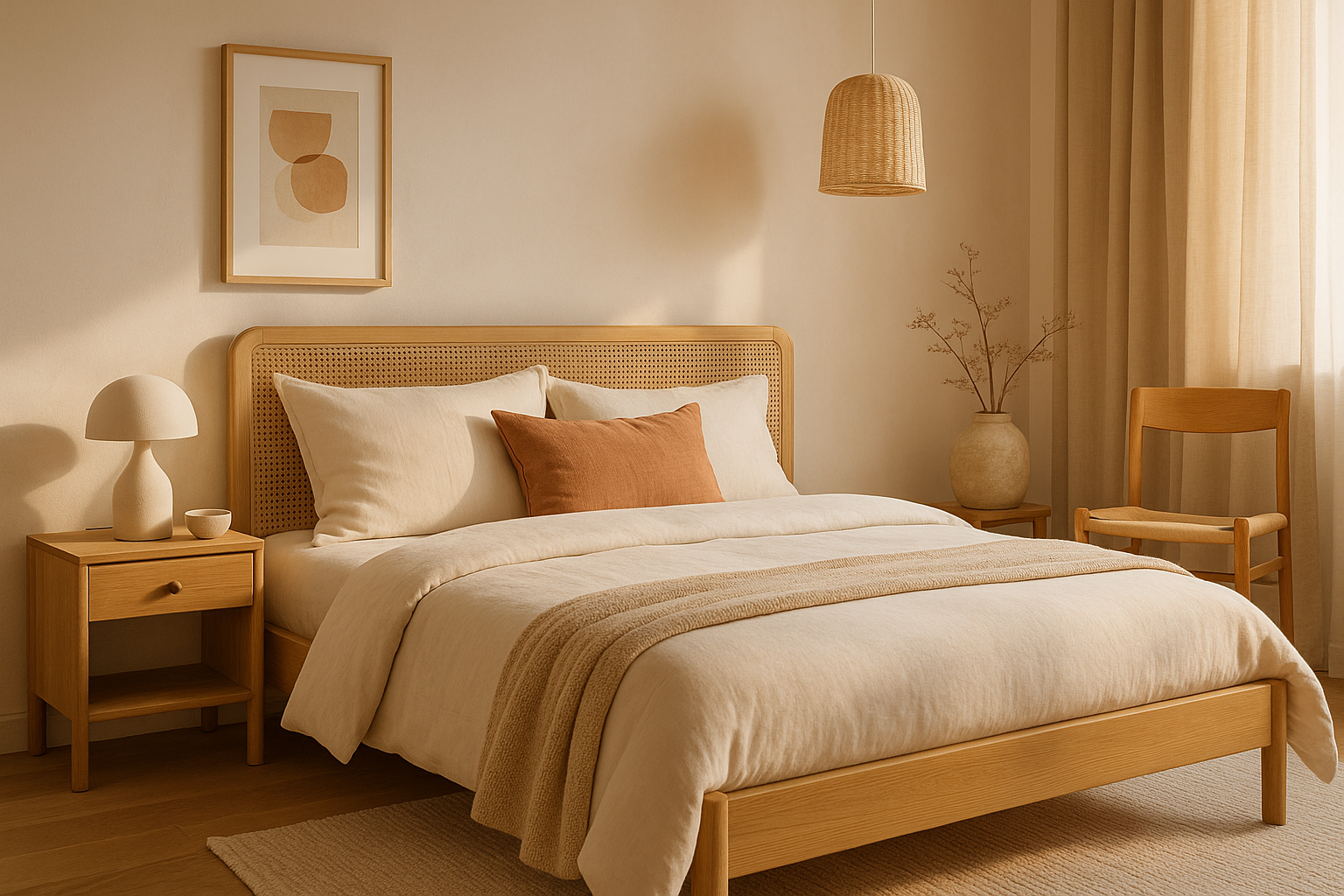
Scandinavian bedrooms are cherished for their quiet, balanced vibes—spaces that feel fresh yet lived-in, functional yet inviting. But choosing the best furniture for a Scandinavian bedroom isn’t as straightforward as picking simple wood pieces and calling it a day. The real trick lies in combining lightness with warmth, layering textures without cluttering, and balancing function with clean design — all while adapting to your bedroom’s size and lifestyle.
This guide breaks down the core criteria for selecting Scandinavian bedroom furniture and then compares smart material choices. You’ll also find practical advice on how to pick pieces that suit your room’s layout and budget, finishing with tips to narrow in on furniture that feels both true to the style and comfortable for everyday life.
What Defines Good Furniture Choices for a Scandinavian Bedroom?
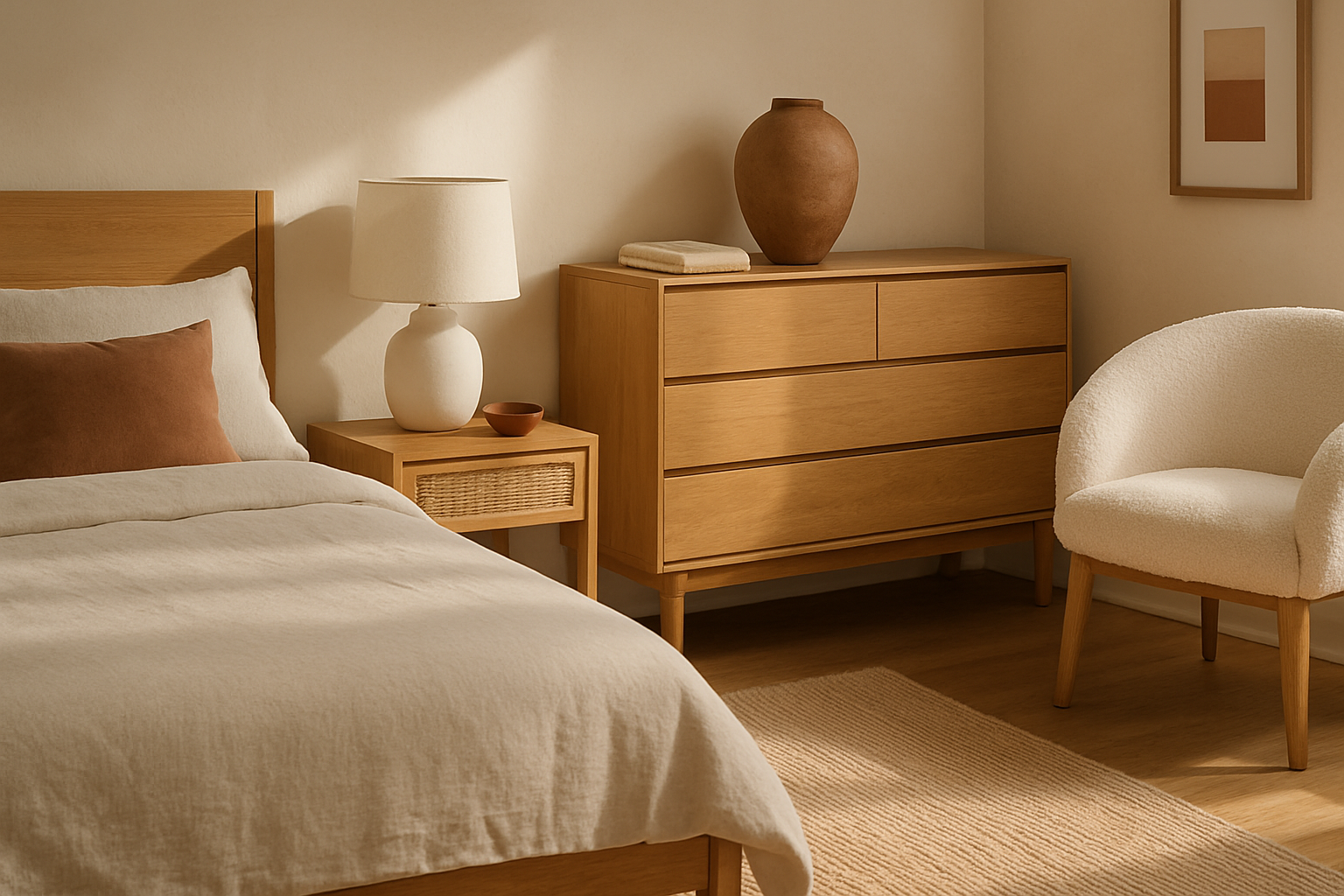
The foundation of any well-styled Scandinavian bedroom lies in furniture that respects the style’s minimalist roots while embracing warmth and functionality. This means prioritizing simplicity in form with subtle natural textures and neutral or muted tones. Good furniture should be adaptable, straightforward in its purpose, and support an uncluttered flow.
When choosing furniture, consider the scale—oversized pieces can disrupt the airy feel, while undersized ones risk feeling sparse or underwhelming. Durability and materials also matter—Scandinavian style favors natural woods like oak, beech, and pine, known for their light tones and grain that adds gentle texture. Surfaces with matte or satin finishes tend to create a softer look than high-gloss options, helping keep rooms feeling calm.
Comfort and function round out the baseline. Think beds with supportive slatted bases, simple but sturdy dressers, and bedside tables that offer utility without bulky presence. Scandinavian furniture design often also leans towards modular or multi-use pieces, which is ideal for flexible styling and changes across seasons.
Solid Wood Furniture: The Classic Scandinavian Backbone
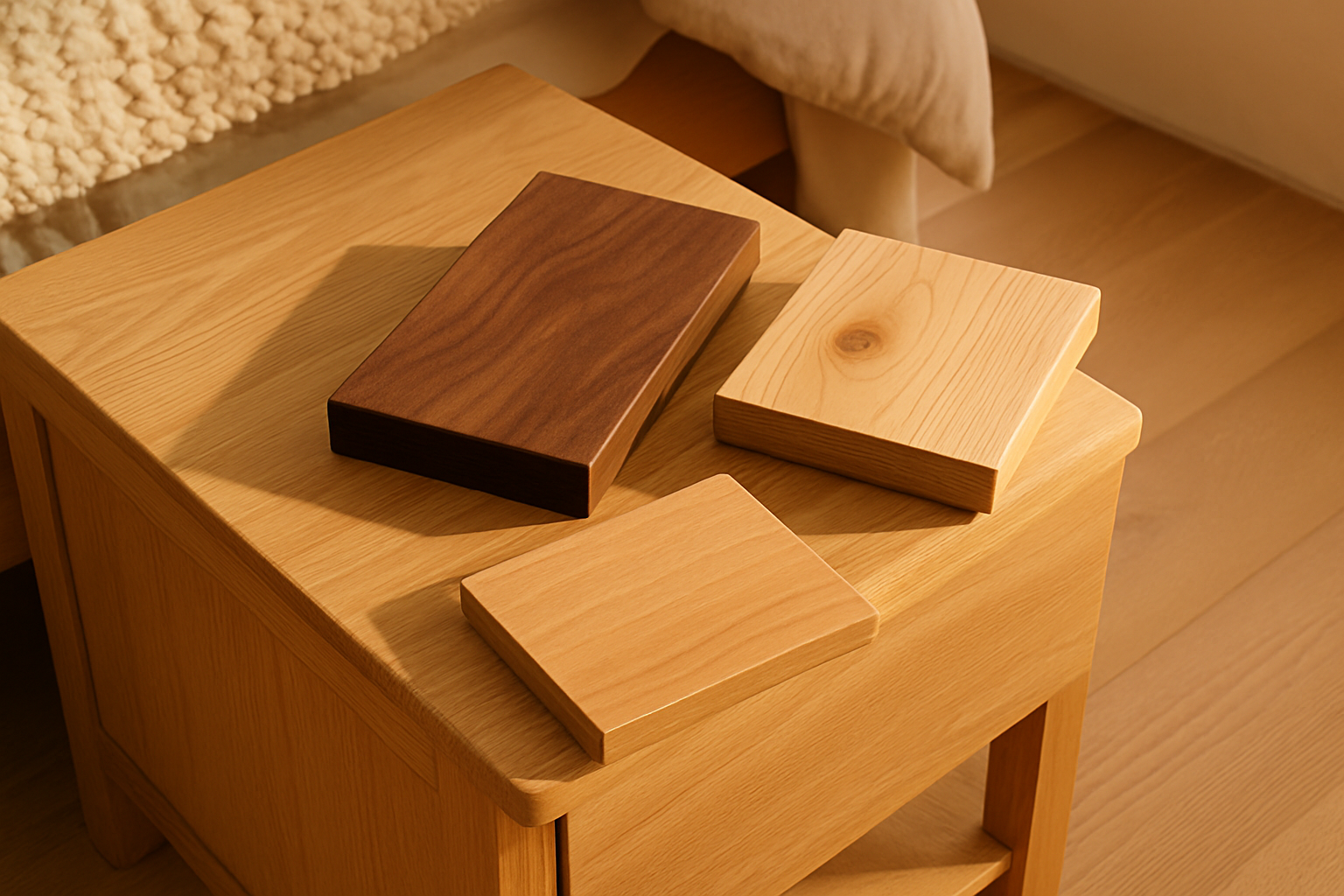
Solid wood, especially in lighter shades like natural oak or unpainted pine, is often the go-to choice for Scandinavian bedroom furniture. These high-quality woods provide a beautiful, tactile surface with subtle grain patterns that warm up pale bedrooms without overload.
Why does solid wood work so well? Besides its durability, it offers the perfect balance between clean lines and organic warmth—two pillars of Scandinavian styling. A bed frame with softly rounded edges or a simple solid wood dresser anchors the room while letting textiles and lighting do the coziness work.
For practical application, choose pieces with minimal hardware to keep the look restrained. Soft finishes like matte lacquer protect the wood but avoid glossiness that can feel too formal or cold. Pair these with linen or cotton bedding in muted tones—think dusty pinks, soft blues, or warm grays—to maintain the sense of light flow and understated contrast.
Alternative Materials: Woven and Natural Accents For Texture and Softness
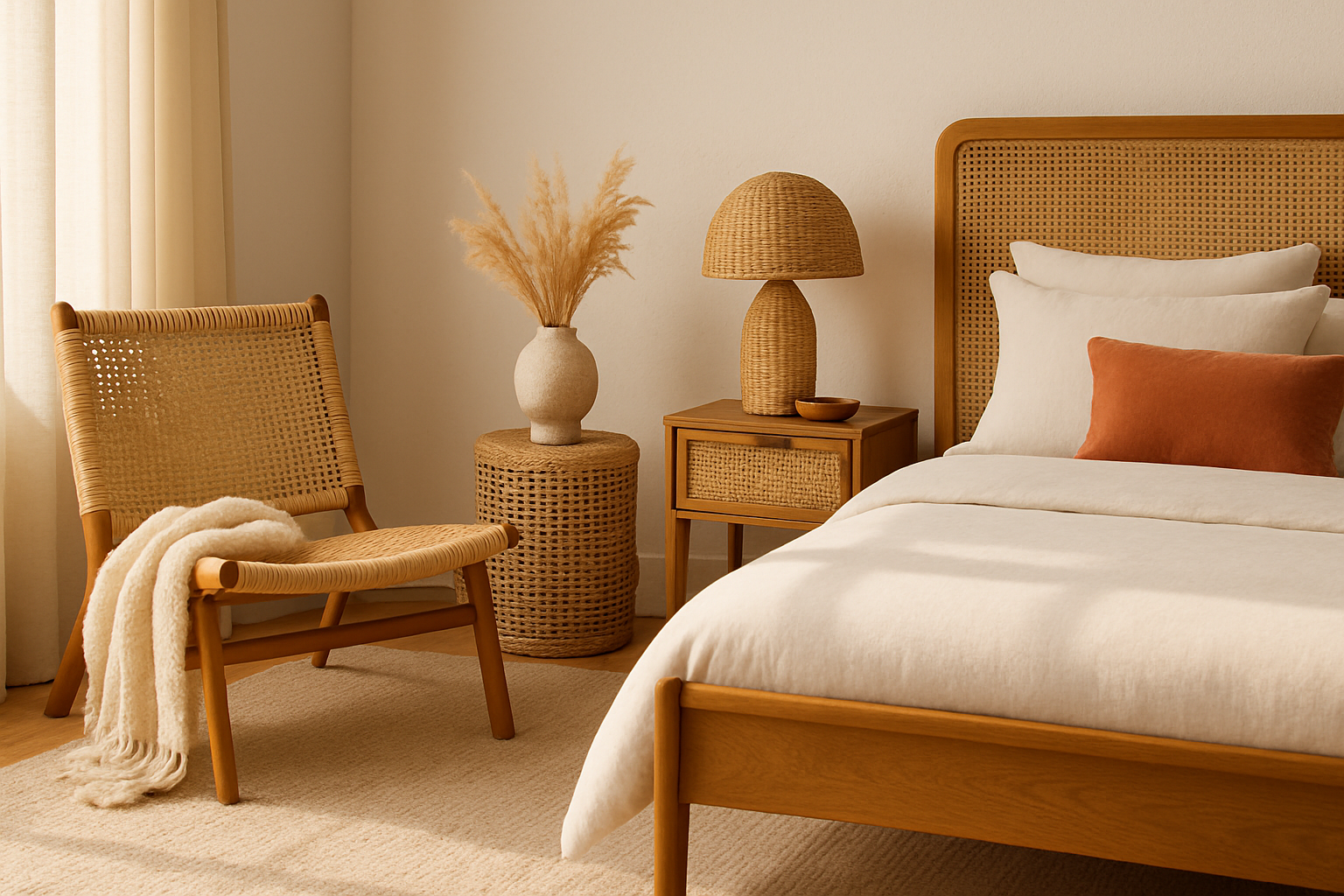
While wood is a Scandinavian staple, incorporating woven and natural fiber furniture elements can add essential texture, preventing the room from feeling too flat or one-dimensional. Think rattan bedside tables, wicker chairs, or a softly woven storage bench.
These materials introduce a tactile quality that complements wood and textiles perfectly, bringing a relaxed, crafted vibe that feels more lived-in. Plus, they’re light visually and physically, which contributes to the airy feel important in Scandinavian bedrooms.
When integrating these pieces, choose neutral colors like soft beige, light caramel, or off-white to keep the palette cohesive. Layer rugs, cushions, or throws in complementary textures—such as chunky wool or soft cotton—to create depth without clutter. This mix signals comfort and invites use, which is key in any bedroom.
Matching Furniture to Room Size and Layout for Balanced Flow
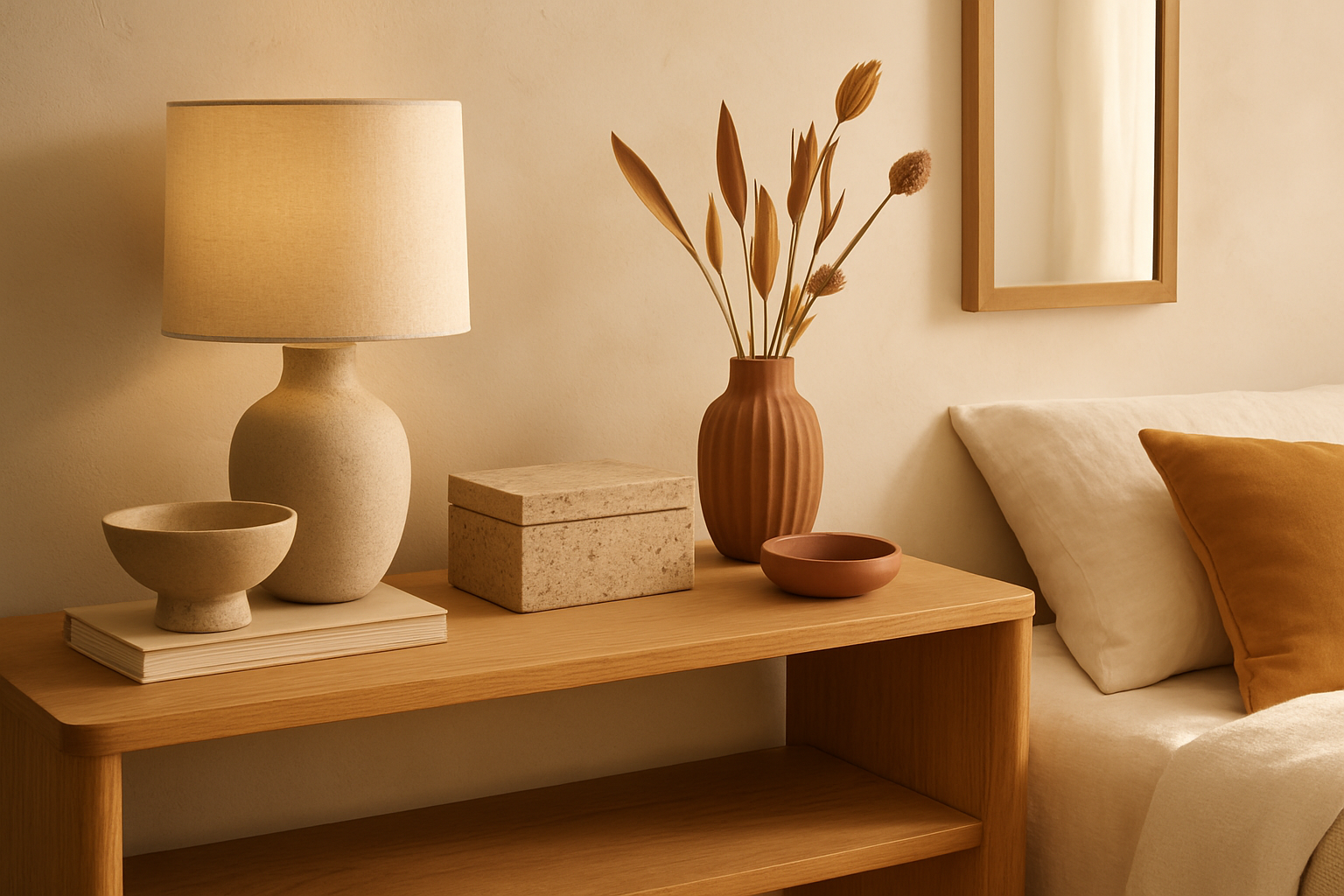
Furniture choice changes dramatically depending on the size and shape of your bedroom. For small Scandinavian bedrooms, multi-functional and slim-profile furniture is crucial to preserving an open feel. Beds with built-in storage, lightweight nightstands, or floating shelves offer smart functionality without sideways bulk.
In larger rooms, you have more liberty to use statement wooden pieces or add complementary chairs and sideboards. However, maintaining a clear layout and easy circulation path is still essential to keep the room feeling calm rather than cavernous.
Visual balance can be tricky. Avoid clumping large furniture on one side or mixing too many contrasting styles—instead, repeat material or color accents through multiple pieces for a coherent look. For example, a soft gray fabric chair with natural wood legs echoes the plywood bedframe, creating a gentle rhythm across the room.
Narrowing Down Your Selection: Practical Buying Tips
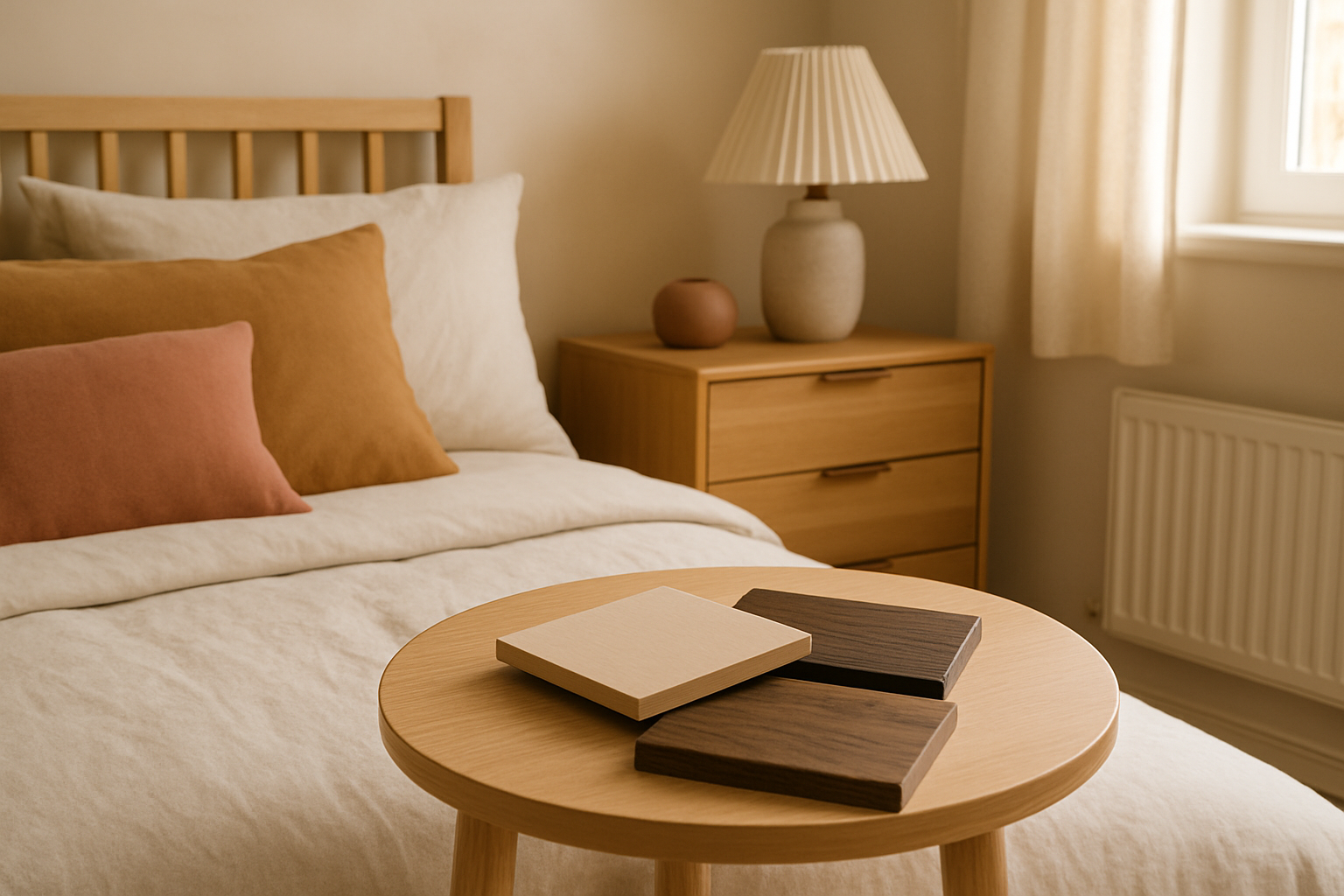
As you shop for Scandinavian bedroom furniture, prioritize quality over quantity. It’s better to invest in a few well-made, adaptable pieces than buy many that don’t quite fit the style or size of your room. Keep a consistent color story across wood tones and upholstery to ensure all pieces feel collected rather than random.
Also, consider how each item will serve your daily routines. Beds with slatted bases offer airflow and comfortable mattress support, while bedside tables with drawers can help reduce surface clutter easily. Look for furniture lines where you can mix and match pieces—chairs, beds, chests—that share a design language but vary slightly in texture or form.
If budget constraints exist, focus your spending on the bed frame and dresser first. These are often the room’s anchors. Secondary pieces like side tables and mirrors can come from more affordable or vintage sources without breaking the room’s cohesion.
FAQ
What type of wood is best for Scandinavian bedroom furniture?
Look for light-toned woods such as oak, pine, and beech. These woods have a natural warmth and visible grain that fits the Scandinavian aesthetic well. Matte or satin finishes keep the look soft and inviting.
How to style a small Scandinavian bedroom with limited furniture?
Choose multi-functional pieces with slim profiles like storage beds and wall-mounted shelves. Keep color palette light and layering minimal to maintain open, airy flow.
Can I mix natural fibers with wood furniture in Scandinavian rooms?
Yes, mixing woven textures like rattan or wicker with wood adds warmth and tactility while keeping the room visually light and relaxed.
What colors work best for Scandinavian bedroom furniture?
Stick to neutral and muted tones—soft whites, pale grays, and natural wood browns. Accent with gentle pops like dusty blues or warm blush to keep the palette soothing but layered.
How important is furniture finish in achieving a Scandinavian look?
Very important. Matte and satin finishes soften the wood’s natural texture, whereas gloss can feel too formal or cold, disrupting the signature calm and cozy feel.
Choosing the best furniture for a Scandinavian bedroom is about much more than finding the simplest pieces. It’s a balancing act—combining form with function, natural texture with clean design, and scaling pieces to your everyday needs and room size. Start by setting strong criteria focused on material and proportion, then explore wood and woven options to build texture and warmth.
Ultimately, there is no one-size-fits-all winner here. The best choice is the one that fits your lifestyle, room dimensions, and personal sense of calm simplicity. With a clearer eye on what makes furniture work in this style — and how different materials and shapes play off your space — you can create a Scandinavian bedroom that feels genuinely restful and thoughtfully put together.