
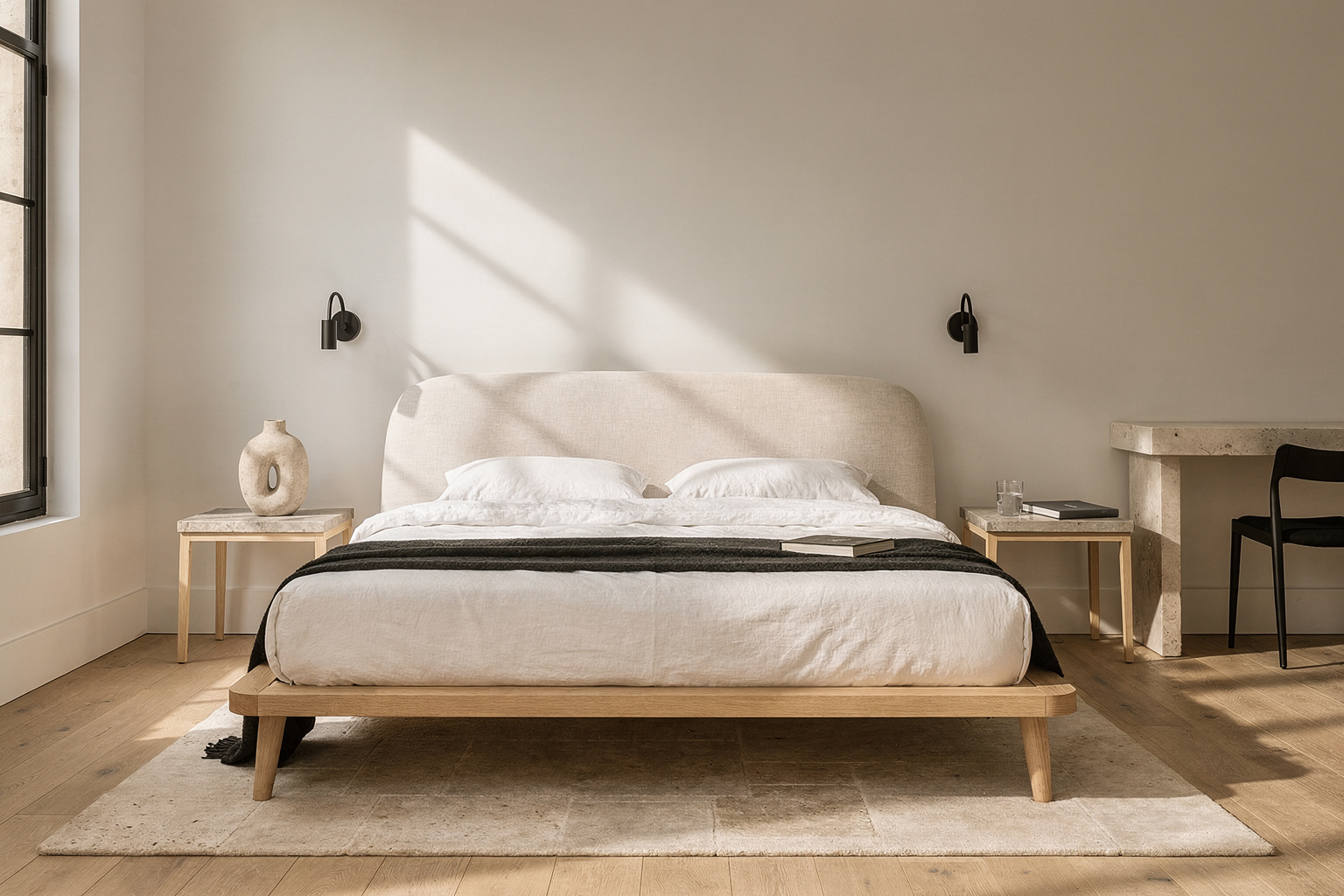
Parisian bedrooms hold a unique appeal, blending an effortless sense of chic with everyday comfort. Yet, selecting the best furniture to capture this delicate balance is rarely straightforward. The heart of the challenge lies in marrying timeless design qualities—natural materials, soft tones, and elegant silhouettes—with practical needs such as spatial layout and longevity. When searching for the best furniture for a Parisian bedroom, it’s essential to weigh criteria like material authenticity, proportion, and how well pieces layer together to build that signature warmth without fuss.
Choosing furniture for a Parisian bedroom means thinking beyond standalone pieces and toward a composed whole. Furniture must feel curated but lived-in, balancing refinement with quiet ease. Across this guide, we’ll explore the selection standards, material options, layout considerations, and buying tips that point firmly toward a serene, stylistically coherent Parisian bedroom.
Key Criteria for Selecting Furniture in a Parisian Bedroom
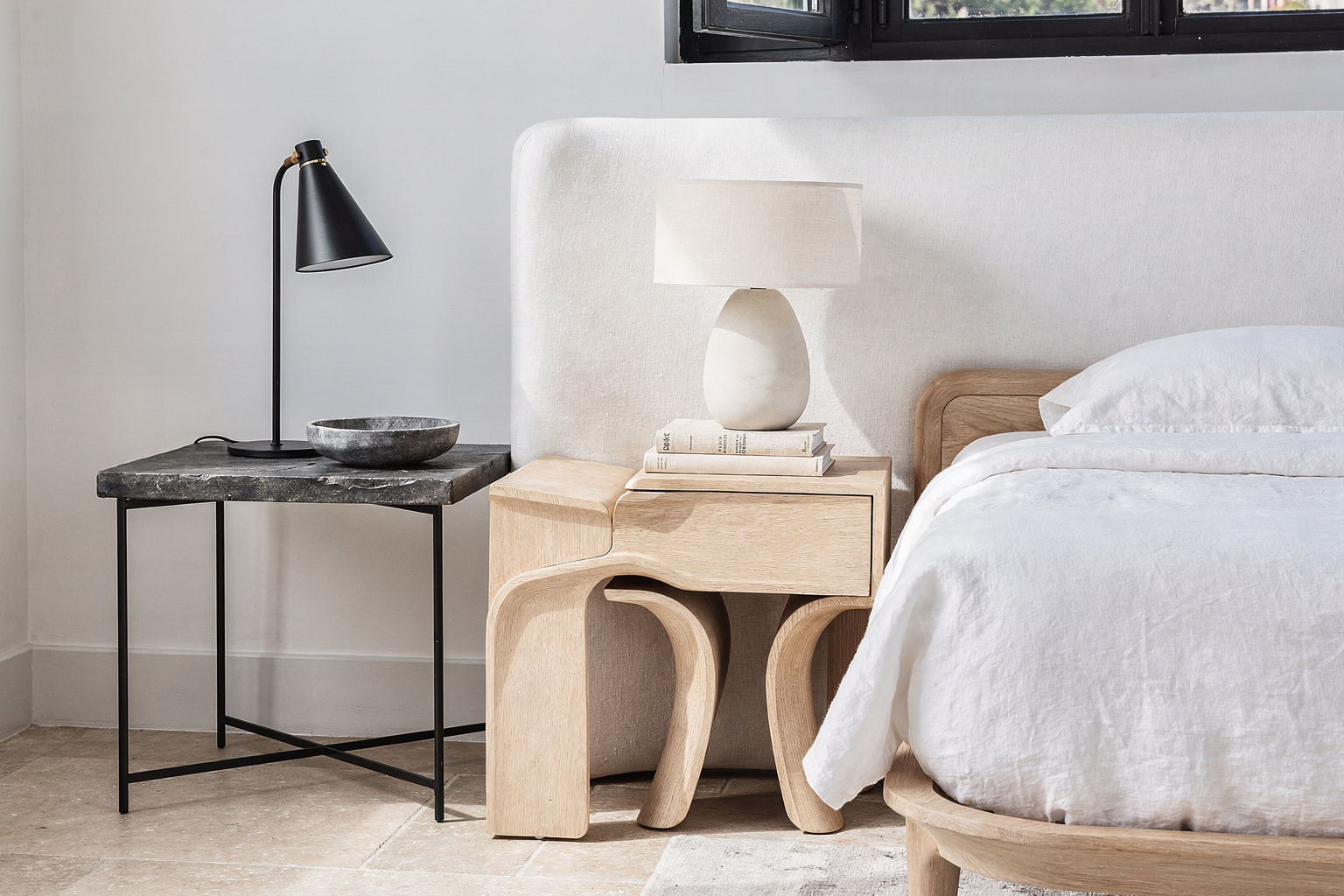
Before diving into specific furniture styles or materials, it’s helpful to define the criteria that truly matter and uphold Parisian bedroom aesthetics.
First, natural, tactile materials are non-negotiable. Linen, oak, and stone bring the calm earthiness and layered textures foundational to Parisian decor. Opting for genuine pieces over synthetic imitations maintains integrity, supporting visual balance and tactile interest.
Second, scale and proportion must align with the room’s layout and ceiling height. Parisian bedrooms often feature generous proportions softened by light, so furniture should be neither too heavy nor too light but effectively grounded with presence.
Third, a neutral, soft color palette unifies the furniture collection. Warm whites, creams, soft greys, and subtle beiges enable flexibility while supporting the light flow and quiet warmth essential to the style.
Lastly, versatility and comfort are core. Thoughtfully shaped seating, beds, and storage should look inviting while functioning well for daily routines. This balance defines a truly Parisian bedroom—poised yet relaxed.
Solid Wood Furniture: The Natural Anchor of Parisian Bedrooms
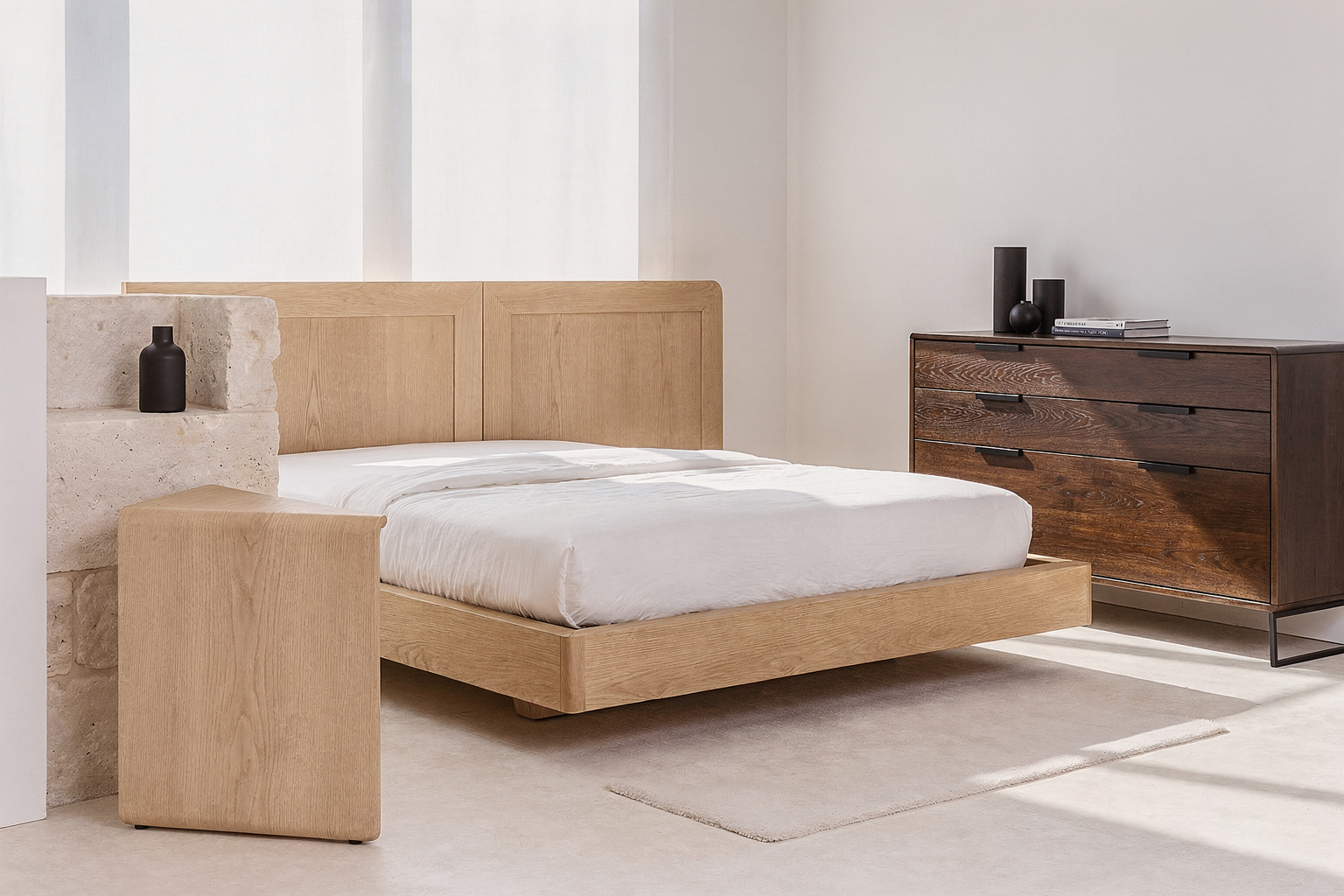
Among options, solid oak furniture has earned its reputation as the backbone of authentic Parisian bedrooms. Oak’s warm tone and tactile grain serve as a grounding visual anchor, harmonizing effortlessly with linen bedding and stone or plaster walls.
Choosing oak nightstands or a low dresser adds subtle structure without overwhelming. The slight irregularities and patina that develop over time lend each piece a collected, well-loved feel—ideal for the lived-in Parisian look.
In placement, group oak pieces where balance and practical reach align. Nightstands should flank the bed at an ergonomic height, while a dresser works best against a main wall to avoid crowding.
Look for refined, pared-back designs rather than intricate carvings. Clean lines maintain the calm and understated character while allowing texture and grain to shine.
Upholstered Versus Ornate Bed Frames: Finding the Right Headboard Style
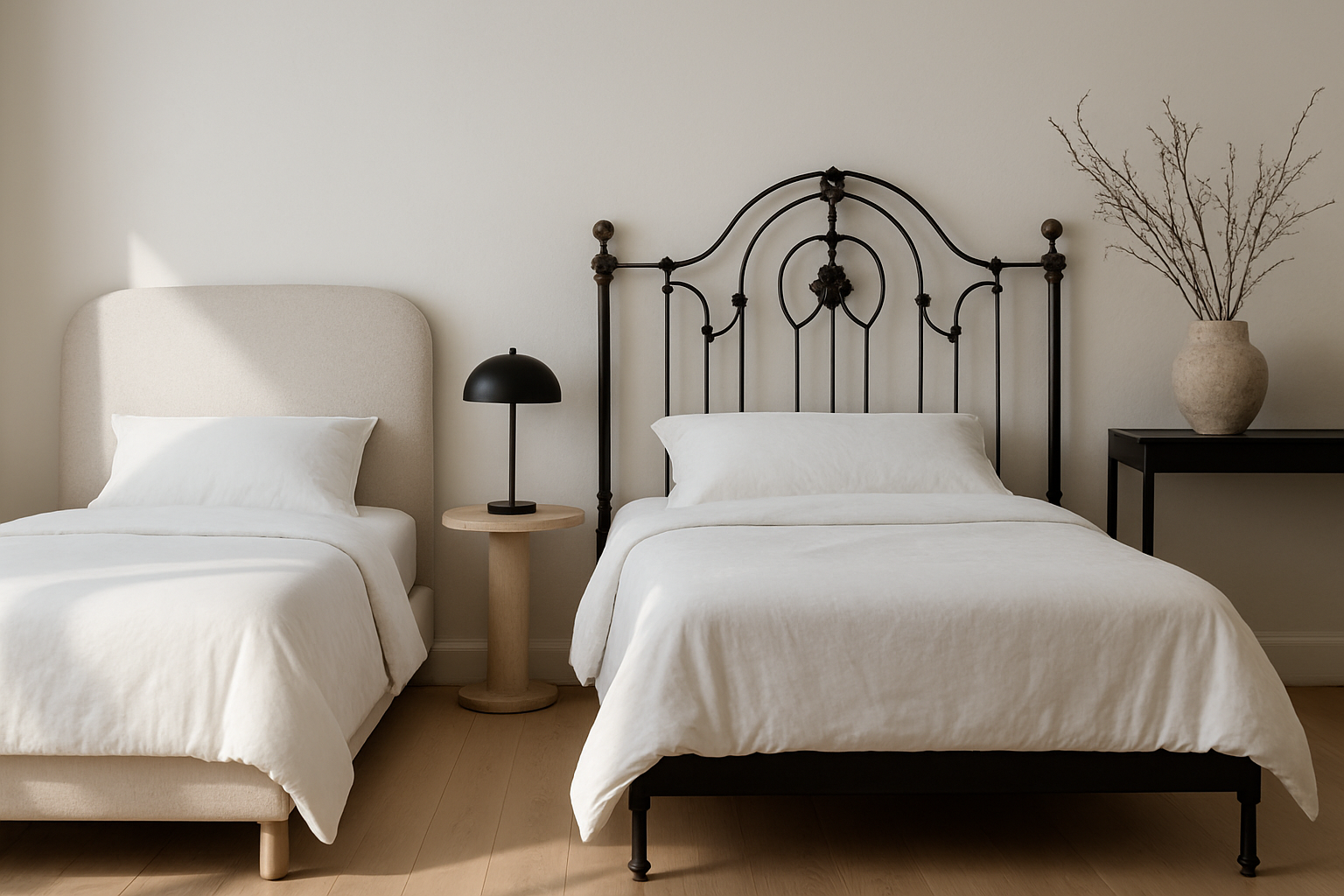
The bed is unquestionably the statement piece in a Parisian bedroom, but the direction between upholstered and ornate wood frames can be a turning point in style expression.
Upholstered beds, especially in linen or boucle fabric shades of cream or beige, contribute softness and tactile layering without competing visually. Their gentle curves or squared silhouettes invite a modern timelessness that feels quietly luxurious.
On the other hand, traditional French rococo-inspired carved wood frames often painted soft white or muted greige offer undeniable charm and a nod to heritage. However, such ornate pieces call for restraint elsewhere in the room to avoid clutter.
When deciding, consider your room’s scale and your lifestyle. Upholstered beds tend to be more forgiving and simple to maintain, while ornate frames add history and personality but may limit versatility.
Adjusting Furniture Choices to Room Size and Layout
Many Parisian bedrooms vary dramatically—from compact city flats to spacious Haussmann-style apartments. Matching furniture to these spatial realities is crucial.
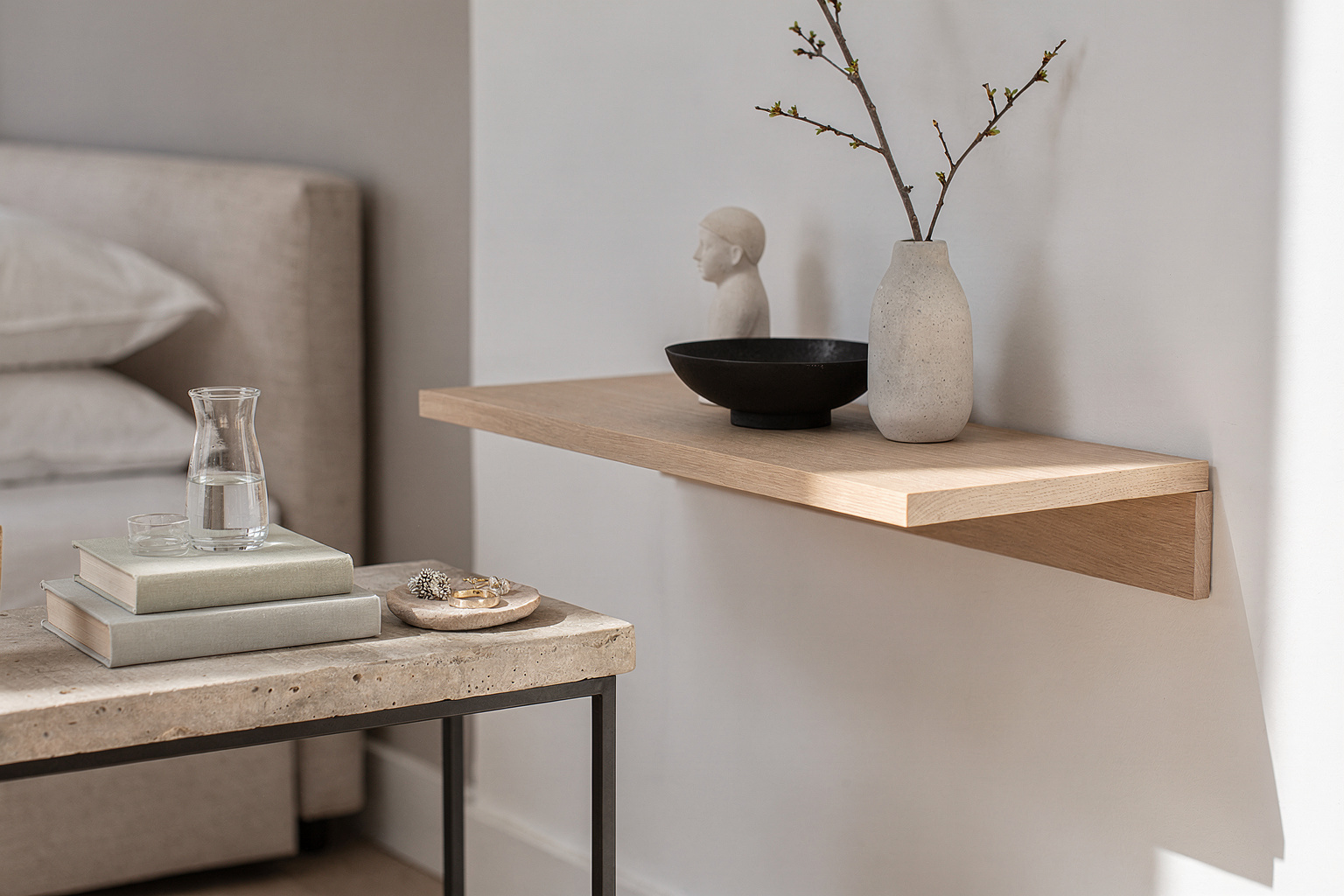
In smaller rooms, opt for streamlined furniture with lighter wood finishes and raised legs to preserve visual flow. Minimalist oak tables and floating shelving keep storage practical without impeding movement.
Larger rooms can support bolder, traditional pieces alongside seating areas or benches at the bed’s foot. Here, balancing proportionality with flow means resisting overcrowding; leave breathing room around pieces to let natural light circulate.
Where ceiling height is generous, taller wardrobes or beds with moderate headboards work well, while low-profile pieces suit standard heights better.
With layout, prioritize functionality—clear paths and an inviting focal point, usually the bed—while layering textures and natural materials to soften geometry.
Narrowing Down Purchasing Decisions: Anchors, Accessories, and Longevity
Once the general style and piece types are settled, focus shifts to refining selections and ensuring every item will endure and suit daily use.
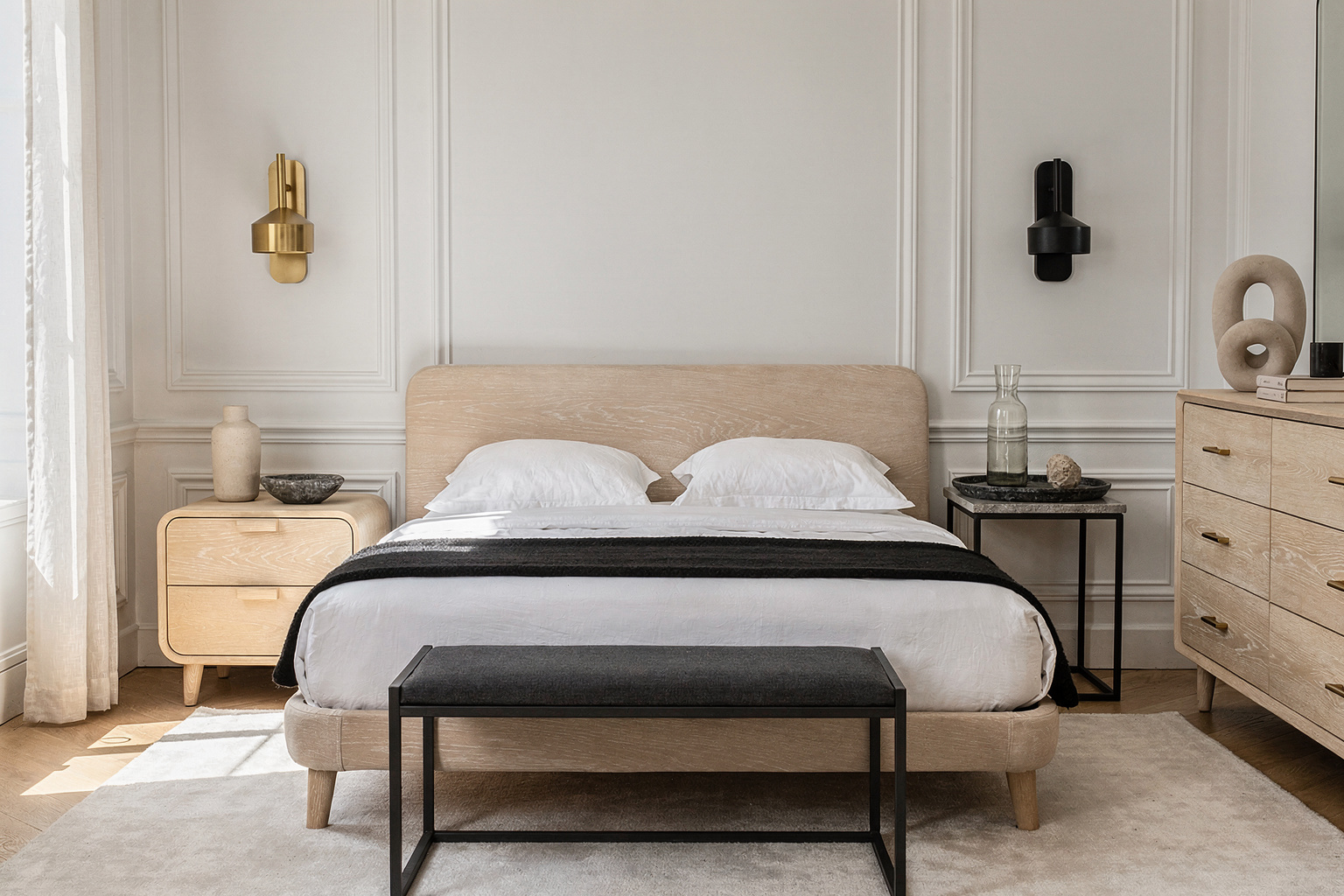
Start by anchoring the room with a quality bed and supporting nightstands or a dresser crafted from the chosen material palette. Pay attention to craftsmanship details such as solid joinery and durable fabric weaves—these quietly support longevity.
Include key versatile accents—a linen throw, a stoneware lamp base, or an oak-framed mirror—to add dimension without clutter.
Avoid overbuying; Parisian bedrooms thrive on a few considered pieces rather than an abundance of furniture. Prioritize comfort and durability over exact matches.
Consider budget honestly. Investing more in foundational pieces like the bed frame ensures you won’t need to replace or overhaul frequently, while supplementary elements can be refreshed more easily.
Frequently Asked Questions
What materials best capture Parisian bedroom style?
Natural materials like oak for furniture, linen for upholstery and bedding, and stone or plaster accents capture the understated elegance and texture layering found in Parisian bedrooms.
Can I mix modern and traditional furniture in a Parisian bedroom?
Yes, combining a refined modern linen bed with a classic oak piece can create a balanced layered effect reminiscent of authentic Parisian style—just keep colors and textures harmonious.
How do I choose the right bed size for a Parisian bedroom layout?
Select a bed proportional to your room’s width and allow at least two feet clearance around for comfortable movement and furniture placement.
Are ornate bed frames necessary for Parisian decor?
Not necessarily. While ornate frames reflect historical Parisian elegance, simpler upholstered options in natural fabrics equally evoke the style’s softness and are often more practical.
How important is lighting alongside furniture choice in Parisian bedrooms?
Lighting is crucial. Natural daylight enhances the soft neutral palette and textures, so positioning furniture to optimize light flow helps emphasize the room’s quiet warmth.
Conclusion
Choosing the best furniture for a Parisian bedroom is a thoughtful process grounded in balancing timeless beauty with everyday comfort. Prioritizing natural materials like oak and linen creates a layered, tactile atmosphere. Deciding between upholstered or ornate beds depends as much on room size and lifestyle as on style preference. Remember, proportion and layout dictate how well furniture anchors the space, while careful selection focuses on quality and subtle detailing. Ultimately, your Parisian bedroom should feel effortless and collected—a quiet haven where each piece supports calm, balance, and light. Starting with well-chosen anchors and layering thoughtfully is the best first step toward a relaxed, timeless Parisian retreat.