
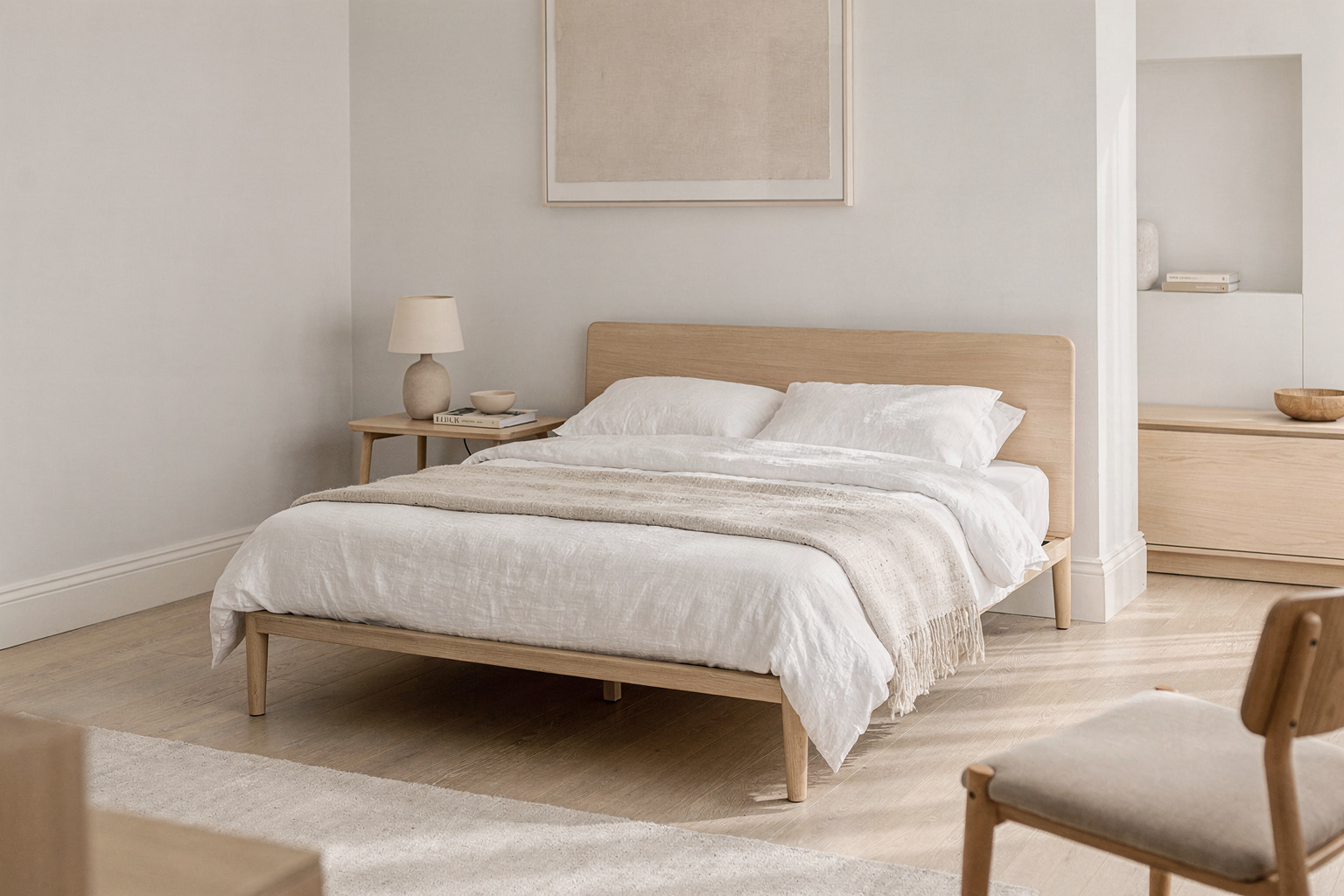
Creating a minimalist bedroom that feels calm and inviting might seem straightforward, but choosing the right furniture can actually be a nuanced challenge. A minimalist bedroom isn’t just about having fewer things; it’s about selecting pieces that balance form, function, and comfort without crowding the space. With so many options—from various materials and styles to sizing and layout considerations—knowing which furniture pieces actually fit the minimalist approach can feel overwhelming.
This guide will help you identify the key criteria for selecting furniture that suits a minimalist bedroom and compare thoughtful choices based on material, size, and style. We’ll explore how to align furniture with your room’s layout and budget, and wrap up with practical buying advice to help you confidently select pieces that create a balanced, restful space.
Defining Key Furniture Criteria for a Minimalist Bedroom
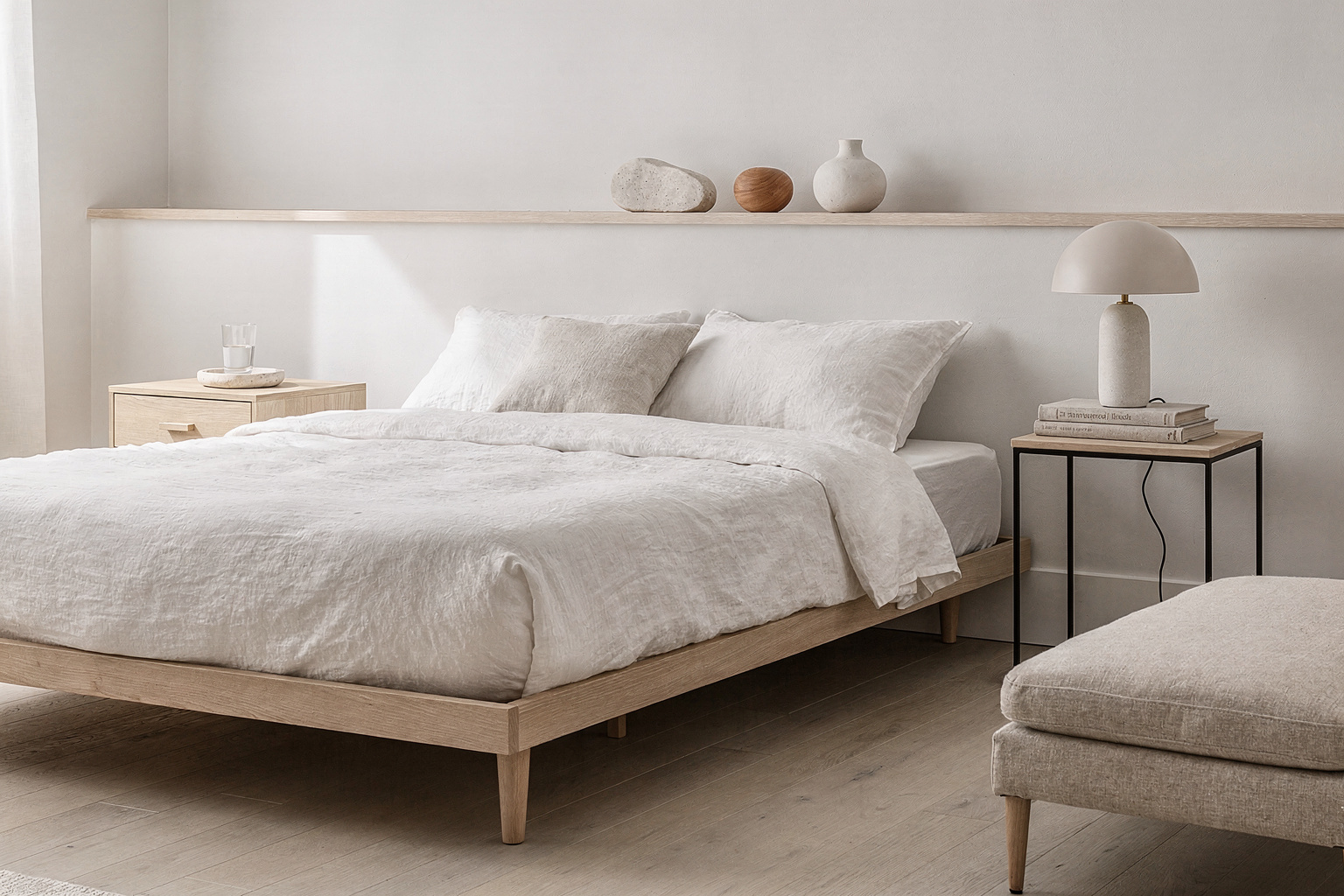
When choosing furniture for a minimalist bedroom, certain standards should guide your decisions beyond simply aiming for ‘less.’ The ideal pieces are those that combine simplicity with purposeful design—meaning clean lines, timeless shapes, and materials that add warmth or texture without visual noise. Proportion matters just as much as style: furniture should fit the scale of the room, allowing enough breathing room around pieces for easy flow.
Neutral or lightly muted color palettes work best here, supporting the calm atmosphere a minimalist space needs. Opt for natural textures like wood or linen that add a subtle tactile contrast, rather than shiny or overly reflective surfaces that can break the quiet mood. Storage elements should be as streamlined as possible—built-in drawers or sleek under-bed options help keep clutter out of sight.
Ultimately, the criteria boil down to form meeting function with restraint: each piece should feel chosen, not collected.
Warm Wood Furniture: Timeless Minimalism with Natural Texture
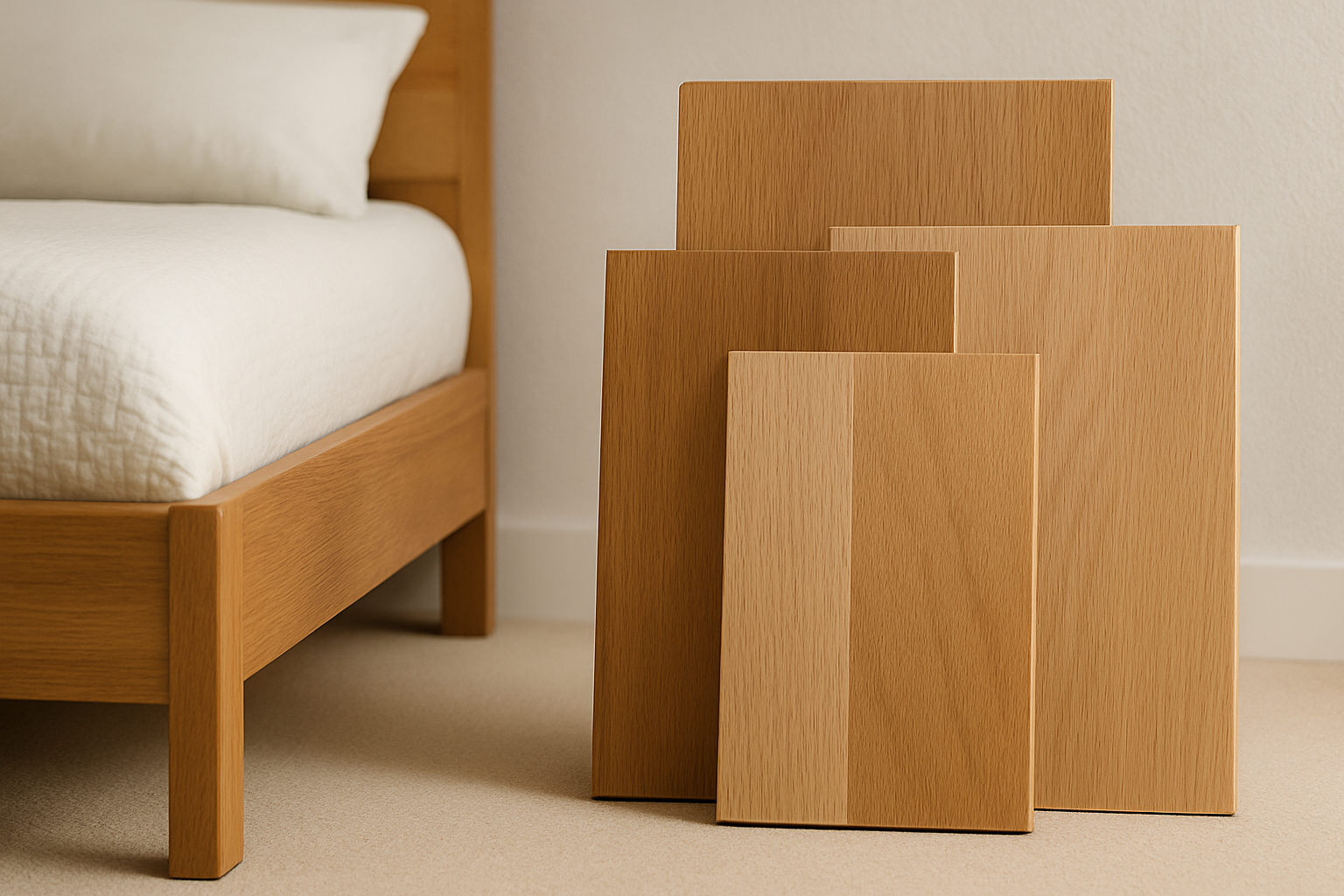
Wood furniture often emerges as a favorite in minimalist bedrooms because it brings in that quiet organic element that prevents the space from feeling cold. Look for light- to mid-tone woods like oak, ash, or beech with matte finishes. These tones pair beautifully with crisp white or soft beige walls, creating a gentle flow throughout the room.
A wooden bed frame with clean, simple lines can act as the subtle anchor. Matching bedside tables or a low dresser with minimal hardware and tapered legs contribute to a cohesive look that’s sophisticated yet inviting. If you’re layering textiles like cotton sheets or a wool throw, this wooden base offers a warm contrast that enhances the lived-in feel.
When choosing wood furniture, consider how its grain and color interact with your bedroom’s lighting throughout the day. Natural daylight enhances those textures, promoting visual interest without cluttering the eye.
Sleek Metal Frames and Modern Minimalism for Contrast and Lightness
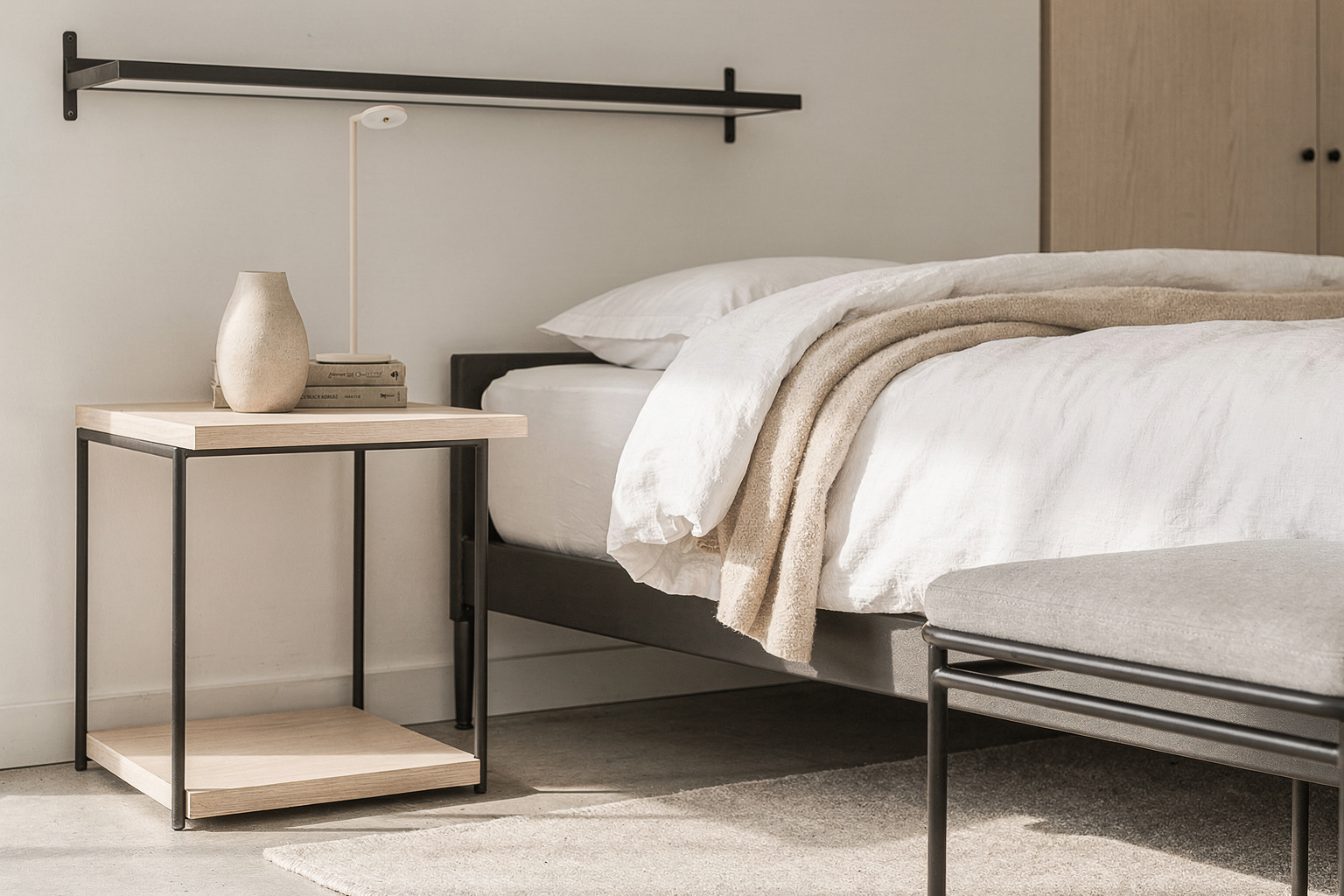
If warm woods aren’t your style, metal furniture offers a different minimalist route—one that’s airier and often more sculptural. Frames in black, matte gray, or muted brass create subtle contrast against light walls, anchoring the room with a bit more edge.
Metal beds with slim profiles help open the space visually, especially in smaller bedrooms. Pairing these with side tables or chairs that incorporate metal and glass or muted wood surfaces introduces a layered material mix without overwhelming the senses.
This choice suits modern, graphic minimalist layouts where soft contrast is key. It can feel cooler than wood, so soften the effect by adding plush rugs or woven blankets in calm, neutral tones to balance the sharper visuals.
Metal options often possess modular or versatile characteristics, making them easy to update or adapt to new styles, which aligns perfectly with the minimalist desire for long-term flexible pieces.
Matching Furniture Choices to Bedroom Size and Layout Constraints
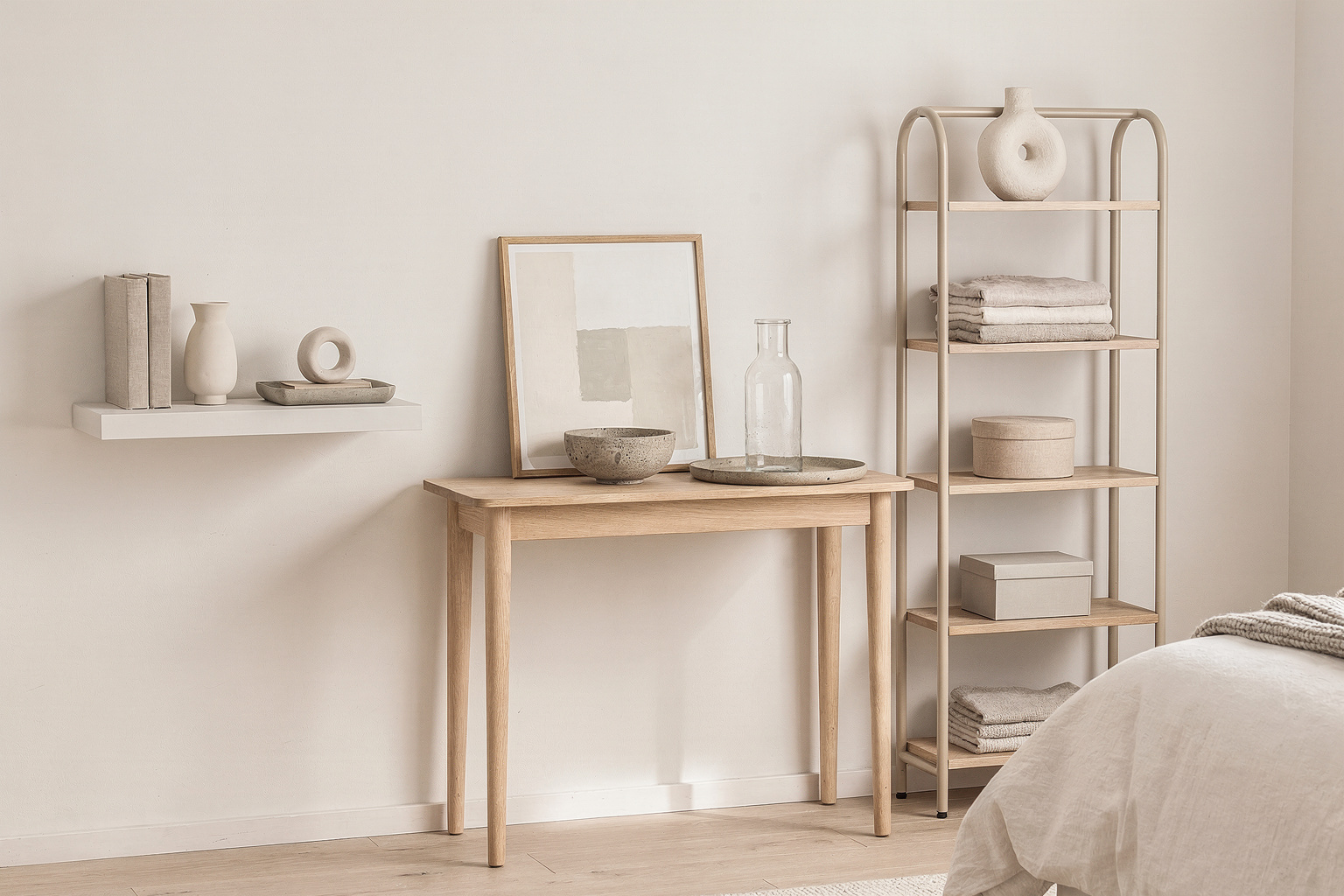
The size and layout of your bedroom play a crucial role in deciding which minimalist furniture will work best. Oversized or overly ornate pieces can disrupt the clean visual balance that minimalist decor depends on, especially in smaller rooms.
For compact spaces, focus on scaled-down furniture with sleek profiles. Consider low-profile beds that keep the sightlines open, or bedside tables with open shelving to reduce bulkiness. Multi-functional items, like beds with built-in storage or ottomans that double as seating and storage, maximize practicality without adding clutter.
In larger rooms, you have more freedom but still should avoid overfilling the space. Larger simple shapes, such as platform beds with wood or metal, paired with a few well-chosen pieces, maintain that sense of quiet order. Thoughtful spacing between pieces emphasizes flow and light.
Where possible, measure your room carefully before committing—the best minimalist furniture fits the rhythm of your space, not just the aesthetic ideal.
Smart Buying Tips to Narrow Your Furniture Selection with Confidence
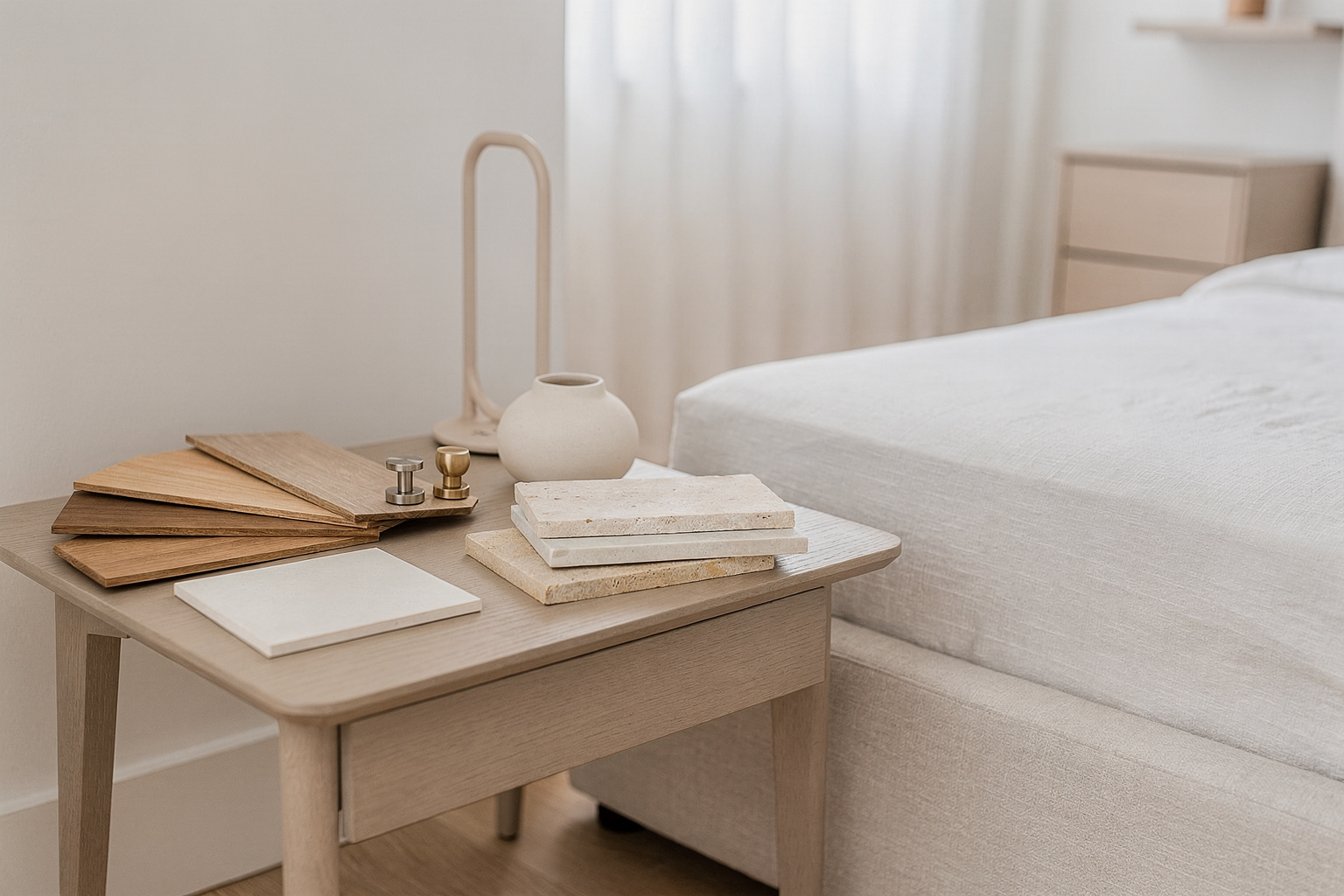
With your criteria refined and your style and space needs clear, narrowing down minimalist furniture feels much more manageable. Start by listing essentials first: bed, bedside surface, and a dresser or wardrobe if needed. From there, prioritize materials and finishes that complement your existing decor and lifestyle.
Consider the lifespan of the piece—not just physical durability but visual timelessness as well. Avoid fads by opting for classic shapes and subdued colors that blend easily with seasonal changes or added accents.
Test comfort and functionality upfront, especially for beds and seating. A minimalist bedroom should support restful sleep and ease of use, not sacrifice these for looks alone.
Often, mixing one standout element—a wood bed or a metal side table—with simpler counterparts creates a layered but intentional look without fuss. Finally, remember that minimalist bedroom decor is about editing and curating over time; be ready to live with your choices and tweak smaller accents as your style evolves.
FAQ
What size bed is best for a minimalist bedroom?
A bed that fits your room proportionally is best; queen-sized beds suit most average spaces, but smaller rooms benefit from full or twin sizes. Keep a clear margin around the bed for ease of movement.
Are storage beds recommended for minimalist bedrooms?
Yes, they help keep clutter out of sight and maintain a streamlined look, but make sure the design stays simple and the storage isn’t visually bulky.
How important is color when choosing minimalist bedroom furniture?
Color is key—neutral, muted tones create a restful backdrop and allow for layering textures and accents without disrupting the calm mood.
Can I mix wood and metal furniture in a minimalist room?
Definitely. Combining warm woods with sleek metals offers visual balance and material contrast while keeping the space clean and lived-in.
What textures work well alongside minimalist furniture?
Natural fabrics like linen, cotton, or wool add softness and tactile interest that complements minimalist wood and metal furniture effectively.
Choosing the best furniture for a minimalist bedroom centers on balancing simplicity with comfort and scale. Start with clear criteria around materials, color, and proportion, then explore options like warm woods or sleek metal frames tailored to your room’s size and style. The goal is to build a restful, uncluttered space that feels collected but not rigid—where every piece feels chosen to support a calm and functional sanctuary. Approach selections thoughtfully, prioritize essentials first, and trust that a layered, well-edited approach will create the quiet warmth a minimalist bedroom should offer.