
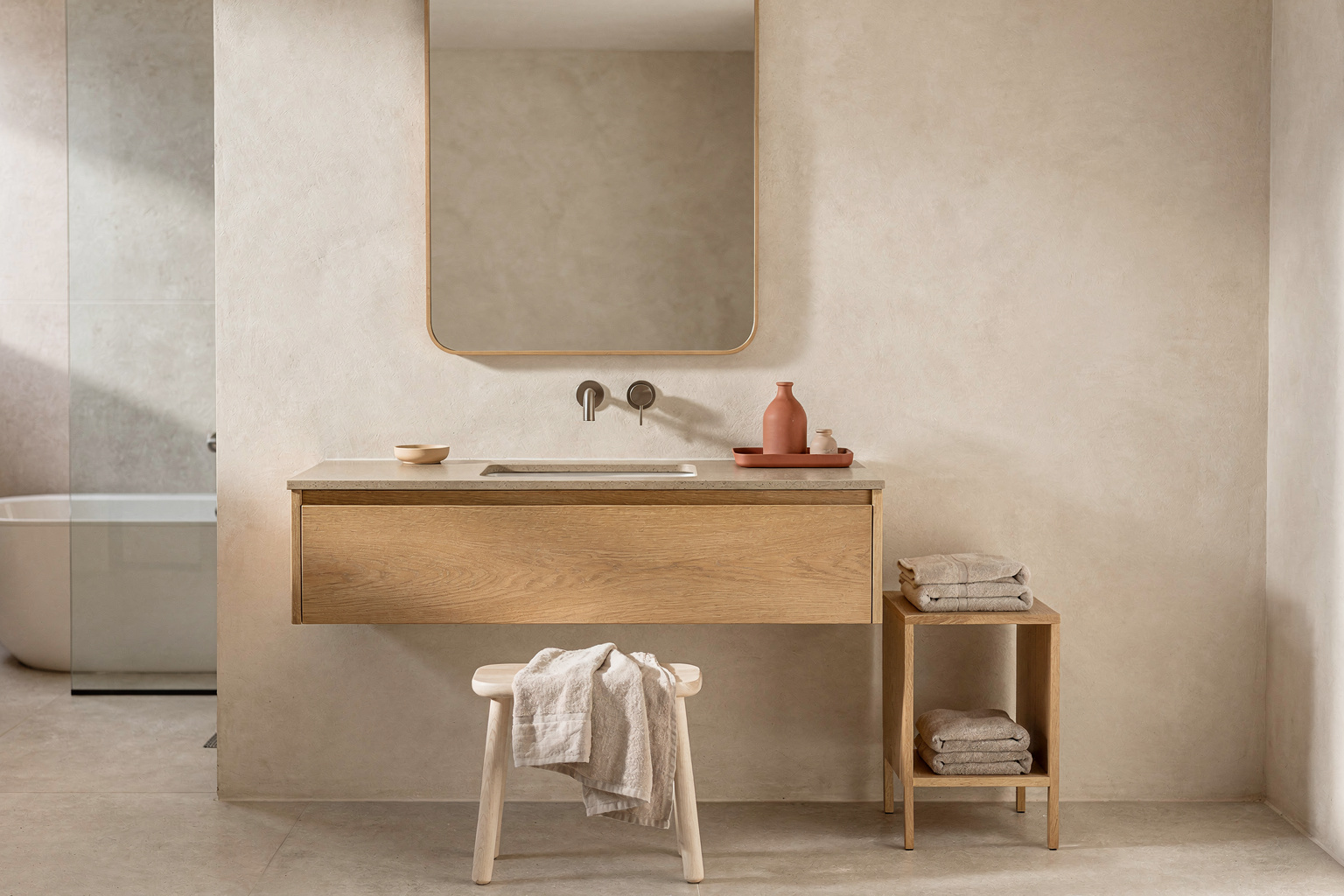
Minimalist bathrooms feel fresh and calming, but choosing furniture that supports this simplicity isn’t always straightforward. The trick lies in picking pieces that balance style with function, keeping the space uncluttered yet inviting. With minimalism, every item must earn its place by contributing to the room’s clean flow and practical needs. The best furniture for a minimalist bathroom isn’t just about looks — it’s also about how well it serves daily use and fits your bathroom’s layout.
This guide walks you through the key criteria that make certain furniture stand out, compares popular materials and styles, and helps you match choices to real-life challenges like size and budget. By the end, you’ll have a clear way to choose furniture that holds a quiet presence, layering texture, warmth, and thoughtful storage into your minimalist bathroom.
Prioritizing Practicality and Proportion in Minimalist Bathroom Furniture
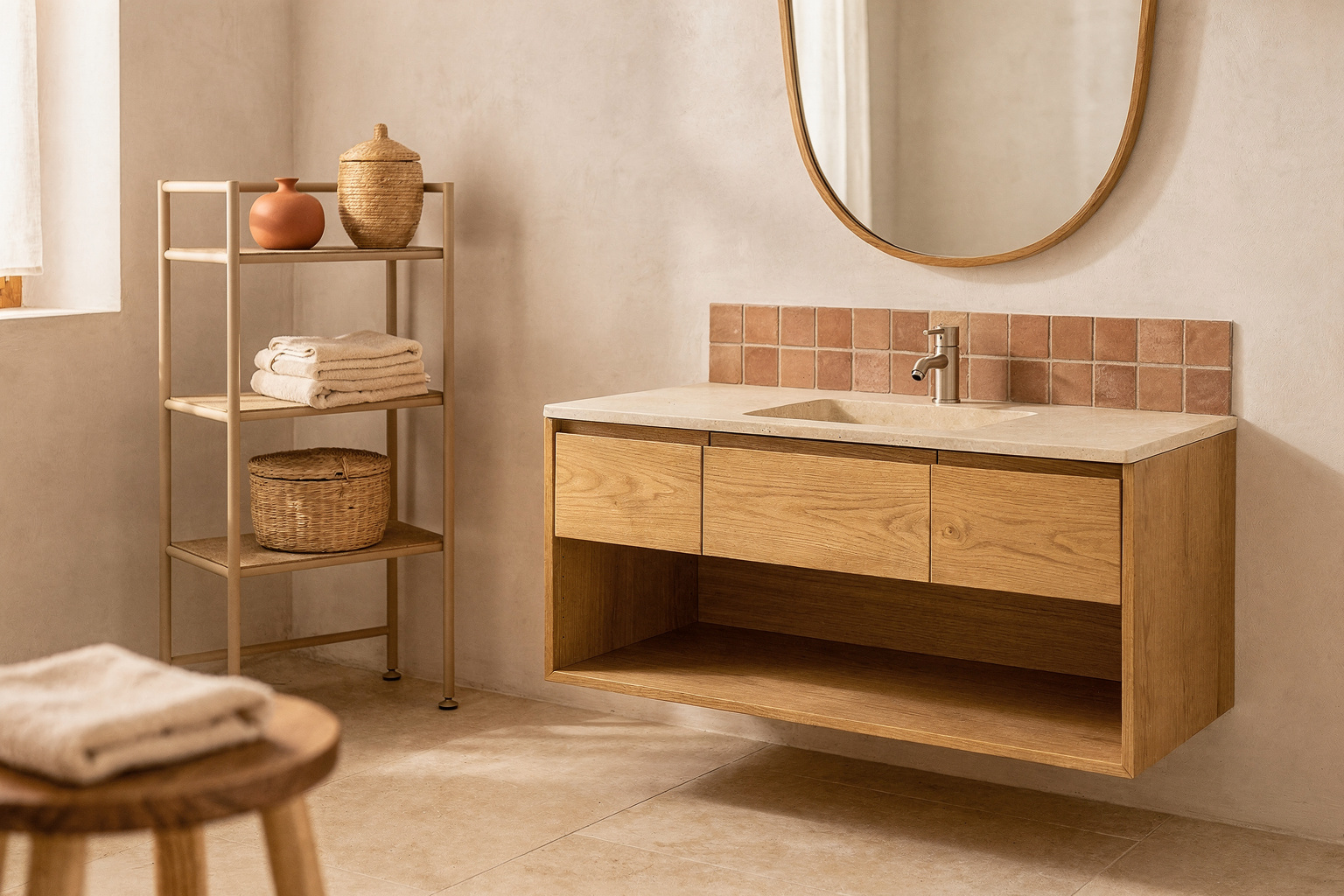
When working in a minimalist bathroom, the most essential criteria for furniture selection are practical size and clear proportion. Minimalism is about stripping back visual clutter, so furniture that feels too bulky or over-scaled disrupts the serene layout. Instead, prioritize slim profiles and streamline forms.
Floating vanities and open shelving offer airy footprints that leave floor tiles visible, which visually expands the space. Keep hardware minimal—simple knobs or integrated pulls avoid interrupting clean lines. Consider pieces with built-in storage that can hide everyday items neatly, maintaining a calm look.
Material choice also supports practicality here: moisture-resistant woods like teak or laminate finishes balance warmth with durability. Neutral tones such as soft greys, muted whites, or natural wood hues keep the palette light and easy to layer with towels or accessories. The aim is furniture that fits comfortably without overwhelming, creating a quiet stage for the room’s overall layout and light flow.
Warm Wood Furniture: A Minimalist Favorite with a Natural Touch
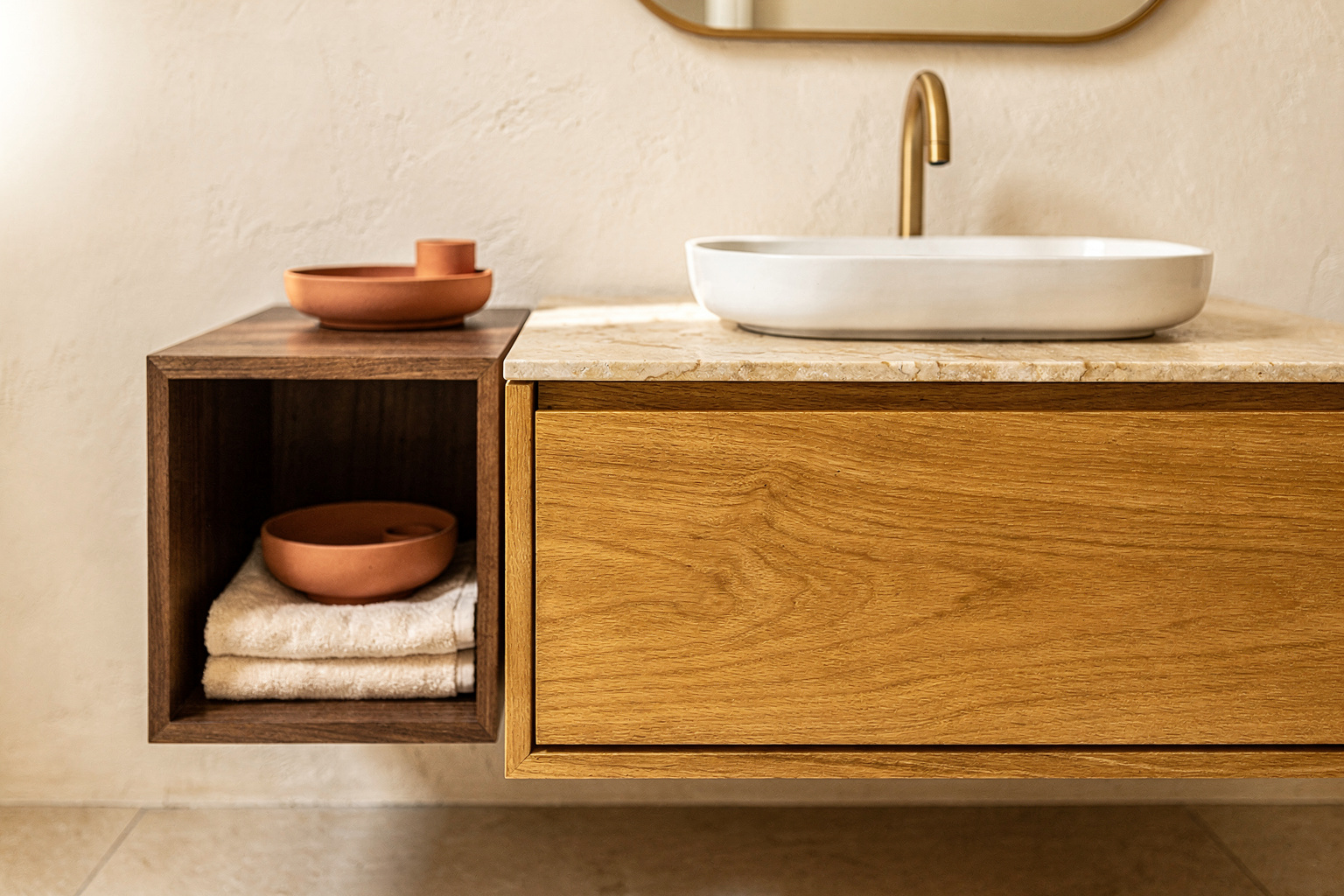
Wood remains a standout for minimalist bathrooms because it adds softness and natural texture to an otherwise pared-back space. Lean toward light woods like oak, ash, or beech with matte finishes that feel organic and unpolished — these bring a quiet warmth that contrasts beautifully with clean white tiles or stone countertops.
Wood furniture in minimalist rooms works best when it’s simple in shape and detail—think flat-panel cabinet doors or open shelves that reveal carefully curated essentials. The tactile grain pattern lends character without demanding extra decoration.
Styling tip: Layer soft white or stone-colored textiles nearby to complement the wood tones. Matte black or brushed brass fixtures add subtle contrast without breaking the calm rhythm. Keeping wood furniture off the floor, such as wall-mounted vanities, helps preserve the sense of spaciousness while showcasing the material’s natural beauty.
Sleek Metals and Glass: The Case for Cool Minimalism
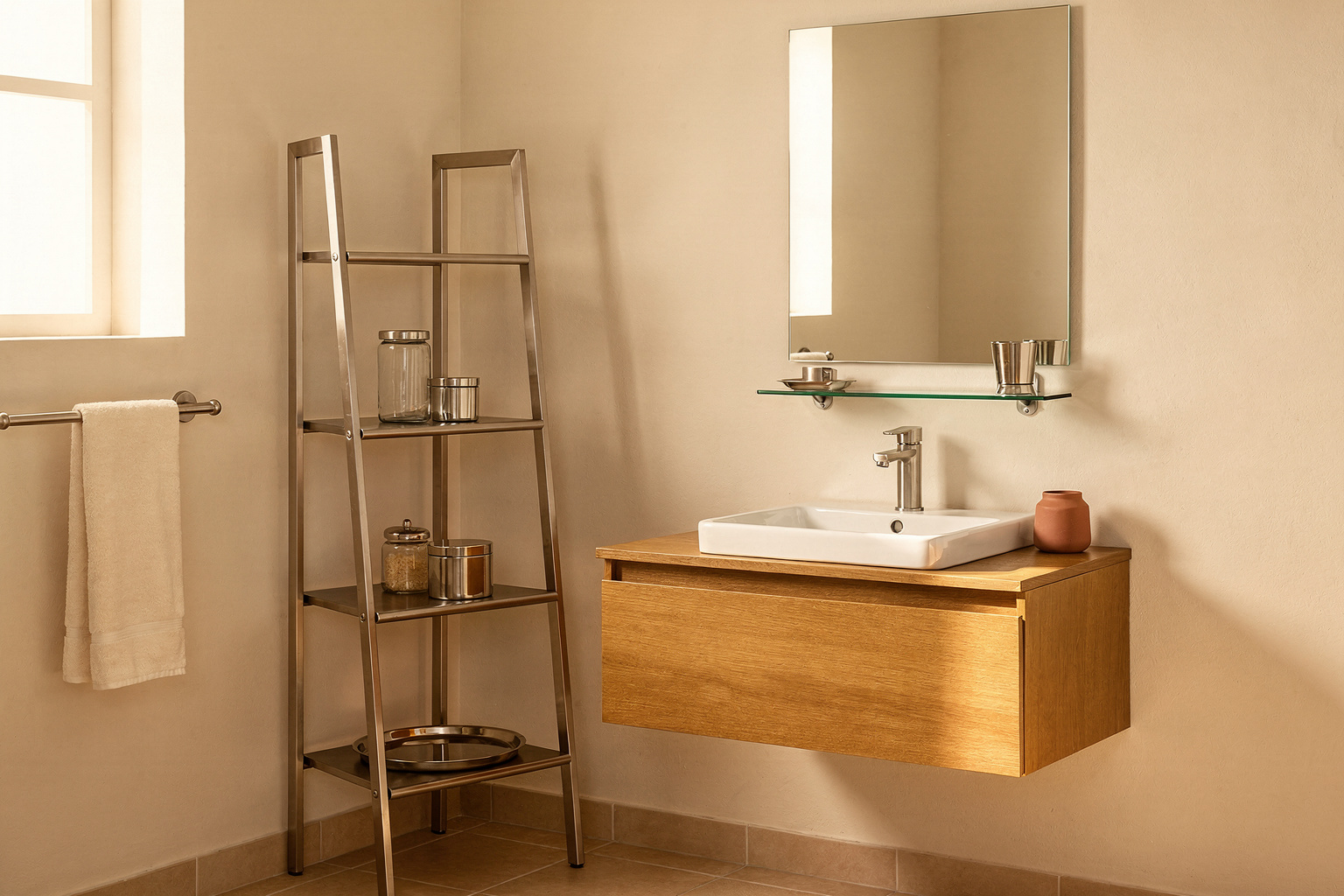
If you prefer a more streamlined, contemporary feel, metal and glass furniture options create visually lighter pieces that support minimalist aesthetics. Lightweight metal frames in black, chrome, or brushed nickel paired with clear glass or polished stone surfaces offer a crisp contrast to warm textures elsewhere.
Vanities or shelving with metal legs make the furniture appear less anchored, increasing the sense of openness. Tempered glass shelves or pull-out organizers maximize storage without compromising the airy vibe.
This approach works especially well in bathrooms with larger windows or ample natural light, where materials can catch reflections and keep the space from feeling closed in. To avoid coldness, soften with warm-toned accessories like woven baskets or terracotta planters.
Selecting furniture in these materials can elevate minimalist bathroom decor by balancing hard and soft elements, reinforcing a quiet modern mood that’s easy to maintain.
Matching Furniture Choices to Your Bathroom’s Size and Layout
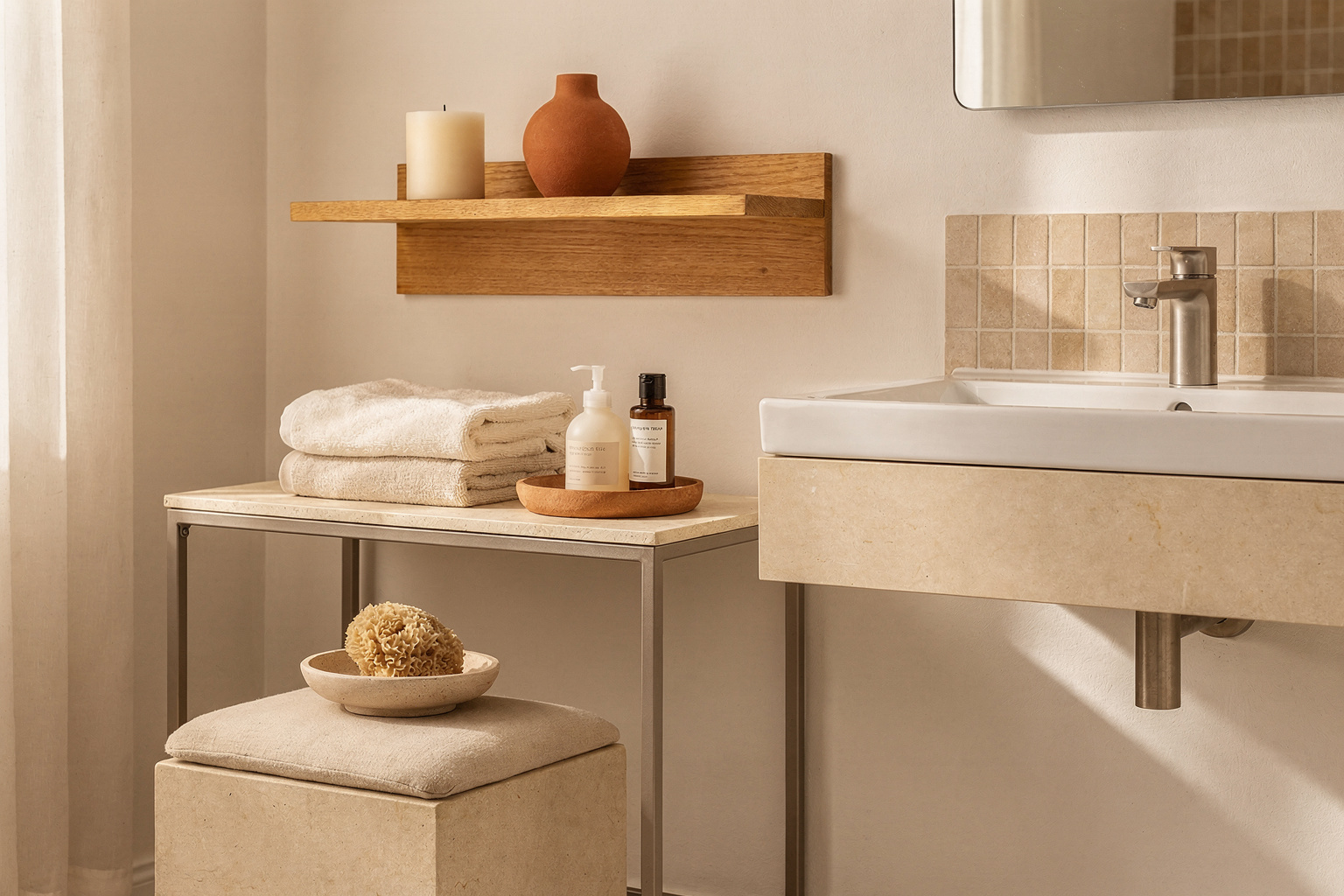
Size and layout often dictate what furniture options work best in a minimalist bathroom. In smaller spaces, compact and multi-functional pieces are non-negotiable. Narrow vanities, corner storage, or mirrored cabinets can provide essentials without crowding floor space.
If your layout allows, floating furniture not only saves visual space but also keeps cleaning simpler and supports light flow. L-shaped vanities or custom cabinetry that work with unusual corners can optimize awkward footprints.
Budget also plays a role here; flexible, ready-to-assemble furniture options can deliver stylish minimalist looks without the price tag of bespoke pieces. Look for quality finishes and moisture-resistant materials to ensure longevity.
Color plays a subtle but powerful role—lighter furniture surfaces will make the bathroom feel more spacious, while a carefully placed darker accent piece can add soft contrast and depth without complicating the minimalist scheme.
Confident Buying: How to Narrow Down Your Minimalist Bathroom Furniture Options
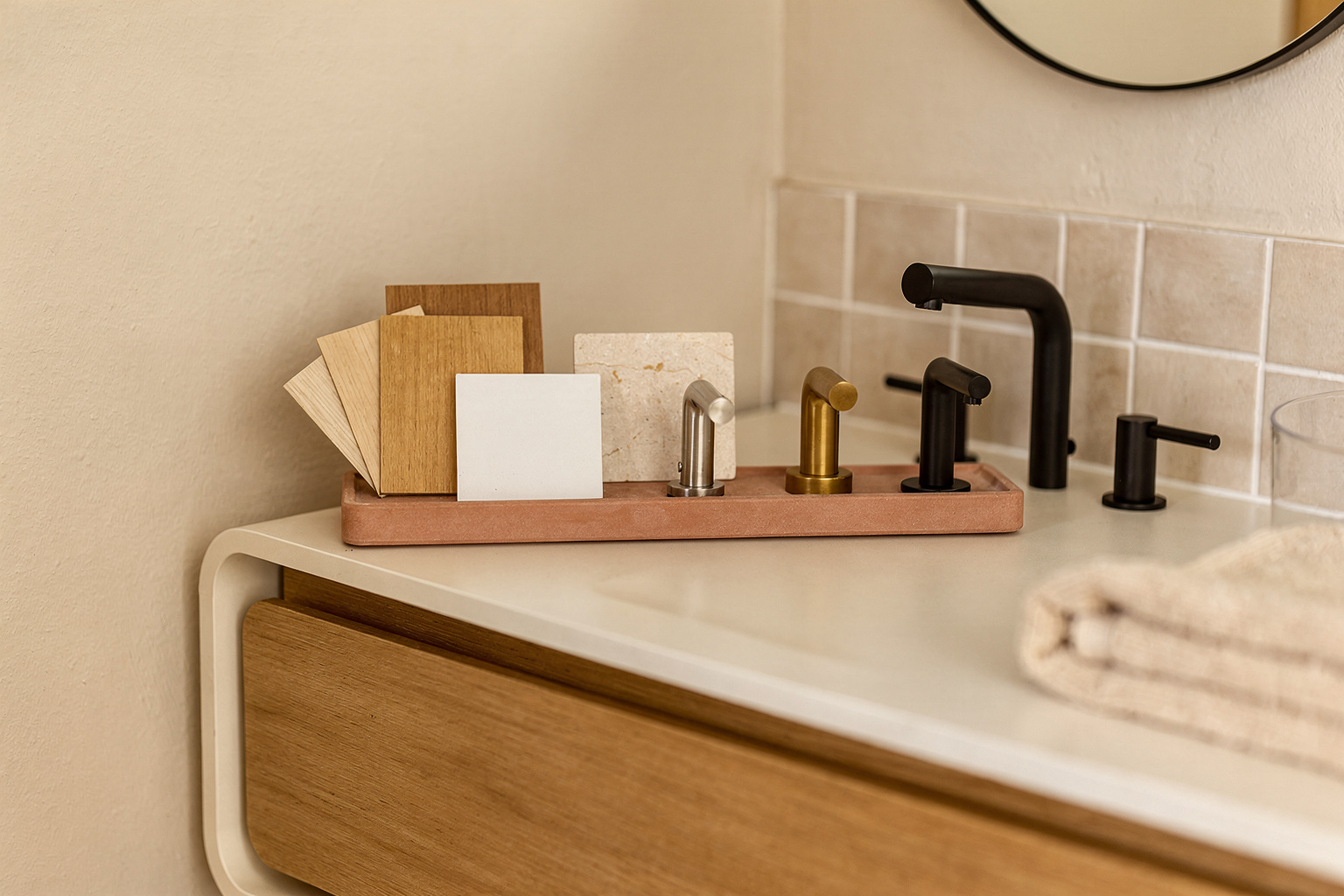
With so many choices, narrowing down minimalist bathroom furniture can feel overwhelming, but a confident selection comes from balancing your criteria with your lifestyle. Start by listing your must-have functions: storage needs, cleaning ease, and durability in humid environments.
Consider material maintenance too—wood with a matte, treated finish is cozy but requires occasional upkeep, while metals and glass surfaces are easier to clean but can feel cooler.
Next, hold your room’s size and style context front and center. In small or irregular bathrooms, custom or modular furniture that adapts to available wall space beats standard sets. Budget-wise, investing in a timeless, well-made vanity or shelving unit pays off over replacing trendy but flimsy pieces.
Finally, remember minimalist spaces thrive on restraint. Avoid overfurnishing even if a piece looks appealing. Select options that support your daily routine and highlight the room’s light, texture, and flow without filling every corner.
Frequently Asked Questions
What’s the best material for minimalist bathroom furniture?
Wood with moisture treatment offers warmth and texture, while metals and glass provide a sleek, modern edge. The best fit depends on your room’s light, size, and maintenance preferences.
Can I mix wood furniture with metal in a minimalist bathroom?
Yes. Combining warm wood finishes with cool metal frames gives contrast and dimension without disrupting minimalist calm, especially when color tones stay neutral.
How do I choose furniture for a small minimalist bathroom?
Look for floating or narrow-profile pieces with built-in storage to maintain openness. Mirrors and clear shelving can enhance space visually.
Is open shelving good for minimalist bathrooms?
Open shelving works well if you keep items curated and tidy. It visually lightens the room but requires regular upkeep to avoid clutter.
How should color guide furniture choices in minimalist bathrooms?
Stick to a limited palette—light woods, soft greys, and whites create a sense of quiet flow. Use darker accents sparingly for soft contrast.
Choosing the best furniture for a minimalist bathroom always comes down to balancing scale, finish, and practical function against the room’s unique needs. The right piece feels intentionally placed — it supports your daily routine, reflects your style without excess, and contributes to a calm, layered atmosphere. Focus your choices on practical sizing, natural materials, and quiet color contrasts to build a space that’s both flexible and inviting. This thoughtful approach will create a minimalist bathroom that feels both fresh and genuinely lived-in.