
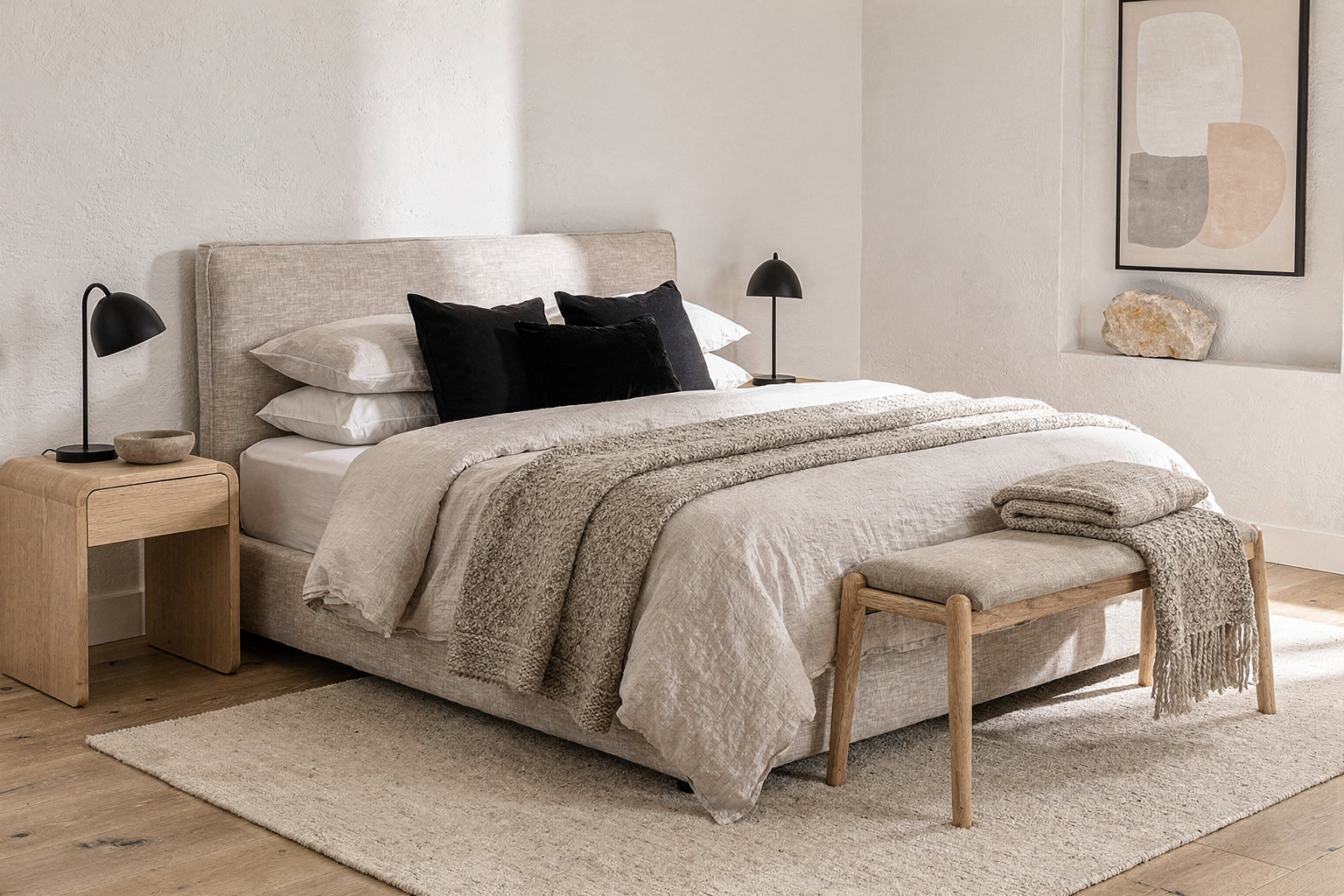
A cottage bedroom is meant to feel like a gentle retreat — calm, layered, and inviting with a lived-in warmth that feels unforced. Texture plays a huge role in this, bringing softness, dimension, and visual interest, but it’s all too easy to go wrong. Without a clear plan, textures can either blend into a flat, one-note mess or create a cluttered, mismatched jumble that disrupts the room’s flow.
These texture mistakes are surprisingly common, especially because cottage bedrooms invite so many natural materials and tactile fabrics. Sticking to a few thoughtful combinations and playing with scale and color contrast will bring the cozy, curated feeling that defines cottage style. In this article, we’ll look at five texture missteps to avoid—each with a practical fix that helps your bedroom feel balanced but still wonderfully layered.
When Uniform Textures Flatten the Room
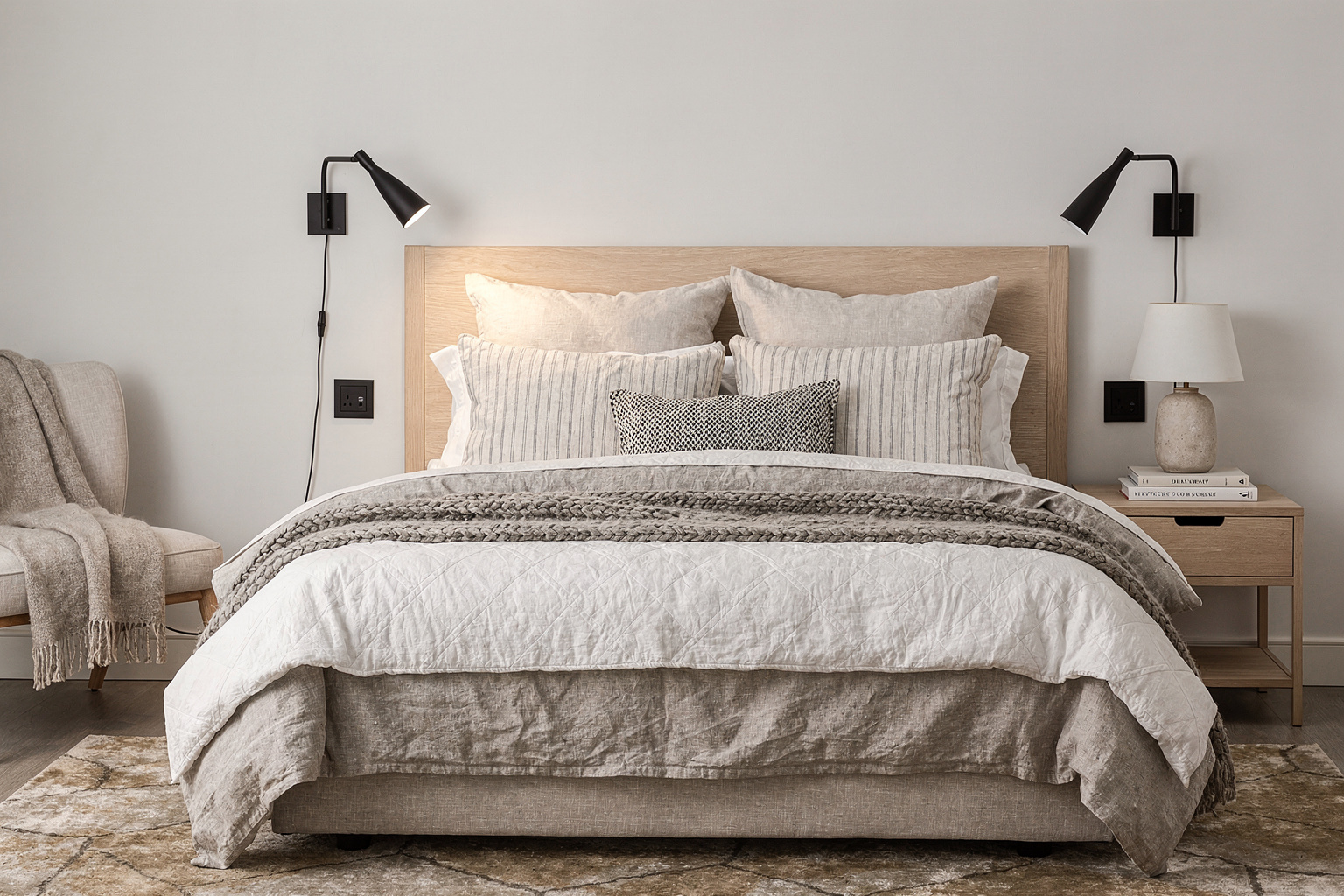
A common mistake in cottage bedrooms is relying on one dominant texture—like soft cotton bedding everywhere or heavy linen paired with similar weave curtains. While these materials are beautiful, layering variations of the same texture and weight can make the whole room feel flat and uninspired.
Why does this happen? The eye needs contrast in texture and density to pick up visual depth and break up large surfaces. When everything blends similarly, you lose that subtle play of light and touch that makes a room inviting.
The fix is to introduce a mix of texture weights and finishes. For example, if your bedding is linen, layer it with a chunky knit throw to add dimension, or sprinkle in cushions with a nubby weave or velvet for softness with a slight sheen. Wood or rattan accents add yet another tactile element—think a bedside tray or basket. This approach keeps things grounded but richer without feeling busy.
Avoid Overloaded Textures in Small Cottage Bedrooms
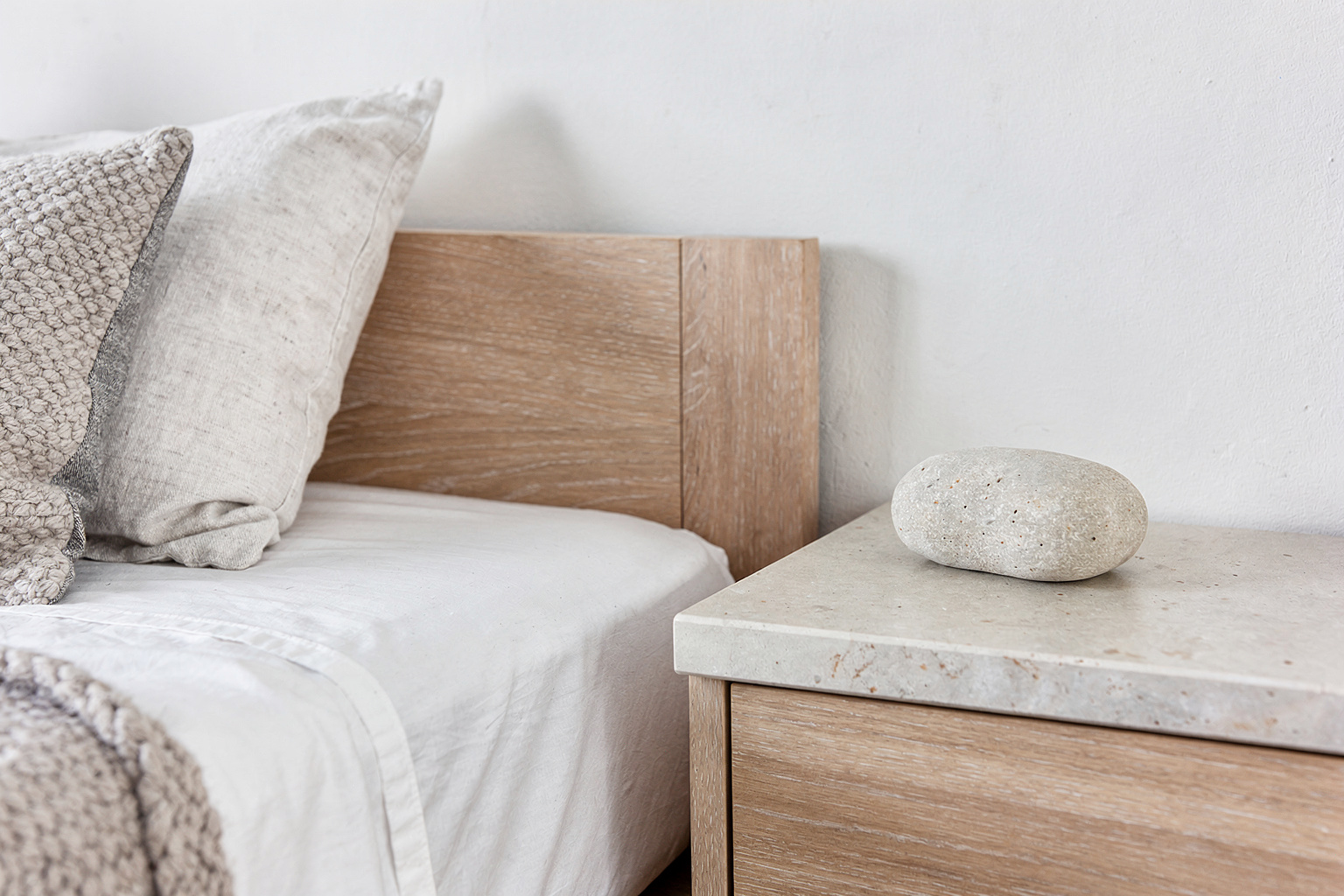
Small bedrooms, which are common in cottages, are especially vulnerable to feeling cramped if you pile on heavy or bulky textured elements. A thick wool rug, chunky blankets, oversized cushions, layered curtains, and heavy upholstery all at once can overwhelm the space, making it feel cluttered rather than cozy.
Why does texture overload happen here? In tight quarters, too many dense or large-scale textures fight for attention and shrink the room visually.
To fix this, balance is key. Stick to lighter, airier textures on most surfaces—think crisp cotton sheets or smooth linen curtains. Then introduce one or two carefully chosen statement textures, like a soft cashmere throw or a textured ceramic lamp base. Keep rugs lower pile or in a simple weave, and avoid too many bulky accessories. This creates a layered look without sacrificing space and flow.
Mismatched Texture Styles That Clash
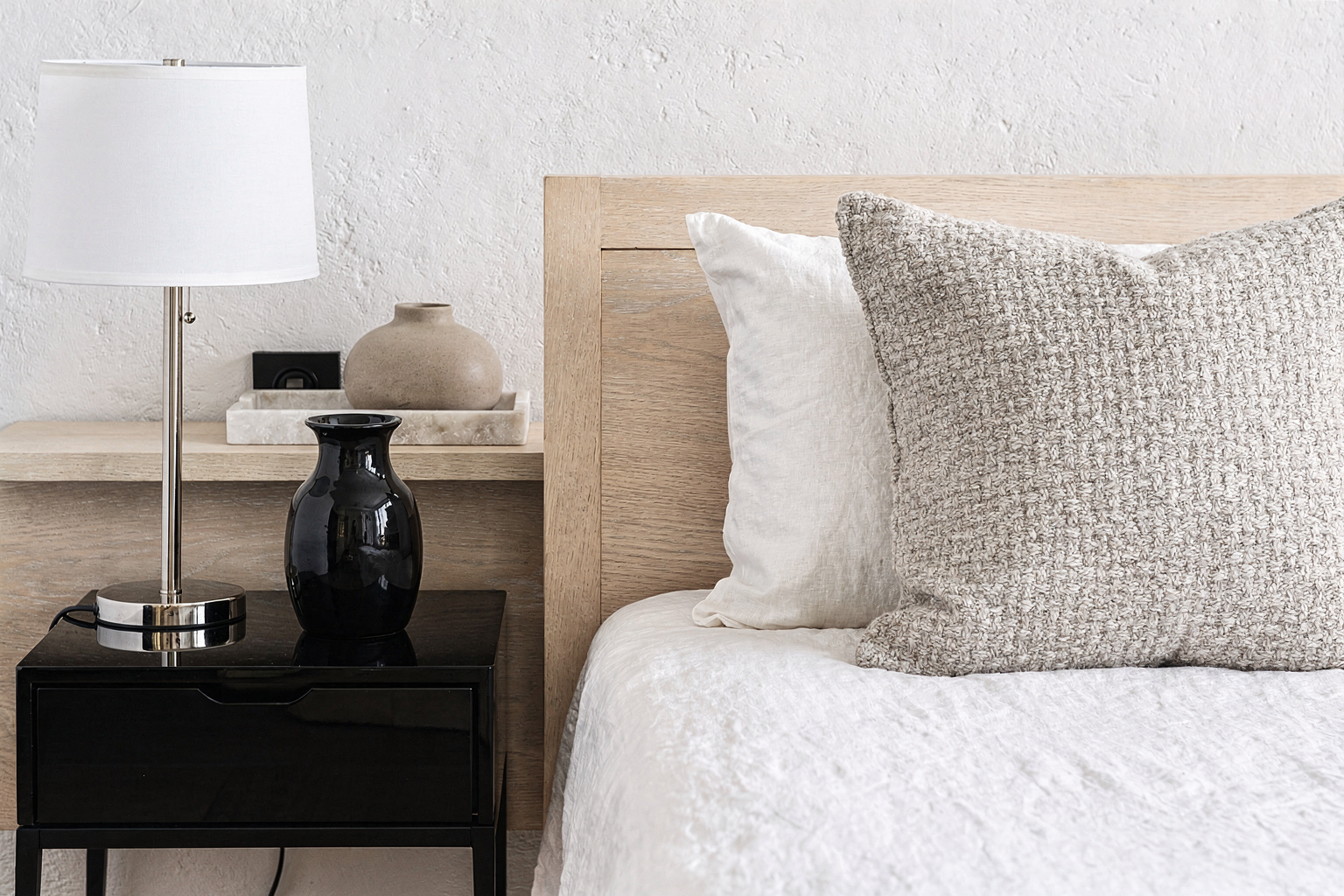
Another frequent mistake is mixing textures without considering the overall style harmony. For example, pairing rustic, raw textures like rough wood and burlap alongside sleek, shiny velvets or high-gloss metals can feel stylistically disjointed, breaking the cottage bedroom’s warm, collected vibe.
Why does this issue occur? Cottage decor thrives on a relaxed, slightly timeworn feel that blends softness with natural finishes. Introducing textures from very different style worlds can jar the eye and undermine the aesthetic cohesion.
The fix here is to stick within a related texture family that complements cottage style while still giving variety. Favor materials like washed linens, soft wools, warm wood grains, rattan, and subtle ceramics. When introducing a richer texture like velvet, opt for muted tones and soft nap finishes. This keeps the mood grounded and true to cottage decor’s easy grace.
Scale Mistakes: When Textures Overpower the Space
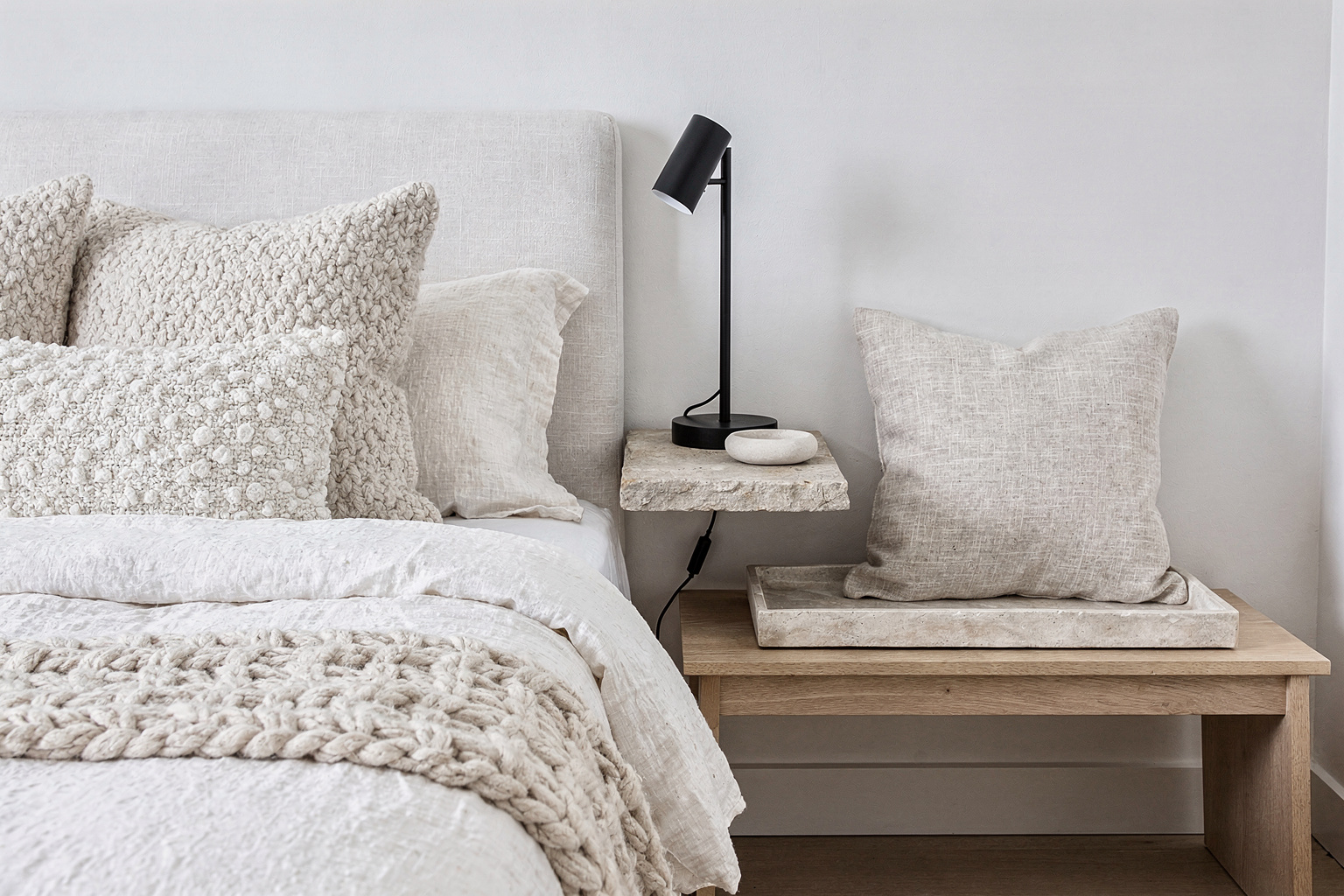
Texture is not just about material but also scale—large, chunky textiles in a petite cottage bedroom can throw off balance by dominating the room and making smaller pieces disappear.
Why does scale matter? Contrast in texture density paired with appropriately sized items creates rhythm and visual balance. Overly large knits, oversized pillows, or thick carpets can swallow delicate linens or fragile furniture, leaving the room feeling heavy or unplanned.
To fix this, pay attention to proportion. Use smaller textured throws or woven pillows alongside your bed linens instead of large chunky knits. Opt for rugs with a smoother weave or subtle patterns that don’t compete visually. Layering should feel light and purposeful, inviting touch without overwhelming.
Skipping Visual Rest Areas in Your Texture Layers
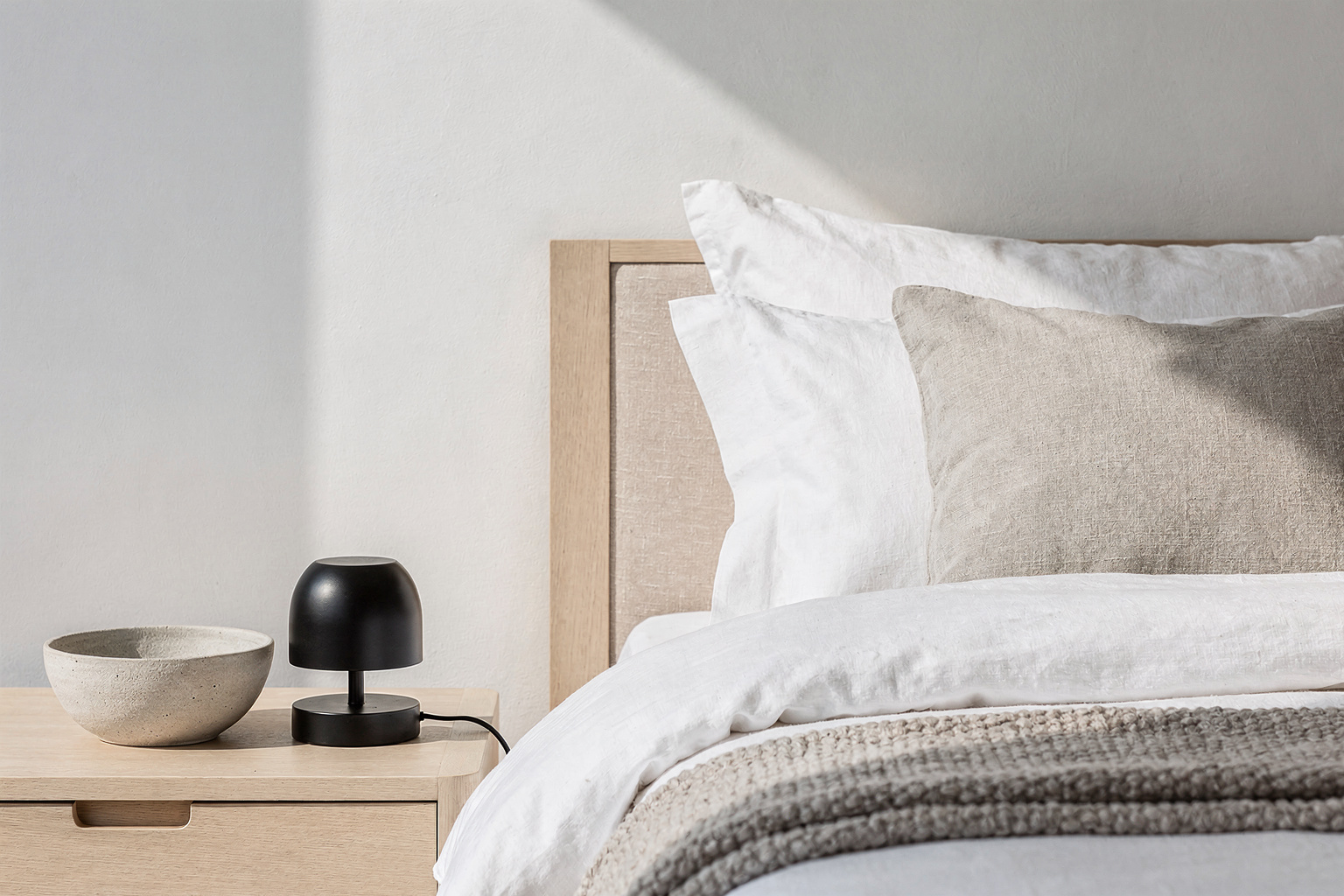
The last mistake, which can be subtle, is layering textures so thoroughly that the eye never finds a resting point. A cottage bedroom that feels too busy with pattern, texture, and tactile variety loses its calming effect.
Why are visual rests important? They give the eye and brain a chance to relax and appreciate the layers without feeling overstimulated. Too much layering can tip the room into sensory overload.
The fix is to add spaces of simplicity and softness between textured items. For example, a smooth cotton or linen sheet under a chunky knit blanket, an uninterrupted painted wall balancing a woven headboard, or a solid wood bedside table next to textured baskets. These moments of calm make each texture pop and keep the room feeling refreshed and easy to live in.
Frequently Asked Questions
What are good textures to mix in a cottage bedroom?
Soft linens, chunky knits, natural woven fibers like rattan or wicker, warm wood grains, and simple ceramics all work well together. Keep color tones muted or harmonized to maintain warmth.
How can I make a small cottage bedroom feel less cluttered with texture?
Limit yourself to one or two statement textures, keep larger surfaces like bedding and curtains light and smooth, and choose smaller-scale accessories.
Can shiny or high-gloss textures work in cottage bedrooms?
They can, but sparingly and paired with softer, worn-looking finishes to balance the overall rustic, relaxed vibe.
How do I layer textures without creating visual noise?
Alternate between tactile and smooth materials, create clear visual breaks, and maintain a consistent color story to help layers feel intentional.
Are rugs important for texture layering in cottage bedrooms?
Yes, but choose types that don’t overwhelm the space—flatweaves, natural fibers, or low-pile rugs can add warmth without bulk.
Choosing the right textures for your cottage bedroom is a nuanced act of balance. Avoiding uniform, overloaded, mismatched, oversized, or endlessly layered textures will help you craft a room that feels quietly layered and welcoming, not chaotic or flat. Start by observing what textures dominate or disappear in your space and introduce subtle contrasts of scale, material, and style. With these fixes, your cottage bedroom can become that polished, comfortable haven every day feels good to come home to.