
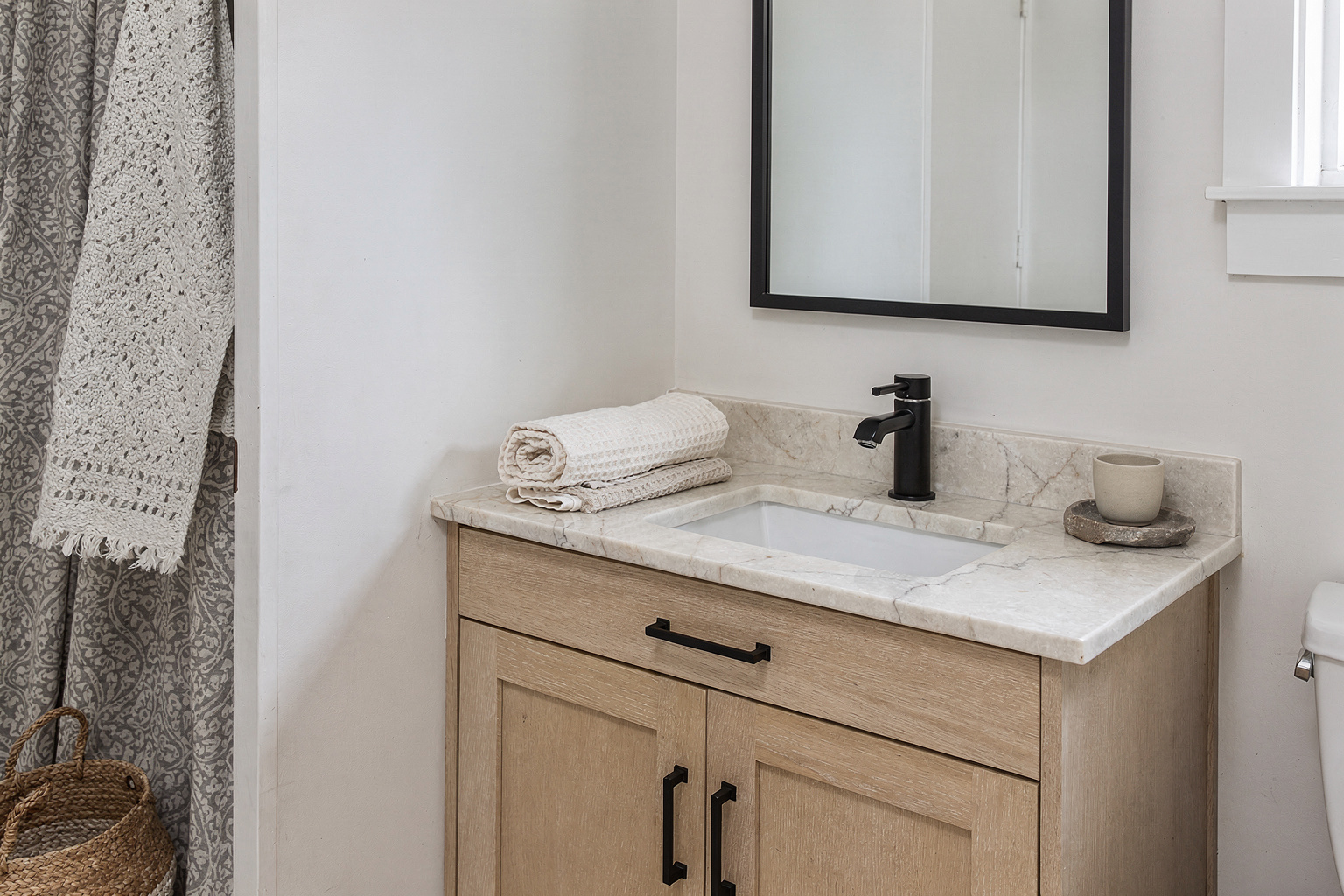
Cottage bathrooms are meant to feel warm, inviting, and a bit collected, with a sense of layered texture that speaks to comfort and subtle charm. However, the texture layering that defines the look can easily go off track, resulting in a bathroom that feels either flat and dull or jarringly cluttered. Getting texture right is more than just piling on natural materials or rustic finishes—it requires balance, thoughtful contrast, and attention to scale within the room’s cozy footprint. In this article, we’ll explore common texture mistakes in cottage bathroom design and how to correct them, so your space feels as lived-in and welcoming as it should.
Overloading Walls with Clashing Surface Textures
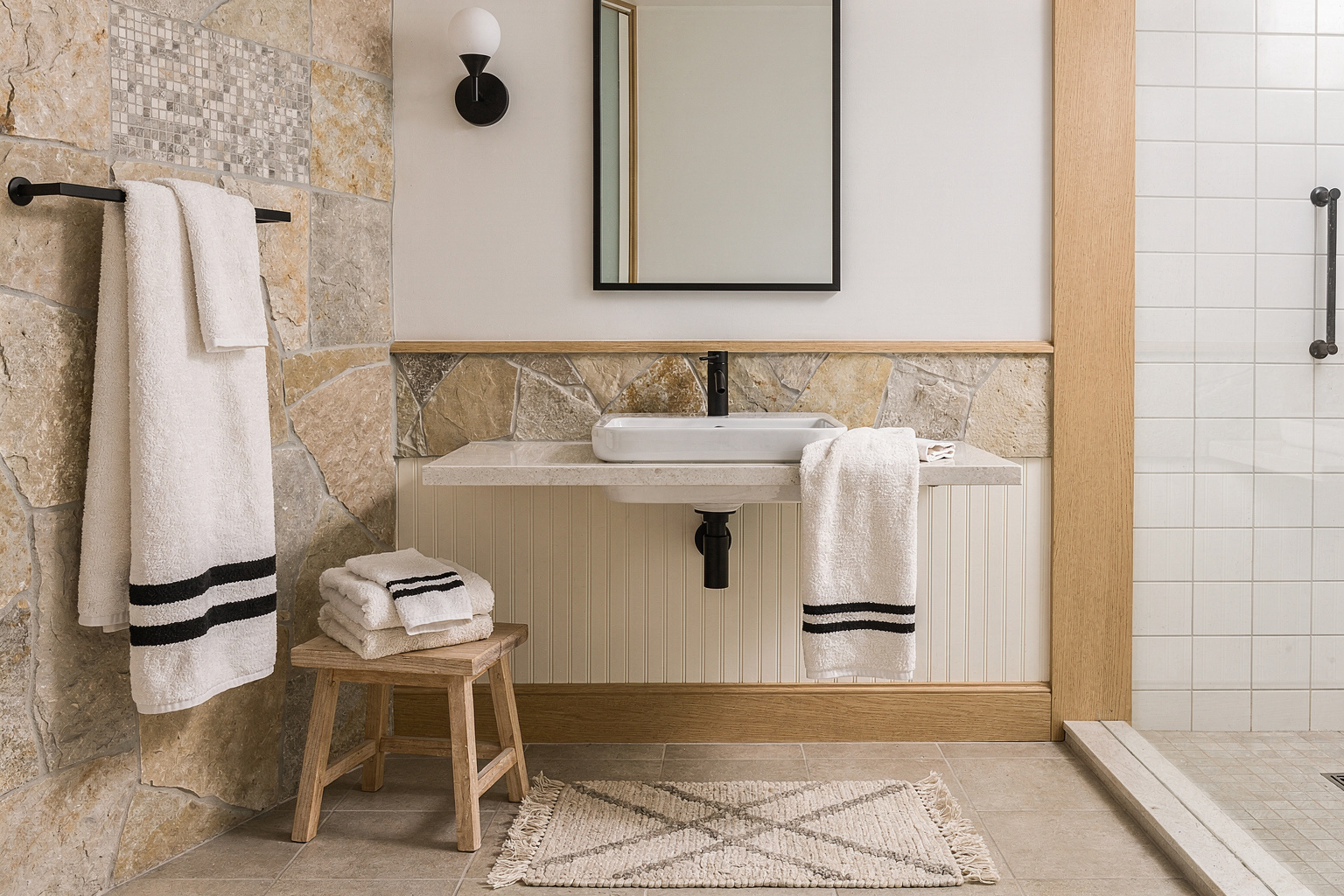
One of the most common texture mistakes in cottage bathrooms is overdoing it on wall surfaces by mixing too many high-contrast or busy textures simultaneously, such as pairing elaborate tile patterns with rough plaster or shiplap. This often creates visual confusion rather than the gentle layering that cottage style needs. Instead, opt for one statement wall texture combined with subtler finishes around it. For example, a crisp white beadboard or soft shiplap painted in a matte finish can anchor the space, while simpler tiles in muted tones handle wet zones.
This approach works visually because it provides a clear textural foundation without overwhelming the small space. When choosing colors, keeping to pale neutrals or soft pastels enhances the sense of calm and lightness that cottage bathrooms benefit from. If you want pattern or detail, let it live in smaller doses—perhaps a decorative tile border or a tactile wallpaper feature behind shelving rather than on every surface. This creates interest while respecting balance.
Skimping on Soft Textiles That Soften Hard Surfaces
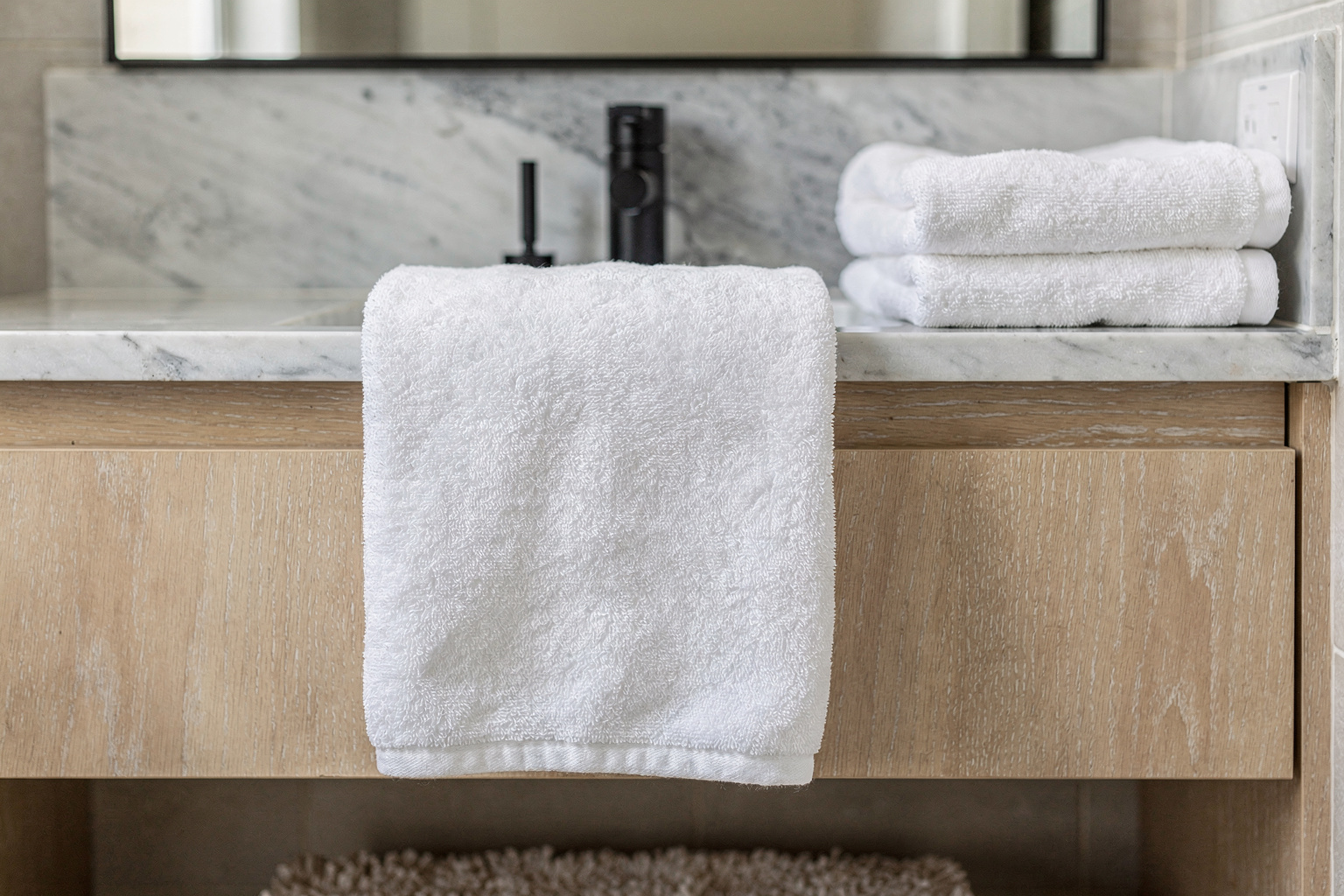
Cottage bathrooms can skew too rough or stark if they rely solely on rustic woods, stone, and tile without layering in soft, natural textiles. Neglecting this softness robs the room of warmth and tactile contrast that keep a retreat-like bathroom from feeling cold or unfinished. Incorporate well-chosen linens—fluffy cotton towels, a woven bath mat, and even a textured shower curtain—to add softness and invite touch.
These elements also introduce a subtle variety of textures that complement rawer surfaces. Warm off-whites, light greys, or gentle blues in the textiles enhance the cottage color palette and help break up harder lines. Having at least three types of textiles with differing textures—such as terry towels paired with a cotton mat and soft linen window treatments—can be enough to create a lived-in, layered feel without clutter.
Ignoring Texture Cohesion Across Materials
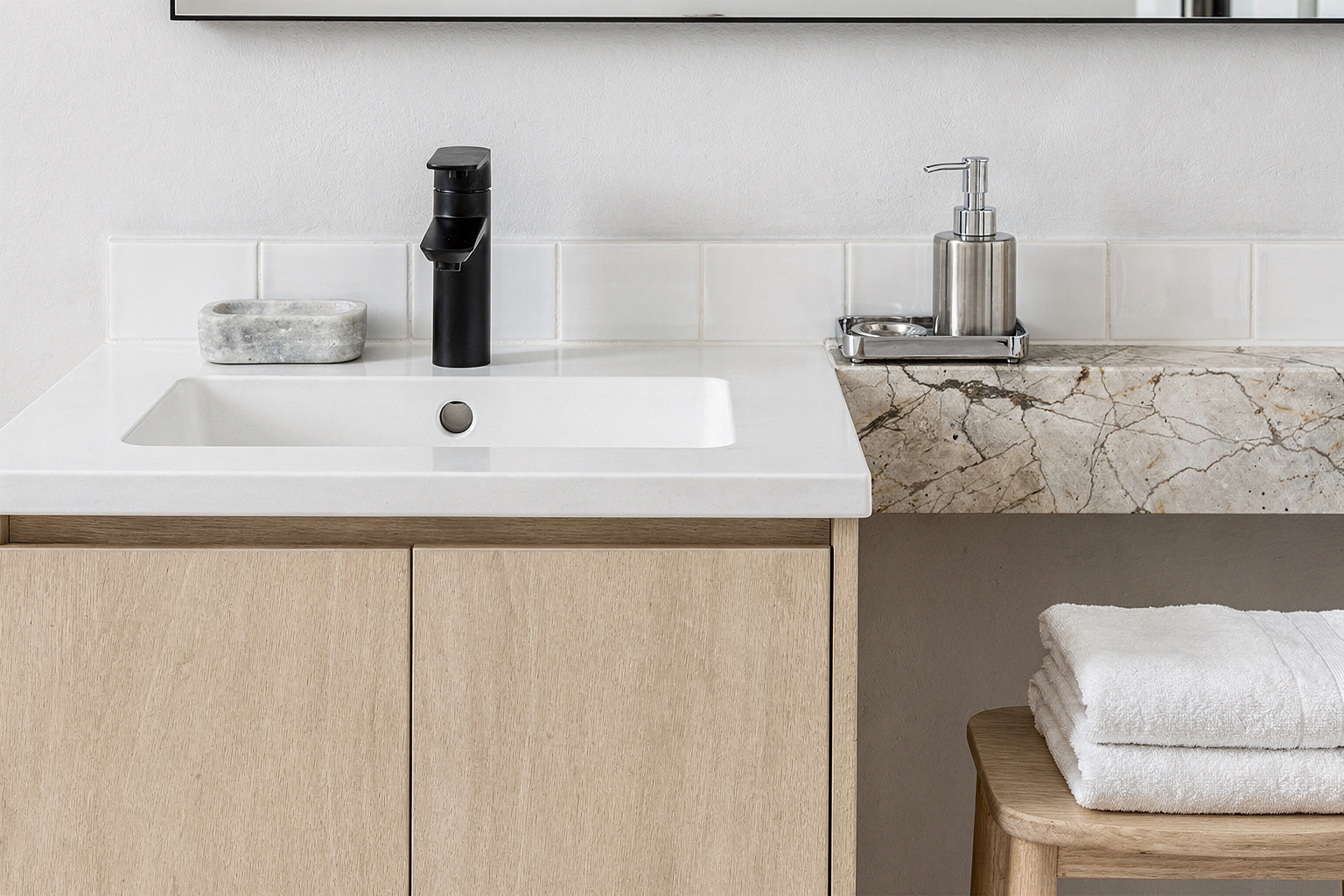
A less obvious but impactful mistake is failing to create cohesion among various textures, resulting in a bathroom that feels visually disjointed. For example, pairing overly rustic wood vanities with sleek glass and shiny chrome fixtures without a bridging material or softer accents often disrupts the harmony. To fix this, introduce a unifying material or motif that threads through different surfaces, such as matte black metal hardware that echoes in the faucet and drawer pulls, or a natural fiber basket that complements wooden elements while adding texture.
Layering thoughtfully includes considering both finish and color temperature. When wood seems too rough next to cool tile, warm it up with matte or brushed metal finishes and soft-textured accessories in muted earth tones. These intentional choices help textures speak to each other, making your cottage bathroom decor feel deliberate and well-considered.
Overlooking Proper Texture Scale for Small Bathroom Spaces
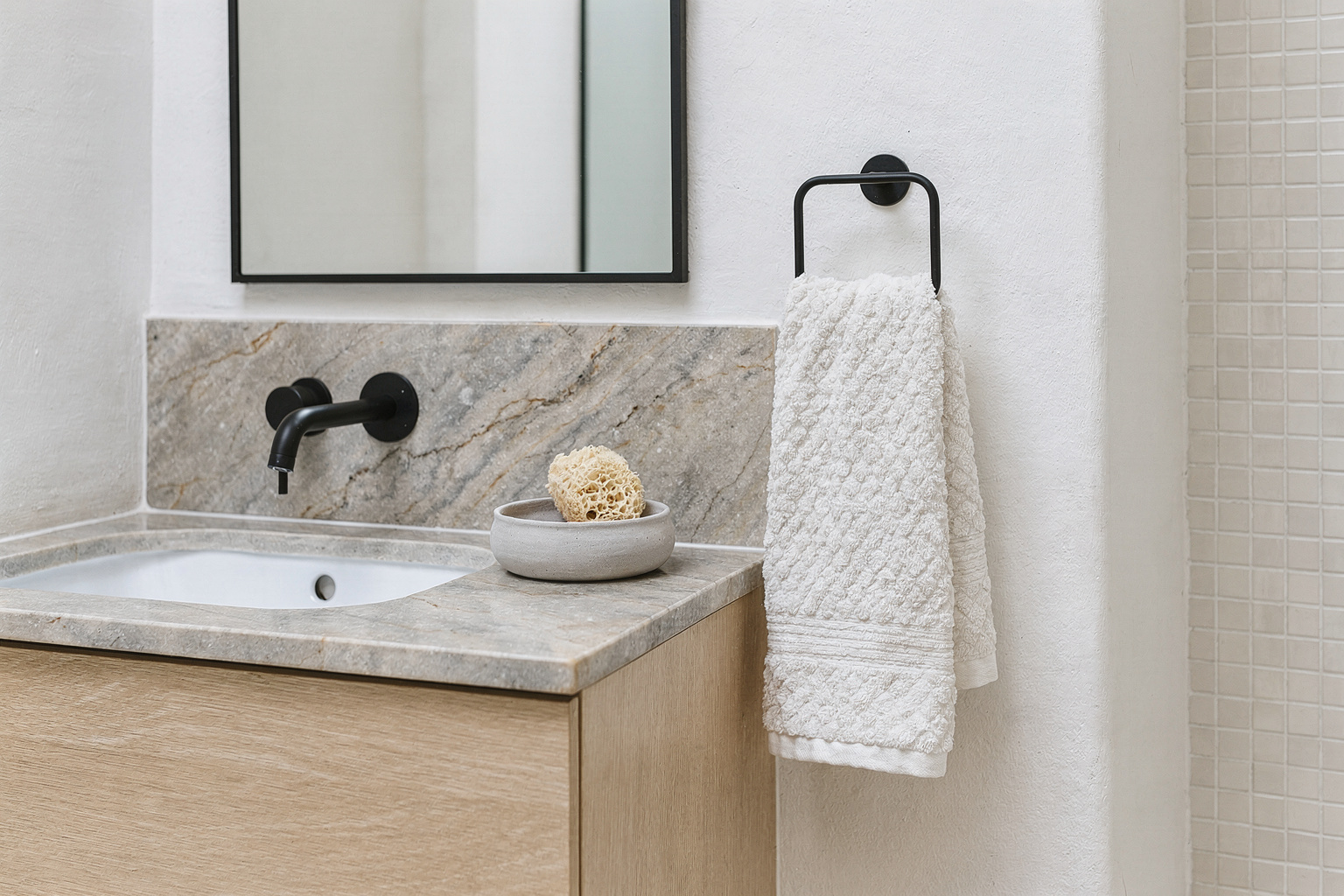
Texture doesn’t just have to do with material but also scale. In a small cottage bathroom, oversize chunky textures or heavily patterned materials can dominate visually and make the space feel cramped or chaotic. A common mistake is filling small shelves or surfaces with dense woven baskets or thick textiles that overwhelm the room’s proportions.
Correcting this means choosing tactile elements with a lighter visual footprint. For example, opt for petite rattan baskets or slim cotton hand towels rather than bulky linens. Use wall-mounted fixtures with subtle texture details instead of large pendant lights or fixtures with busy engraving. Even the scale of tiles plays a role—smaller, matte-finished tiles in soft creams or pale blues maintain the textural interest without crowding the eye.
By respecting scale, your texture layering enhances space rather than competing against it, supporting a balanced, airy atmosphere typical of successful cottage bathrooms.
When Texture Choices Clash and Ruin the Room’s Inviting Feel
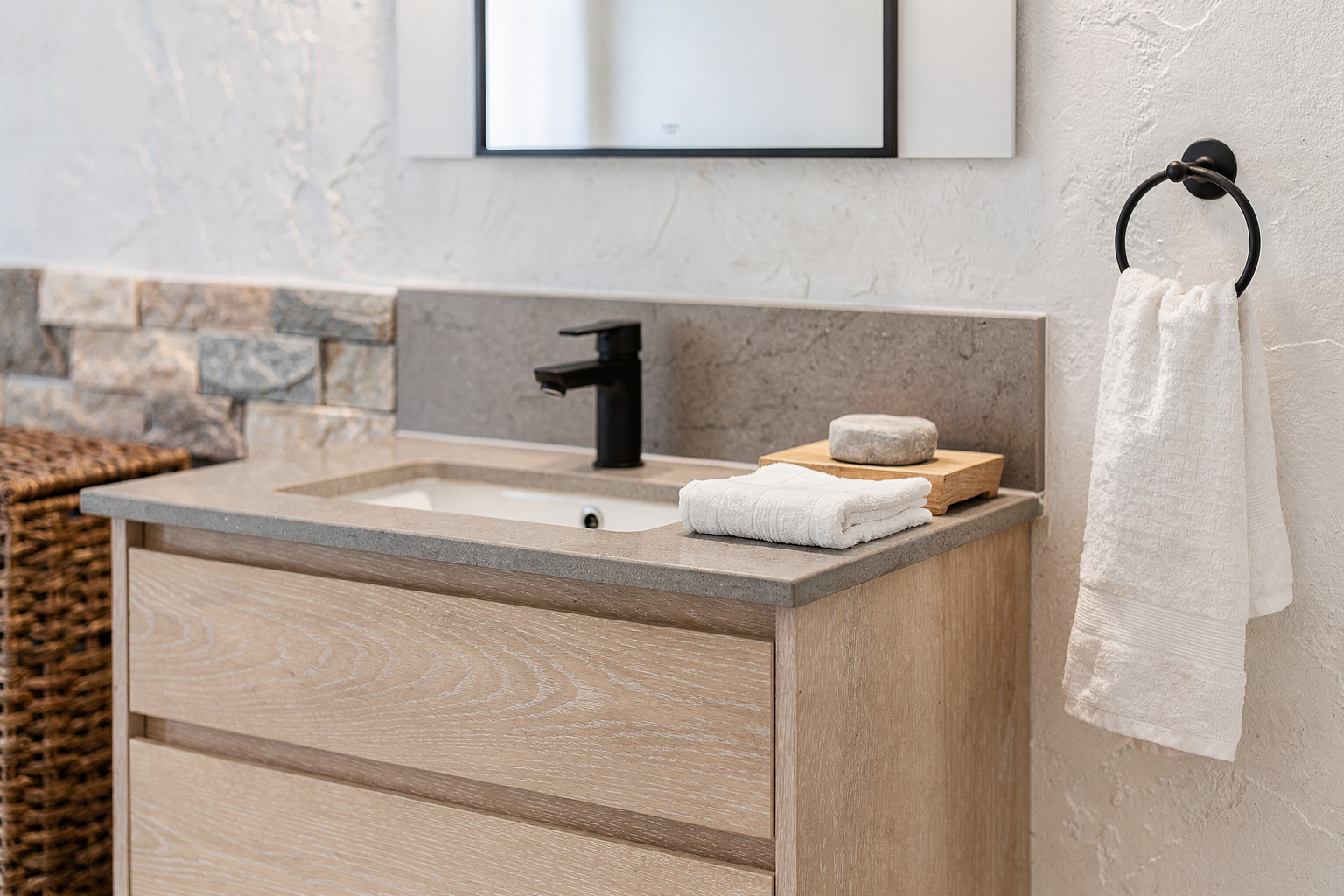
Finally, misjudged texture combinations can throw off cottage bathrooms most visibly by undermining the space’s sense of calm. Overly rough or contrasting textures that don’t harmonize—like a harsh concrete sink paired with distressed wood and synthetic plastic accessories—can make the room feel unsettled rather than cozy.
The fix is to edit with intention. Choose materials that share similar tactile warmth or patina. For instance, softer woods with subtle grains, matte ceramics, and organic fibers provide a more unified tactile landscape. A palette leaning into warm neutrals broken with muted colors like sage green or dusty blue supports textural harmony too.
Layering in a few natural elements—like a small plant in a woven pot or a linen curtain—can bring softness that smooths rougher textures. Installing a high-quality matte paint finish rather than glossy or flat extremes softens surfaces visually and physically, fostering the understated charm cottage bathrooms require.
FAQ
How can I add texture without overcrowding my small cottage bathroom?
Choose one or two key textures as the foundation, then introduce softer textiles and small accessories in complementary materials. Stick to light, neutral color tones and keep texture scale proportionate to the room size.
What colors work best when balancing texture in a cottage bathroom?
Soft neutrals like creams, warm whites, and pastel blues or greens pair beautifully with textured natural materials. These tones allow textures to shine without overwhelming the space.
Are rough wood finishes too much for a small cottage bathroom?
Not if balanced thoughtfully. Lighter, matte-finished wood with smoother edges can provide warmth without feeling heavy. Soften with textiles and gentle color contrasts.
How do I keep different materials feeling cohesive?
Repeat materials or colors across surfaces and accessories. Use bridging details like matte black hardware or a complementary natural fiber to unify different textures.
Can I use bold tile textures and still maintain cottage calm?
Yes, but use bold textures selectively on one feature wall or backsplash. Surround them with simpler, muted finishes to avoid visual overload.
Conclusion
Texture is the heart of cottage bathroom style, but layering textures without a plan is where many spaces lose their charm. Avoid overloading walls with clashing surfaces, don’t neglect soft textiles, and always consider how materials converse with one another. Keep scale in check in small bathrooms and edit texture choices for cohesion to preserve calmness. With these fixes in mind, you can confidently approach your cottage bathroom refresh with an eye toward balanced, layered textures that feel effortless yet grounded—truly a room designed to live in, not just look at.