
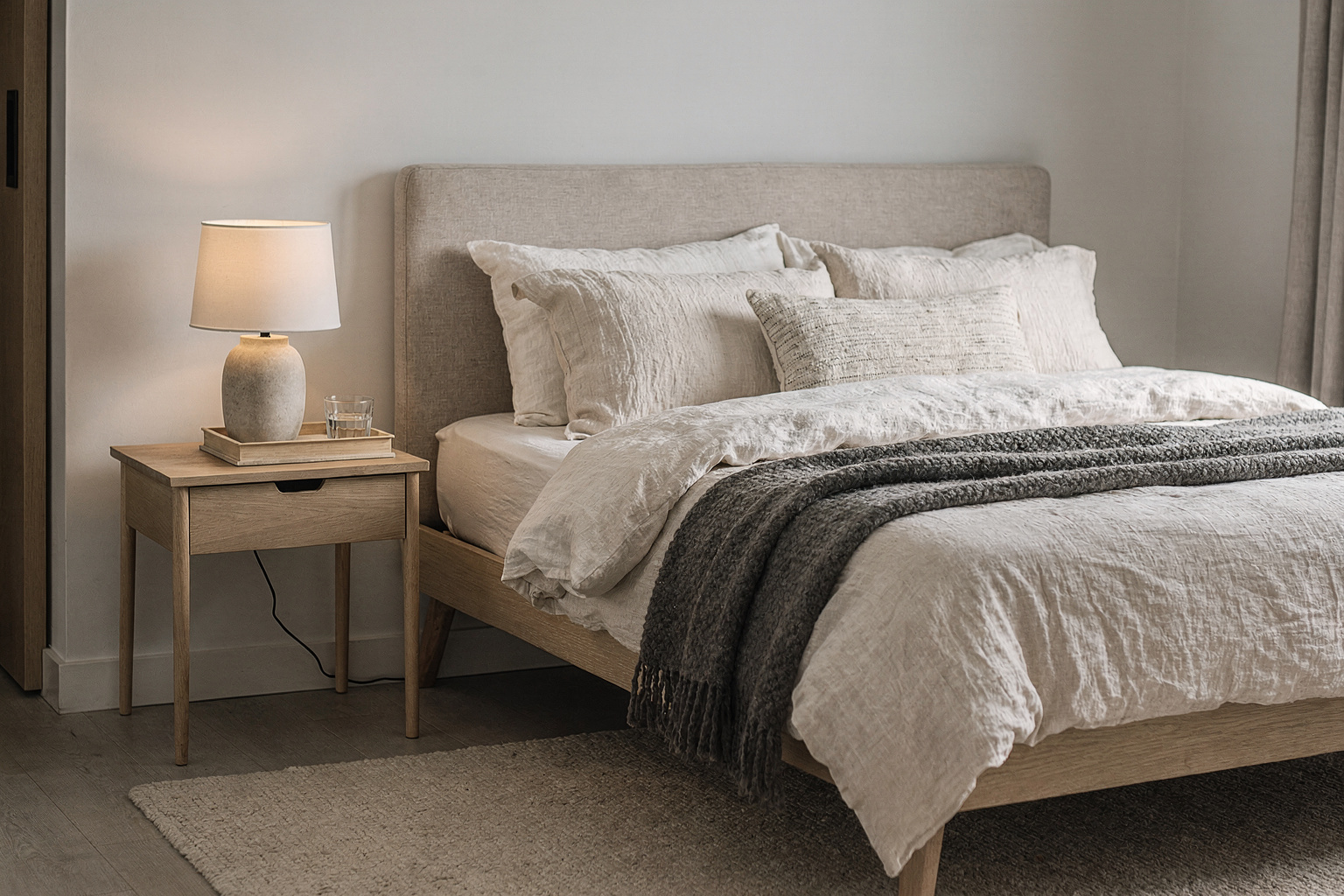
Moody bedrooms have become a go-to for creating intimate, cocooning spaces that feel both sophisticated and restful. Yet, despite their popularity, this trend often trips up even seasoned decorators because texture plays such a pivotal role here—and subtle mistakes can quickly derail the entire mood. When layering dark hues and rich materials, the textures must engage in a visual dialogue rather than clash or weigh a room down. Without deliberate attention to how surfaces interact, a moody bedroom can end up feeling flat, cold, or overly heavy instead of warm and inviting.
In this article, we’ll explore five common texture mistakes to avoid in your moody bedroom and offer practical fixes that bring balance, comfort, and effortless style. Whether you’re rethinking your existing setup or starting fresh with moody bedroom ideas, understanding these texture pitfalls will help you design a space that truly feels layered and lived-in.
When Shiny Meets Rough: Avoid Clashing Textures That Fight Each Other
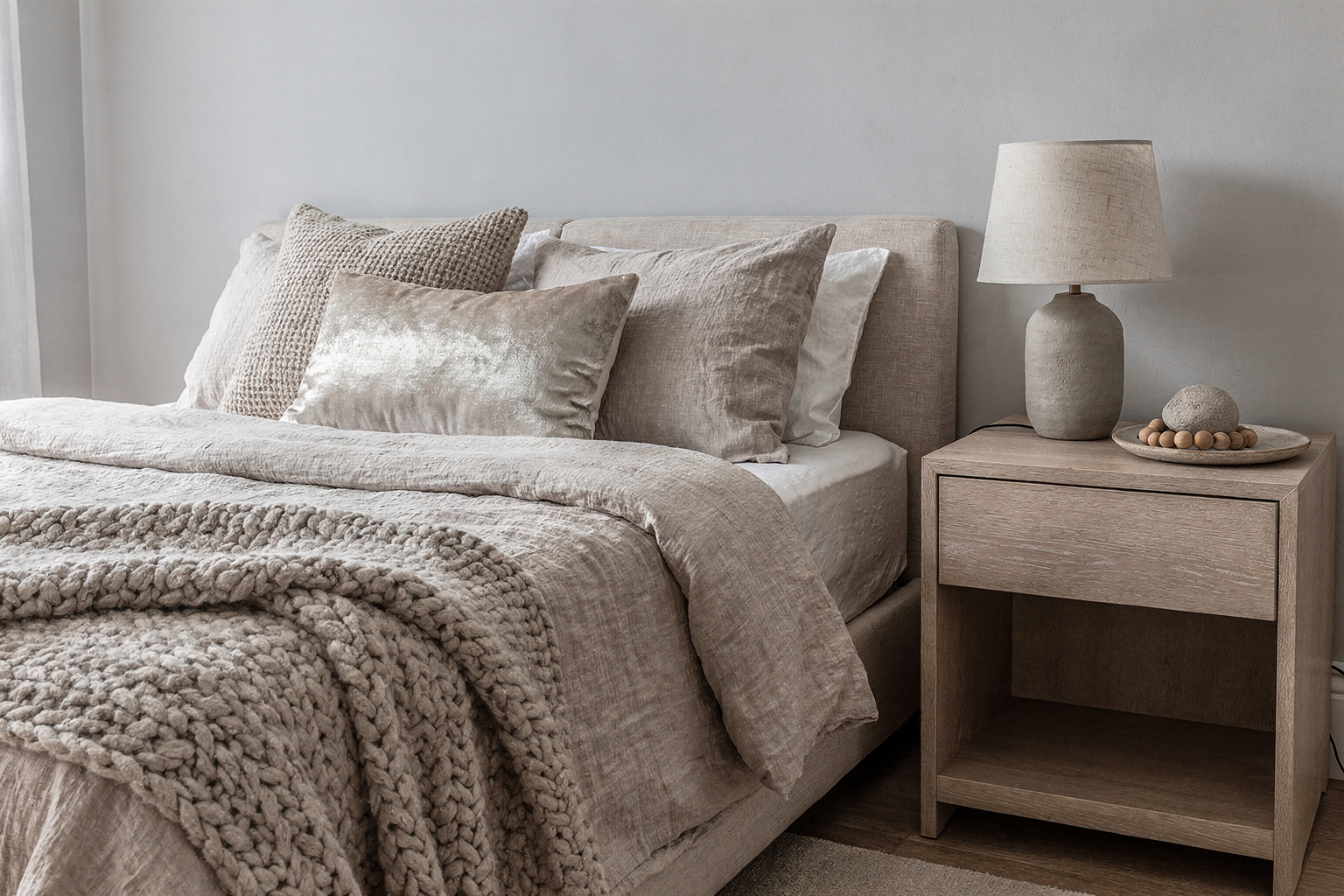
One of the earliest mistakes in styling a moody bedroom is pairing textures that simply don’t harmonize—think cold, shiny silks against coarse linens or slick leather next to nubby wools. These unpredictable contrasts can create tension that breaks the peaceful vibe essential to the space. Instead, choose textures that play well together by focusing on complementary tactile qualities rather than extremes.
For example, if you love a bit of sheen from velvet or silk pillowcases, temper it with soft matte linens or brushed cotton sheets. This mix lets the shiny textures become accent details rather than visual noise. Sticking within a cohesive palette of deep blues, charcoal grays, or muted greens also helps unify diverse materials. When you balance textures on a subtle spectrum from soft matte to faint sheen, the room feels more layered and intentional.
Heavy-Handed Texture Layers Can Dull a Moody Bedroom’s Light
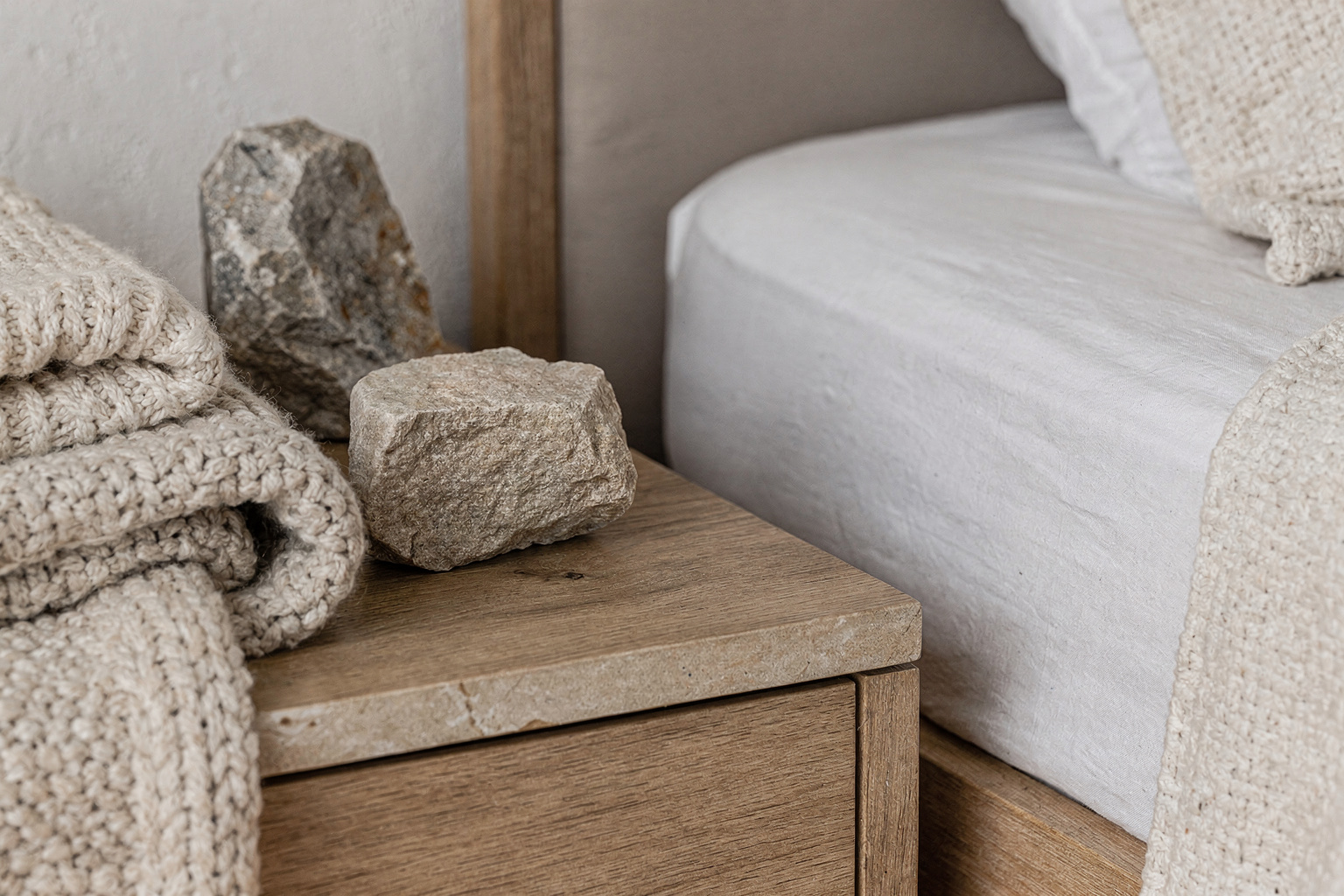
A second common trap? Going too heavy with textures that absorb every trace of light—dense velvets, thick wool rugs, plus heavy drapes all in one room can make your space feel bloated and oppressive. While moody decor welcomes darkness, it still needs light to breathe and reveal subtle texture shifts.
An easy fix here is to intersperse lighter-textured elements that reflect or diffuse light. Incorporate a linen throw, a partially open weave basket, or subtly lustrous ceramics. Layering textures in different weights and scales prevents the room from feeling visually stuck. Also, adding reflective accents such as a brass lamp or a warm wooden side table helps lift the palette. Remember, the goal is to create quiet warmth—not a cave.
Overdoing One Texture Breaks the Cohesion of the Space
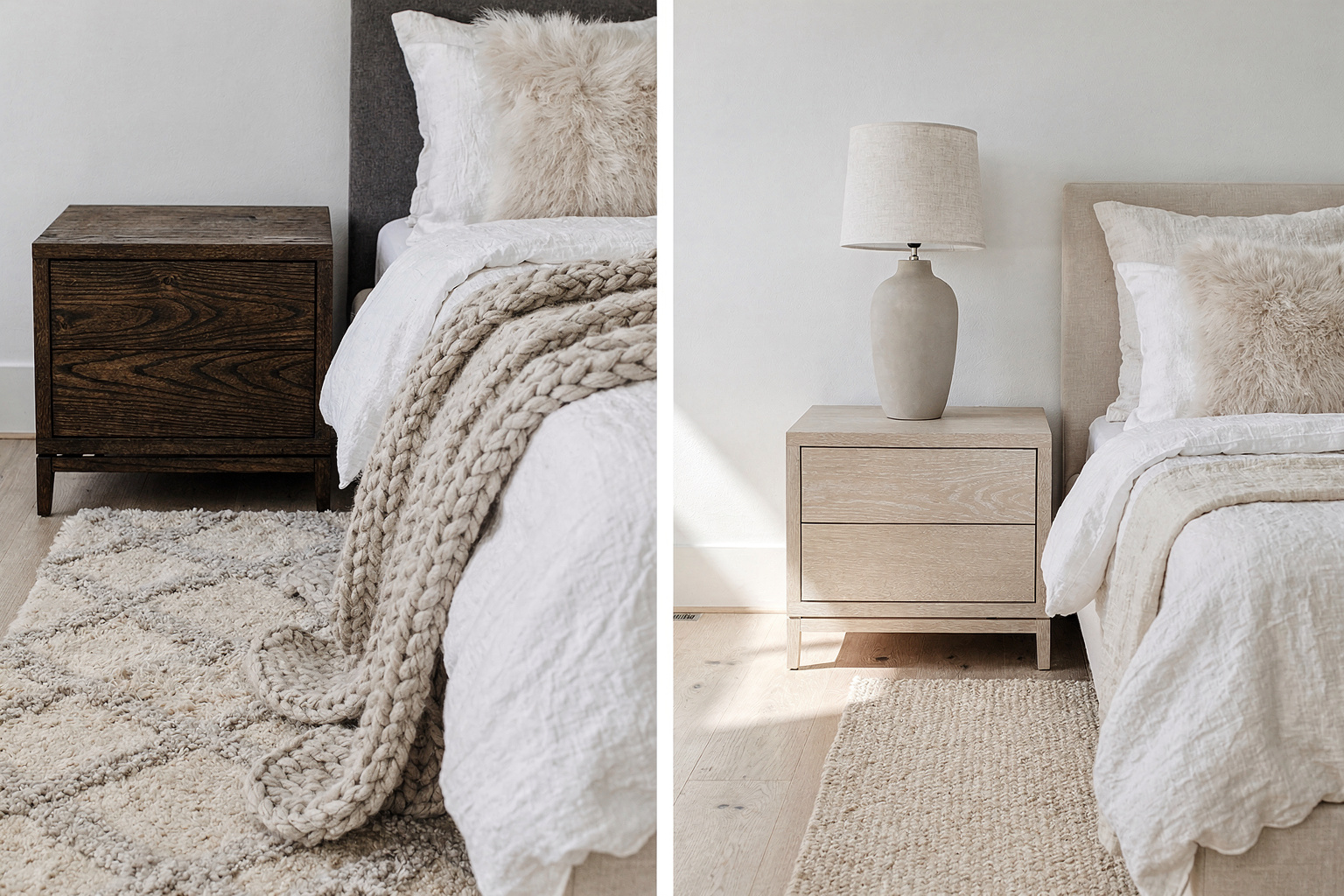
One overlooked mistake is relying too heavily on a single texture, such as a room full of velvet-covered cushions or just linen bedding. Even if the color palette is on point, this lack of textural interplay flattens the room’s depth. The eyes crave variation—without it, colors and forms all blend and blur.
To solve this, add small but impactful texture contrasts. Pair a chunky knit throw on a plush velvet chair; swap one linen pillow for a subtle leather accent cushion. Look for elements in the room like a matte painted wall, a raw wooden bench, or a woven rattan basket to break up sameness. This approach adds interest without complicating the room or drifting away from the moody vibe.
Disproportionate Textures Can Throw Off Bedroom Balance
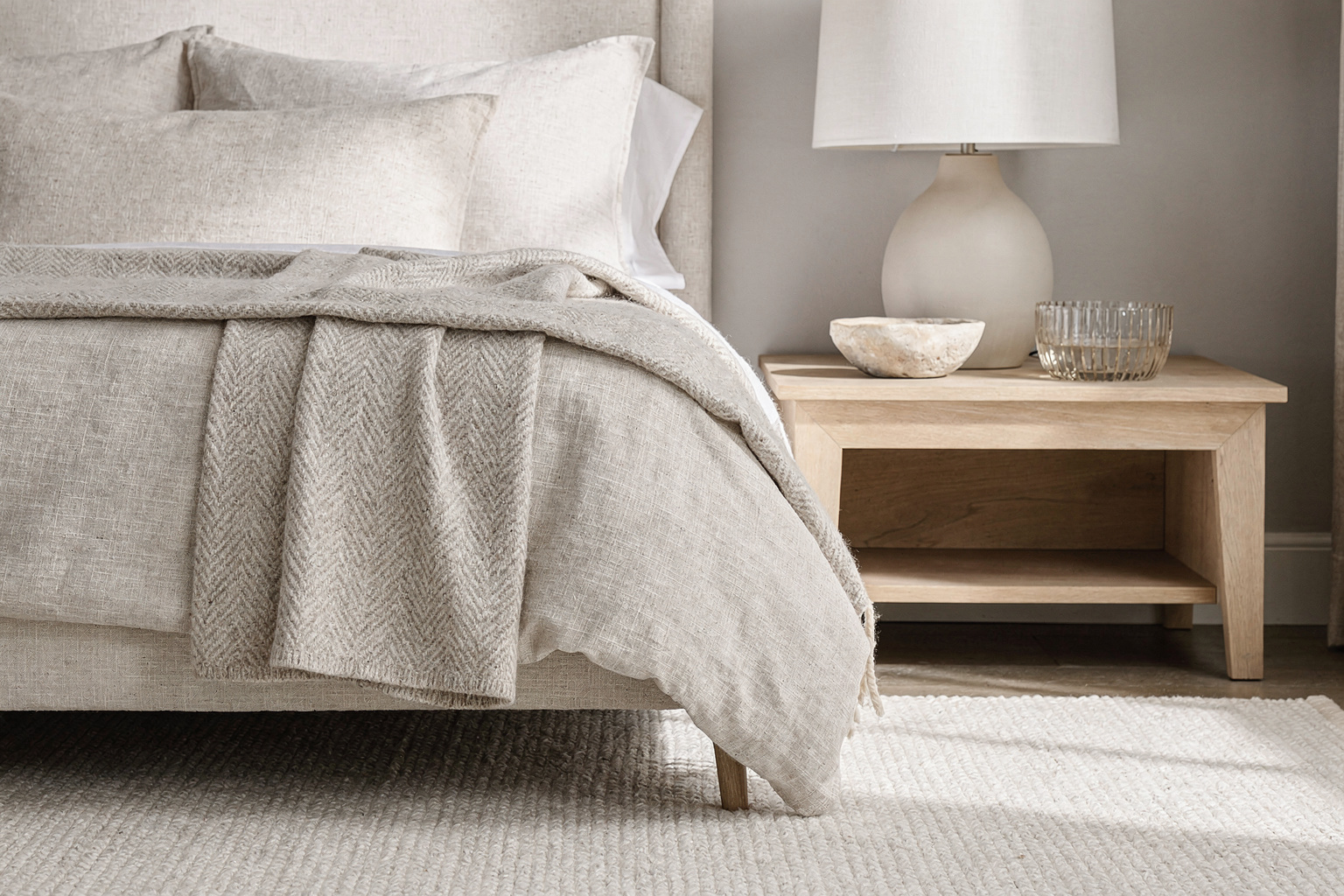
Sometimes it’s not what textures you choose but how they’re sized and placed that harms the flow. Oversized chunky knit blankets or oversized shag rugs next to delicate silk pillows can feel visually off-kilter in an intimate bedroom setting. Disproportionate texture contrasts draw the eye awkwardly and disrupt the sense of calm that defines moody bedrooms.
A practical approach is to balance texture scales thoughtfully. If you use a large textured rug, soften the effect with finely woven or smaller-scale textile layers on the bed. Conversely, a chunky throw can be paired with a rustic wood bench or streamlined bedside table that adds contrast without competing. This proportional layering creates a room that feels thoughtfully composed but still relaxed and flexible.
Missing Soft Contrast Kills the Layered Look
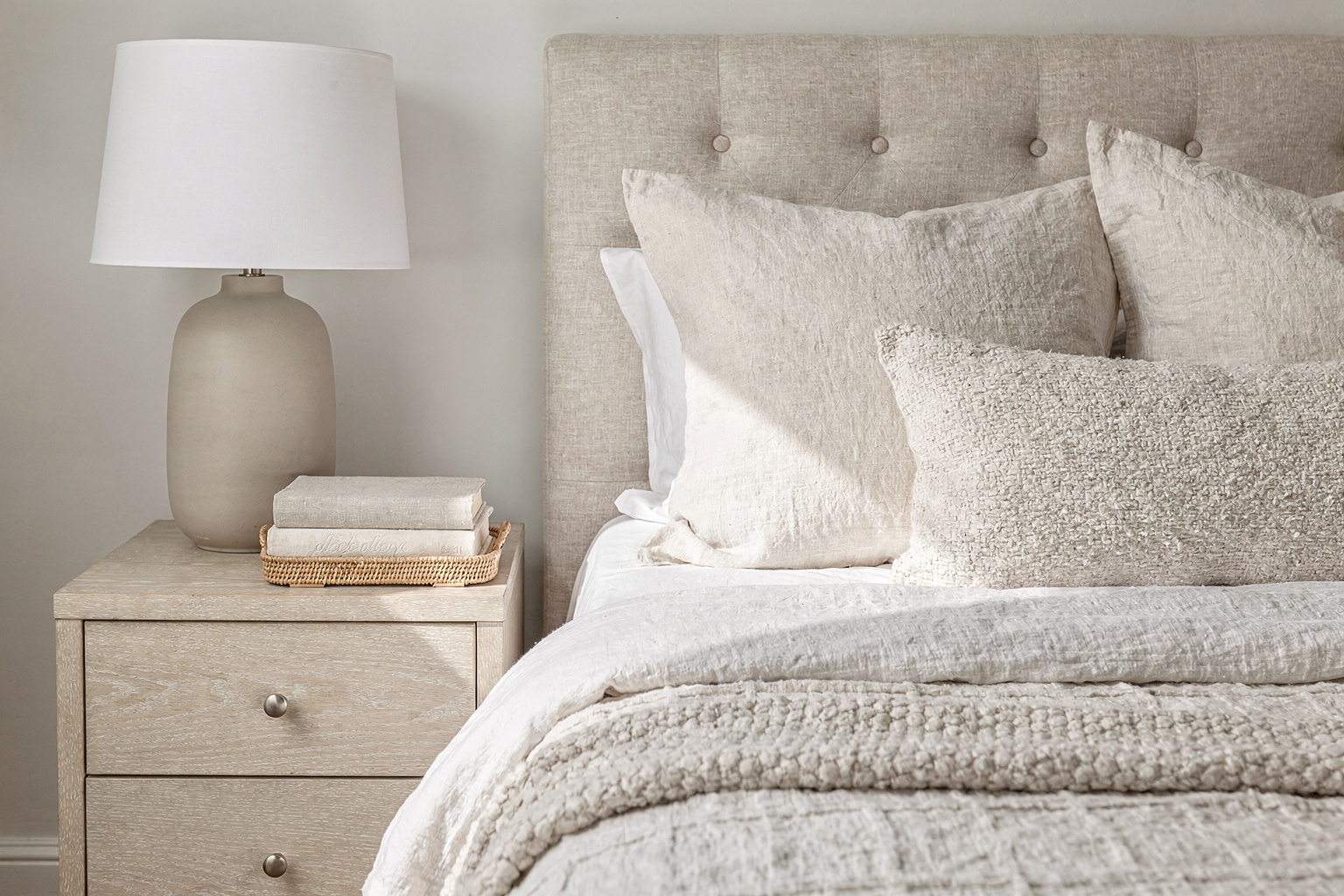
Finally, the biggest mistake that often steals the charm of a moody bedroom is a lack of soft contrast in textures. Without nuanced layering that pulls the dark palette together visually, the room can feel too heavy, flat, or lifeless. Moody bedrooms thrive on a quiet push and pull between rough and smooth, matte and lustrous, warm and cool.
To correct this, try layering matte painted walls with textured linens, a velvet headboard, and natural wood or stone accents. Use tactile cushions, faux fur accents, or subtly patterned rugs to add dimension, letting each texture catch light differently. These soft contrasts provide breathable balance and visual depth, so your moody bedroom never feels static but always inviting and composed.
Frequently Asked Questions
How can I add texture to a moody bedroom without overdoing it?
Start with one or two statement textured pieces like a velvet bench or a chunky knit throw, then layer in subtler textures like cotton or linen. Keep your palette cohesive to avoid visual clutter.
What colors work best with moody textures?
Deep jewel tones—think navy, forest green, or charcoal—pair wonderfully with rich textures. Soft neutrals in warm or cool tones can also add balance and prevent heaviness.
How do I keep a moody bedroom feeling light?
Incorporate lighter fabrics, reflective materials like metals or warm wood, and maximize natural light where possible. Layering different texture weights creates depth without closing the space.
Can small bedrooms pull off moody bedroom decor with texture?
Absolutely. Opt for scaled-down textured pieces and keep the balance between soft and structured textures light to maintain flow and avoid overwhelm.
What is a quick fix if my moody bedroom feels dull?
Add a few soft texture contrasts—like a faux fur pillow, woven basket, or matte ceramic lamp—to lift the space without losing the moody intent.
Moody bedrooms reward close attention to texture as much as color. Texture mistakes often happen when pieces don’t feel connected or balanced in weight and scale. By avoiding clashes between rough and shiny surfaces, preventing overloading with heavy textiles, and focusing on layering soft contrasts in proportionate ways, you can create a space that’s richly layered yet inviting and relaxed. When starting your moody bedroom refresh, first check your mix of textures for harmony and flow—this single step can make all the difference in anchoring your space with quiet warmth and visual balance.