
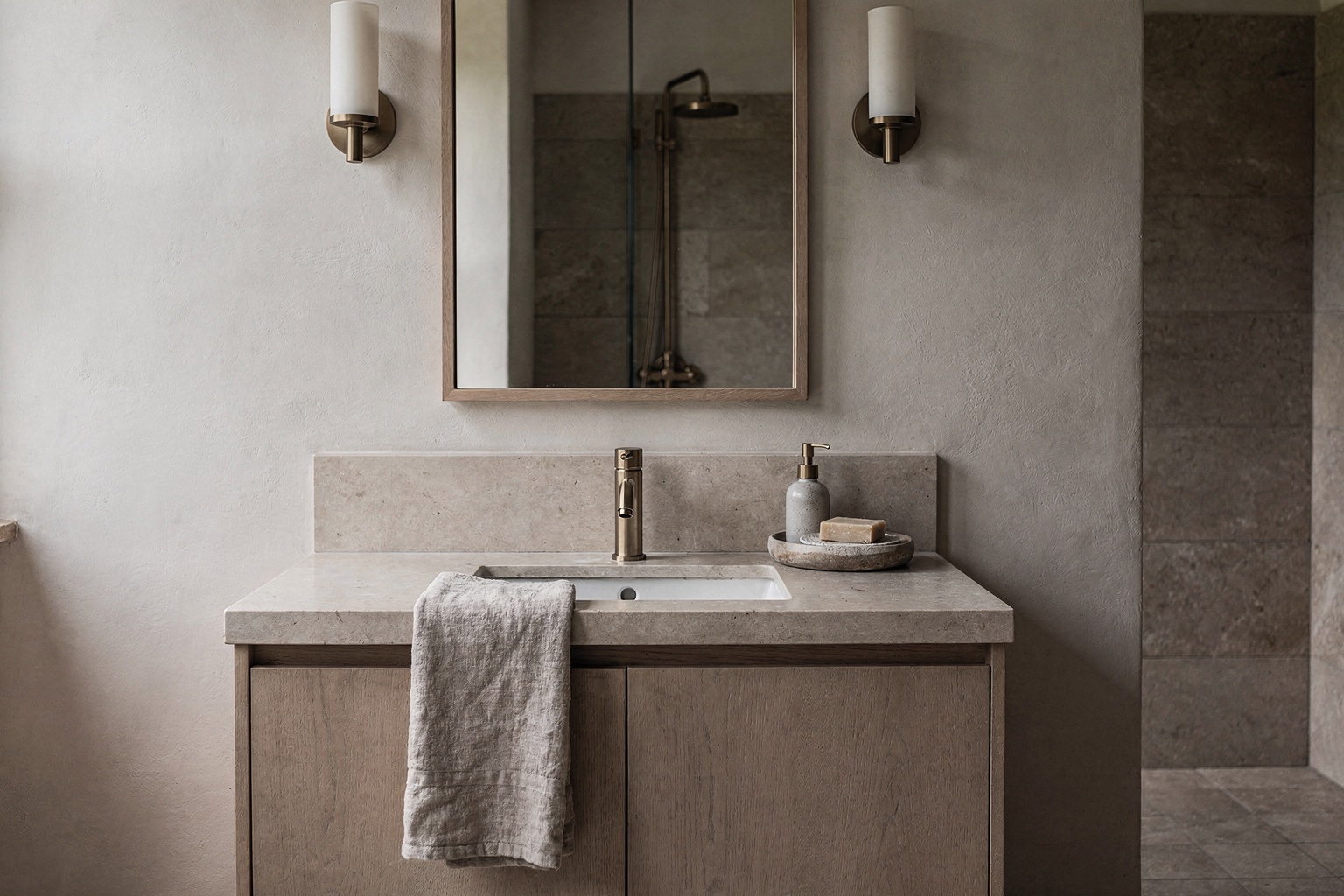
Moody bathrooms offer a rich, calming palette that can feel deeply personal and immersive when done well. But without thoughtful attention to texture, these spaces risk feeling cold, flat, or even cramped. Natural materials like stone, oak, and linen—the cornerstone of timeless-modern interiors—must be layered with care to achieve visual balance and a sense of quiet warmth rather than heaviness.
This article explores common texture mistakes that often derail moody bathroom ideas. Each section outlines what to avoid and offers practical corrections so you can style your space with confidence and lasting appeal.
Flat or Overly Smooth Surfaces That Dampen Depth
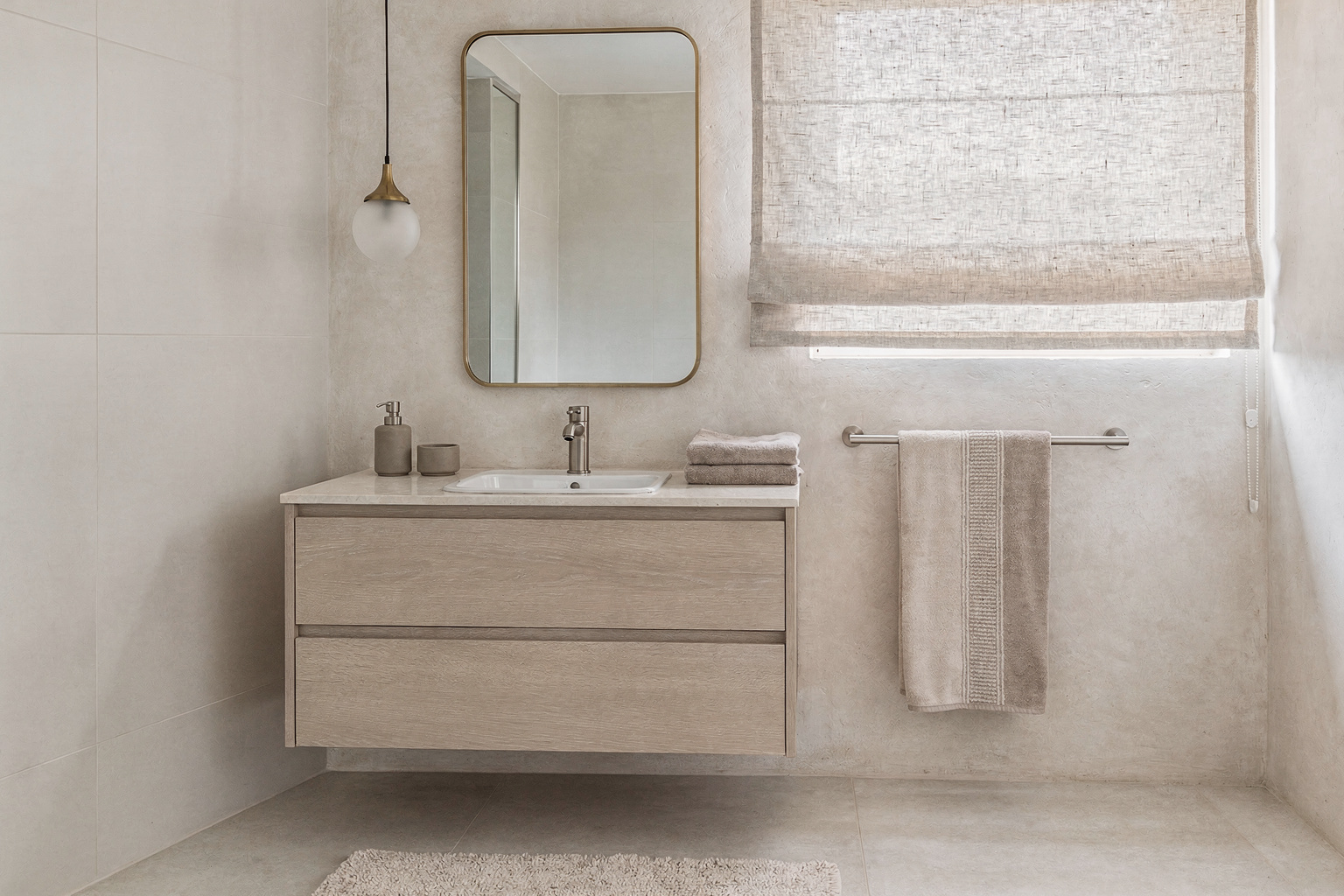
A frequent misstep in moody bathroom decor is relying too heavily on flat, smooth surfaces without integrating enough texture to add dimension. Matte tiles or stone can appear beautiful yet feel cold or dull if not offset by softer tactile layers.
The fix lies in layering natural fabrics and subtly textured finishes. For instance, introduce softly woven linen towels or bath mats in warm neutral tones alongside oak or rattan storage baskets. These elements bring tactile warmth and break up expanses of smooth tile or stone.
Applying contrasting textures also invites light to play across surfaces, preventing gloom. Avoid large sheets of slick materials unrelieved by natural fibers or wood; instead, ensure each textural element has room to breathe and complement rather than compete.
Clashing Textural Materials That Fight Instead of Flow
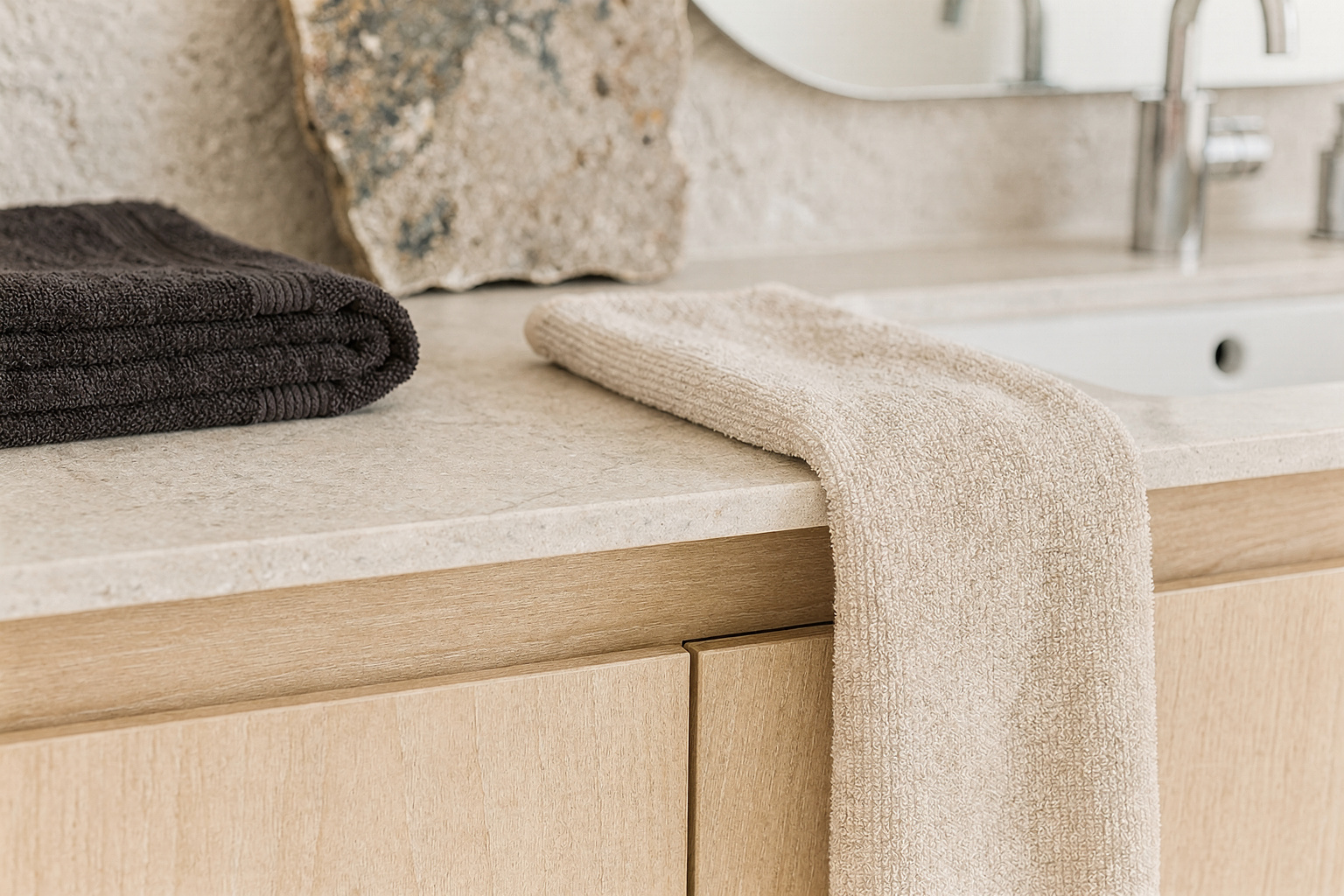
Another common texture mistake is mixing materials with opposing finishes or weights that disrupt cohesion. Glossy tiles combined directly with rough concrete and heavy, plush fabrics can create visual clutter rather than a layered conversation.
Balancing glossy or polished surfaces with matte, tactile materials ensures harmony. For example, pair a softly honed stone countertop with a subtly veined matte tile backsplash and linen curtains. Keep heavy fabrics minimal and opt for lighter natural textiles to maintain softness without excess bulk.
The key is to think about how each texture relates to the others in color temperature and tactile contrast. When textures feel out of sync, the moody theme becomes disjointed and hard to live with.
Overloading Textural Variety Without a Unifying Theme
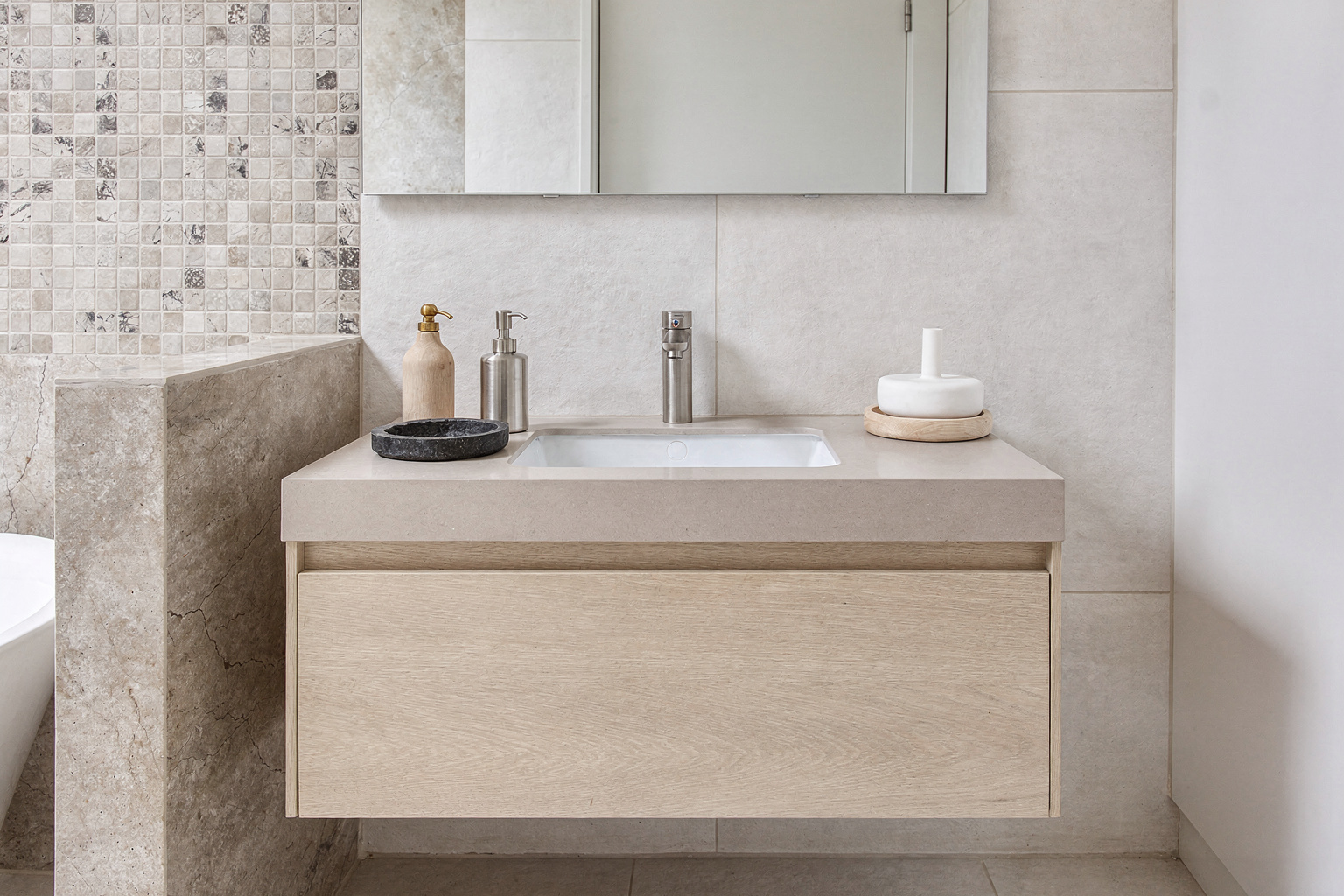
Texture overload happens when too many different materials appear without deliberate cohesion, especially in small moody bathroom layouts. Dark stone, rough plaster, smooth glass, oak, and linen can all work beautifully, but throwing them together haphazardly risks visual noise that dilutes the designed mood.
Taking a step back to plan a consistent texture palette helps. Choose two or three core natural materials and vary their textures across the room for layered interest. For example, warm wood with a matte finish alongside linen and subtly textured stone creates a grounded, collected feeling.
Resist the urge to over-style or add textures just for novelty. Instead, consider how each element contributes to a calming mood, blends softly with the color palette, and enhances tactile comfort.
Ignoring Proportions and Scale in Texture Placement
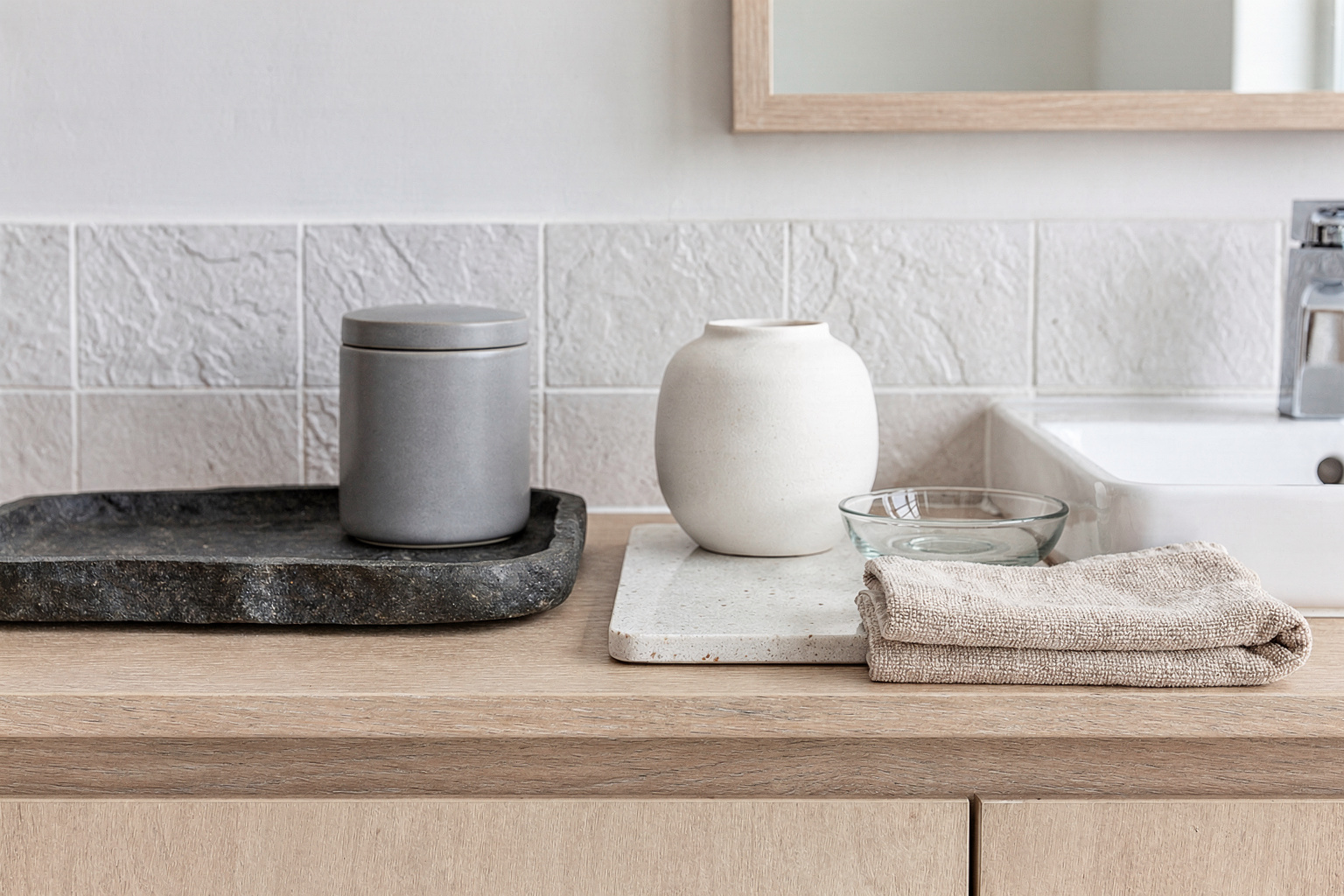
In moody bathrooms, texture feels amplified when sized and placed thoughtfully. One common error is pairing large, heavy textures like rough stone walls with tiny or delicate tactile accents that get lost or feel out of proportion.
Strive for balanced texture scale so that heavier textures anchor the space but aren’t overwhelming. For instance, a feature wall in large honed stone pairs well with mid-sized oak shelving and substantial linen drapes. Smaller details like glass containers or brass faucets can provide contrast without clutter.
Place textured elements where they can be appreciated without crowding. A well-sized mirror framed in warm wood or stone can offer both scale and layering, breaking up surfaces without competing.
Neglecting to Layer Textures Leading to a Flat or Stiff Finish
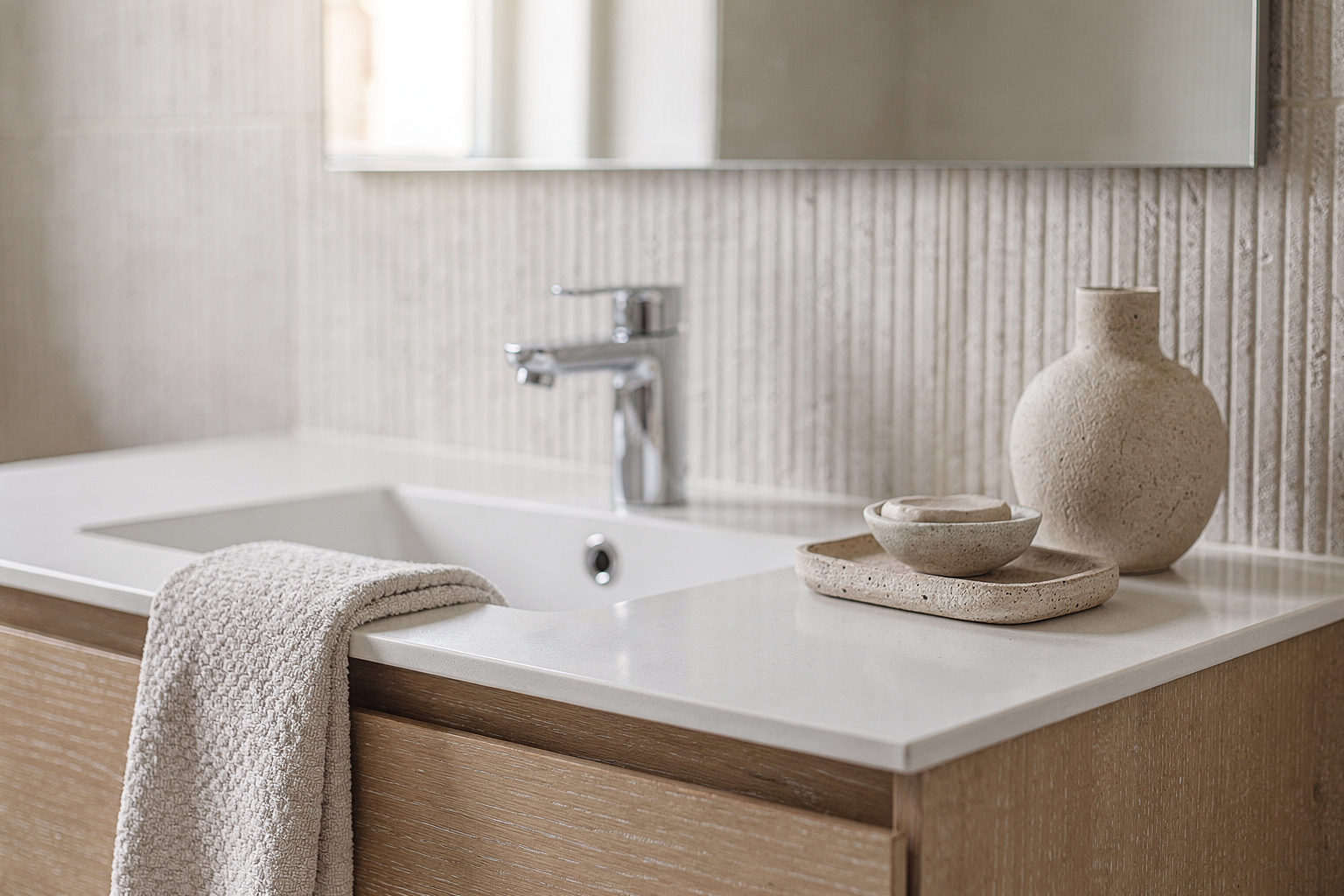
Perhaps the most impactful mistake is the absence of deliberate layering, which leaves moody bathrooms feeling stiff or one-dimensional. Relying on a single material or finish creates a flat effect, dulling the richness this trend promises.
Layering different textures—from the coarse weave of a linen curtain to the smoothness of stone and the matte warmth of oak—builds a nuanced visual experience. Alternate these materials in distinct zones: silky towels near the sink, tactile rugs by the shower, wooden shelves displaying natural ceramics.
Aim for a quiet rhythm of texture contrasts that invite touch and sight to linger. This approach ensures the room feels lived-in yet composed, visually balanced but never heavy-handed.
Frequently Asked Questions
How can I add texture without overwhelming a small moody bathroom?
Focus on two to three natural materials with varying finishes. Use textiles like linen and soft bath mats to add warmth without bulk and keep heavy textures proportional to the space.
Is it okay to combine glossy and matte surfaces in a moody bathroom?
Yes, but balance is vital. Pair polished elements with matte finishes to avoid brightness clashes and to maintain a layered, inviting effect.
What natural materials work best for texture in moody bathrooms?
Stone, oak, and linen are ideal as they bring tactile variety and visual warmth while fitting a soft earthy neutral color palette.
How do I know if my textures feel balanced?
Step back and observe if no one texture overwhelms and if there’s a gentle contrast allowing light to move and the eye to rest comfortably across surfaces.
Can layering too many textures spoil a moody bathroom?
Yes, over-layering without a clear palette causes confusion. Limiting textures thoughtfully achieves a refined, grounded feel.
In a moody bathroom, every texture choice profoundly shapes the overall atmosphere. Avoiding flat surfaces without tactile layers, mismatched materials, oversized or undersized textures, and missing texture layering altogether ensures your bathroom feels both intimate and balanced. Start by refining your material palette and layering soft textiles with natural stone and wood tones—this quiet groundwork leads to a successfully moody, serene sanctuary.