
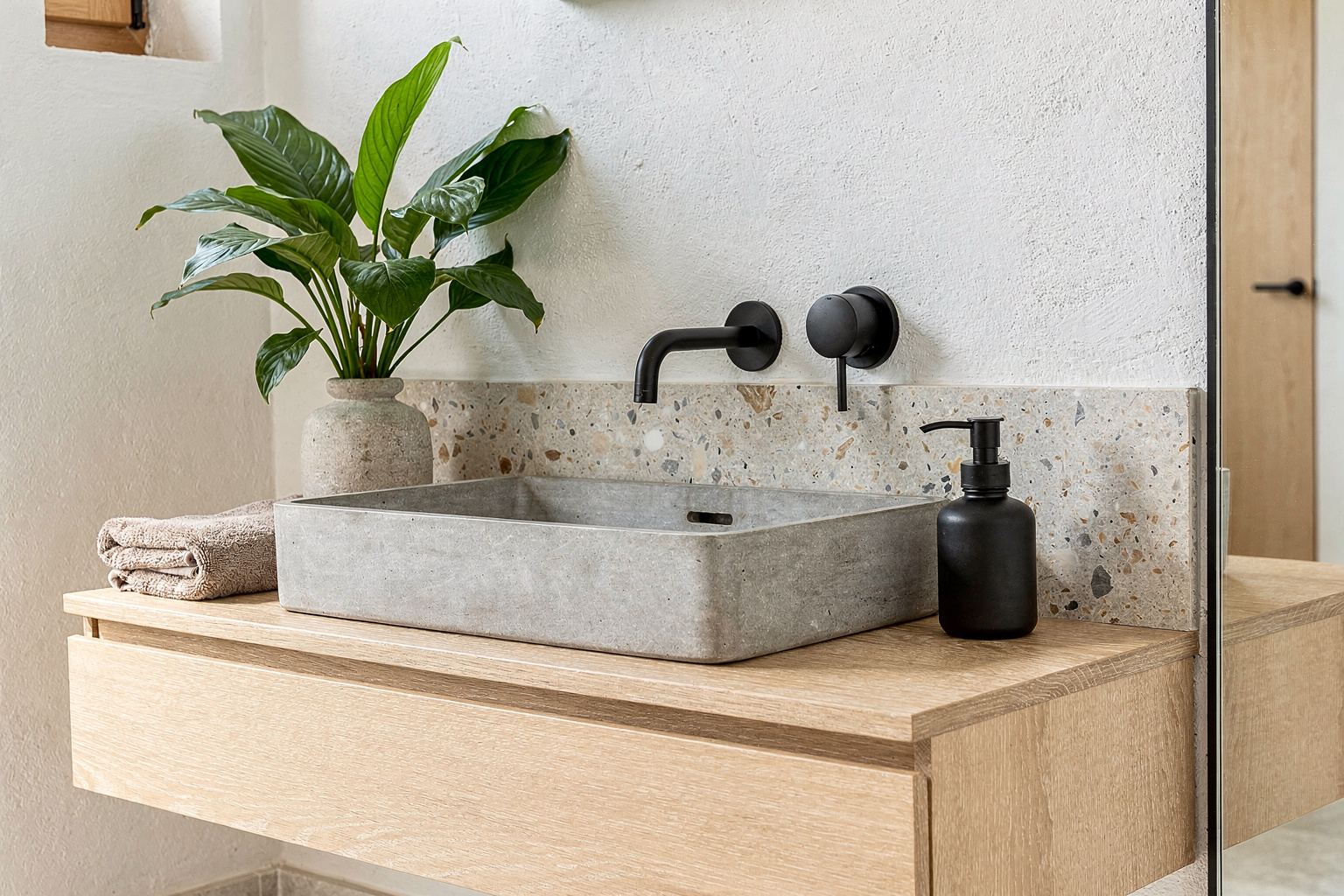
Biophilic bathrooms promise a refreshing connection with nature, a peaceful retreat where natural textures and materials bring calm and warmth. But without a keen eye on texture layering, this trend can easily tip toward feeling either too manufactured or cluttered. Texture mistakes often jar the balance that biophilic design aims to create, making a room feel disjointed rather than inviting. From overly slick surfaces to mismatched roughness or poor scale, these common errors disrupt the natural flow and grounded atmosphere we’re after.
In this guide, we’ll explore five texture mistakes to avoid in your biophilic bathroom and practical fixes to get it right. You’ll learn how to weave materials like stone, wood, ceramics, and plant-based fibers into a layered but relaxed whole. This isn’t about chasing a perfect look—it’s about making your bathroom feel thoughtfully composed and comfortably lived-in, with nature at its heart.
Overly Smooth Surfaces That Clash With Natural Elements
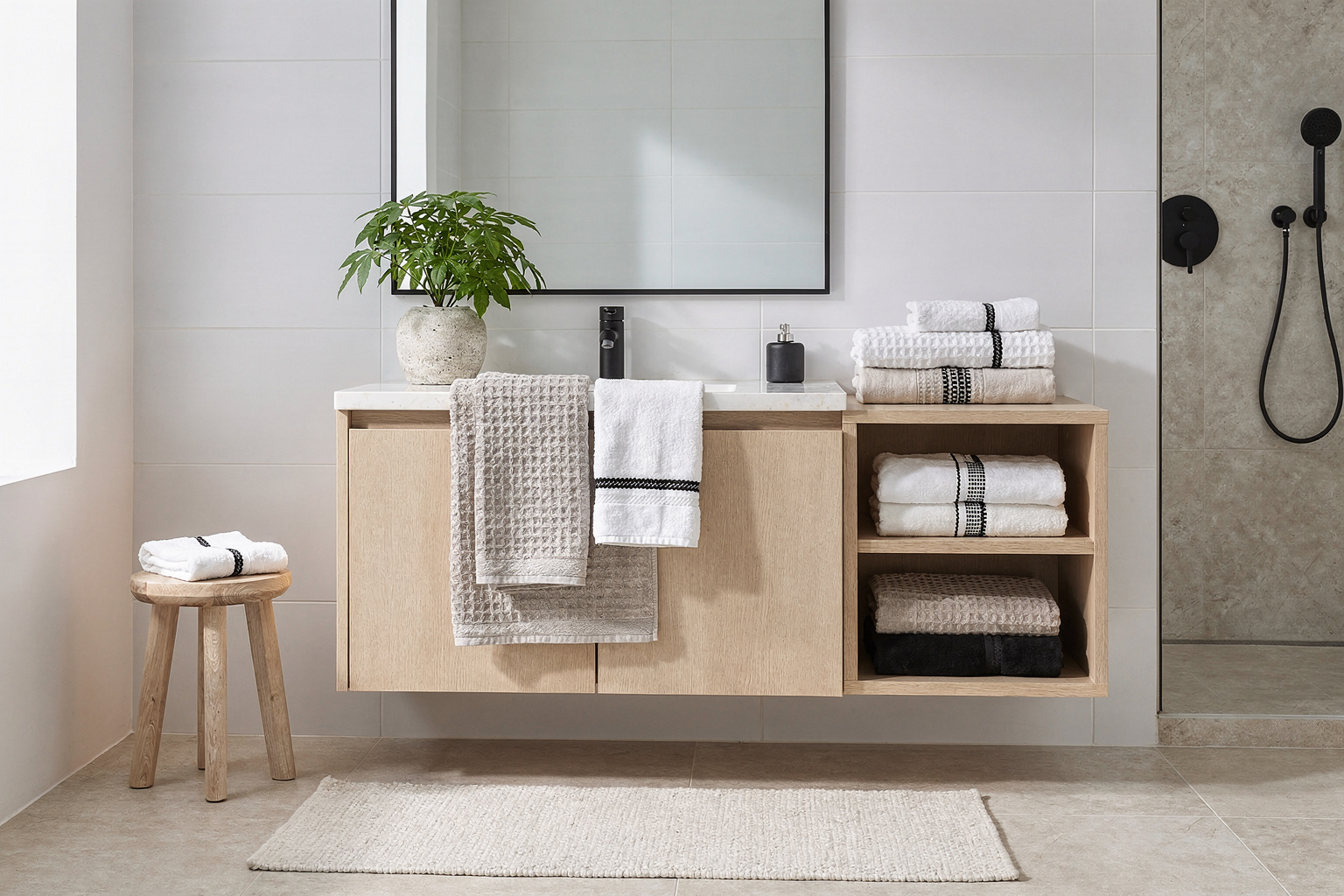
One common texture mistake in biophilic bathrooms is relying too much on ultra-slick or glossy surfaces, like polished porcelain or high-gloss cabinetry. These surfaces reflect light in a way that feels more clinical than calming and can undermine the natural, tactile vibe we want to establish.
To fix this, introduce rougher, matte textures to balance smooth finishes. For example, pair matte stone countertops with natural unfinished wood vanity frames or woven baskets. Textured ceramic tiles with a tactile surface are another easy upgrade over smooth large-format tiles. This layering of matte and subtly rough textures keeps the eye interested and helps the bathroom feel more grounded and authentic.
Look for finishes with visible grain or slight imperfections—those tiny details have a big impact visually. In terms of color, favor warm, muted tones that complement natural materials rather than stark whites or icy greys. This approach improves both comfort and connection to nature in your biophilic bathroom design.
Mismatched Rough Textures That Overwhelm
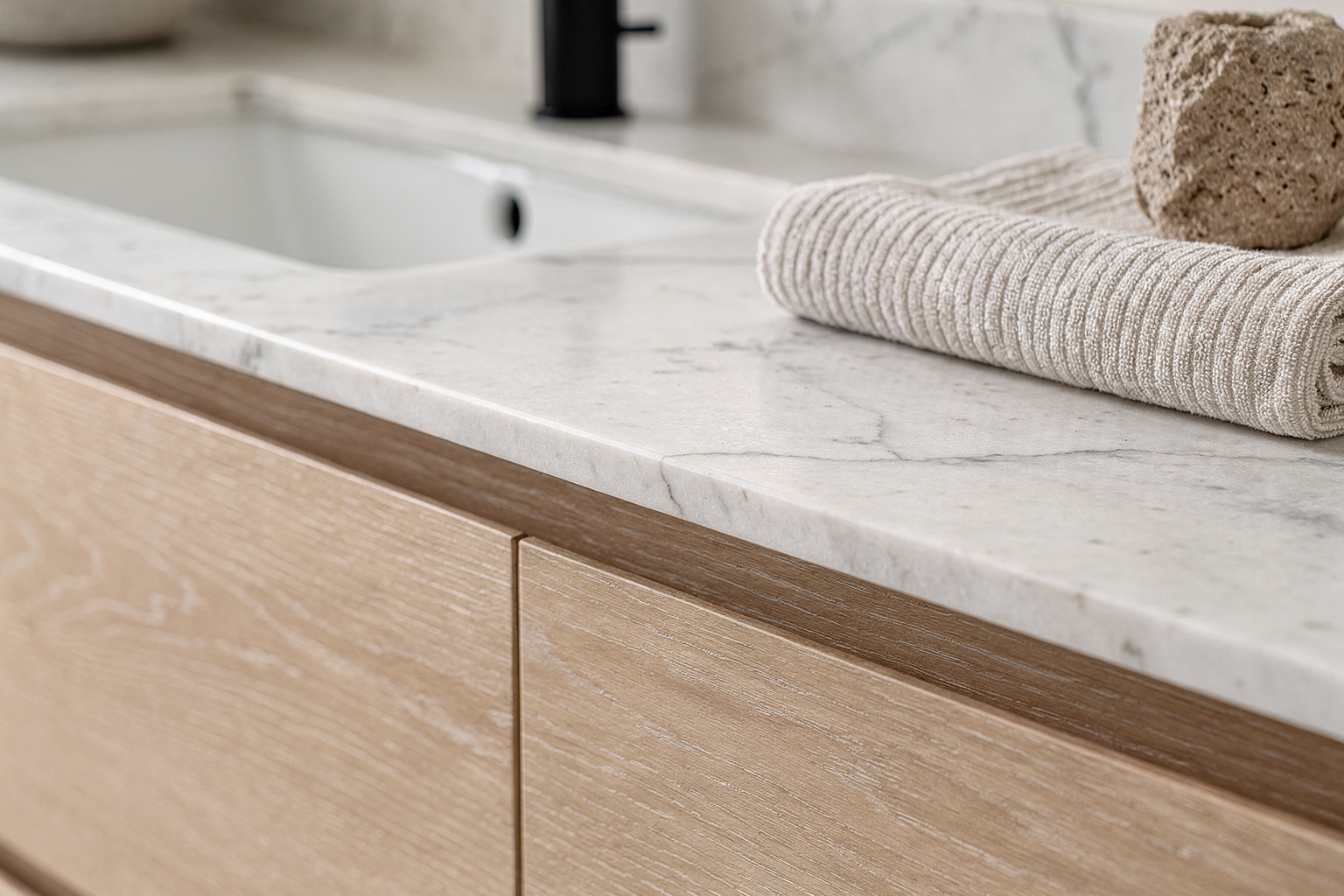
Another trap is mixing too many rough textures without cohesion. Think raw driftwood, shaggy rugs, coarse stone, and woven wall hangings all thrown together without a clear palette or rhythm. Instead of peaceful contrast, this can make a space feel busy or heavy.
To avoid this, curate your textures: choose 2 or 3 complementary natural textures and repeat them thoughtfully across the room. For example, unvarnished teak wood plus matte river stone plus soft linen textiles can create a cohesive texture story. Stick to a restrained, natural color palette with subtle variations of beige, olive green, and terracotta to unify these elements.
Balance is key here: if you have a coarse stone wall tile, soften that with plush cotton towels or a light hemp bath mat. If textiles are your main texture, ground them with smoother wood or ceramic surfaces. This deliberate editing makes the space layered but not overstimulating.
Poor Texture Layering That Breaks Visual Flow
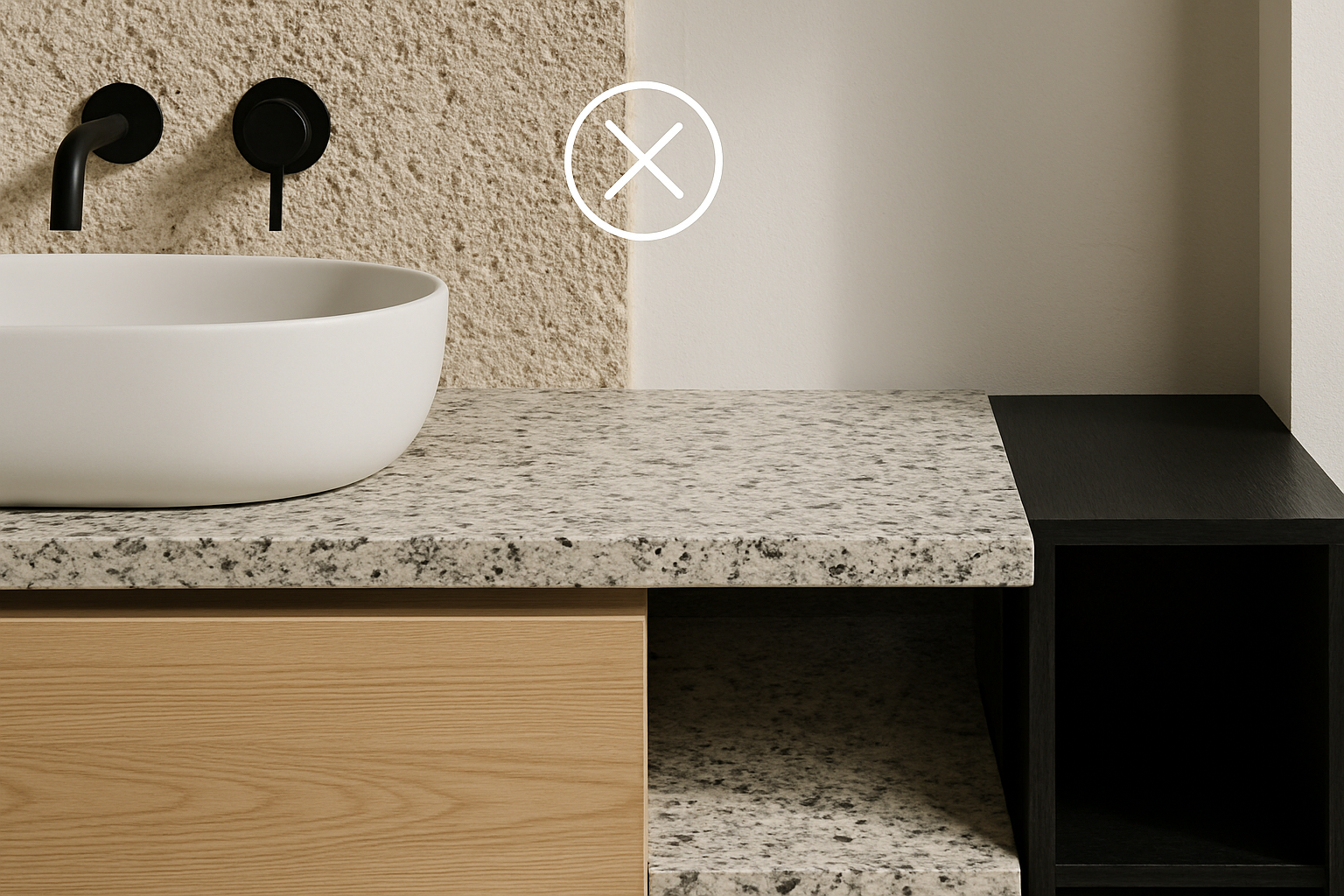
Texture layering is central in biophilic bathrooms, but layering without intention leads to disconnected pieces instead of a flowing look. For instance, rough pebble tiles next to a smooth concrete basin, next to rattan baskets—without tying them together—can feel random.
A good fix is to create a texture sequence, moving from smooth to rough to soft, which guides the eye and builds visual rhythm. For example, start with a smooth whitewashed plaster wall, then a wood vanity with visible grain, next a rough stone floor tile, and finish with soft cotton textiles. Each step builds on the last, so the room feels curated rather than chaotic.
Use color to link textures, too—like choosing wood with undertones echoed in stone or bath linens. This subtle coordination enhances the sense of a natural material mix and a relaxed, collected atmosphere.
Ignoring Texture Proportion and Placement in Small Spaces
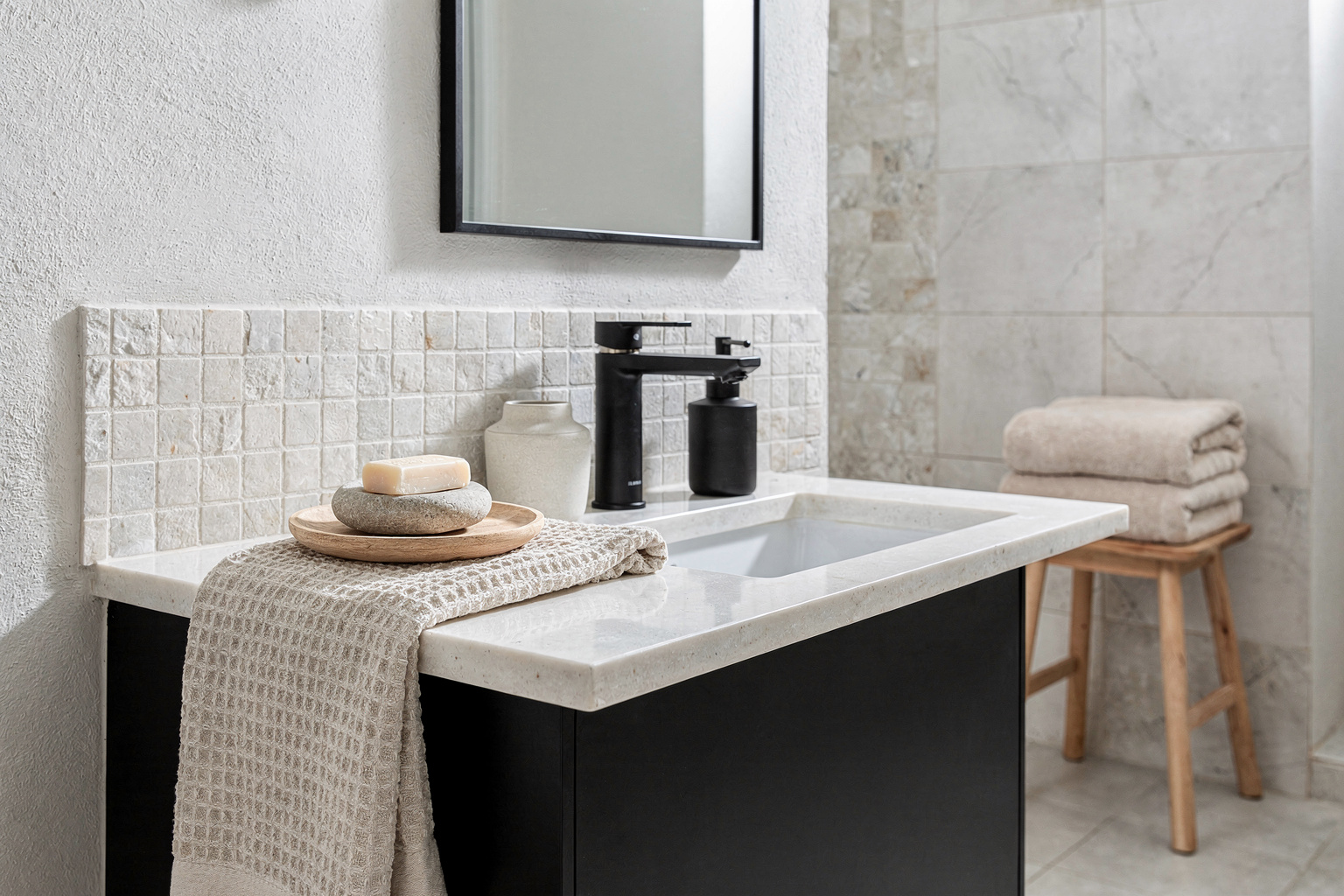
Biophilic bathrooms are often compact, making texture placement and scale critical. A common mistake is overloading a small room with heavy textures like large slate tiles or thick woven baskets, which can make the space feel cramped and heavy rather than airy.
The fix is to balance texture scale wisely. Use larger textured surfaces on floors or accent walls, then offset with smaller-scale textures on accessories or linens. For instance, a slate floor with simple smooth white walls, plus a small rattan basket and fine organic cotton towels, keeps the room anchored but light.
Also, consider how daylight plays off surfaces. Darker or heavier textures look best opposite natural light sources to avoid making the room gloomy. These choices ensure the bathroom feels spacious and layered without visual overload.
Harsh Texture Contrasts That Disrupt the Calm Mood
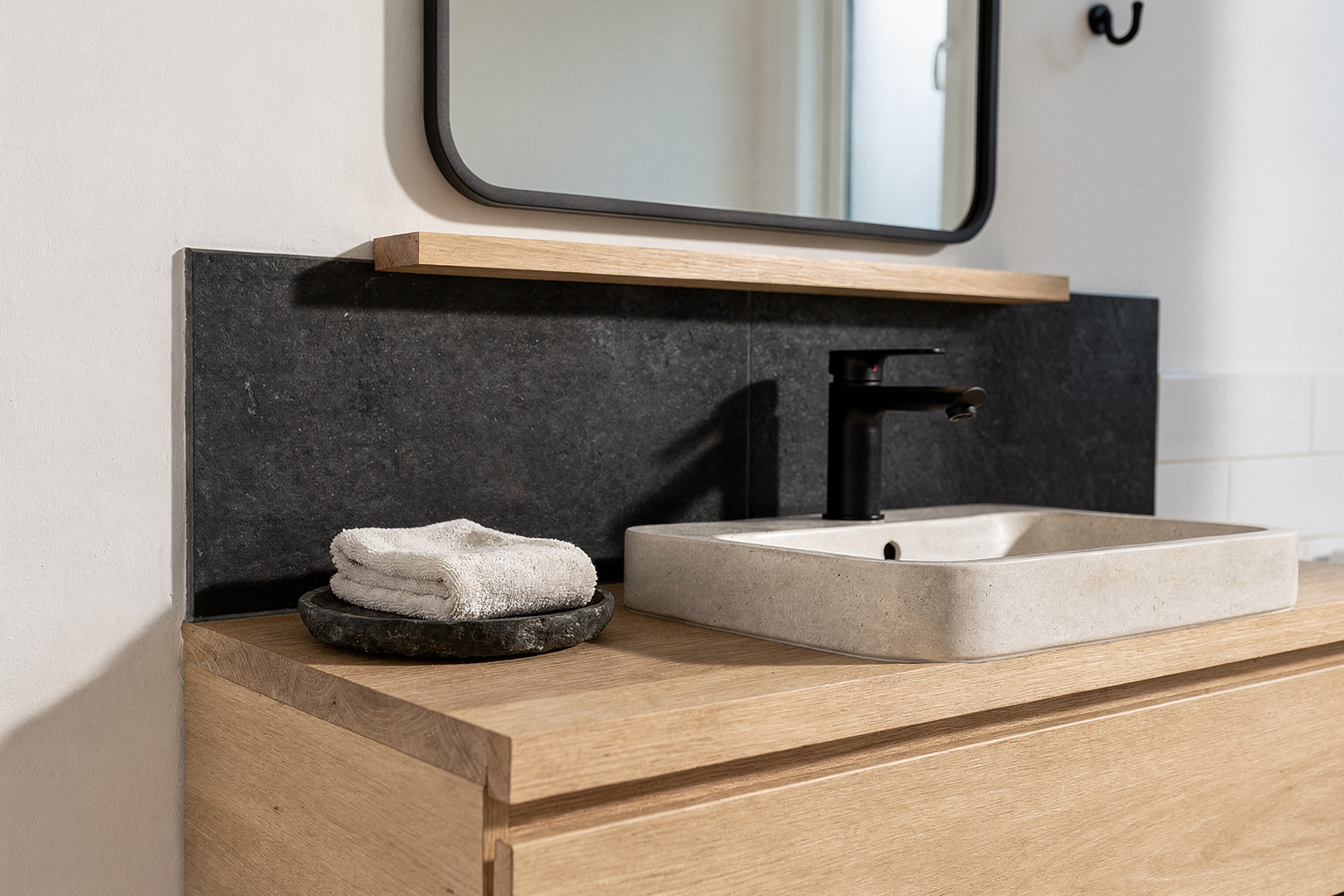
Finally, a harsh contrast between textures—like pairing cold, rough stone directly next to warm, silky surfaces without a softening layer—can throw off the biophilic mood. This sudden textural tension pulls attention rather than encouraging quiet comfort.
To fix this, soften hard edges with cushiony materials or natural fibers that absorb light and add warmth. For example, place a plush cotton bath mat or a soft linen shower curtain near stone and wood elements. A natural fiber wall hanging or a woven basket can also create gentle transitions.
Soft tones in neutrals or muted greens help unify these layers visually, providing a quiet warmth. Texture harmony here creates a calm, restorative spa feel rather than a sharp clash.
Frequently Asked Questions
What if I have a very small bathroom? How can I add texture without cluttering?
Prioritize proportion—choose one major textured surface (like a stone floor) and balance with smaller-scale soft textiles. Keep a light palette and maximize natural light to prevent feeling boxed in.
Can I use synthetic materials and still achieve a biophilic bathroom texture?
Yes, but opt for natural-feeling synthetics like linen-look curtains or wood-effect tiles in matte finishes. The key is how well the texture mimics real materials and how it blends with genuine elements.
How do I choose colors when layering textures?
Stick to a restrained palette inspired by nature—muted greens, soft browns, greys, and off-whites work well. Keep color layering subtle to support material texture rather than compete with it.
Is it okay to mix modern with rustic textures?
Absolutely. The contrast between smooth modern materials and rustic woods or stone adds interest—just use transitional textures like matte ceramics or soft linens to bridge the two.
What textures are easiest to maintain in a bathroom?
Natural stone tiles, smooth wood surfaces with a water-resistant finish, and washable cotton or linen textiles are practical choices that hold up well.
Biophilic bathroom texture mistakes are easy to make but equally easy to fix once you know what to look for. Avoid overly slick surfaces that break the warm flow, steer clear of chaotic roughness without harmony, and layer with intention following a natural rhythm. Pay attention to texture scale and placement, especially in smaller layouts, and soften any harsh contrasts with gentle fibers and muted tones.
Start your refresh by assessing the feel of each surface and accessory—ask which textures support the calm, layered vibe you want or which pull focus in disconnected ways. That simple check is your best first step to a balanced, approachable biophilic bathroom that feels like a grounded daily retreat.