
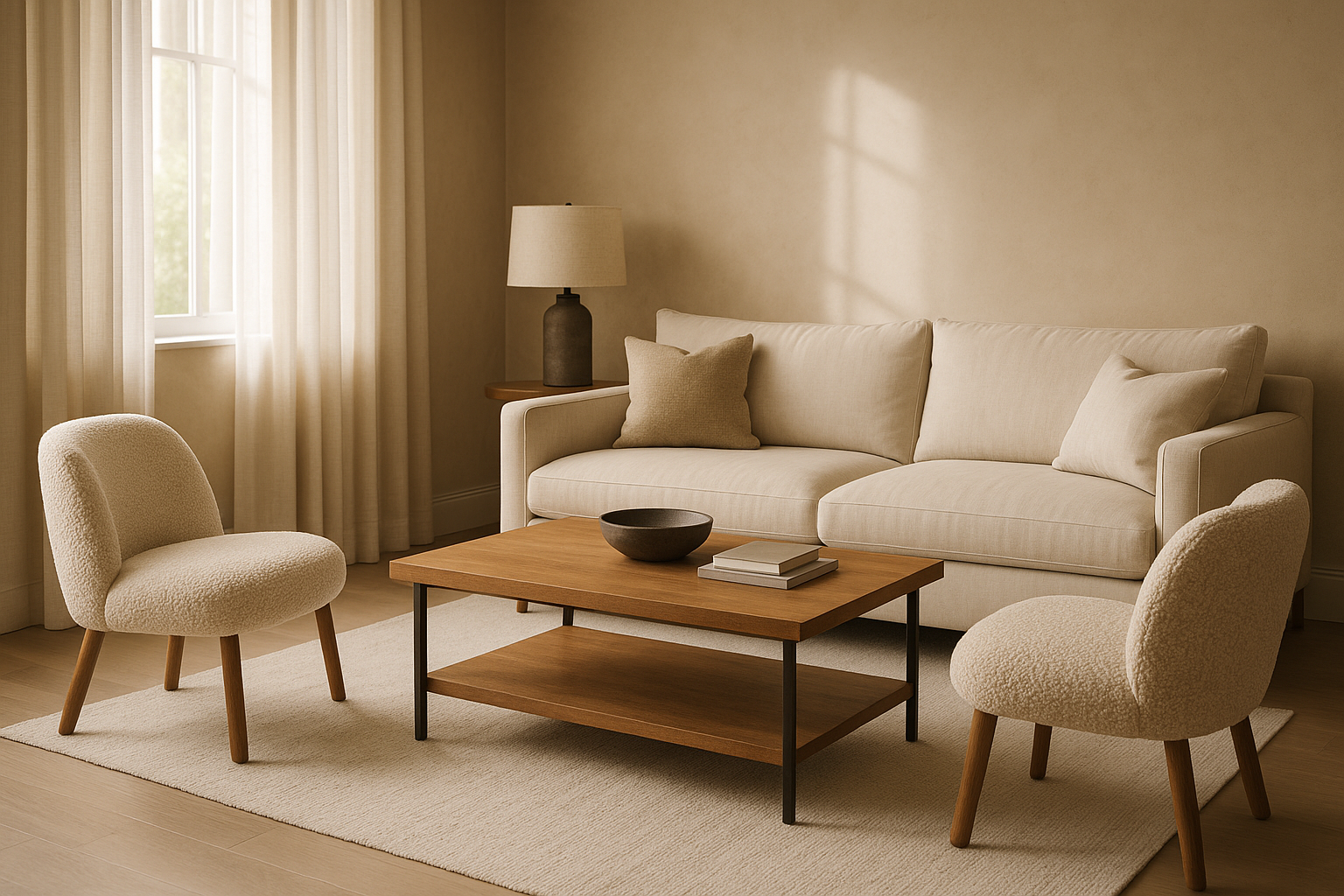
In contemporary interiors, texture is a silent architect shaping ambiance and comfort. The mix of linen and bouclé textures has emerged as a defining trend that marries natural elegance with tactile warmth. Linen offers a refined, lightweight, and matte surface, introducing a subtle organic feel, while bouclé brings a richly nubby, cozy texture, injecting softness and visual interest. Together, they create compelling contrasts that balance structure and softness—perfect for interiors seeking depth without clutter. This guide breaks down five precise styling ideas for integrating linen and bouclé in your space, focusing on spatial composition, material harmony, and everyday usability.
1. Linen Upholstery Anchoring Bouclé Accents
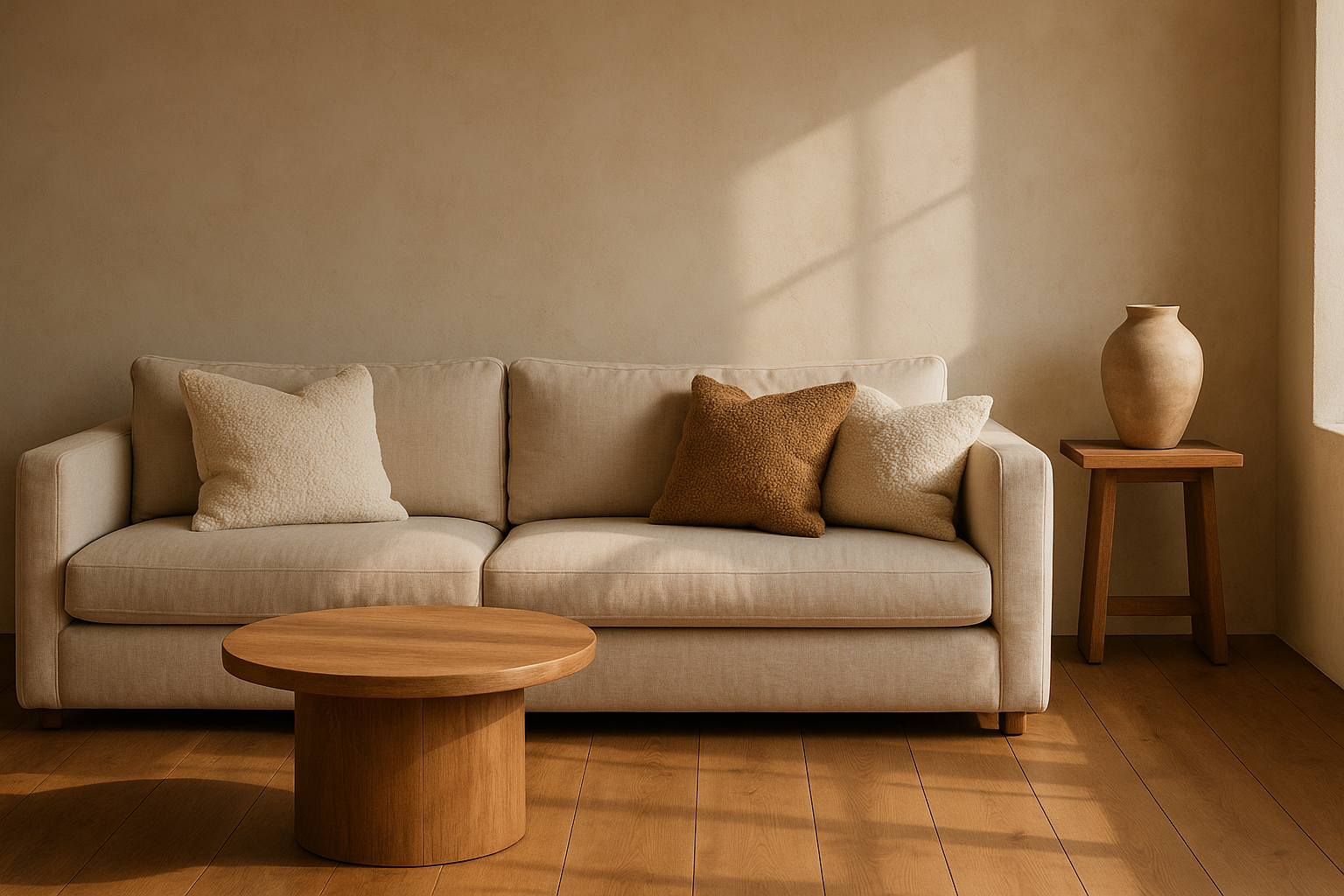
Start with linen as your foundational fabric—whether on sofas, chairs, or built-in benches. Its clean, matte finish and natural fibers establish a calm, neutral background that grounds the room visually. Against this, introduce bouclé in accent pieces like cushions or throws. The pronounced texture of bouclé cushions on a smooth linen sofa creates an inviting tactile contrast while maintaining a cohesive palette. Choose linen in shades of soft cream or warm grey, and pick bouclé in creams or off-whites to keep the combination light and sophisticated.
Practically, linen’s durability and breathability make it ideal for daily use, whereas bouclé’s plush surface adds comfort where you want a gentle touch. The key is scale: larger, untextured linen surfaces balance smaller, richly textural bouclé accessories. This layering approach adds visual depth without overwhelming the space and gives you flexibility to swap bouclé pieces seasonally.
2. Bouclé as a Statement Chair with Linen Surroundings
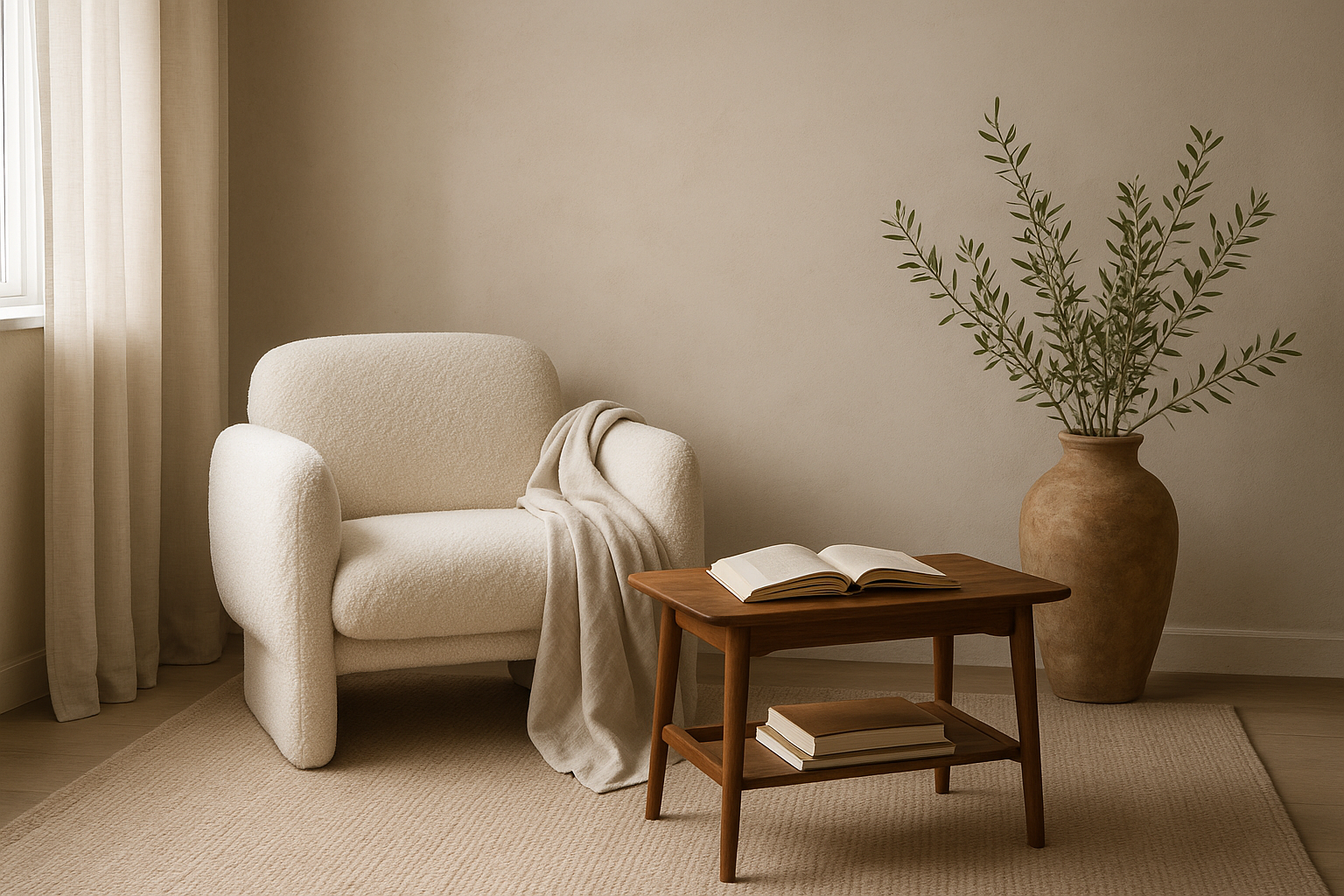
Use bouclé’s tactile appeal to create a focal point with a statement armchair or lounge chair in a living area or reading nook. The chair’s dense, knotted texture calls attention and invites touch. Surround it with linen elements such as curtains, cushions, or upholstered stools. Linen’s smooth and airy quality visually pushes back, allowing the bouclé chair to become an architectural accent.
To maximize impact, opt for a bouclé chair in a warm neutral like camel or soft beige, paired with linen in cooler greys or off-white. This interplay of warm and cool natural tones intensifies depth without clashing. A plaster wall or matte finish backdrop accentuates this textural contrast.
From a usability standpoint, bouclé chairs provide comfortable seating and are durable in form. Linen’s lighter feel in surrounding elements ensures the space remains understated yet dynamic. This tactic works especially well in compact spaces where a single plush chair can uplift an entire corner.
3. Mixing Linen and Bouclé in Dining Spaces
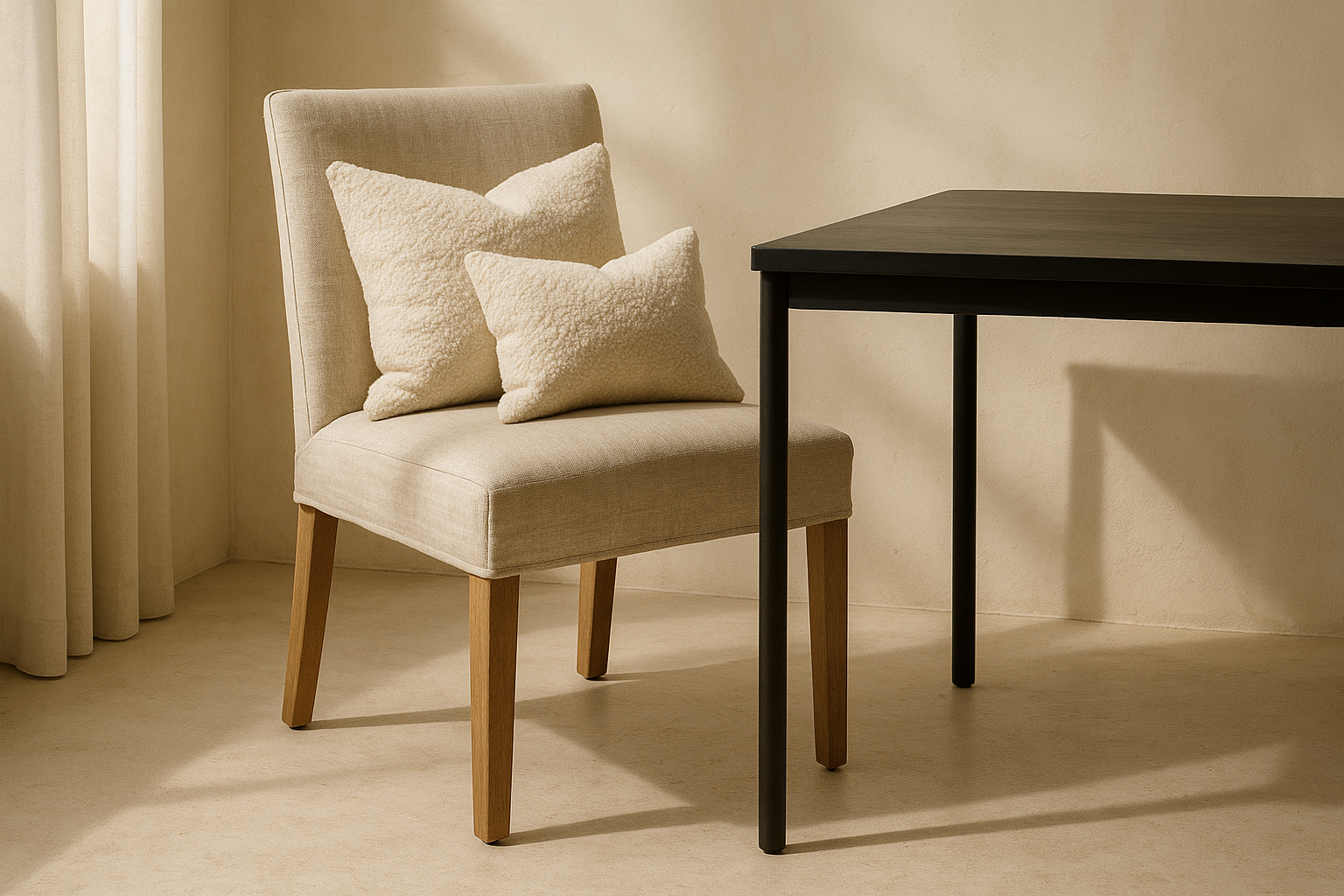
Dining rooms gain relaxed sophistication by combining linen-covered seating with bouclé cushions or bench pads. A linen dining chair offers sleek lines and breathability, while bouclé cushions provide plush comfort under extended seating periods. Pair these with a matte black metal or natural wood table to anchor the composition and introduce material variety.
This combination benefits from tonal layering—linen in muted taupes or greiges offset by bouclé accents in ivory or champagne. The difference in surface texture enhances the tactile experience at the table and visually softens hard surfaces.
Functionally, linen’s easy care and bouclé’s foam-backed texture enhance seating comfort and durability. Integrate textiles with removable cushion covers to simplify upkeep. This textural mix elevates casual dining areas into approachable yet refined social hubs.
4. Layering Textures in the Bedroom
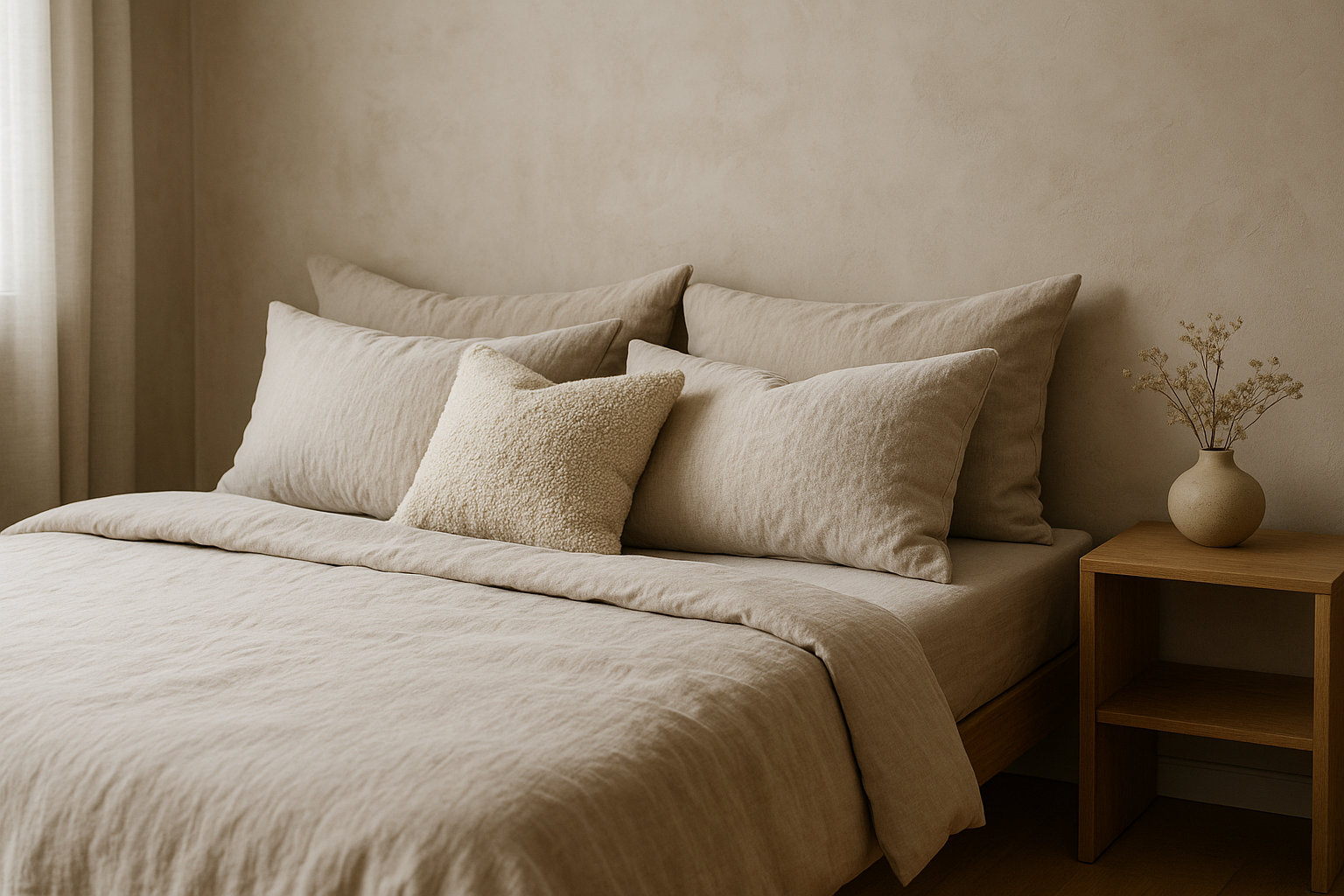
Bedrooms invite tactile layers to enhance comfort and tranquility. Combine linen bed linens with bouclé throw pillows or a bouclé bench at the foot of the bed. Linen sheets and duvet covers bring a crisp, matte softness, while bouclé adds sculptural, inviting texture.
Choose calming warm neutrals—pale sands, soft greys, and blush tones—to unify the palette and avoid visual noise. A plaster or matte-painted accent wall behind the bed frames the mix elegantly.
From a practical viewpoint, linen is ideal for bed linens owing to breathability and moisture-wicking properties. Bouclé accessories add texture without compromising functionality. This arrangement provides tactile interest while promoting restful ease—a retreat balanced between tactile grounding and lightness.
5. Drapes and Floor Accents: Linen Meets Bouclé on the Periphery
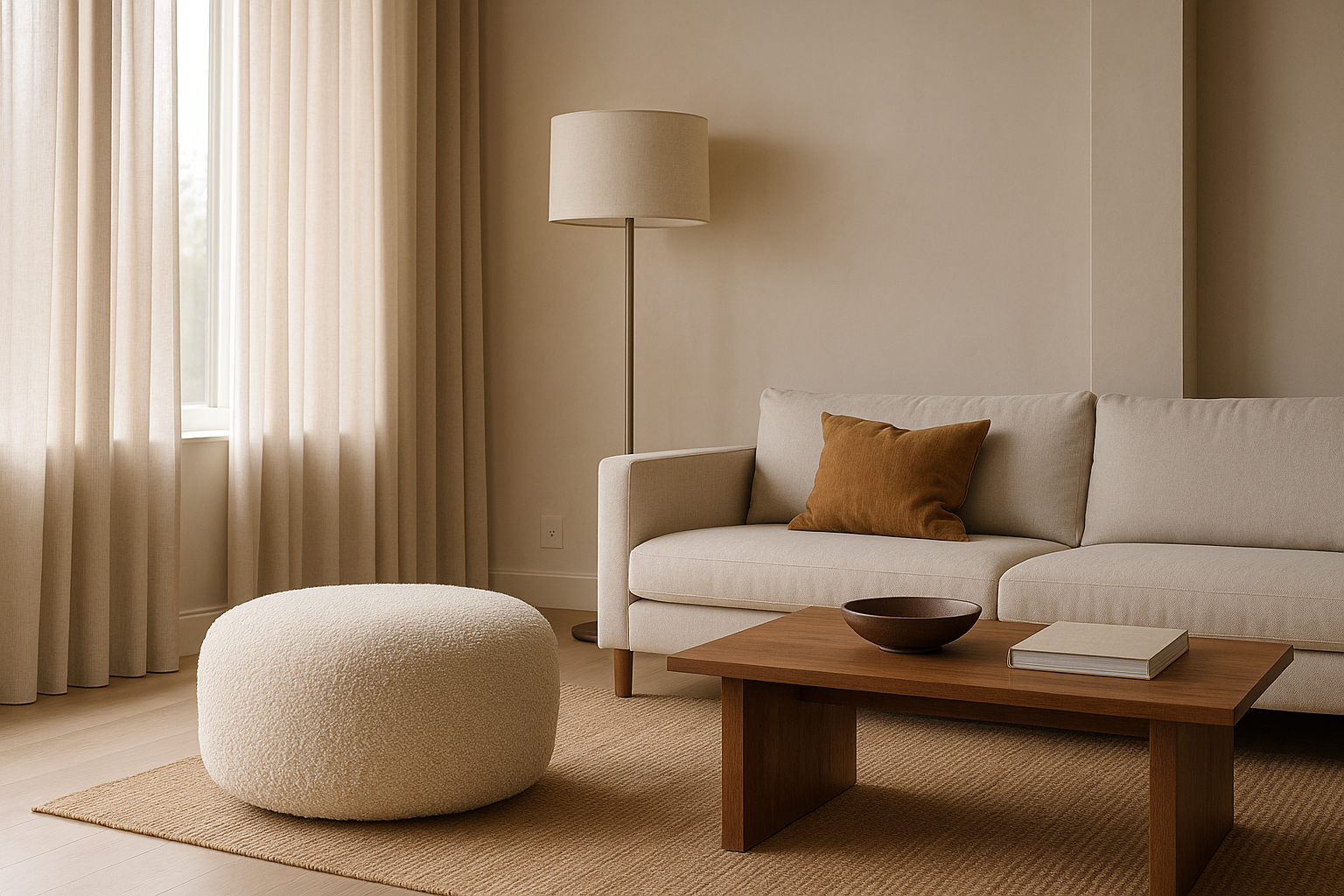
Extend texture interaction beyond primary furniture by combining linen drapery with bouclé floor accents like poufs or ottomans. Linen drapes filter natural light softly, their matte surfaces and gentle folds bringing architectural scale and height. Nearby bouclé ottomans introduce contrast through form and material, anchoring seating clusters with softness.
This pairing thrives in spaces with strong architectural lines, such as rooms with wood or metal details. Choose linen drapes in light earthy tones and bouclé accents in cream or natural ivory to maintain a natural, harmonious color story.
The practical advantage lies in how linen curtains offer privacy and light modulation, while bouclé poufs provide casual seating or footrest comfort. This layer of texture on the room’s edges enhances spatial depth without drawing away from central elements.
Conclusion
The linen and bouclé texture mix is an elegant strategy to deepen interior character while balancing durability and comfort. Linen’s understated surface sets a versatile platform, while bouclé’s expressive weave invites presence and tactile engagement. Which idea suits your space? For high-traffic living areas, start with linen upholstery paired with bouclé cushions. If you want a design focal point, a bouclé statement chair commands attention. Dining and bedroom zones gain warmth through thoughtful layering, and linen drapes with bouclé accents provide subtle textural framing.
Assess your room’s scale, use patterns, and color preferences to select the approach that aligns with your lifestyle and interior goals. In every application, the contrast of strong lines, subtle material shifts, and warm neutrals ensures your space feels intentional, inviting, and timeless.