
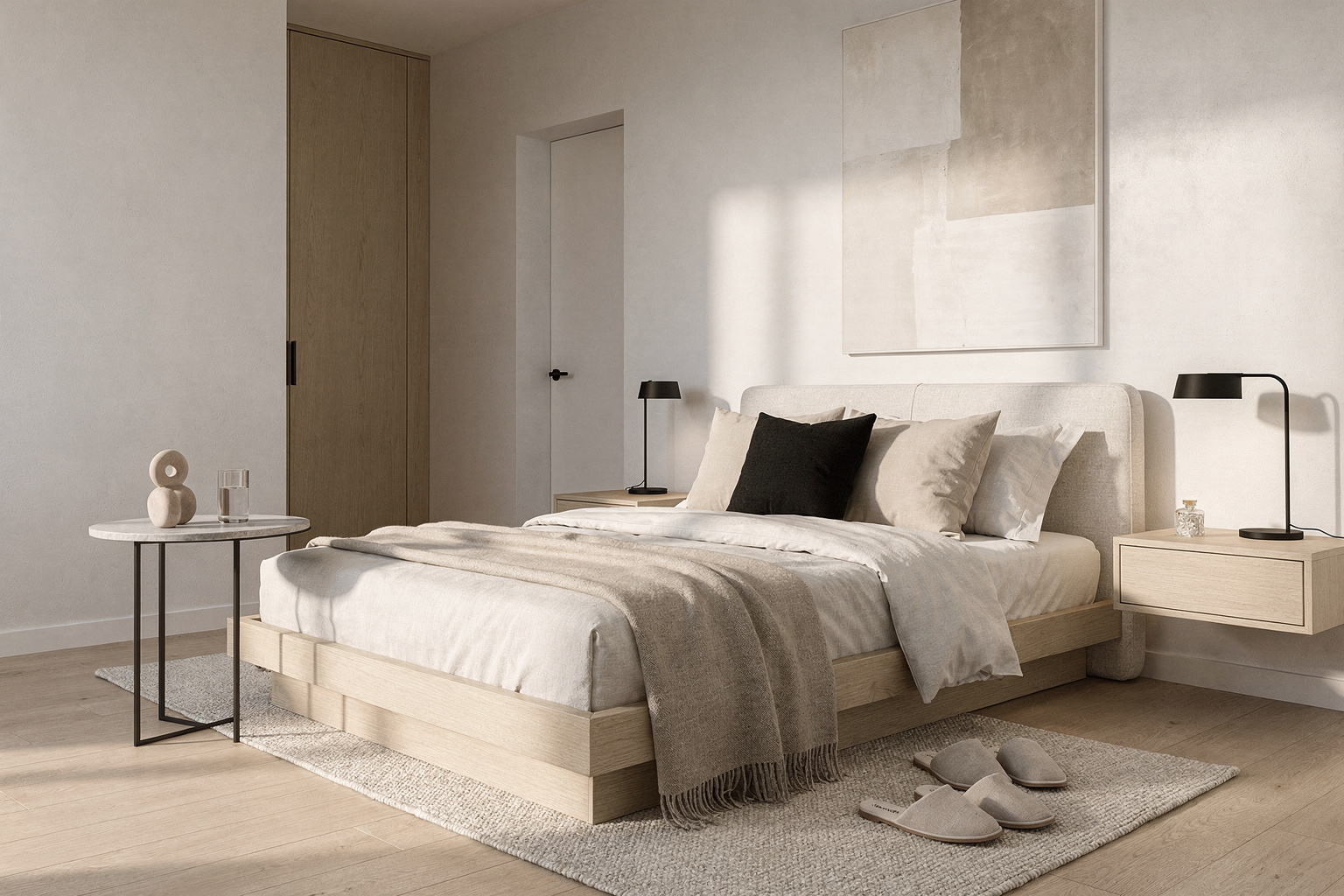
Neutral bedrooms often strike a delicate balance between restraint and comfort. The challenge is not just about choosing soft hues, but layering materials and controlling composition to create a calm, purposeful space that feels lived-in and inviting. When well-executed, a neutral palette can visually expand a room, provide emotional calm, and serve as a versatile backdrop for personal style.
Yet this simplicity demands precision: the layout, texture, and finish details matter profoundly. A neutral bedroom isn’t a blank canvas—it’s a carefully composed scene where scale and material interplay become focal points. By the end of this guide, you’ll be equipped to arrange, layer, and refine your bedroom in a way that optimizes flow, maximizes tactile interest, and sustains quiet warmth.
Establish a Grounded Layout with Clear Visual Flow
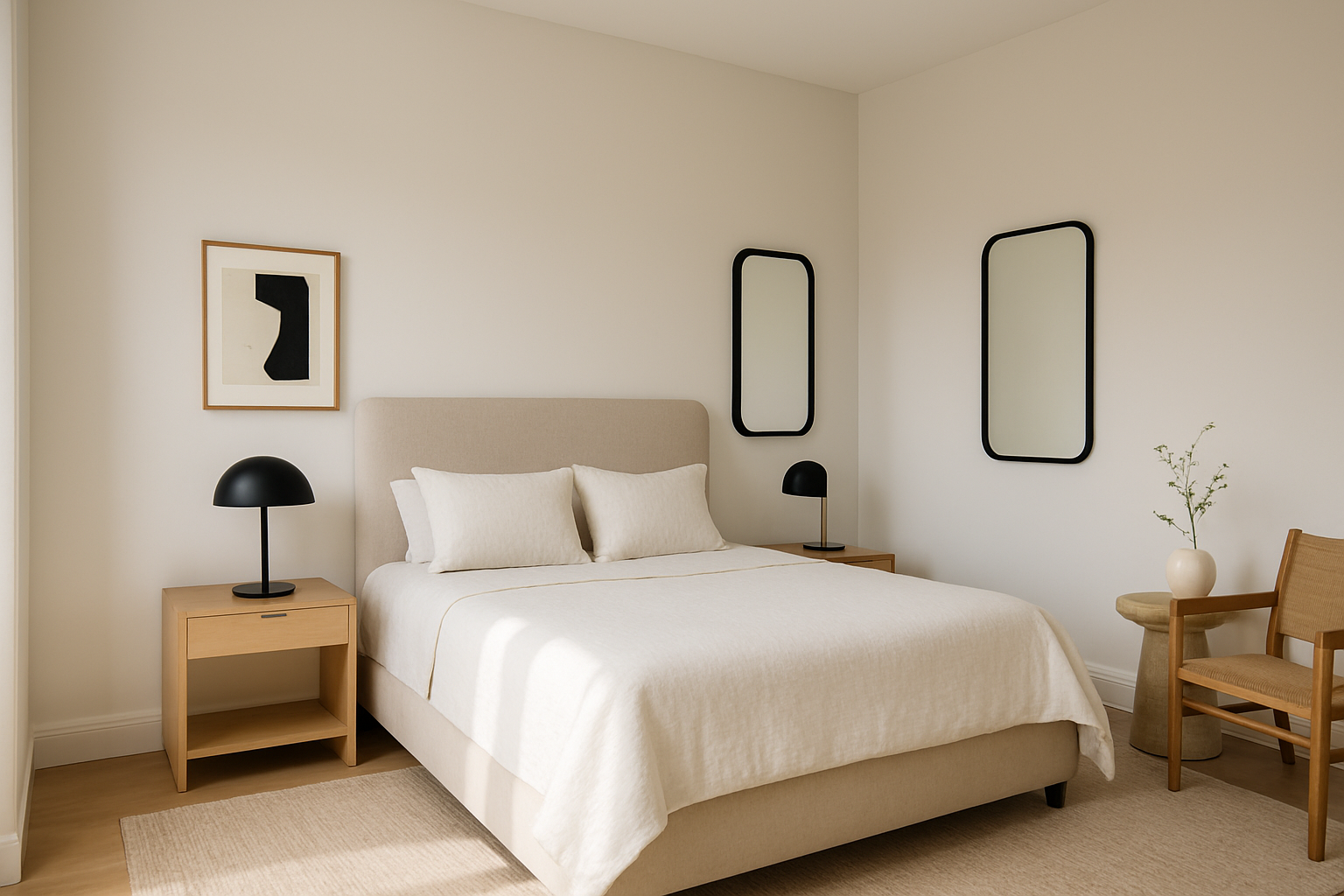
The first step in styling a neutral bedroom is thoughtful furniture placement. The bed is typically the dominant element, and positioning it with intention shapes the entire atmosphere. Centralizing the bed along the longest wall or opposite the window balances natural light and directs sightlines for a calm focus.
Avoid cramming furniture against every wall; instead, allow breathing room to maintain airiness. A narrow bedside table of wood or matte metal complements this openness, supporting functional use without visual weight. Consider circulation paths—ensure there’s a clear walking route from door to bed, and to closets. This prevents the space from feeling crowded or awkward, essential for the peaceful ambiance neutral schemes strive to uphold.
Experiment with scale by selecting furniture that complements the room’s size. Oversized pieces can overwhelm, while too-small furnishings may feel disconnected. A low-profile bed frame in matte wood or upholstered neutral textile anchors the space without competing with the walls’ color palette, enhancing a sense of composure.
Choose a Nuanced Neutral Color Palette to Layer Warmth and Coolness
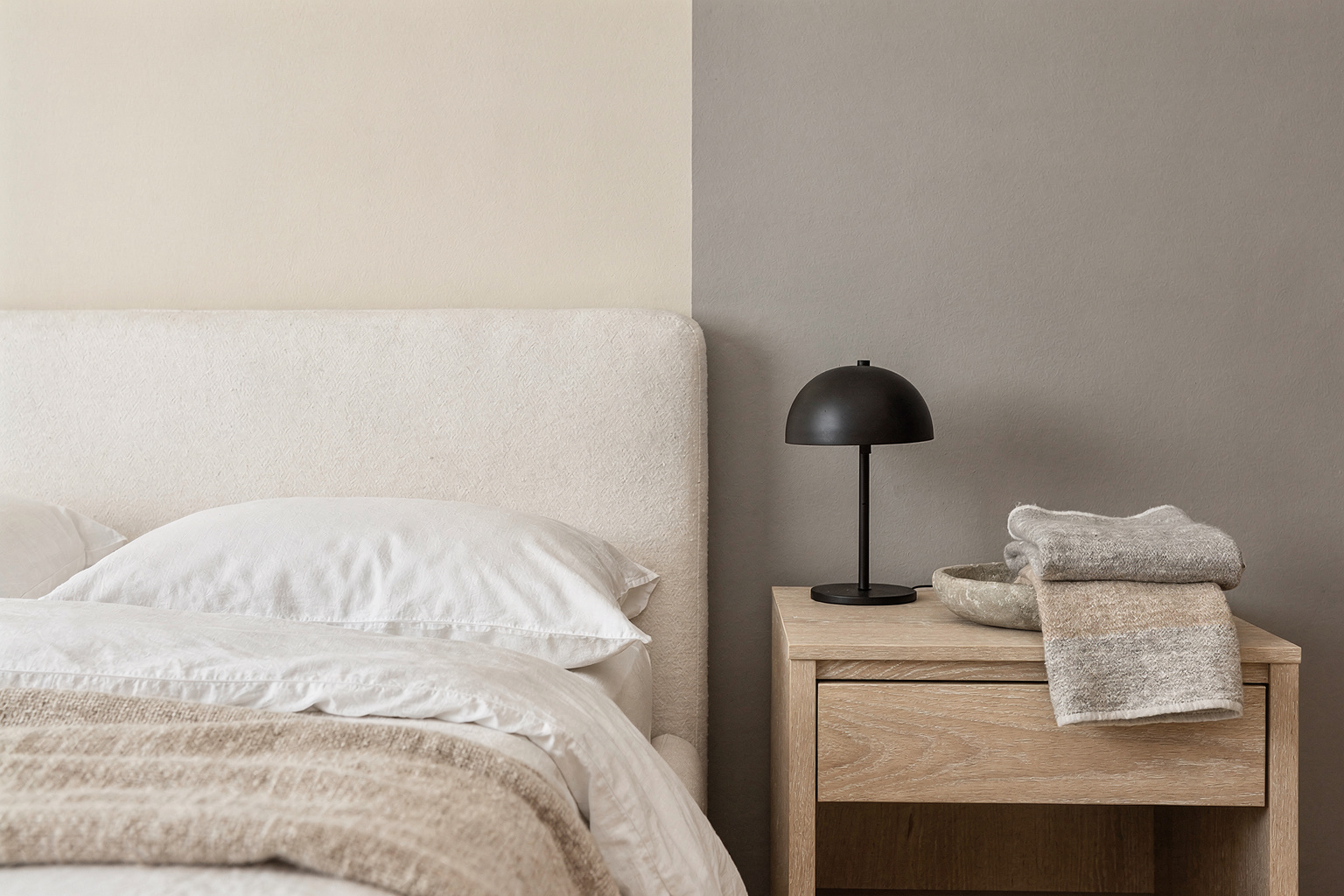
Neutral doesn’t mean monotony. The right palette blends warm and cool tones to avoid flatness while keeping calm integrity. Begin with a base of warm plaster-like creams or soft greiges on the walls, which provide warmth and texture beyond flat white.
Complement this with cooler accents—think slate grays in metal fixtures or deeper taupes in textiles—to anchor the room visually. This push-and-pull dynamic nurtures subtle intrigue for the eye without disrupting the tranquil mood. Wood tones are your best friend here, ideally matte and unvarnished, in light oak or walnut, adding an organic, tactile warmth.
Test color undertones under your room’s natural light. North-facing bedrooms often benefit from warmer neutrals to counterbalance cooler daylight, while south-facing spaces can handle cooler hues without feeling chilly. Introduce small bursts of neutral earth tones in pillows or throws to complete the palette and avoid visual stagnation.
Layer Textures Thoughtfully to Add Depth Without Clutter
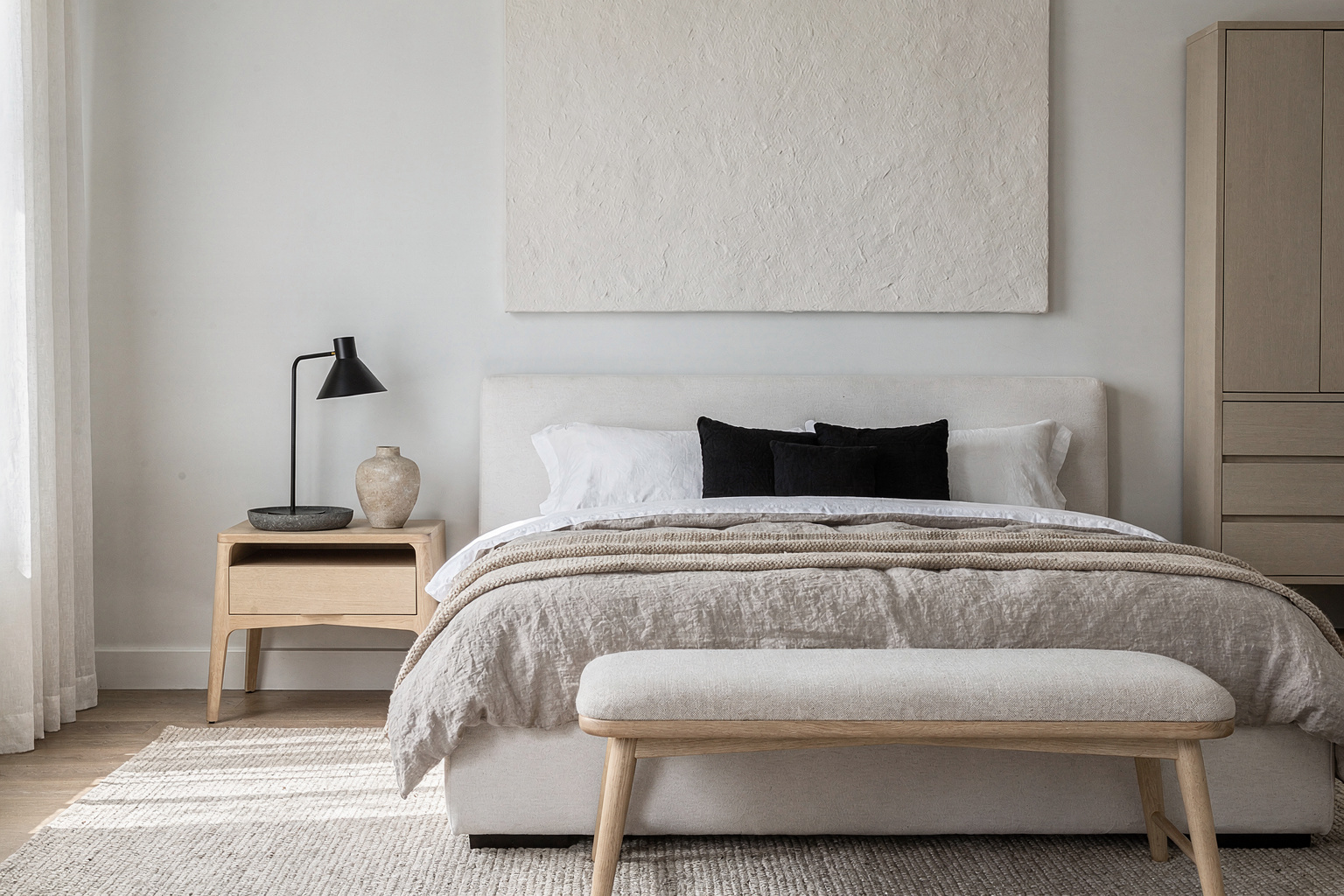
Texture is the secret weapon in a neutral bedroom. It injects personality and sophistication without overwhelming the pared-back aesthetic. Begin with a high-quality linen duvet cover in a soft cream or pebble, paired with pillows in subtly varied weave patterns.
Add a woven jute or wool rug in natural tones beneath or beside the bed to ground the space. Tactile contrast between smooth plastered walls, matte wood furniture, and soft textiles invites touch and sight, creating a composed yet inviting sensory experience.
Metal accents in subdued black or brushed nickel finishes on lighting and drawer pulls emphasize architectural lines and provide an elegant counterpoint to soft layers. Avoid overly shiny or reflective metals; the goal is matte finishes that complement rather than compete.
Resist the urge to overcrowd with accessories—select one or two standout pieces like a minimalist ceramic vase or an artisanal wooden tray. These curated details keep the bedroom feeling lived-in yet edited.
Balance Scale and Contrast to Prevent Visual Flatness
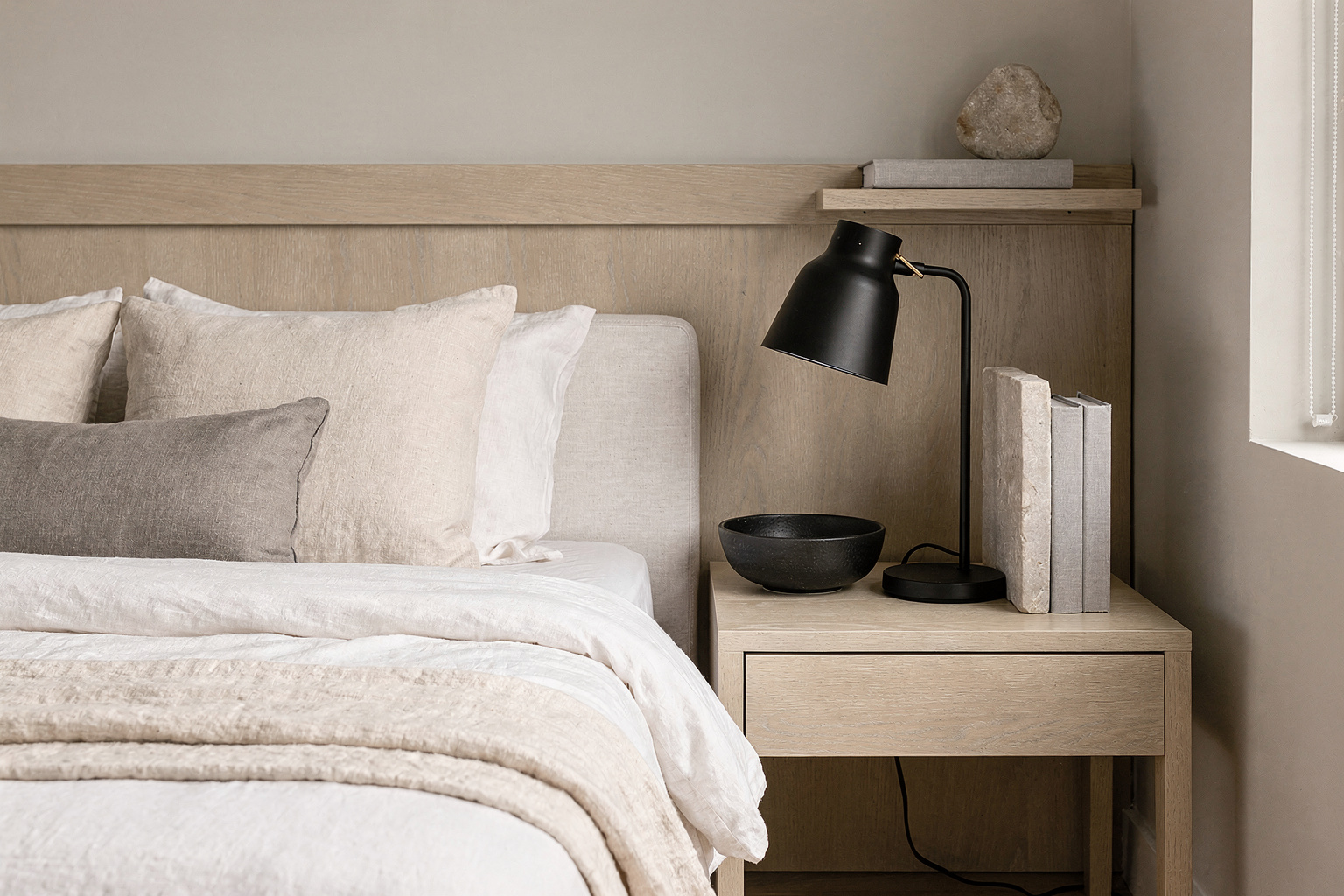
Even within a neutral, tonal scheme, scale and contrast are key considerations. Too much similarity in size or color can flatten the space. Instead, use proportion deliberately.
Pair a robust, textured bed frame with slim, geometric bedside lamps that have metal bases. This juxtaposition draws the eye and creates a focal point around the bed without excess.
Introduce height variation with a tall floor plant or a narrow standing mirror in a matte wood frame to break horizontal monotony. Mirrors also amplify natural light and add spatial depth, enhancing the room’s quiet openness.
When selecting textiles, balance heavier woven blankets or chunky knits with lighter, sheerer linen curtains. This layering, varying opacity and heft, provides nuanced softness to the visual and physical experience.
Test these juxtapositions with your chosen palette and materials by temporarily rearranging textiles and accessories before finalizing. This practice helps you fine-tune visual interest while maintaining serene balance.
Finish with Clear Focal Points and Restrained Accessories for Resolved Calm
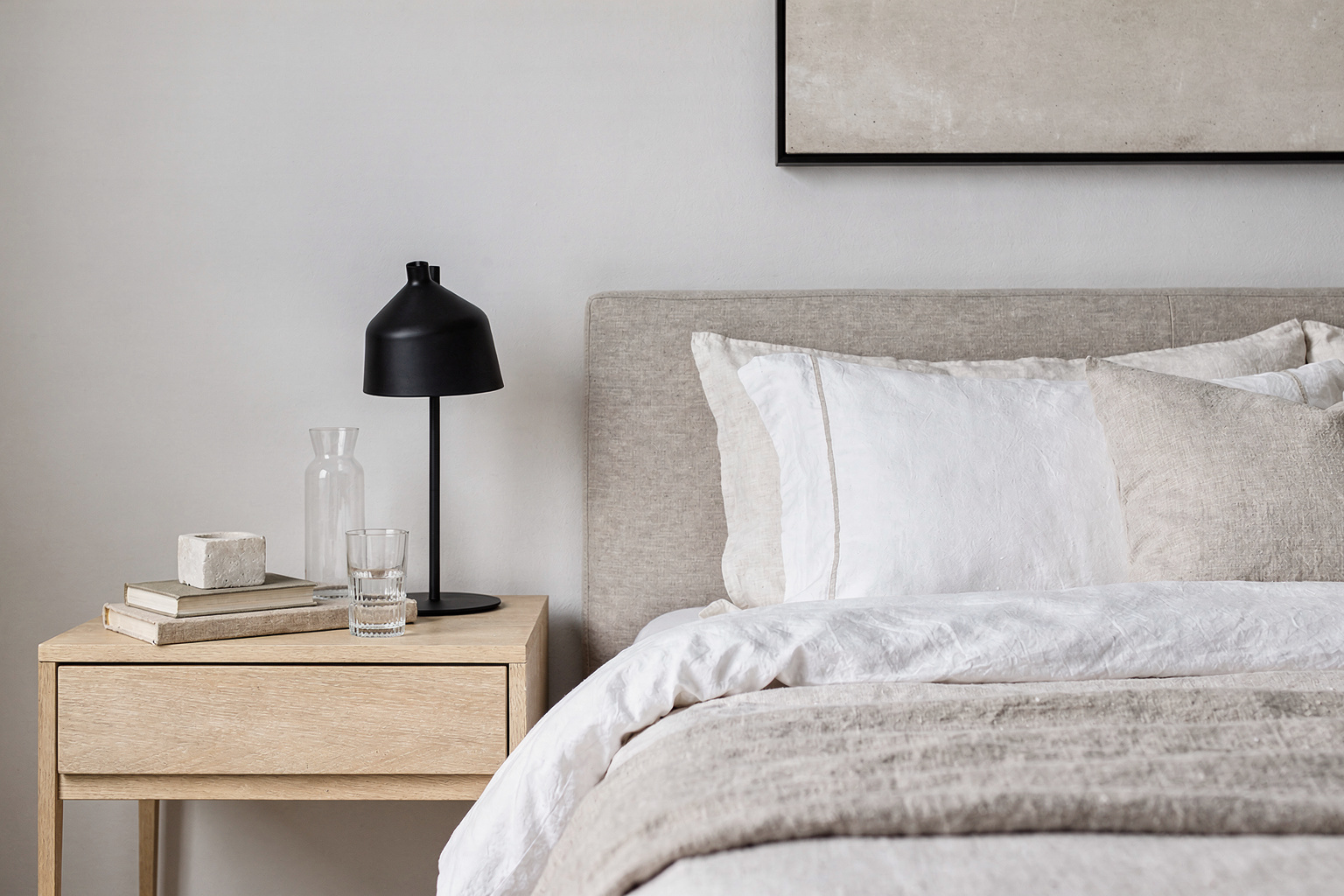
The final styling step is about simplification and clarity. Identify one or two focal points—often the bed and a key piece of artwork or architectural feature—and limit accessories that distract.
Keep bedside tables clutter-free with essential objects only: a lamp, a book or two, and a small plant or ceramic object. This restraint reinforces the room’s quiet flow and intentionality.
Choose window treatments in light-filtering fabrics that allow softness without harsh glare. Matte wooden blinds or linen curtains in complementary neutrals blend function and aesthetic.
Lastly, consider the room’s daily use: materials should feel comfortable and offer durability. Matte finishes grow softer with time; textiles should be cozy but washable. The curated assembly of shapes, textures, and colors culminates in a bedroom that feels calm, tactile, and composed — a genuinely restful retreat grounded in good design.
Frequently Asked Questions
How can I keep a neutral bedroom from feeling cold or sterile?
Layer warm and cool neutrals together, add textured materials like woven rugs and linen bedding, and use warm wood tones to bring tactile warmth.
What’s the best way to balance scale in a small neutral bedroom?
Choose low-profile furniture with clean lines, avoid oversized pieces, and introduce vertical elements like mirrors or plants to create balanced contrast and depth.
Which materials work best for a neutral bedroom color palette?
Matte plaster or painted walls in warm creams or greiges, unvarnished wood furniture, linen or cotton textiles, and matte metal accents provide cohesion and subtle contrast.
How do I avoid common neutral bedroom layout mistakes?
Allow clear circulation paths, position the bed strategically relative to windows and doors, and choose bedside tables that complement rather than crowd the space.
Can I introduce pattern in a neutral bedroom?
Yes, subtle pattern in textiles—like a soft geometric weave or tone-on-tone stripes—adds interest without disrupting the calm.
Styling a neutral bedroom demands an eye for composition, material balance, and practical flow. Establish your layout with spatial clarity and a nuanced color palette to build a foundation. Then, layer texture with intention while managing scale to maintain depth. Finally, edit accessories to sustain calm focus. This approach ensures a room that feels expertly composed and quietly lived-in—a true reflection of thoughtful design.