
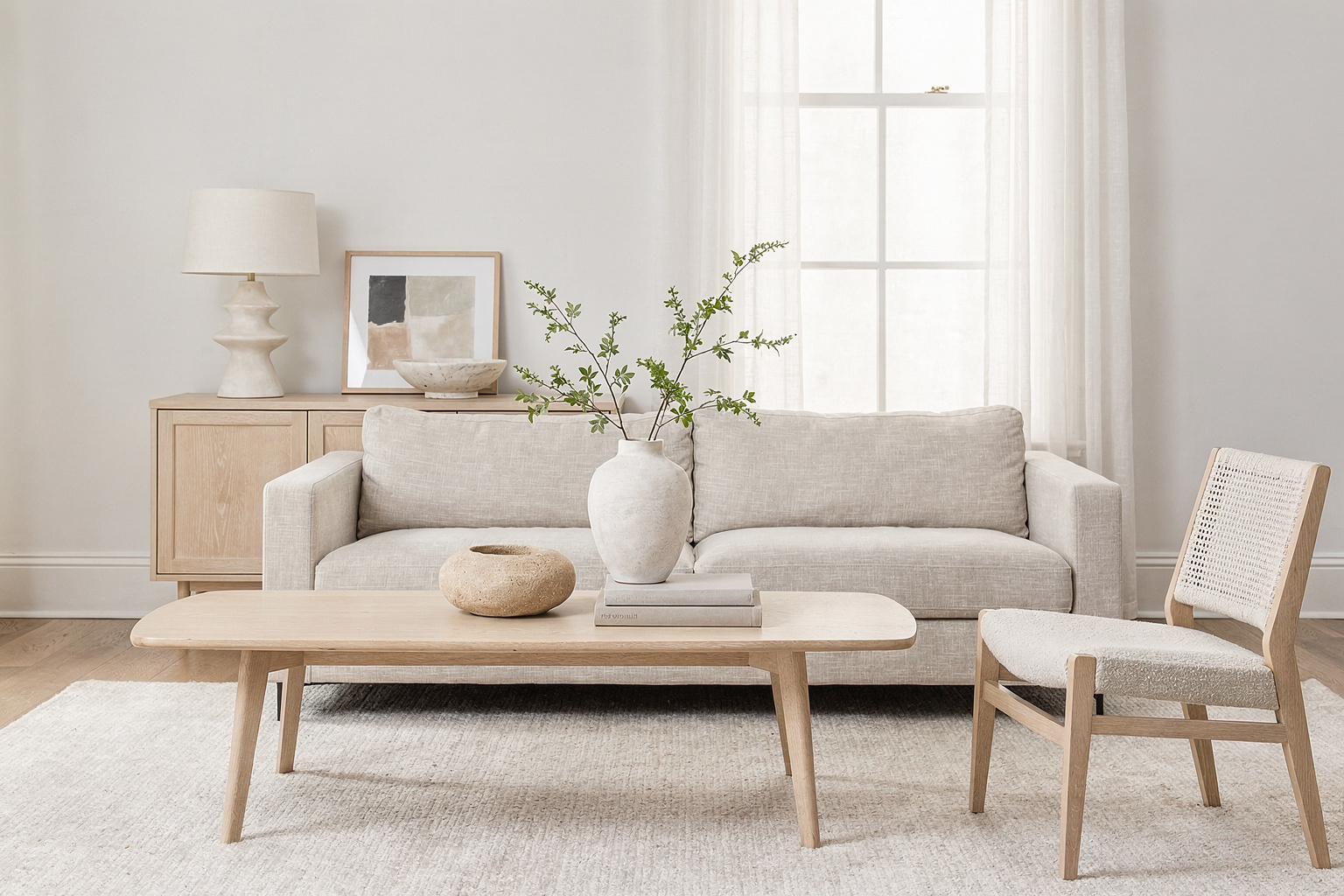
Choosing the right decor accents for your living room surfaces can feel surprisingly complex. With countless options available—from sculptural ceramics to delicate textiles—the challenge lies in balancing style with function, and decoration with lived experience. The best decor accents don’t just fill space; they respond thoughtfully to your room’s proportions, light quality, and existing palette. A well-curated surface styling approach creates a space that feels layered but not cluttered, warm without feeling heavy.
Understanding which accents will enhance your living room’s flow and visual harmony requires clarity about materials, scale, and placement. This guide will walk you through practical criteria for selecting decor accents, explore natural material options, compare style fits for varying spaces, and offer nuanced buying advice. By focusing on well-chosen, layered textures and grounded color coordination, you’ll be able to style living room surfaces that feel intentional and inviting every day.
Prioritizing Scale and Material to Avoid Surface Styling Pitfalls
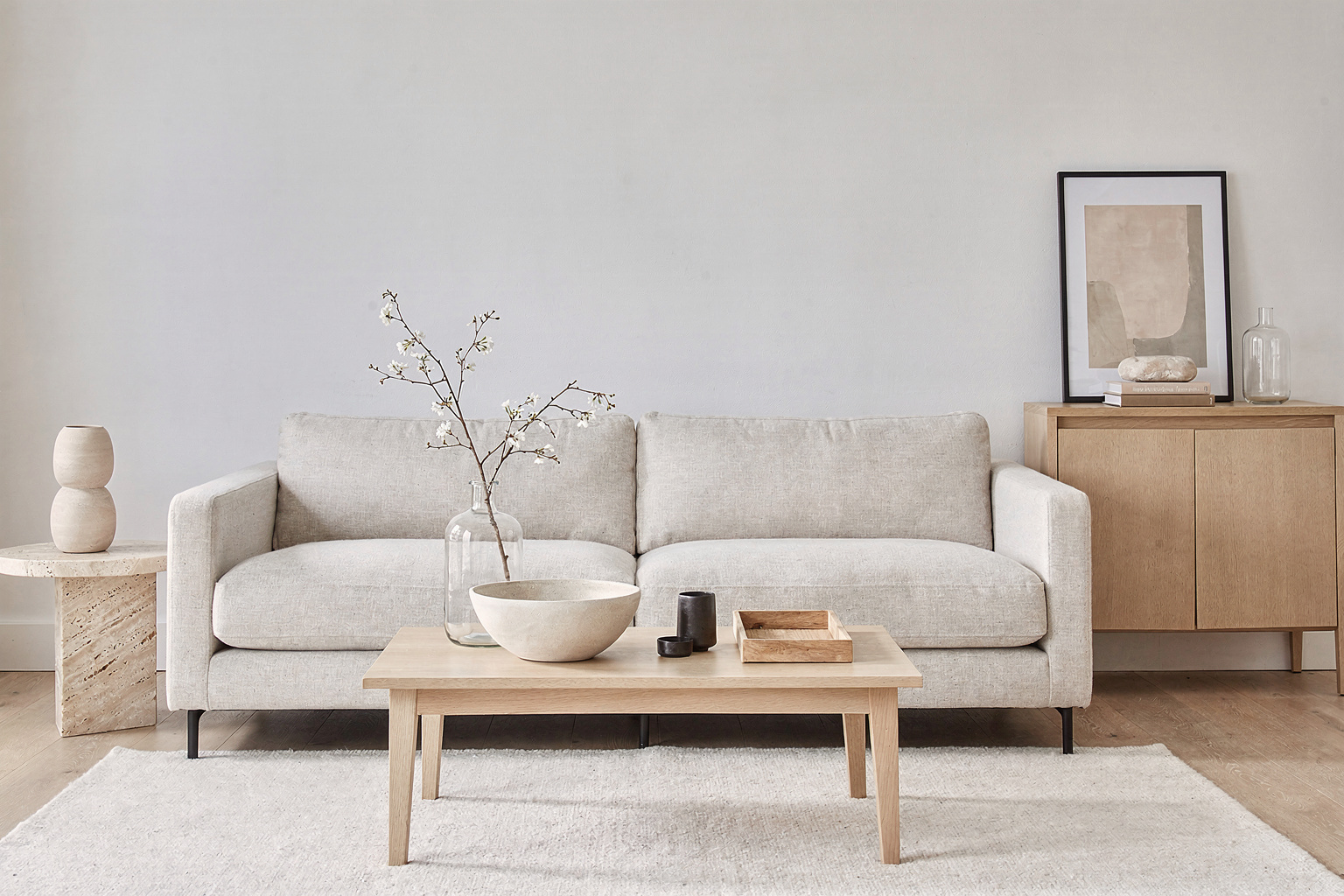
The most important standards when choosing decor accents center first on scale and material harmony. Oversized or overly ornate pieces can overwhelm smaller rooms or compete visually if placed without balance. Start by considering the surface size—be it a coffee table, shelf, or console—and aim for a curated arrangement that leaves breathing space. Groupings of three to five accents often work best, varying height and shape but keeping the overall cluster balanced.
Natural materials such as oak, linen, and stone complement one another beautifully, grounding the space in subtle earth tones and textures. These materials reflect light softly, aiding a calm ambiance. Avoid overly reflective plastics or highly textured synthetics that can disrupt visual flow. Likewise, be mindful of color saturation; muted neutrals with occasional warm undertones tend to layer more seamlessly than bold or cool contrasts.
In practice, test your surface by placing your planned accents together and stepping back. Does the arrangement feel light enough not to crowd the surface? Are textures layered without becoming visually confusing? Doing this prevents common living room surface styling mistakes to avoid, especially in daylight where clutter shadows become apparent.
Why Natural Stone and Wood Accessories Offer Lasting Warmth
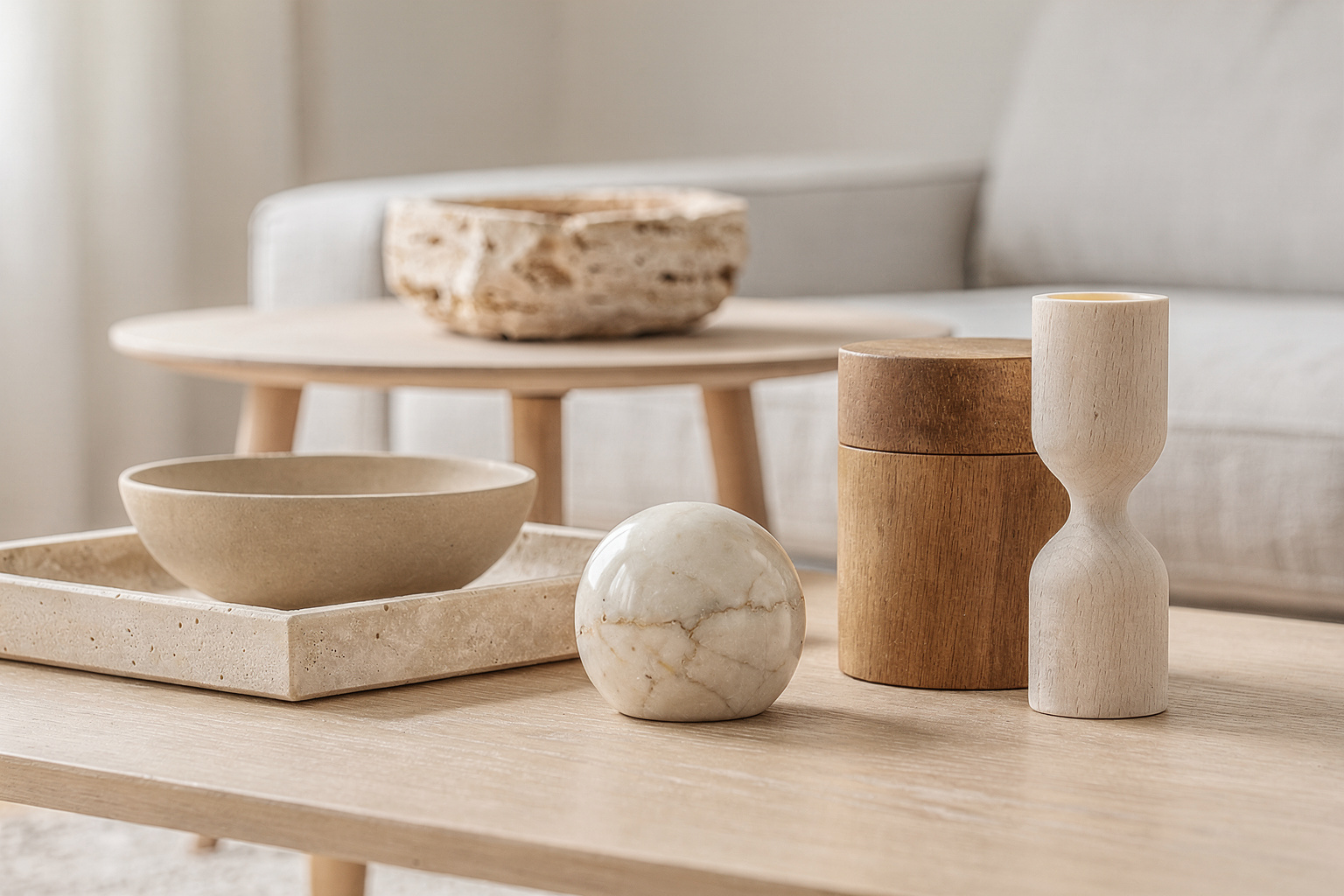
Choosing decor accents crafted from stone or wood introduces both tactile interest and timeless quality. Stone elements—like a smooth marble tray or a textured ceramic vase—anchor surfaces with an organic presence and subtle weight. They catch diffused daylight naturally and bring soft contrast when paired with linens or woven fabrics.
Wood accents, particularly oak, build warmth and enhance connection to natural surroundings. Whether through a small sculptural object, a functional bowl, or a stand-alone wooden box, these pieces subtly introduce craftsmanship and texture. The grain and finish add complexity without overwhelming neutral color schemes.
Combining stone and wood works well visually because they share an earthy lineage but offer different tactility. For example, a raw-textured stone bowl paired with a gently sanded oak tray creates a layered look that invites touch and eye movement. When styling at home, group these materials thoughtfully, always entering with varied heights: a low bowl complemented by a taller wooden box offers dimension.
Colors here remain soft—whites, beiges, grays with warm undertones—so that materials complement natural daylight and soft furnishings. This combination suits living rooms aiming for a grounded yet refined finish.
Incorporating Soft Textiles as Stylish, Practical Finishing Touches
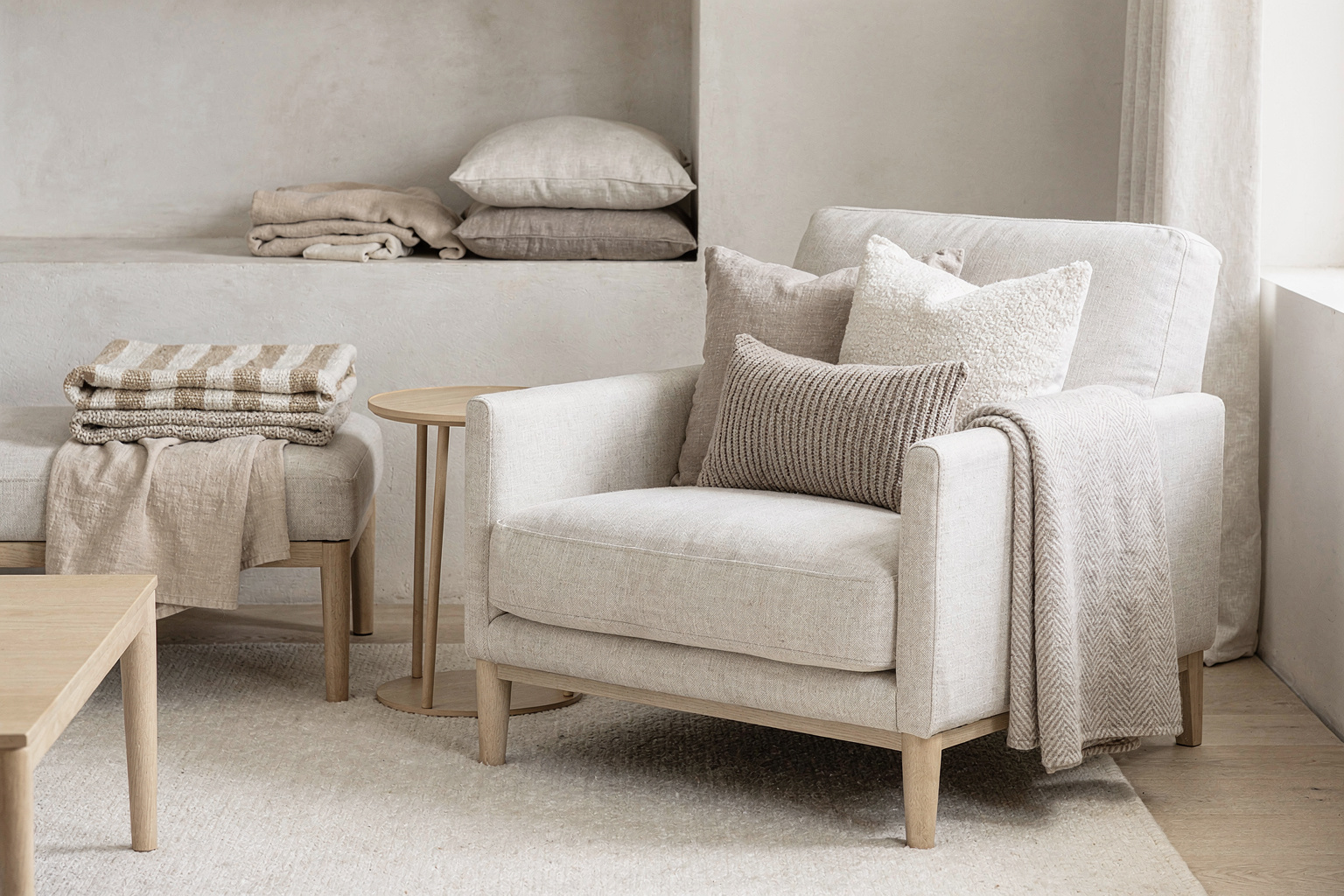
Adding linen or cotton textiles as surface accents creates softness and tactile contrast, elevating not just the look but the feel of your living room. Lightweight throws casually draped over a sofa arm or a stack of folded linen napkins or pillow covers on a console table can act as low-key but impactful decor accents.
Textiles serve a dual purpose: they soften harder surfaces like wood or stone, and introduce gentle movement and warmth. Their weave and texture work to catch light and shadow differently throughout the day, giving your living room subtle visual rhythm. Natural linens in sandy, blush, or soft gray tones are especially effective for complementing grounded palettes.
For practical application, avoid covering too much surface area to keep your styling from feeling untidy. Instead, fold textiles neatly or use linen runners on tables aligned with other objects to maintain crisp lines. This also prevents common mistakes like overcrowding surfaces or mixing too many patterns, which can disrupt calm balance.
In rooms with ample daylight, linen accents highlight natural light flow, reinforcing softness alongside harder decor materials.
Matching Accents to Room Proportions, Layout, and Budget Constraints
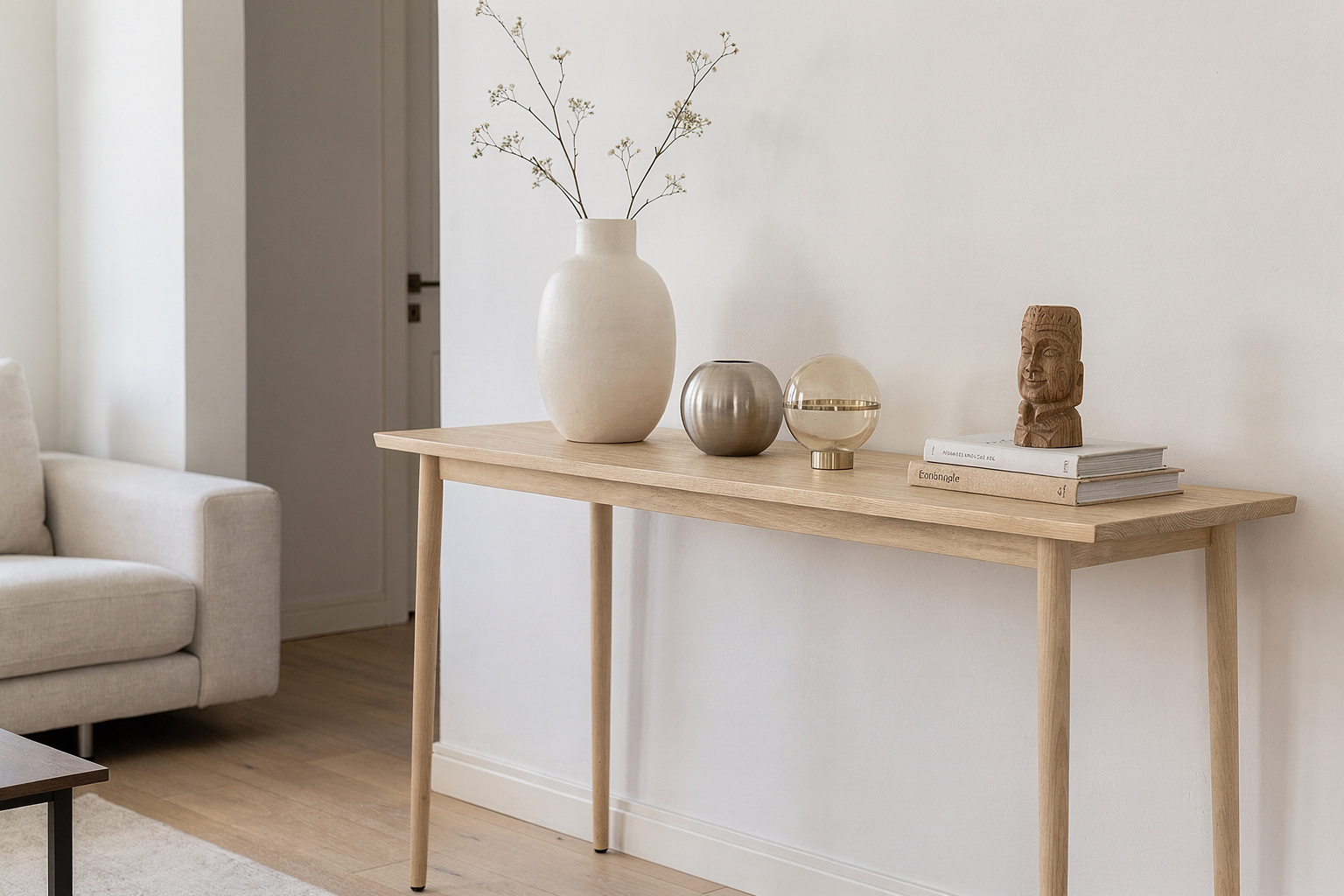
Not every living room can accommodate the same type or number of decor accents. Small rooms especially benefit from carefully scaled pieces that don’t obstruct pathways or block light. Opt for streamlined objects that feel airy—think slender ceramic vases, narrow wooden trays, or low-profile stone coasters that don’t compete for attention.
In larger or open-plan spaces, you can afford bolder, more sculptural accents that serve as focal points on tables or shelves. The key is to maintain visual balance; avoid clustering everything in one spot and leaving other surfaces bare. Instead, spread accents thoughtfully, creating rhythm and flow. This also works well within different budget levels; natural materials can be found across price points.
For budget-conscious styling, focus on one or two meaningful natural material pieces and augment with curated textiles or small painted ceramics. Avoid layering too many small, inexpensive items that can create visual noise rather than quiet warmth.
Consider how your chosen accents interact with furniture style and layout. Angular modern pieces contrast beautifully with organic materials, so embrace contrasts to complete your room’s character without forcing a uniform look.
Confident Selections: How to Narrow Decor Accents with Practical Buying Choices
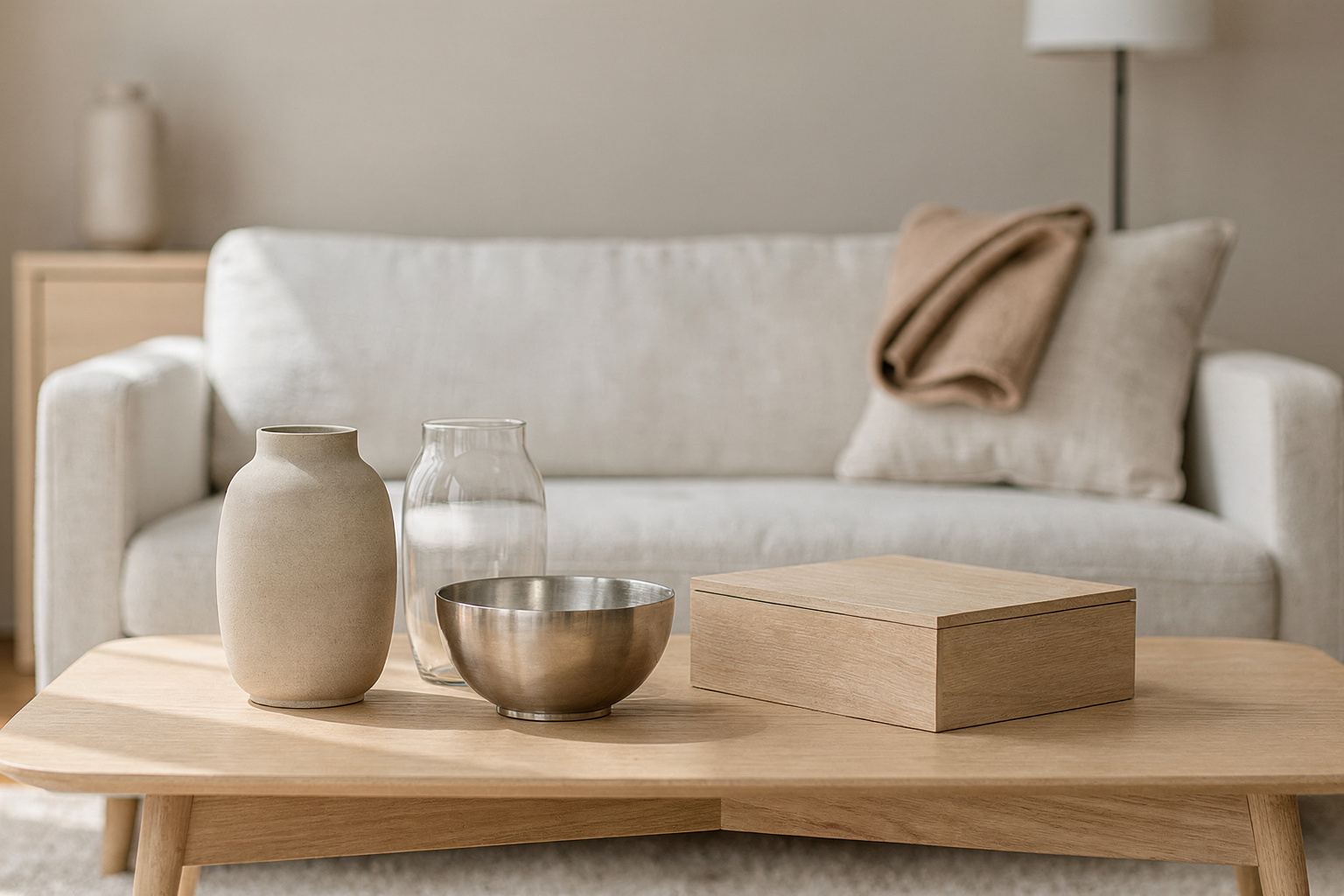
Buying decor accents knowing what to prioritize simplifies decision-making. Start with a clear vision of your room’s color and material palette—lean into the timeless warmth of soft earth tones and natural textures. Narrow your options by first choosing one anchor item per surface, ideally in oak or stone for tactile foundation.
From there, consider functional accents that also contribute aesthetically: a books stack, petite greenery in a neutral ceramic pot, or a woven basket that can also serve as discrete storage. Selecting accents that feel both purposeful and beautiful helps maintain a lived-in yet curated room.
Avoid impulse buys or purely trendy items that might clash with your established materials or colors. Instead, invest in versatile pieces that feel personal, timeless, and adaptable. Smaller budgets can stretch farther by choosing quality linens or handcrafted ceramics rather than multiple decorative trinkets.
Ultimately, trust your eye for layering textures and maintaining proportion. This approach results in living room surface styling that feels curated, comfortable, and visually balanced—not overdone or overly minimal.
Frequently Asked Questions
What size decor accents work best on small living room surfaces?
Choose smaller-scale pieces that keep the surface feeling open. Groupings of two to three accents work well, with variation in height but avoiding anything too bulky that blocks light or sightlines.
Can I mix natural materials with metal or glass accents?
Yes, but keep it subtle and thoughtful. Limit metal or glass to one or two pieces, ideally matte or muted finishes, so they complement rather than compete with natural textures.
How often should I update living room surface styling?
Refresh seasonally or when your mood changes. Swap textiles or small accents to keep the space feeling fresh without overhauling the core materials and arrangement.
Are patterned textiles suitable for living room surface styling?
Patterned textiles can work if kept minimal and in natural hues aligned with your palette. Avoid busy prints that interrupt the room’s calm balance.
How do I avoid surface clutter when styling multiple living room areas?
Plan each surface individually but in relation to the whole room’s rhythm. Leave space around groupings, stick to a limited color family per surface, and mix materials deliberately to sustain harmony.
Choosing the best decor accents for your living room revolves around striking visual balance through scale, materials, and layering. Embracing natural textures like oak, stone, and linen offers warmth and quiet refinement that can adapt to diverse styles and budgets. Thoughtful proportion and measured placement prevent common surface styling mistakes to avoid, cultivating a calm, lived-in space that responds beautifully to natural light and daily use. Begin by selecting a few meaningful pieces as your base, then build up soft contrasts and textures with textiles and smaller accents. This careful curation brings effortless harmony, making your living room feel inviting without overwhelming its inherent character.