
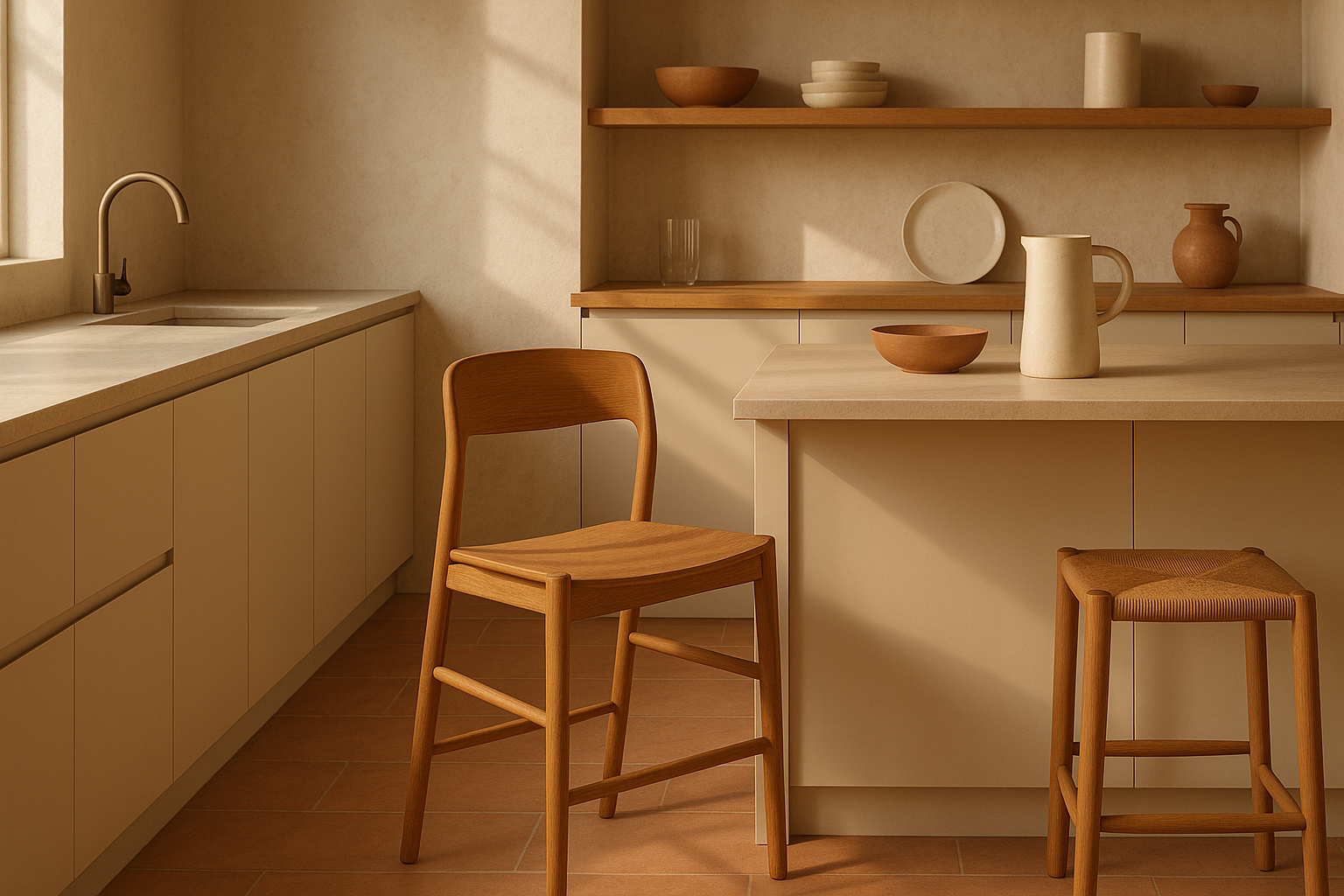
Minimalist kitchens have a neat, uncluttered charm that feels both calming and efficient. But finding the best furniture for a minimalist kitchen isn’t just about picking the simplest pieces—it’s about thoughtful choices that balance clear surfaces, practical storage, and an inviting atmosphere. With so many options out there, what really matters when selecting furniture that complements a minimalist layout and aesthetic? This article is about cutting through the noise to help you identify key criteria and practical options, so your kitchen feels spacious, layered, and completely livable.
Defining the Most Important Furniture Criteria for Minimalist Kitchens
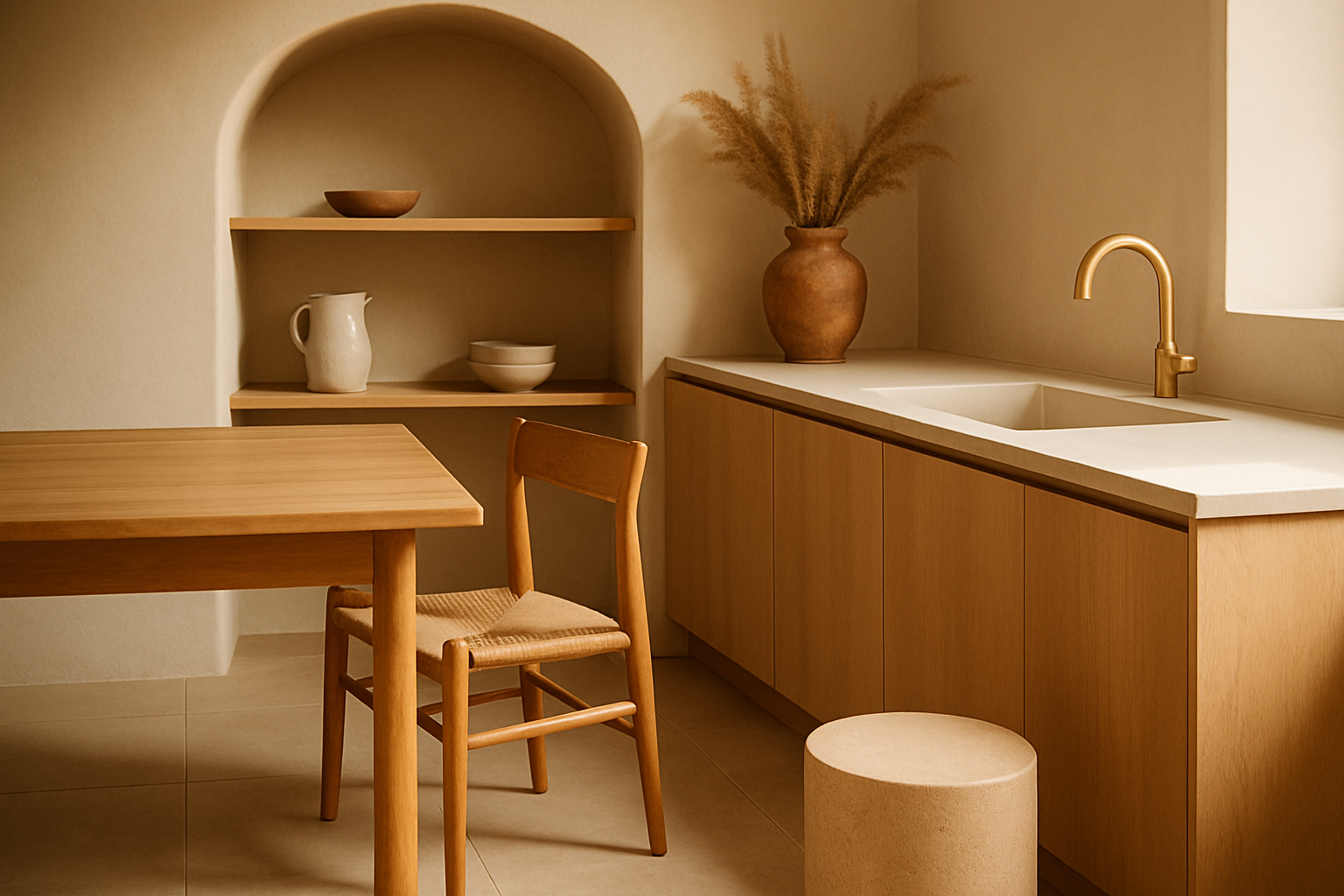
The foundation of choosing furniture for a minimalist kitchen lies in clarity around function, proportion, and material harmony. Minimalist style is often mistaken for bare or clinical, but it thrives when comfort and usability aren’t sacrificed for simplicity. When selecting furniture, start by prioritizing clean lines, durable materials, and scale that respects your kitchen’s size. Pieces should support a tidy surface but also provide clever storage or easy access to everyday items.
Materials matter profoundly: natural wood or matte metals offer subtle texture and warmth that prevent the space feeling sterile. Color-wise, neutral palettes like soft whites, beiges, and light greys build a calm background that allows natural light and subtle accents to shine. Always consider flexible pieces that can adjust to seasonal styling or evolving kitchen needs, keeping your space feeling fresh year-round without overhauling your furniture.
Warm Wood Tones: A Classic Option That Adds Quiet Texture
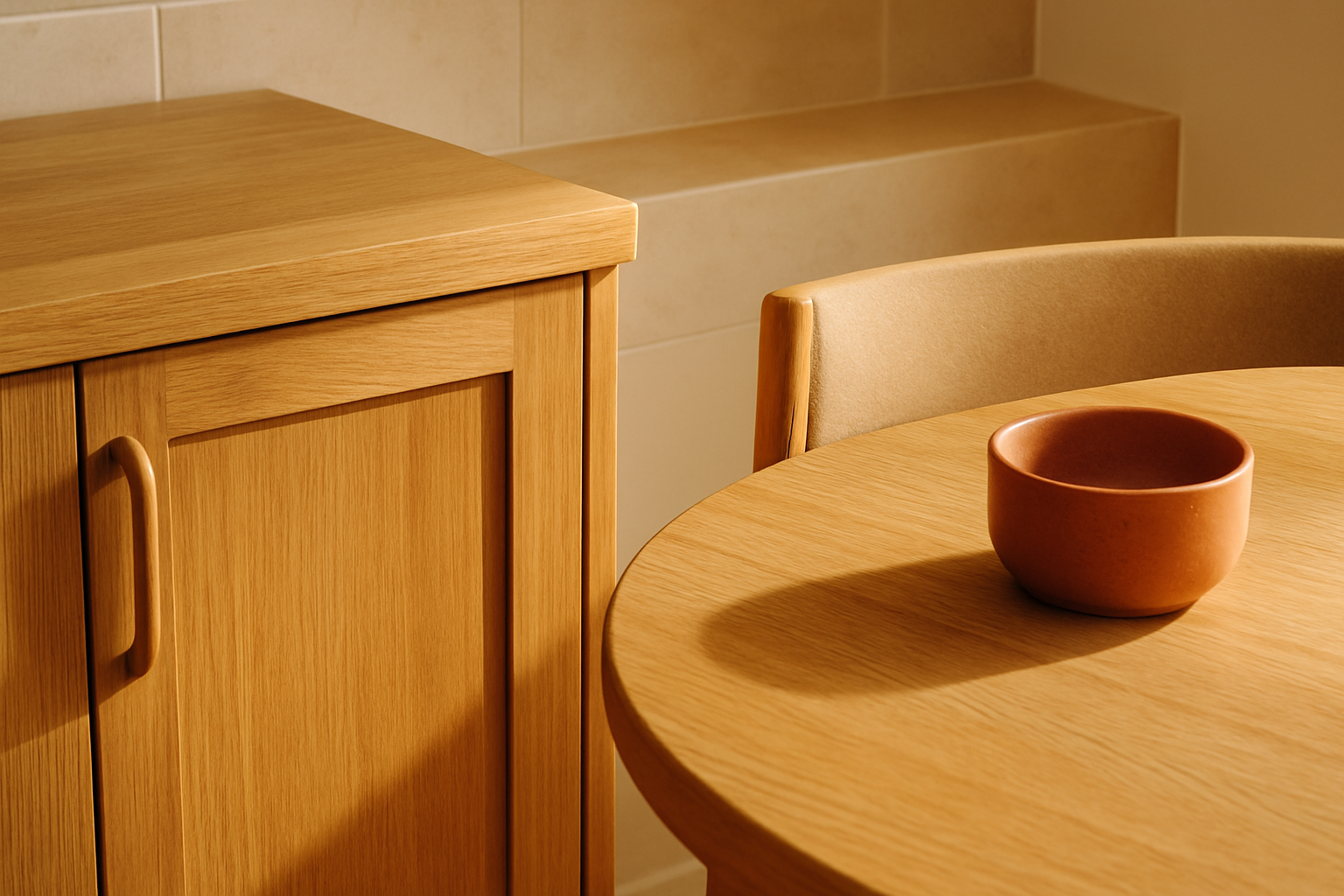
Choosing wooden furniture for a minimalist kitchen is a proven way to introduce tactile warmth and visual depth. Unlike stark white or glossy finishes, wood brings a lived-in softness that complements minimalist ideals without detracting from clean lines. Opt for solid woods with straightforward profiles—think a simple bench, an island with classic legs, or a dining table with slender tapered edges.
Visually, warm wood helps anchor minimalist decor, creating contrast against bright cabinetry or pale walls. For a balanced effect, pair mid-tone woods with white or muted surrounds to avoid overpowering the space. Textures such as gently brushed surfaces or matte finishes enhance this natural character. Plus, wood’s durability makes it an investment that works well for everyday kitchen use.
Practical tip: Select furniture with minimal ornamentation but thoughtfully crafted joints or subtle grain patterns. This adds interest without clutter. A wooden butcher block counter or stools with natural finishes can also unify the room’s palette easily.
Sleek Metal and Glass: Contemporary Options for a Crisp Minimalist Feel
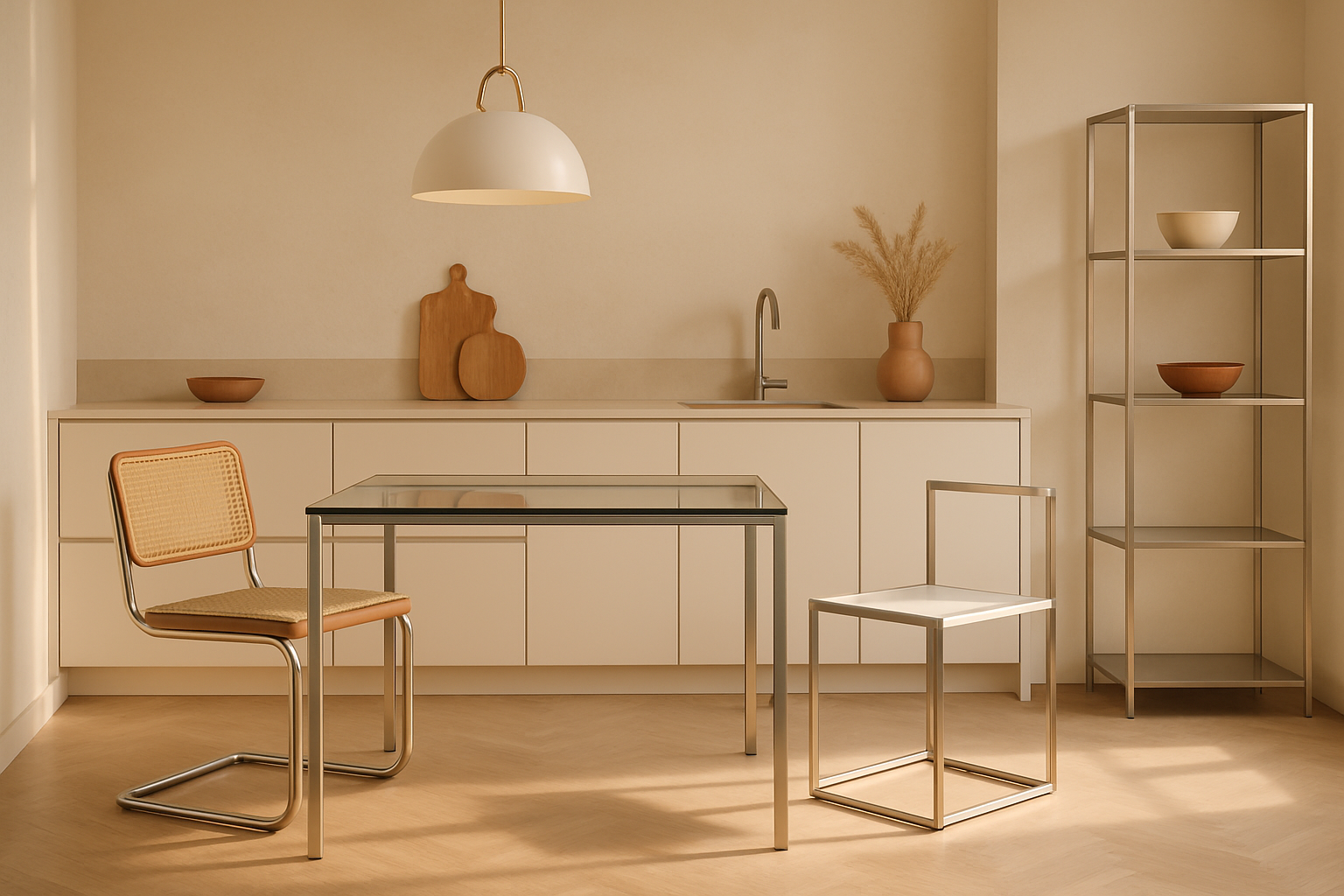
If your minimalist kitchen leans toward a more modern, polished aesthetic, consider furniture crafted from metal and glass. These materials deliver lightness and reflectivity, which can enlarge a small or compact kitchen visually. Metal frames, particularly in black, matte brass, or brushed steel, bring subtle edge and contrast to an otherwise muted scheme.
Glass tabletops or shelving introduce a visual pause that keeps surfaces open and airy. The trick is balancing these cooler materials with warmer touches like cushions, rugs, or wood to avoid a cold or industrial vibe. For example, a metal-framed bar stool paired with a slim wood bench blends the best of both worlds.
To make this work at home, choose slim-profile furniture with minimal bulk—think open-legged tables or stools without backs. Ensure your kitchen has enough natural or layered lighting to keep glass surfaces sparkling instead of harsh.
Matching Furniture to Kitchen Size and Layout: From Cozy Nooks to Open Plans
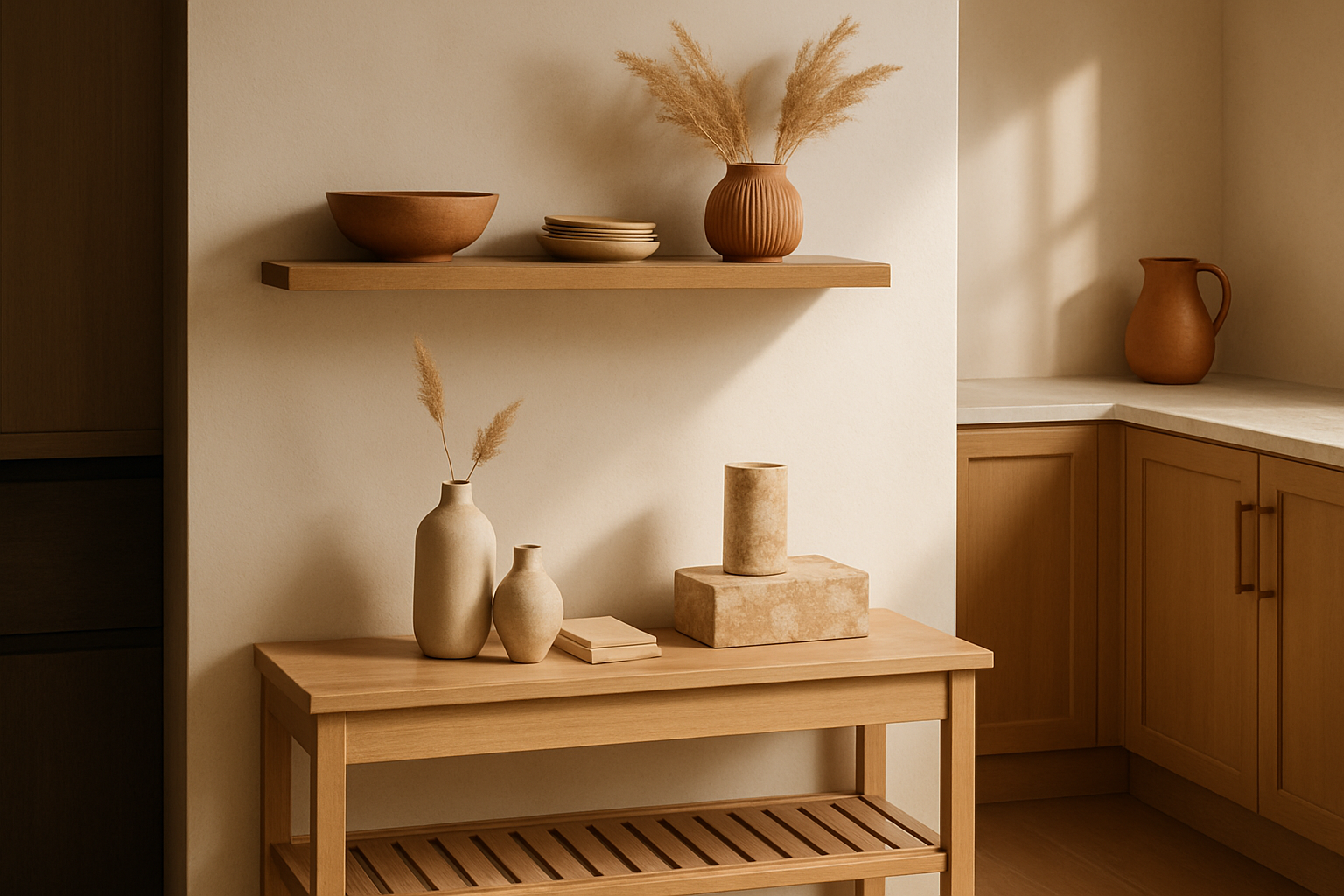
Not every minimalist kitchen is spacious; many thrive in compact or tricky layouts where every piece counts. Matching furniture to your room’s size and flow is central to successful minimalist styling. For small kitchens, slimline furniture, like foldable tables or stackable chairs, can open up valuable floor space while maintaining style.
Open-plan kitchens may benefit from islands or dining tables with clean-lined storage underneath, allowing for both surface and hidden organization. The key is maintaining circulation paths and avoiding oversized pieces that disrupt that visual flow.
Color and material also help a furniture piece blend or stand out depending on room size. In small kitchens, lighter tones and reflective surfaces can amplify daylight. In larger kitchens, mixing solid wood with touches of darker metals creates regional contrast without clutter.
A practical approach: measure your space carefully and prioritize multi-purpose furniture that can shift roles, such as benches doubling as storage. This flexibility embodies minimalist functionality.
Confident Buying Choices: Narrowing Down the Best Furniture for Your Minimalist Kitchen
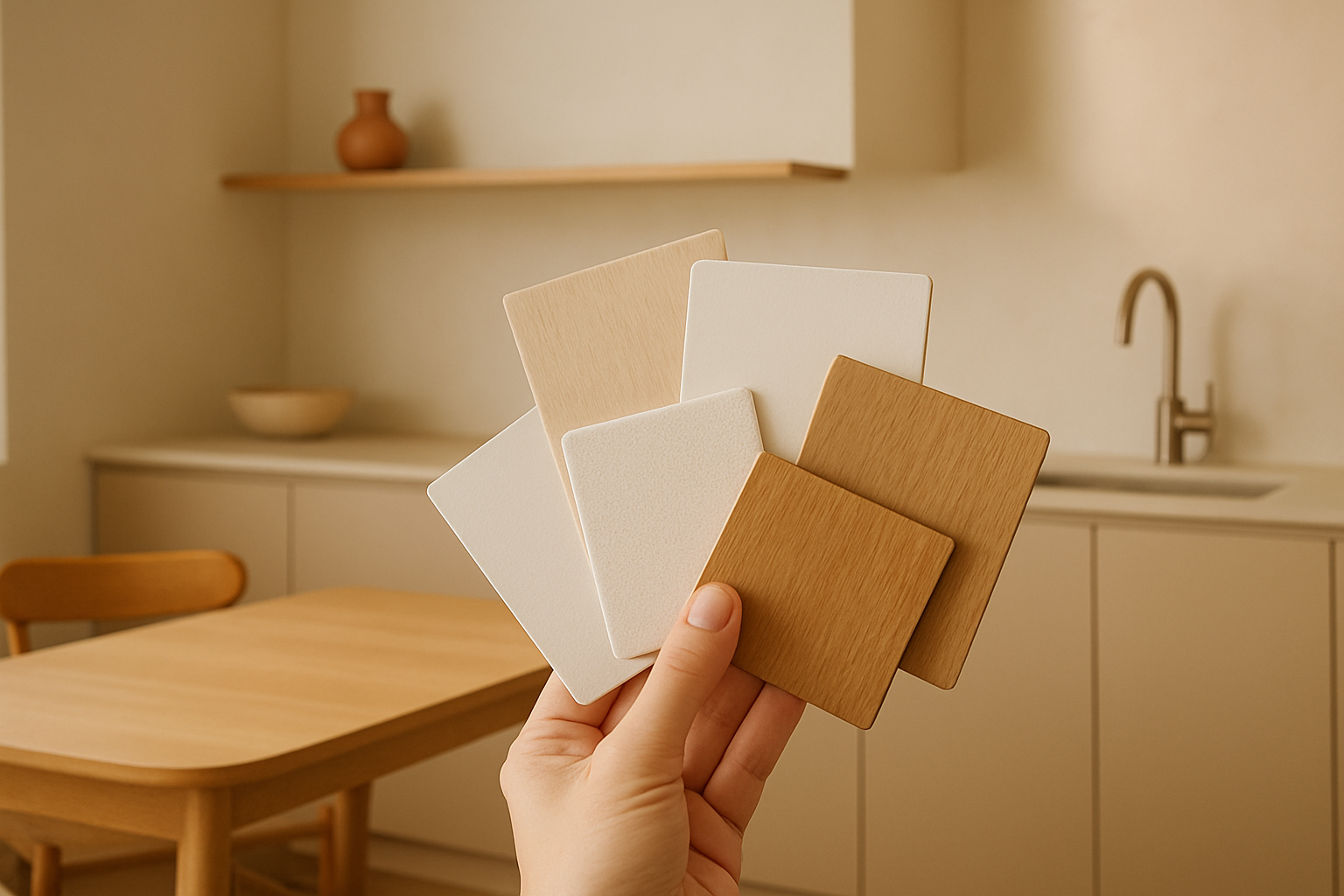
Faced with multiple excellent options, how do you confidently pick the furniture that fits your kitchen’s minimalist edit? Start from the core criteria of size, material, and function discussed here. Then filter your choices by your lifestyle—consider cooking habits, household size, and storage needs.
It’s often better to invest in a few key pieces that offer quality and timeless design rather than spreading budget across overly trendy or impractical options. A focus on craftsmanship and materials ensures your furniture integrates naturally over time, forming a cohesive look instead of competing elements.
Remember that layering with soft textiles, simple lighting, and thoughtful accessories personalizes minimalism and keeps it accessible. Let your furniture be a quiet anchor, not a loud statement.
FAQ
What size furniture works best in a minimalist kitchen?
Choose pieces that fit comfortably in your room’s layout without obstructing movement. Slim, streamlined furniture with open legs often works well in smaller spaces.
Are wood or metal materials better for minimalist kitchen furniture?
Both can work; wood adds warmth and softness, while metal offers sleekness and modern contrast. Combining both thoughtfully often yields the best balance.
How can I add comfort to minimalist kitchen furniture?
Incorporate cushions, seat pads, or textiles in muted colors and soft textures to soften harder surfaces.
Can minimalist furniture also provide storage?
Absolutely. Look for multifunctional furniture like benches with hidden compartments or tables with drawers to keep clutter out of sight.
How important is color when choosing minimalist kitchen furniture?
Very. Neutral, light colors create calm and spaciousness, while subtle warm wood tones and metal finishes introduce visual interest without overwhelming.
Minimalist kitchens shine best when furniture choices feel as intentional as they are functional. By focusing on scale, materials, and the specific ways you use your kitchen, you can confidently select pieces that streamline your space, layer in texture, and invite daily comfort. With a clear sense of these options, your minimalist kitchen evolves into a quietly grounded backdrop where good design lives comfortably alongside real life.