
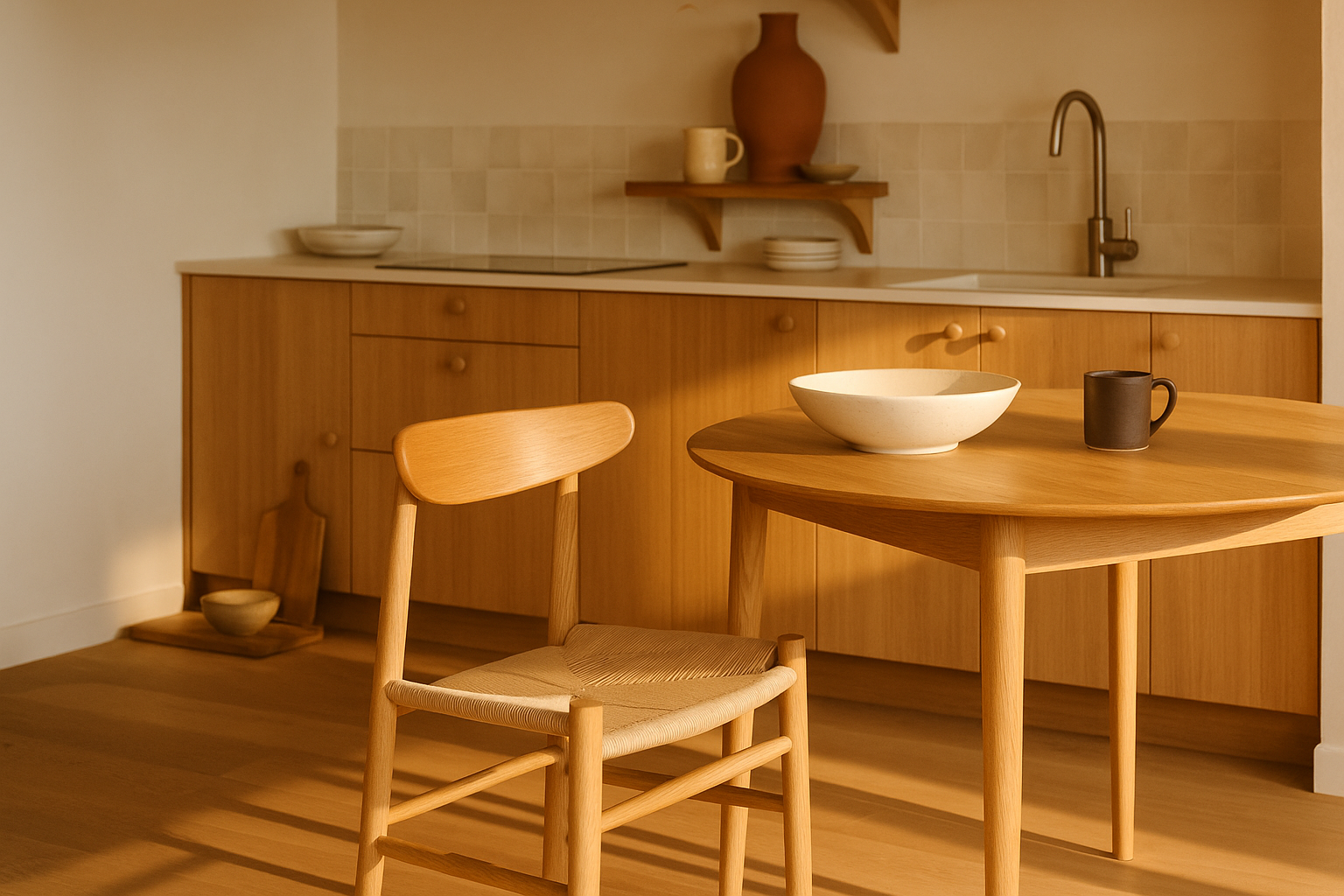
Finding the right furniture for a Scandinavian kitchen might seem straightforward, but thoughtful choices reveal a more nuanced challenge. The hallmark of this style is simplicity paired with warmth, natural materials, and impeccable proportion. Choosing furniture means balancing function and form without overwhelming the calm, light-filled space that defines Scandinavian kitchens. With so many natural textures and soft neutrals in play, each piece must contribute both to visual harmony and daily practicality.
Understanding the core criteria that define good furniture choices here helps you avoid common pitfalls—whether it’s a mismatch in scale or a material that feels out of step. This guide walks through selecting furniture that respects the style’s pared-back ethos while reflecting your kitchen’s layout and lifestyle with ease.
Key Criteria for Selecting Scandinavian Kitchen Furniture
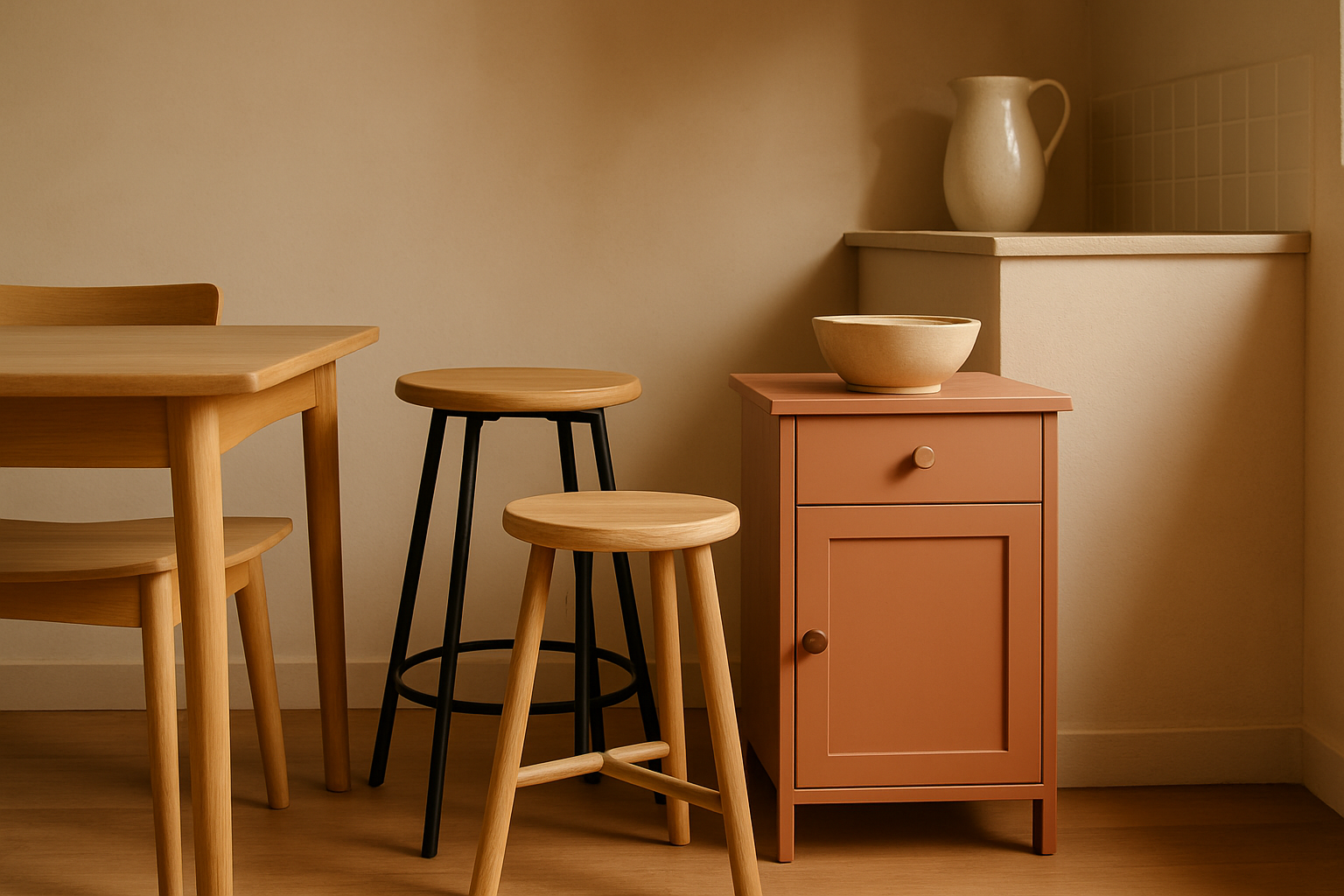
Before deciding on individual pieces, assess what makes furniture truly work in this setting. The strongest options embrace natural materials like oak and stone, which provide tactile warmth and sculptural presence without excess ornamentation. Proportion is another non-negotiable: furniture should feel light and purposeful, neither bulky nor insubstantial, fitting comfortably within your kitchen’s dimensions to maintain an open, airy feel.
Neutral colors—soft grays, creams, muted browns—set the foundation, with subtle textures adding depth: think lightly grained woods, matte surfaces, and upholstery in natural linen fabrics. Functionality also matters: furniture must support the rhythm of kitchen activity without cluttering or complicating flow. These criteria together create furniture selections that are simultaneously durable, versatile, and quietly elegant.
Oak Furniture: The Scandinavian Staple with Lasting Appeal
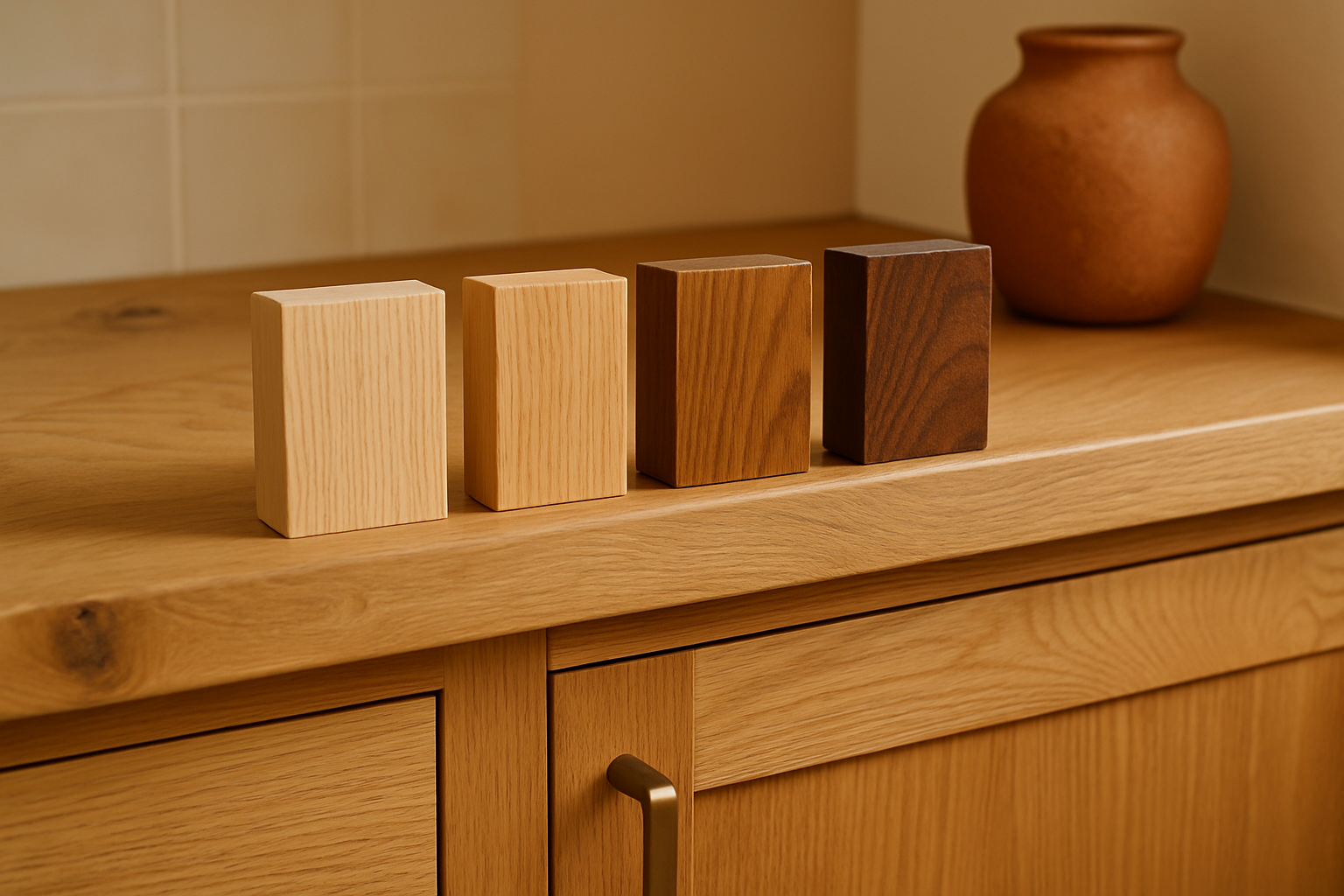
Oak remains the quintessential material for Scandinavian kitchens, prized for its warmth, strength, and subtly grained texture. Whether it’s a dining table, stools, or cabinetry, oak lends an organic anchor to the space and ages gracefully with a patina that feels lived-in rather than worn.
Visually, oak’s light honey tone coordinates effortlessly with stone countertops and pale walls to sustain the kitchen’s light flow. It also invites layering—linen cushions on chairs or baskets for storage add softness without detracting from oak’s natural beauty. When considering oak, choose pieces with simple, clean lines and smooth finishes to maintain a modern yet timeless feel.
Practically, oak’s durability suits everyday kitchen use, especially in family homes. Its resilience means it stands up to cooking splashes and regular cleaning, making it a worthwhile investment. Pair oak furniture with other natural elements—such as jute rugs or ceramic accessories—to complete the cohesive, grounded look.
Pine and Birch: Lightweight Alternatives for Small Spaces
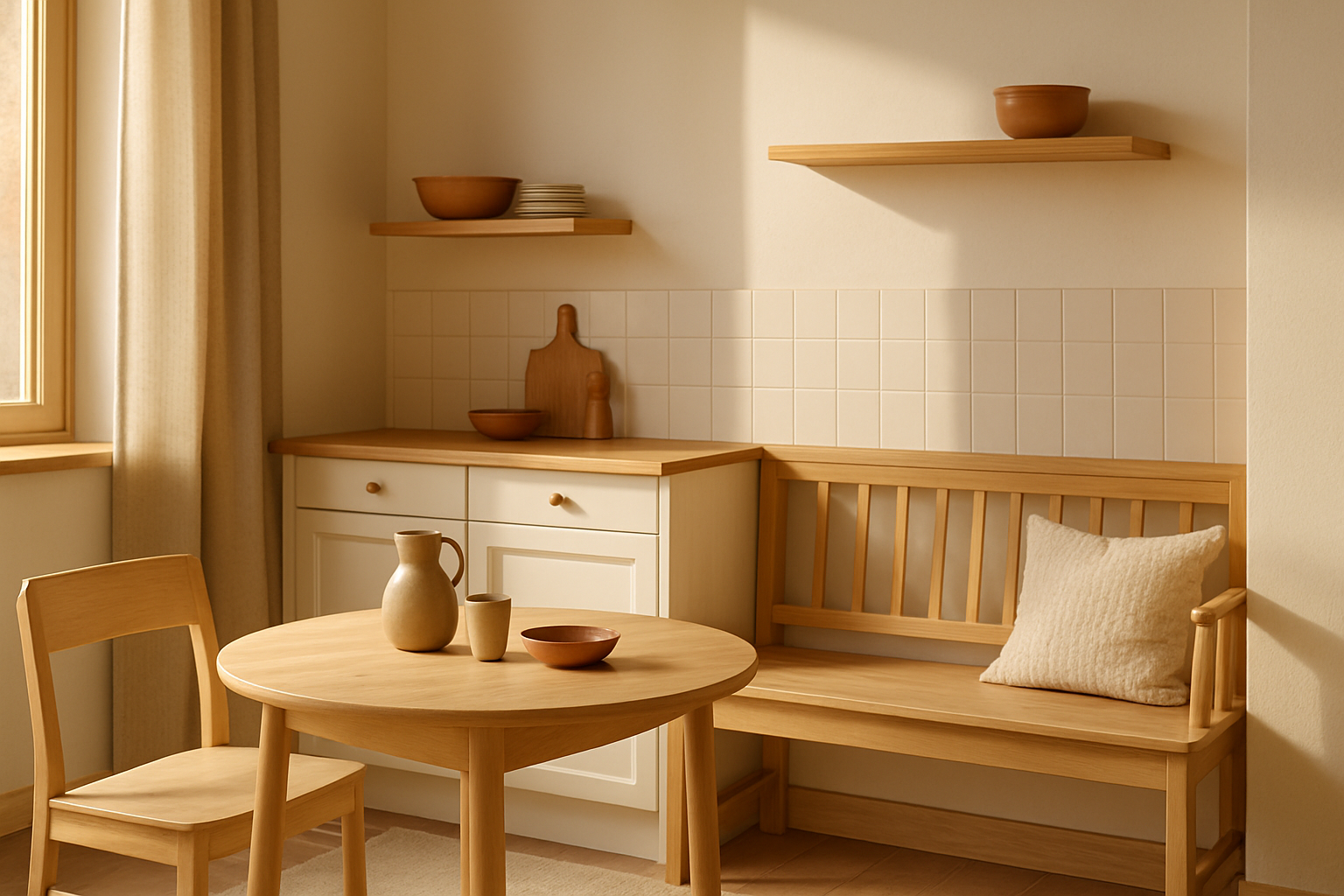
For kitchens where space is at a premium, pine and birch offer friendly alternatives to denser hardwoods like oak. These woods tend to be lighter in color and weight, allowing furniture to feel less imposing yet retain warmth.
Pine and birch blend well with pale Scandinavian palettes of white or soft gray, enhancing visual balance and lightness. They are often simpler to source and usually more budget-friendly, making them practical choices for smaller kitchens or homes where layering texture needs to stay modest.
Styling tip: lean into their softness by pairing these woods with textured linens or woven baskets in natural fibers. Be mindful of scale—furniture in these lighter woods works best when slightly more delicate in proportion rather than large or blocky, which risks disrupting flow.
Care-wise, pine requires a bit more protection from scratches and stains, so consider finishes that enhance durability while maintaining natural warmth. Birch, similarly, benefits from gentle care but holds up well with light sealants.
Matching Furniture to Kitchen Size and Layout Considerations
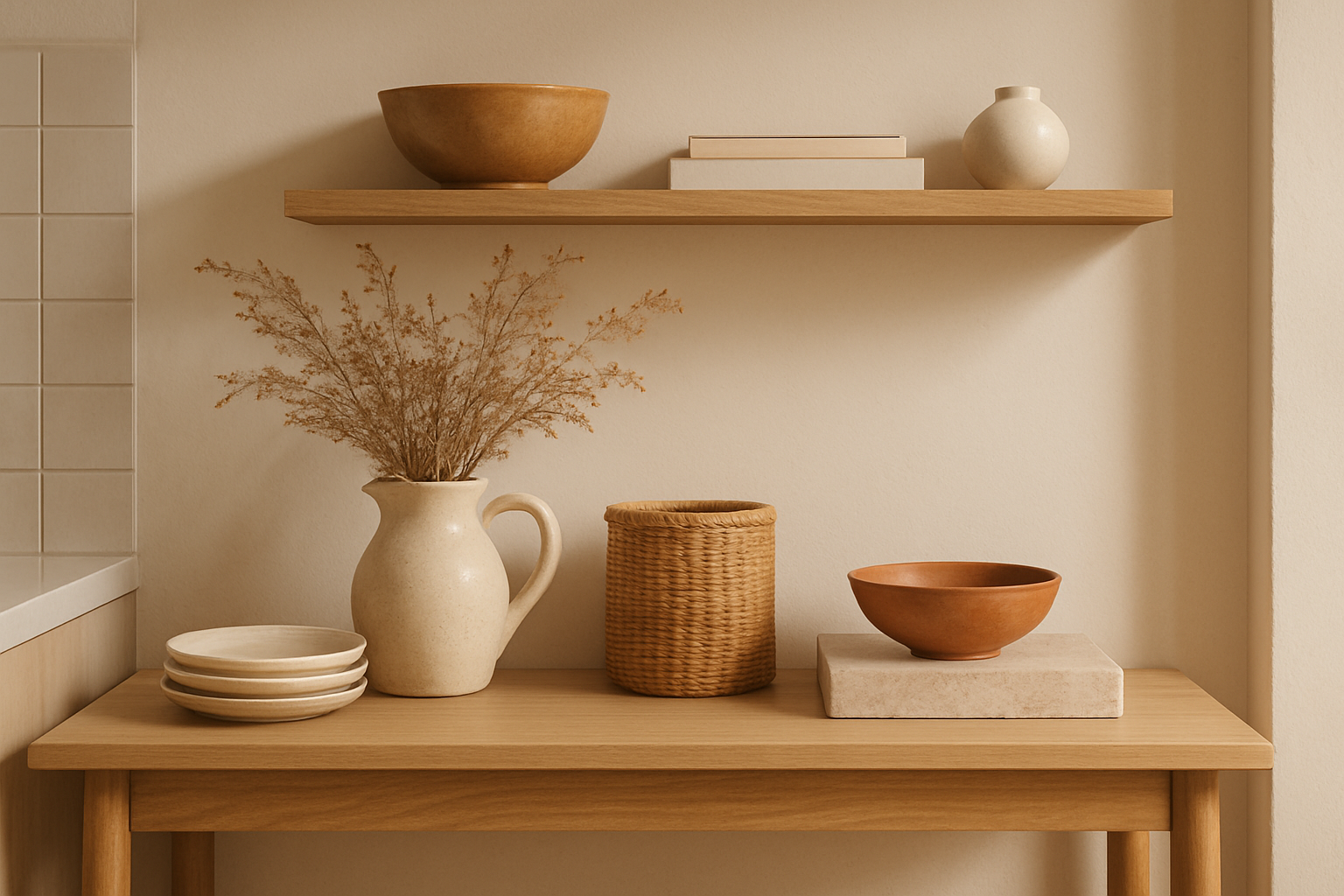
Scandinavian kitchen furniture isn’t just about material—it must suit the spatial realities of your room. For open-plan kitchens, larger oak dining tables or generous kitchen islands create natural gathering spots that draw light and activity without feeling crowded.
In contrast, compact kitchens benefit from slim-profiled tables and stools designed to nest or tuck away, optimizing movement. Light wood finishes help preserve the kitchen’s visual spaciousness here. Open shelving units or smaller sideboards crafted from natural wood can offer storage without dominating the room.
Layout also influences furniture choice. For narrow galley kitchens, slim benches with clean geometric shapes work well, while square or round dining tables better serve square or open living-kitchen layouts, supporting circulation and creating softer edges in the space.
The goal is to choose pieces that facilitate ease in function and movement, while keeping the room feeling uncluttered and calm. Scandinavian kitchens thrive when furniture acts as a quiet collaborator—not an overpowering feature.
How to Narrow Your Furniture Choices with Confidence
With multiple suitable woods, styles, and proportions, narrowing your selection can feel daunting. Start by prioritizing essential pieces first—perhaps your dining table or kitchen chairs—and consider your daily routines. A table you use for meals and conversation demands sturdiness and visual permanence; stools might lean more casual, encouraging movement and flexibility.
Evaluate your kitchen’s lighting and color palette too. Warmer woods like oak bring rich contrast to light walls and stone, while pale birch and pine maintain gentle tonal harmony. If layering texture is your goal, accent chairs or cushions in natural linen introduce softness.
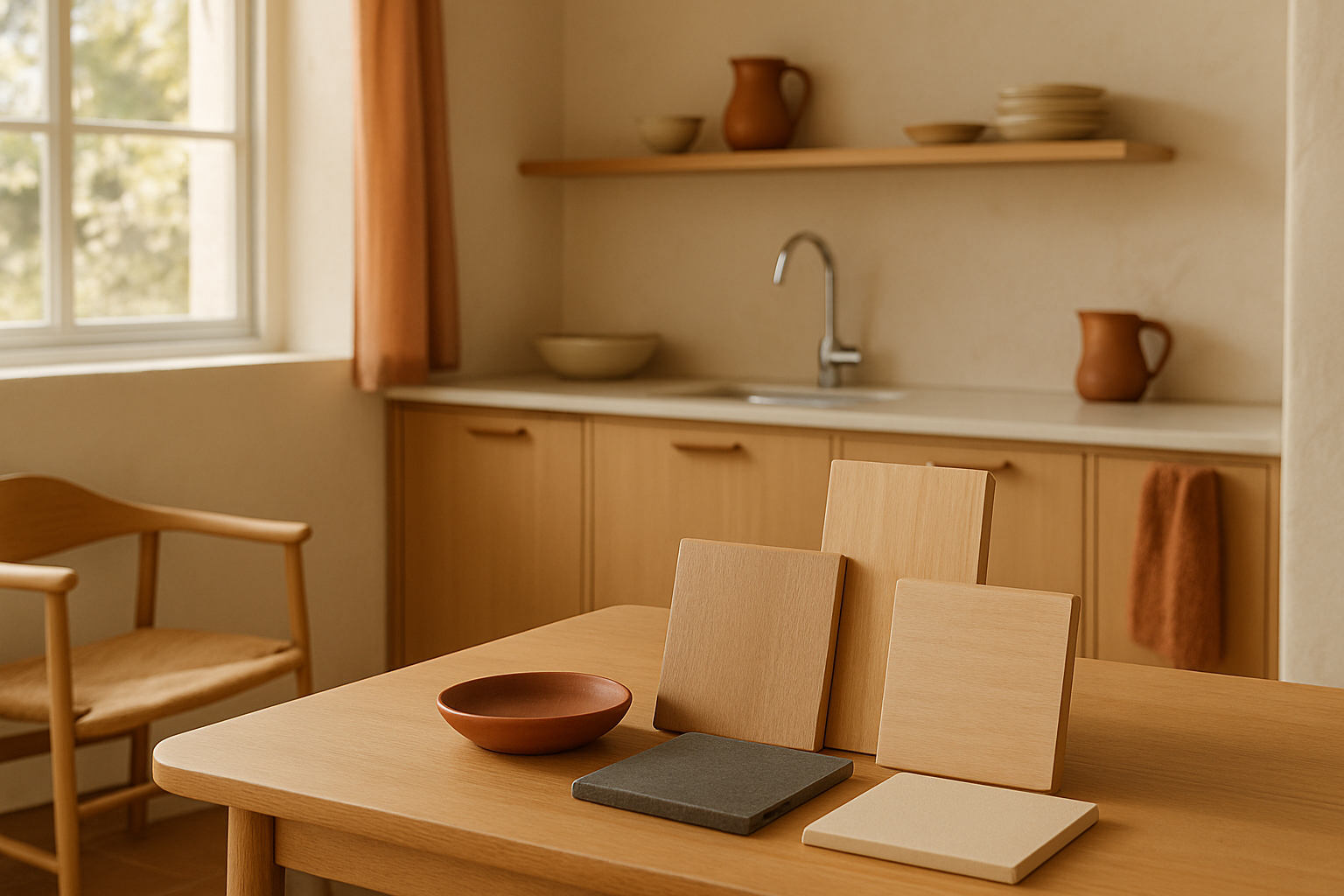
Use mood boards or small samples to see how finishes will coordinate with existing surfaces and colors. Finally, trust where your eye lands intuitively—Scandinavian kitchens are about restrained but thoughtful layering, so don’t rush the decision.
FAQ
What is the best wood for Scandinavian kitchen furniture?
Oak is the most versatile and durable choice, admired for its warmth and texture. Pine and birch offer lighter, more budget-friendly options, especially suited to smaller kitchens.
How can I keep my kitchen furniture feeling light and spacious?
Choose pieces with clean lines and slim proportions in lighter woods or finishes. Avoid overly bulky furniture and allow ample circulation space around each piece.
Are upholstered chairs appropriate for Scandinavian kitchens?
Yes, but opt for natural fabrics like linen in soft, neutral hues that complement the wood tones and add subtle texture without overpowering the simplicity.
Can I mix wood types in a Scandinavian kitchen?
A mix can work well if tones harmonize—pair warm oaks with softer birch or pine for contrast, but keep the overall palette calm and cohesive.
How do I maintain natural wood furniture in the kitchen?
Regular dusting and cleaning with gentle, non-abrasive products help. For pure woods like oak, occasional oiling restores moisture and depth without damaging the finish.
Choosing the best furniture for a Scandinavian kitchen boils down to how well the pieces respect the room’s character—its light, scale, and natural materials. Oak furniture sustains enduring warmth, while lighter woods offer flexibility for tighter spaces. Proportion and texture layering matter as much as material choices. Take the time to consider your kitchen’s size, rhythm, and daily flow, and select furniture that quietly supports this lived-in balance. By focusing on these principles, you create a kitchen that is both timeless and inherently welcoming.