
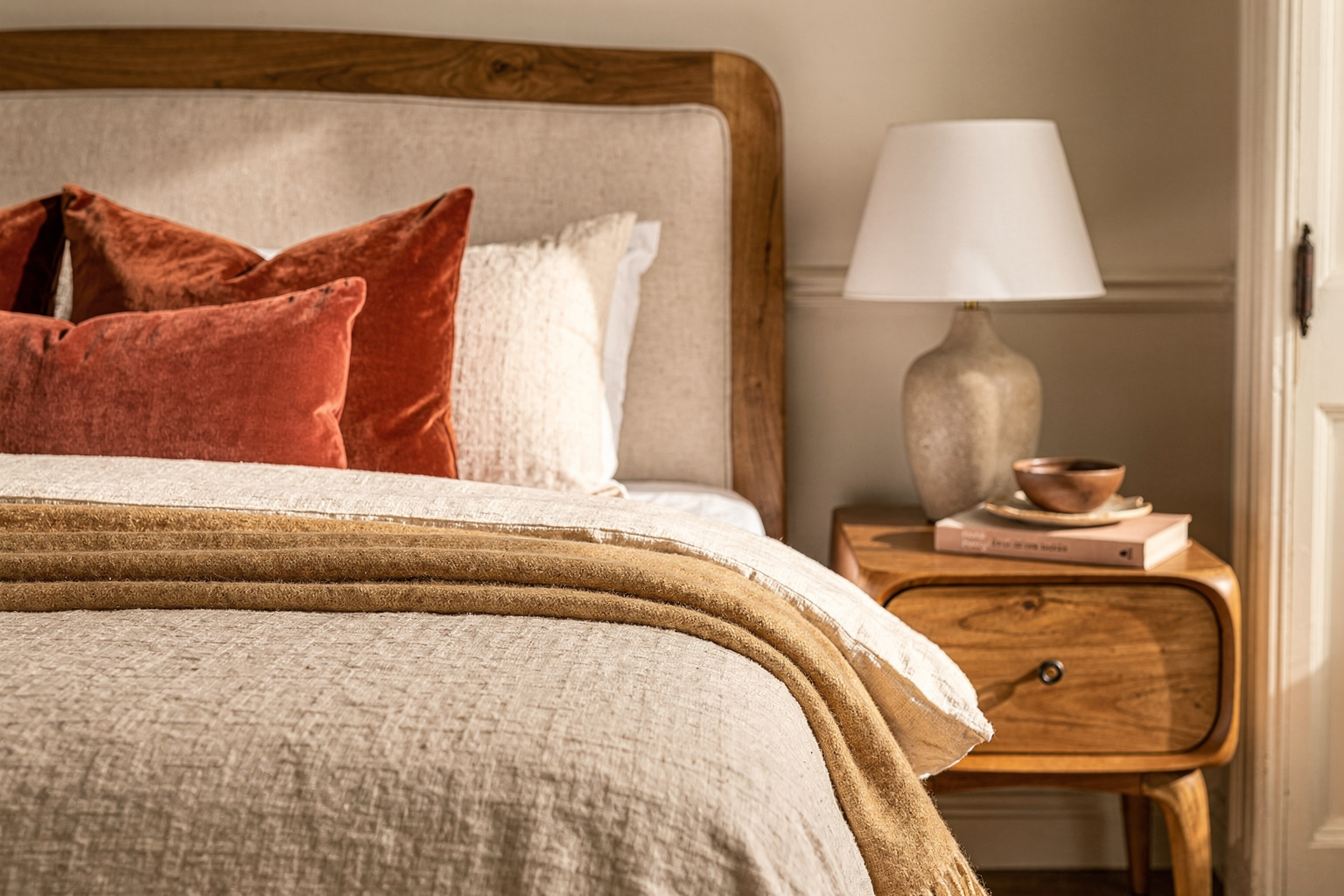
Transitional bedrooms are a beautiful middle ground between traditional charm and modern minimalism, but the texture strategy often trips people up here. Too few textures leave a room flat and uninspired, yet too many or mismatched textures can feel chaotic or cold. These common texture missteps not only derail the effortless vibe transitional rooms aim for—they can also affect the overall comfort and flow. Understanding which texture details can throw off your transitional bedroom setup can save you time, money, and styling headaches down the road. In this article, we’ll explore five texture mistakes common in transitional bedrooms and practical fixes to help you create a softly layered, welcoming space that feels both fresh and lived-in.
Mistake 1: Using Smooth, Slick Bedding That Lacks Texture
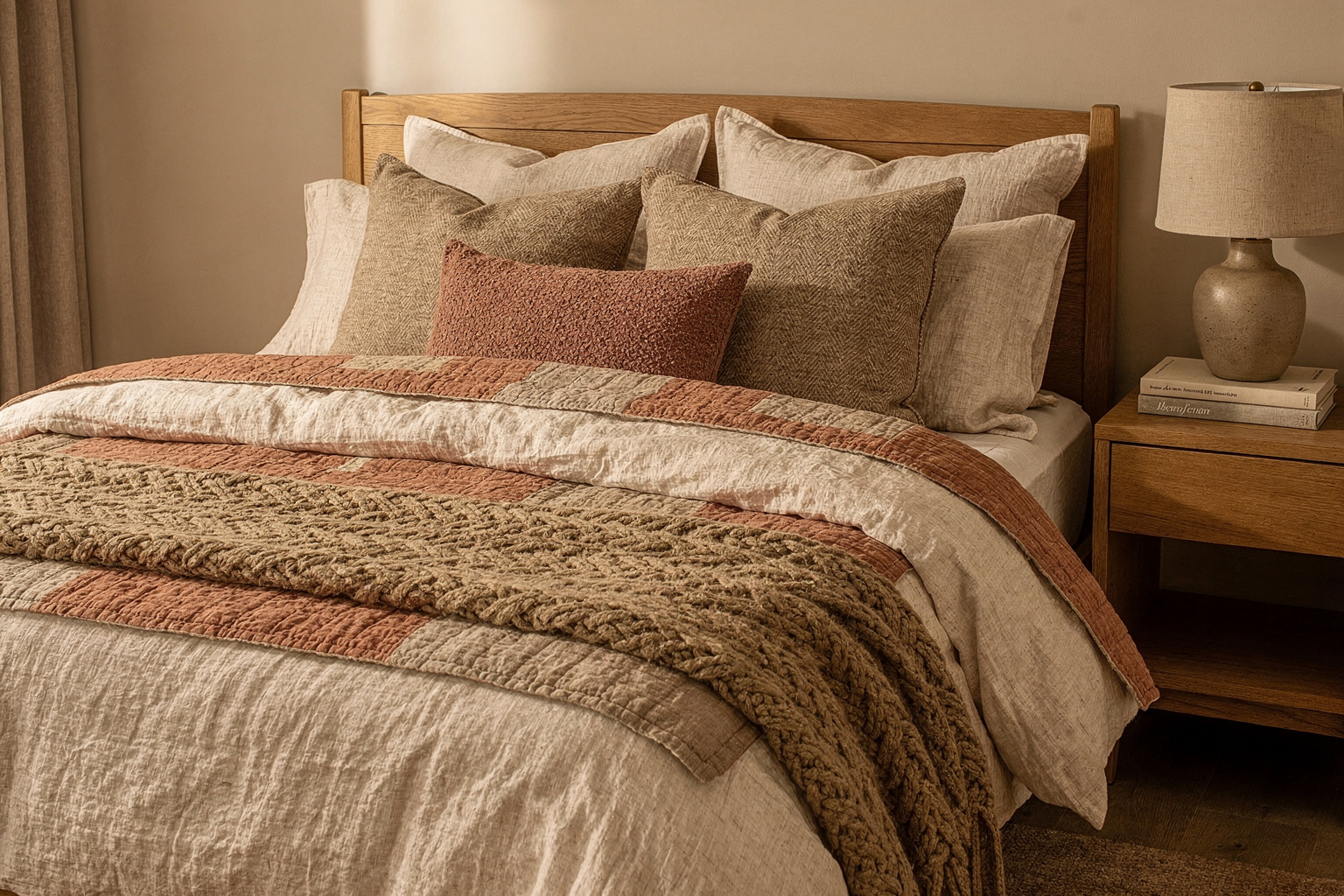
One of the quickest ways to lose transitional bedroom warmth is going for overly slick, high-sheen bedding—think shiny sateen sheets or polyester blends with almost no surface texture. While these can look polished in photos, in real life they reflect a lot of light and flatten the feel, creating a colder, less inviting bed.
The fix? Introduce natural fibers with tactile weave such as linen or matte cotton. For example, a stonewashed linen duvet cover or a soft cotton percale bedding set adds subtle nubby texture that looks relaxed yet curated. These fabrics absorb light rather than reflecting it, which gives the bed and the entire room a grounded softness. Layer in a chunky knit throw or a velvet cushion for contrast and visual warmth without fuss. This approach balances casual comfort with the clean lines typical of transitional style.
Mistake 2: Mismatch of Texture Scales Creates Discord
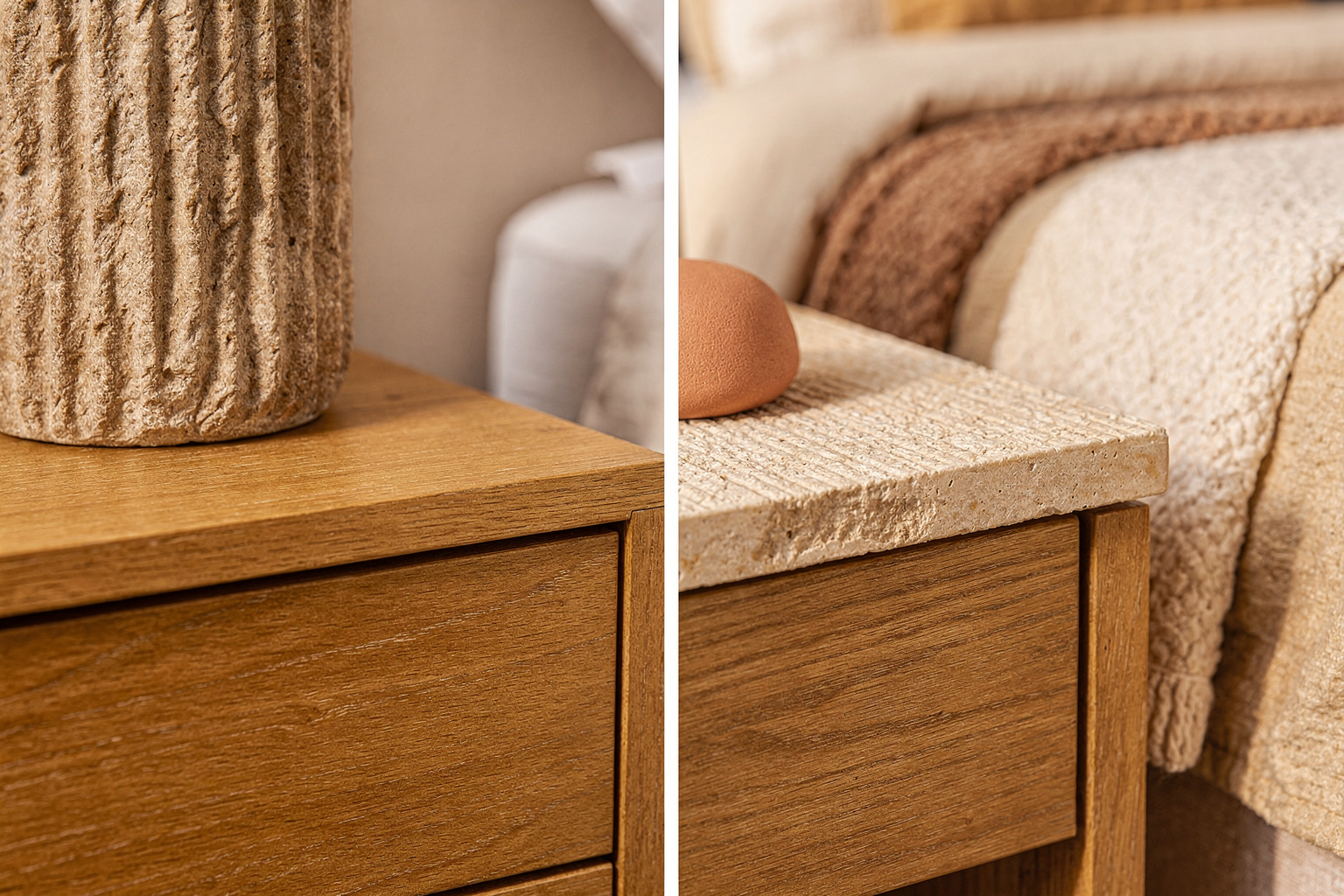
Another texture trap is mixing too many textures that don’t work together in scale. For instance, placing an ultra-fine silk pillow next to a heavily nubby wool rug without any middle ground can feel visually jarring. The textures compete rather than complement, breaking the visual rhythm and making the room feel unsettled.
The solution is to choose textures with a clear rhythm of scale, from fine to medium to coarse, creating a layered but coherent story. For example, pair a linen duvet cover (medium texture) with a cotton waffle throw (fine-medium texture) while grounding the floor with a natural fiber jute rug (coarse texture). This layered approach brings visual harmony and invites touch, helping the space feel intentional and balanced instead of chaotic.
Mistake 3: Overlooking Texture Contrast That Supports Cohesion
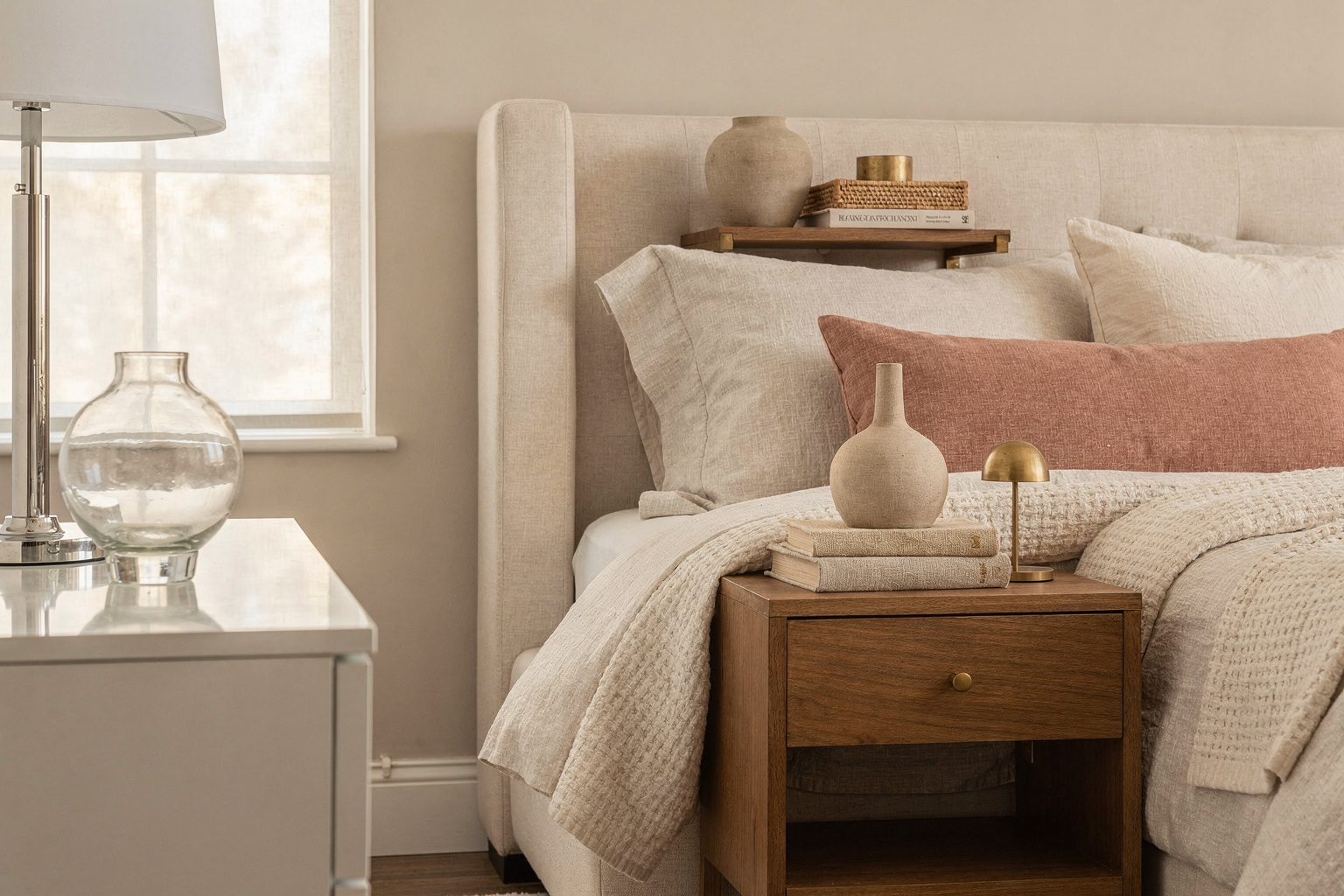
It’s easy to default to a single texture type throughout a transitional bedroom—like all wood furniture with smooth bedding and plain walls—which results in a monochrome, flat space that lacks depth. This mistake undercuts the whole point of transitional style, which thrives on contrast and layering to bridge traditional and modern elements.
To correct this, introduce textural contrast deliberately by mixing smooth and rough surfaces. For example, a sleek wood nightstand paired with a hammered-metal lamp base introduces interesting tactile differences. Offset smooth painted walls with a woven wall hanging or textured wallpaper. Introducing a velvet or boucle accent chair can add softness against tougher materials. The interplay not only adds dimension, but also enhances the cozy, approachable appeal transitional schemes aim for.
Mistake 4: Ignoring Texture Placement in Relation to Natural Light
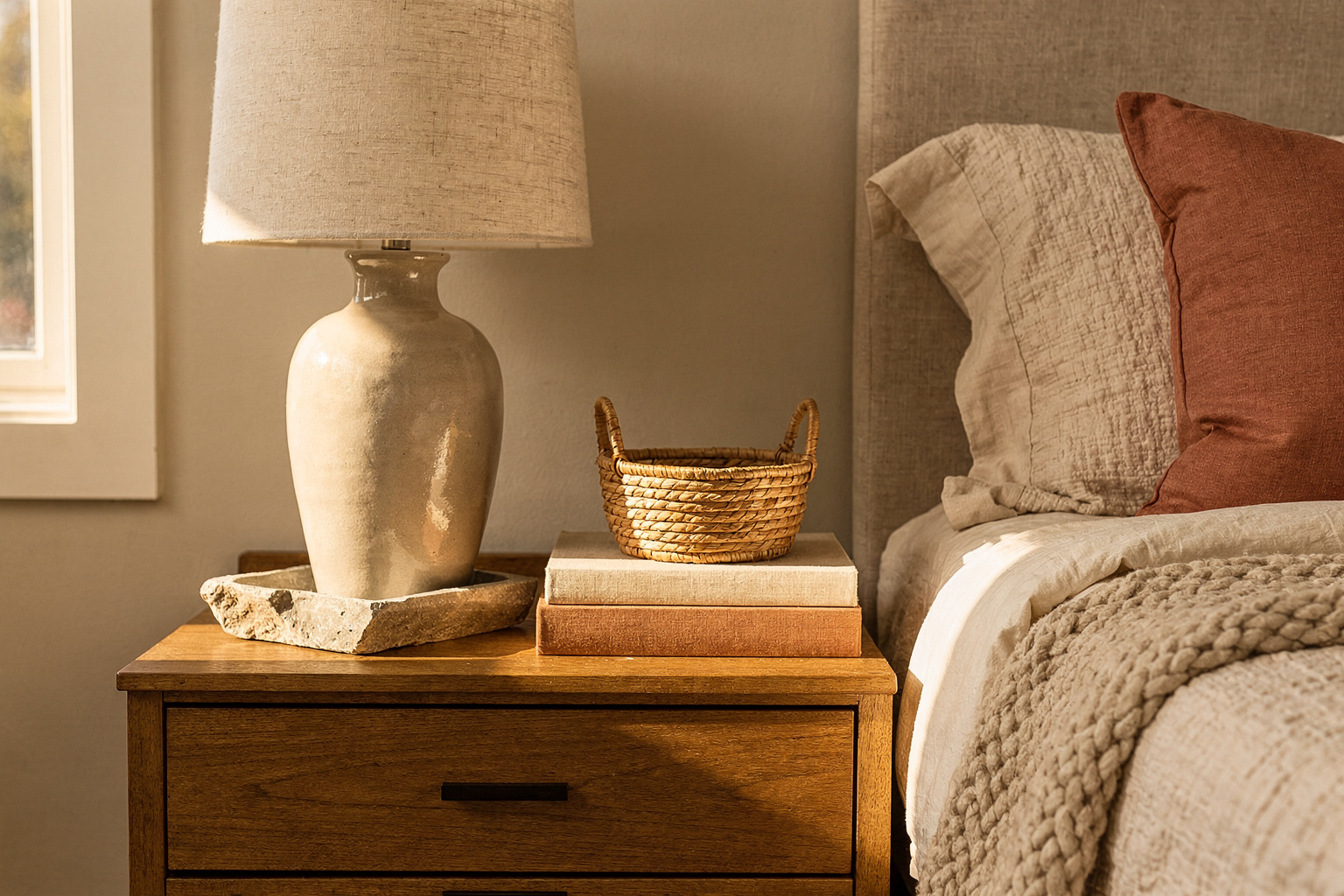
Texture’s visual effect in a room depends heavily on how it interacts with natural light. Placing shiny or reflective textures directly opposite a window without breaking them up can overwhelm with glare or make the room feel stark. Conversely, layering texture near the light source without thought can dampen the sense of brightness.
The fix is to map out key texture placements with attention to light flow. Put softer, matte textures where light hits directly—like linen curtains or a handknit throw near the window. Position smoother or glossy surfaces in spots with indirect light to avoid harsh reflections—such as a lacquered bedside table against the far wall. This careful texture-light choreography maintains brightness while enriching the room’s tactile appeal, creating a room that looks inviting anytime of day.
Mistake 5: Forgetting the Final Texture Layer That Nails Room Vibe
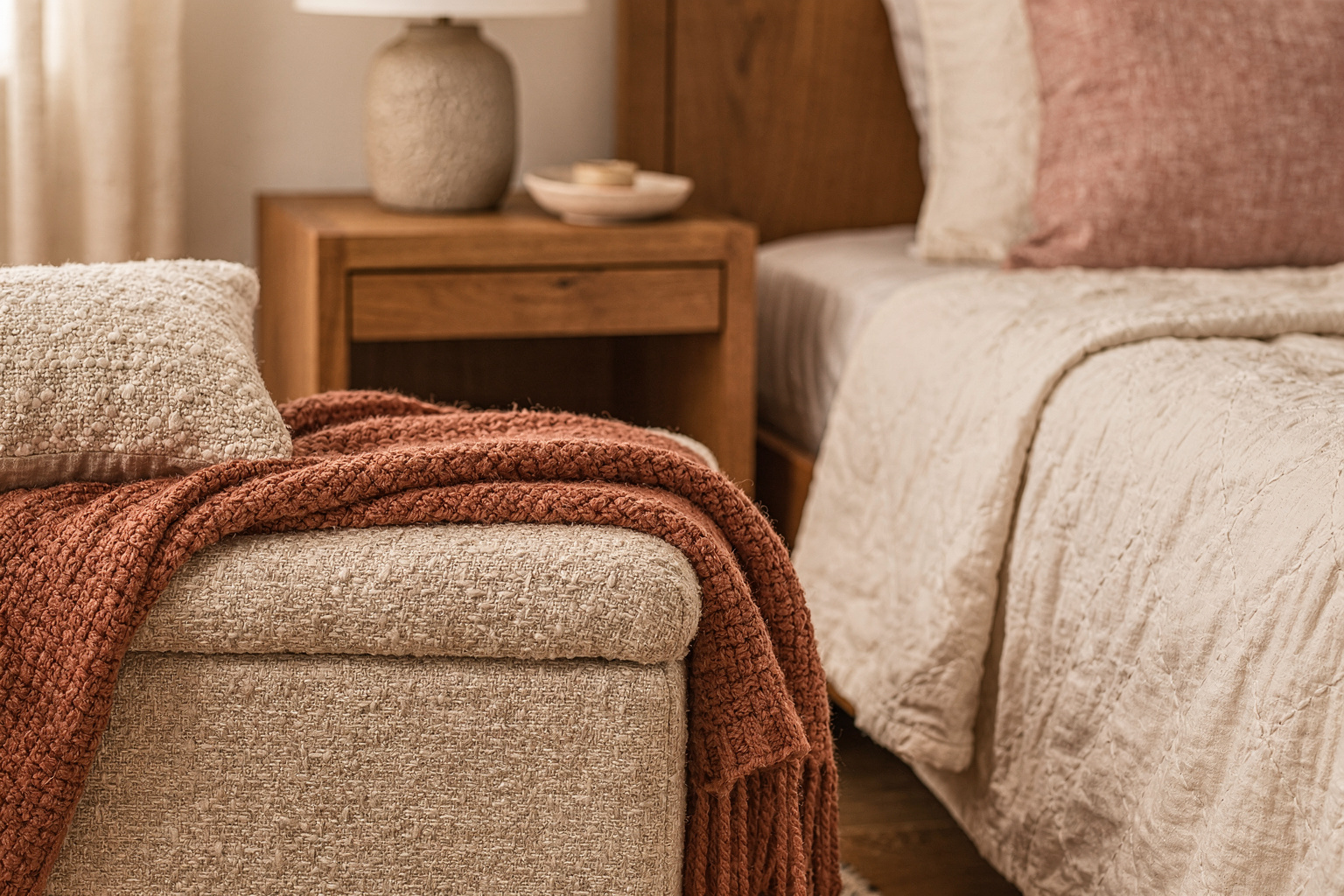
The last and most telling mistake is skipping that final texture layer that pulls everything together and makes the room feel truly curated and welcoming. Transitional bedrooms without a finishing texture accent risk feeling incomplete or too staged.
This final layer often takes the form of a textural accessory—a plush area rug, a basket weave challis throw, or a set of velvet cushions. These pieces provide a quiet warmth and soft contrast that invites settling in. For instance, a well-chosen, soft pile rug underfoot adds a practical comfort layer that complements wood or tile flooring, supporting the room’s function and style. Layered textures here encourage tactile exploration, anchoring the space with a sense of ease and collected style.
Integrating this last layer carefully can transform a transitional room from look-alike catalog setup to a genuinely lived-in sanctuary.
Frequently Asked Questions
What is the key to layering textures in a transitional bedroom?
Start with a balanced mix of scales—combine fine, medium, and coarse textures—and ensure contrast by mixing natural and man-made materials with different finishes. This helps create depth without clutter.
How can I avoid my transitional bedroom feeling too cold?
Avoid slick, reflective surfaces everywhere; instead, opt for matte or brushed textures like stonewashed linens and soft wools, and add cozy accents like knit throws or velvet cushions.
Does color affect texture layering in transitional decor?
Yes. Neutral palettes allow texture to stand out, while too many strong colors can overwhelm subtle texture differences. Use warm neutrals to enhance softness and visual layering.
How do I choose the right rug texture?
Pick a rug whose texture sits heavier or rougher relative to your bedding and upholstery to ground the space. Natural fibers like jute or wool work well in transitional bedrooms.
Can I mix vintage pieces for texture in transitional bedrooms?
Absolutely. Vintage furniture with worn finishes adds unique texture contrast and character, enriching the layered feel that transitional style celebrates.
Balancing texture in a transitional bedroom often comes down to careful edits more than oversaturation. Avoid common mistakes like slick bedding, mismatched texture scale, and ignoring light impact to create a finely tuned mix that feels warm and collected. Start by focusing on layering simple, natural textures with thought about placement and scale. This quiet attention to detail brings out the best in transitional bedroom decor, making your room a comfortable and stylish retreat that feels effortlessly curated.
For those seeking a full look beyond texture, exploring the best furniture for a transitional bedroom can offer additional practical ideas to complement texture layering with proportion and form.
Read Next
- The Best Furniture for a Transitional Bedroom: a Practical Selection Guide — Adds a complementary angle so the reader can move from one intent to the next.