
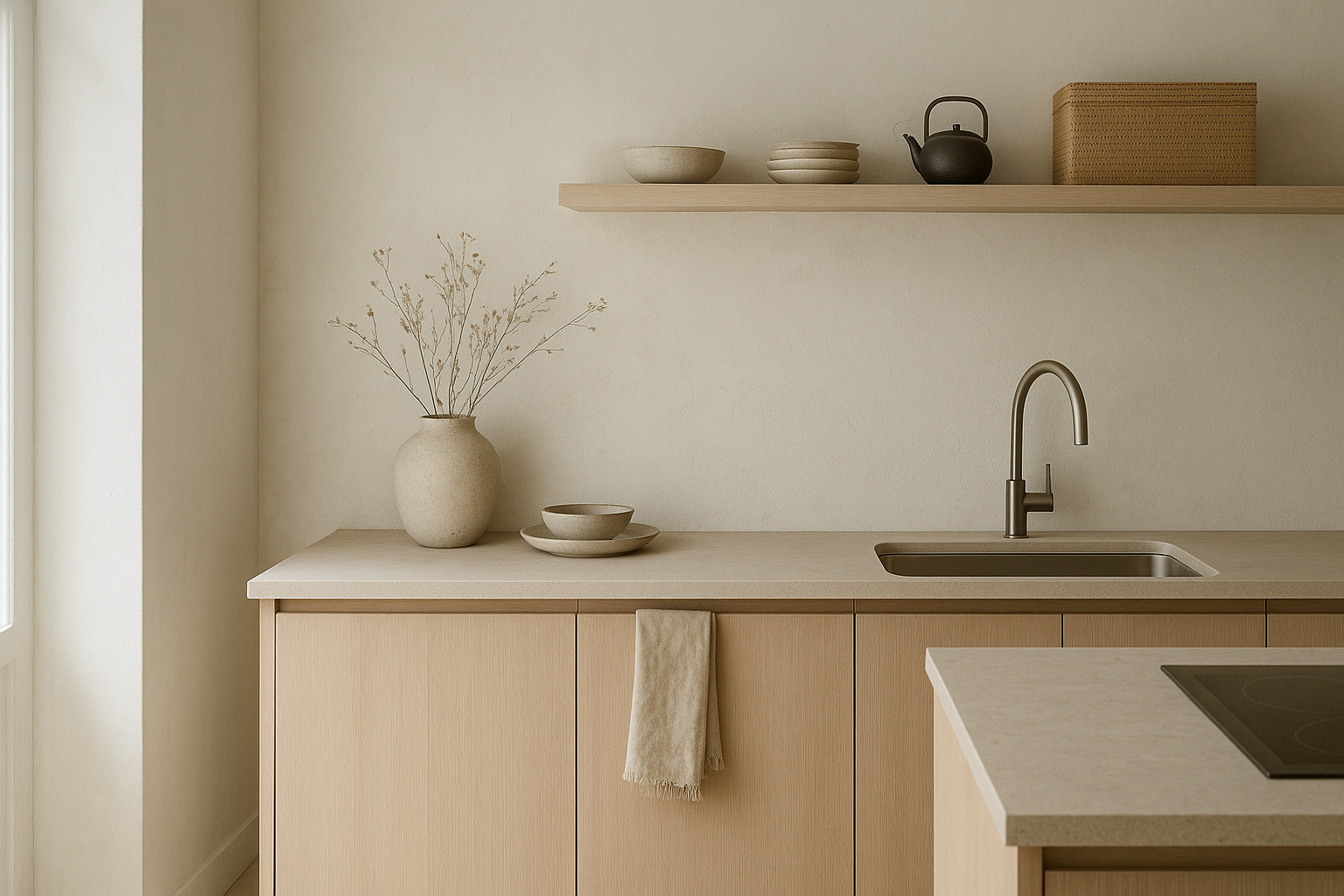
Embracing the Japandi kitchen style is about balancing the serene minimalism of Japanese design with the cozy warmth of Scandinavian interiors. Its signature calmness and functionality hinge heavily on thoughtfully layered textures. Yet, this harmony often gets lost without careful planning, especially when texture choices fall flat or collide. The result can feel cold, cluttered, or visually disjointed — far from the serene yet welcoming atmosphere Japandi promises.
Understanding common texture mistakes in Japandi kitchens can transform your space from merely styled to genuinely composed. This article walks you through key texture pitfalls to avoid, explaining what goes wrong and how to fix it with simple, practical adjustments. Whether you’re choosing materials for cabinetry, countertops, or soft furnishings, you’ll learn how to achieve that quiet warmth and balanced layering that gives Japandi kitchens their timeless appeal.
When Surfaces Are Too Uniform: Introducing Layered Textural Contrast
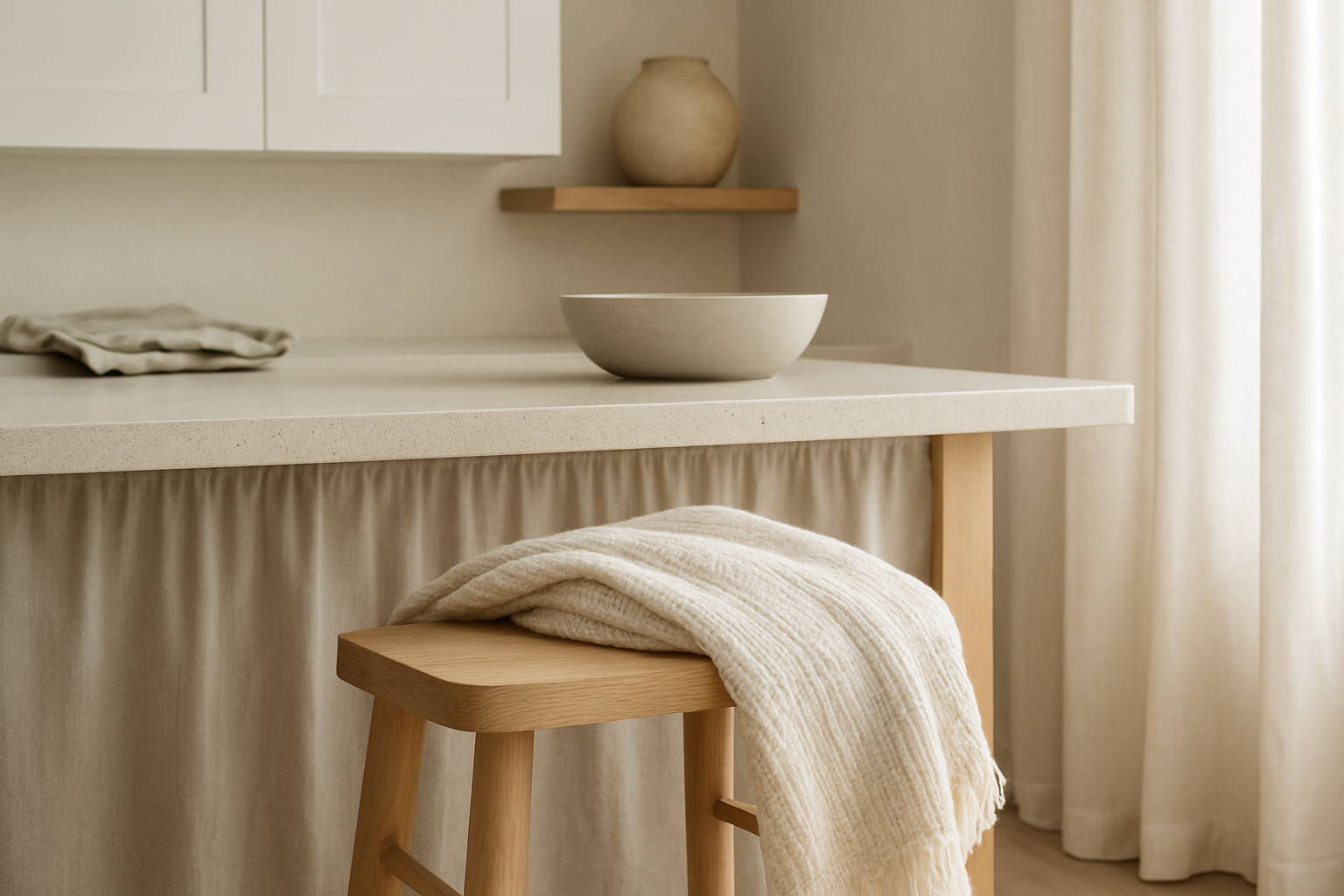
One frequent misstep in Japandi kitchens is relying on overly uniform surfaces, like smooth matte cabinetry paired with a similarly flat countertop. While minimalism is integral to the style, a lack of textural variation can leave the space feeling flat and sterile.
The beauty of Japandi lies in the tactile interplay between materials — natural grainy oak, softly textured linen, and the tactile coolness of stone or concrete. To correct this, consider mixing finishes intentionally: pairing lightly grained oak cabinets with honed stone counters that have soft textural variation. Adding elements like a linen or woven natural fiber window covering or seat cushion gently introduces a tactile warmth without breaking calm simplicity.
Visually, this layered approach invites the eye to linger and feel the space, elevating what could be a stark kitchen into a quietly rich environment. When layering, keep the palette soft and earthy — warm off-whites, muted greys, gentle beiges — to maintain cohesion and visual flow.
Practically, start with your largest surfaces. If your cabinetry and counters share similar textures, introduce contrast through your backsplash or textiles nearby. A rougher stone backsplash behind a smooth wood cabinet gives this subtle yet effective contrast. Avoid shiny or high-gloss finishes, which can disrupt the understated feel.
Balancing Natural and Manufactured Textures Without Clashing
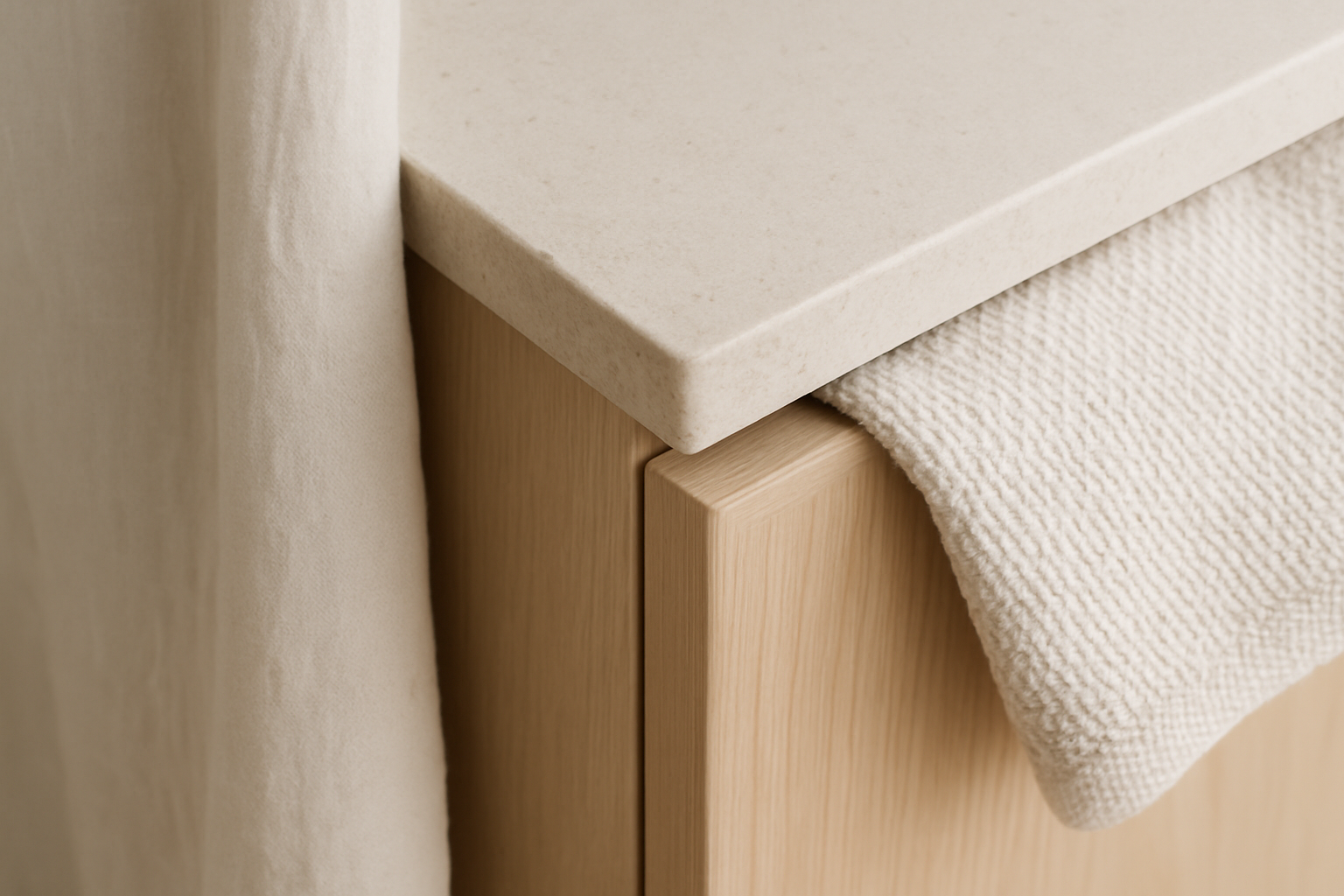
Another challenge is unintentionally mixing textures that disrupt visual harmony. For instance, pairing a raw concrete floor with a polished marble countertop can feel discordant rather than complementary in a Japandi context. Both materials are natural but operate at different tactile and visual registers.
Japandi kitchens shine when textures feel related — like variations of natural stone or wood rather than extremes of polished versus raw. When materials clash, the space loses its fluid calm and can feel fractured.
To fix this, first consider your dominant materials. If your kitchen’s foundation is warm-toned oak cabinetry, select countertop materials that echo that warmth in texture and tone, such as honed quartz or matte-finished soapstone, rather than stark marble. In flooring or wall tiles, choose surfaces with muted tactile qualities that quietly reference natural elements.
Layering textiles subtly also helps. Linen napkins or cushions in muted earth tones add a soft, organic layer that bridges harder surfaces, enhancing cohesion. When combining materials, imagine a visual and tactile family resemblance; if a material feels like a foreign body, rethink it.
Overlooking the Importance of Scale and Texture Proportion
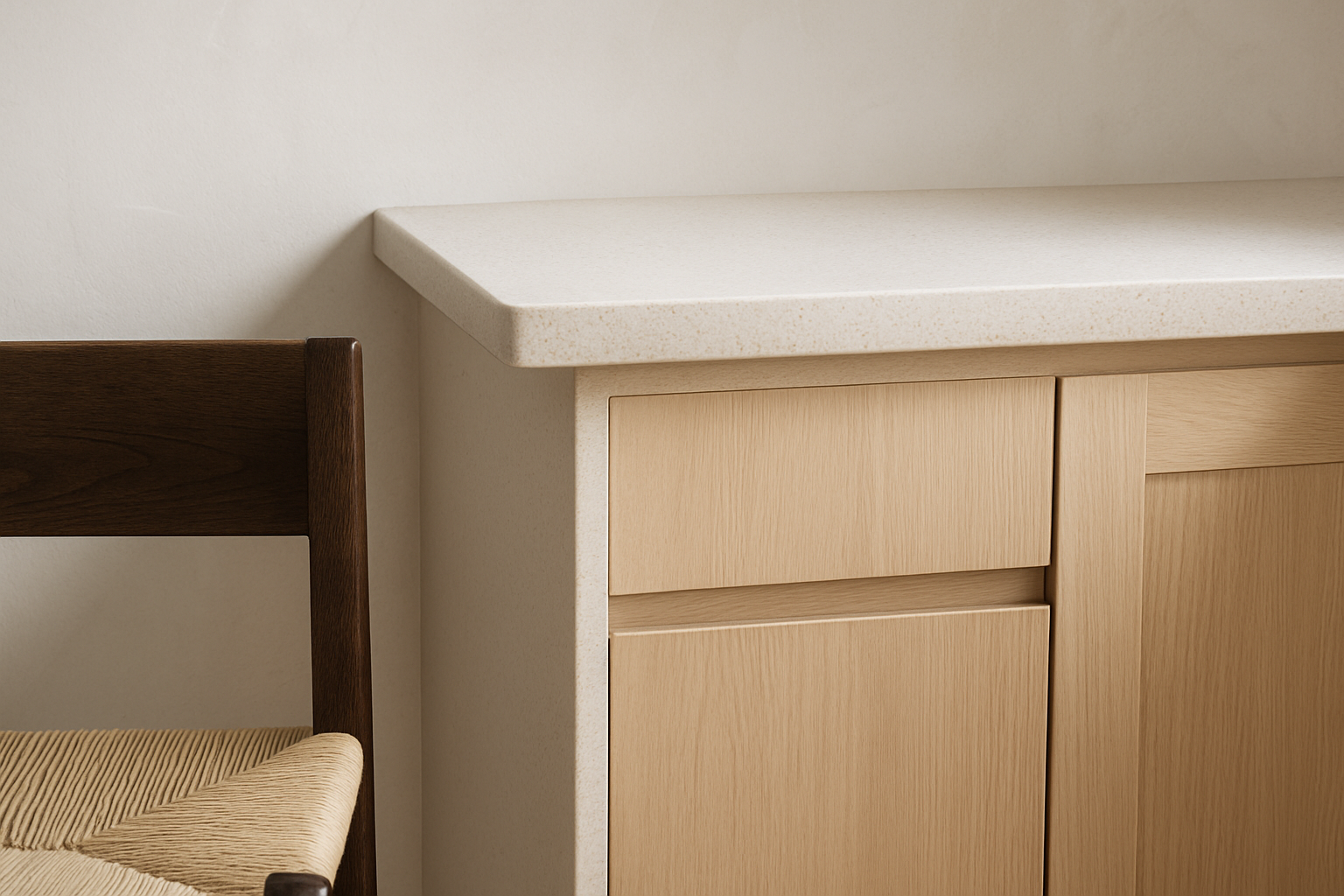
A more subtle mistake lies in ignoring proportion in texture applications. Large surfaces with bold, coarse textures can overwhelm a small kitchen, while fine, delicate textures may get lost in a large space.
Japandi emphasizes balance and harmony, so texture must be sized thoughtfully. For example, a large kitchen island in rough-hewn oak can anchor the room beautifully, but if paired with overly rough concrete flooring, the textures compete and create sensory overload.
To correct this, scale textures relative to each kitchen’s size and lighting conditions. Smaller kitchens benefit from smoother, subtler grains on cabinetry and minimal grout lines. Introduce coarser textures in smaller doses—like a handwoven linen runner or a textured ceramic vase—to create focus without heaviness.
In larger kitchens, you can afford bolder textures but balance them with calming, flat surfaces to prevent the space from appearing chaotic. For example, pair chunky ceramic tiles on the floor with streamlined, lightly textured cabinet fronts in oak or walnut.
Material scale and texture should be a quiet conversation, not a loud argument, highlighting natural materials’ beauty without overwhelming the eye.
Placing Textures Without Considering Light and Flow
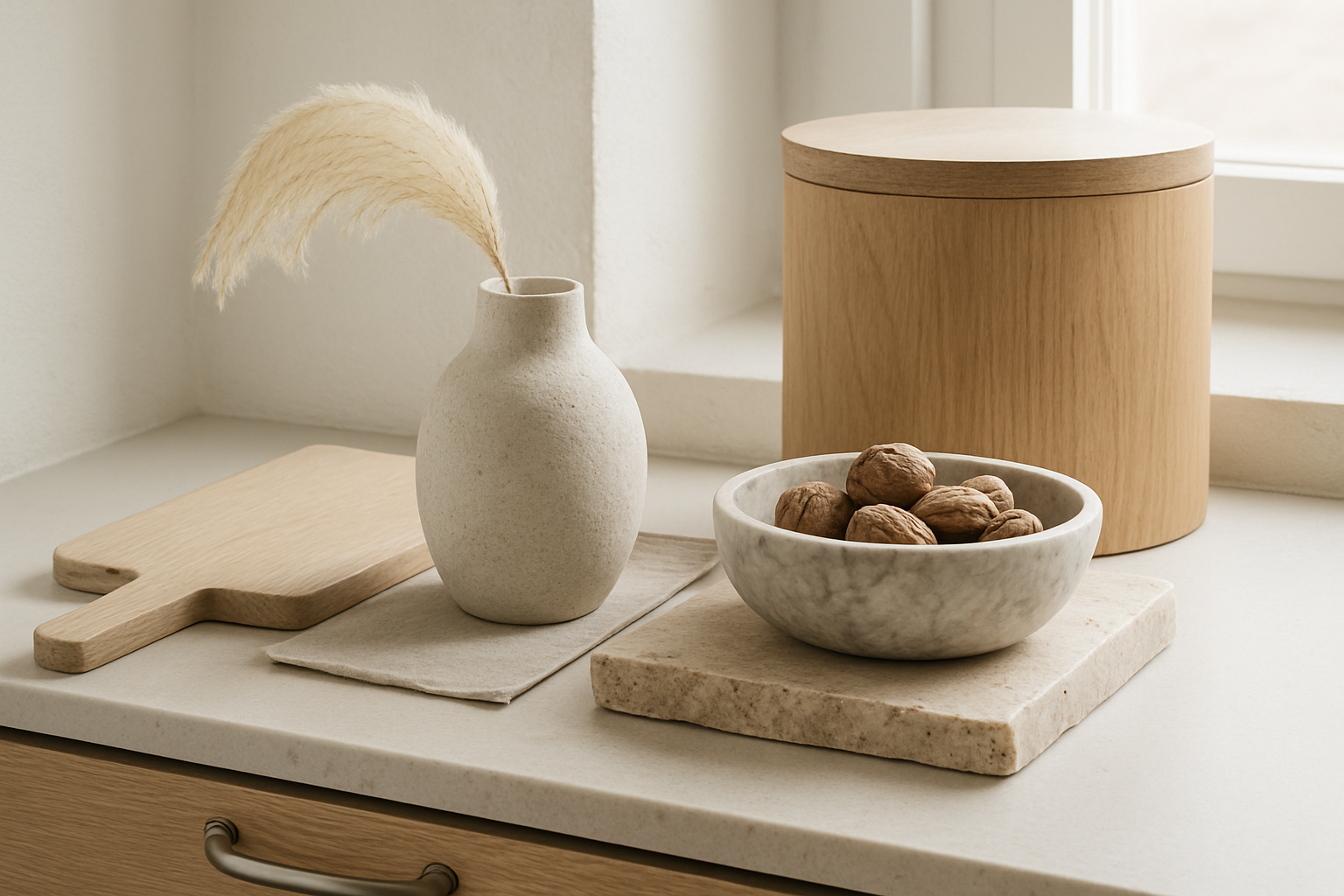
Texture choices often overlook how light interacts with surfaces, yet this relationship defines the room’s atmosphere. Many Japandi kitchens go wrong by placing darker textured materials in poorly lit corners or using matte textures where soft light could reveal their character.
Light softens textures and breathes warmth, making the kitchen feel more inviting. When key textural materials are hidden from natural light, their full effect is lost, and the space may appear dull or heavy.
A practical fix is to arrange reflective yet textured materials near light sources—like positioning a natural stone backsplash that catches daylight or choosing cabinetry with subtle wood grain facing windows. Linen curtains or soft drapery in light neutrals can diffuse harsh sunlight without flattening texture.
Keep pathways clear to let daylight flow freely across surfaces. In compact kitchens, consider reflective natural textures like light oak or pale stone, which amplify brightness and reveal layers of texture gently. Avoid dark, overly rough floor textures in small, dim kitchens as they absorb light and shrink the space visually.
Losing the Calm Finish: How to Layer Finishes for That Signature Japandi Warmth
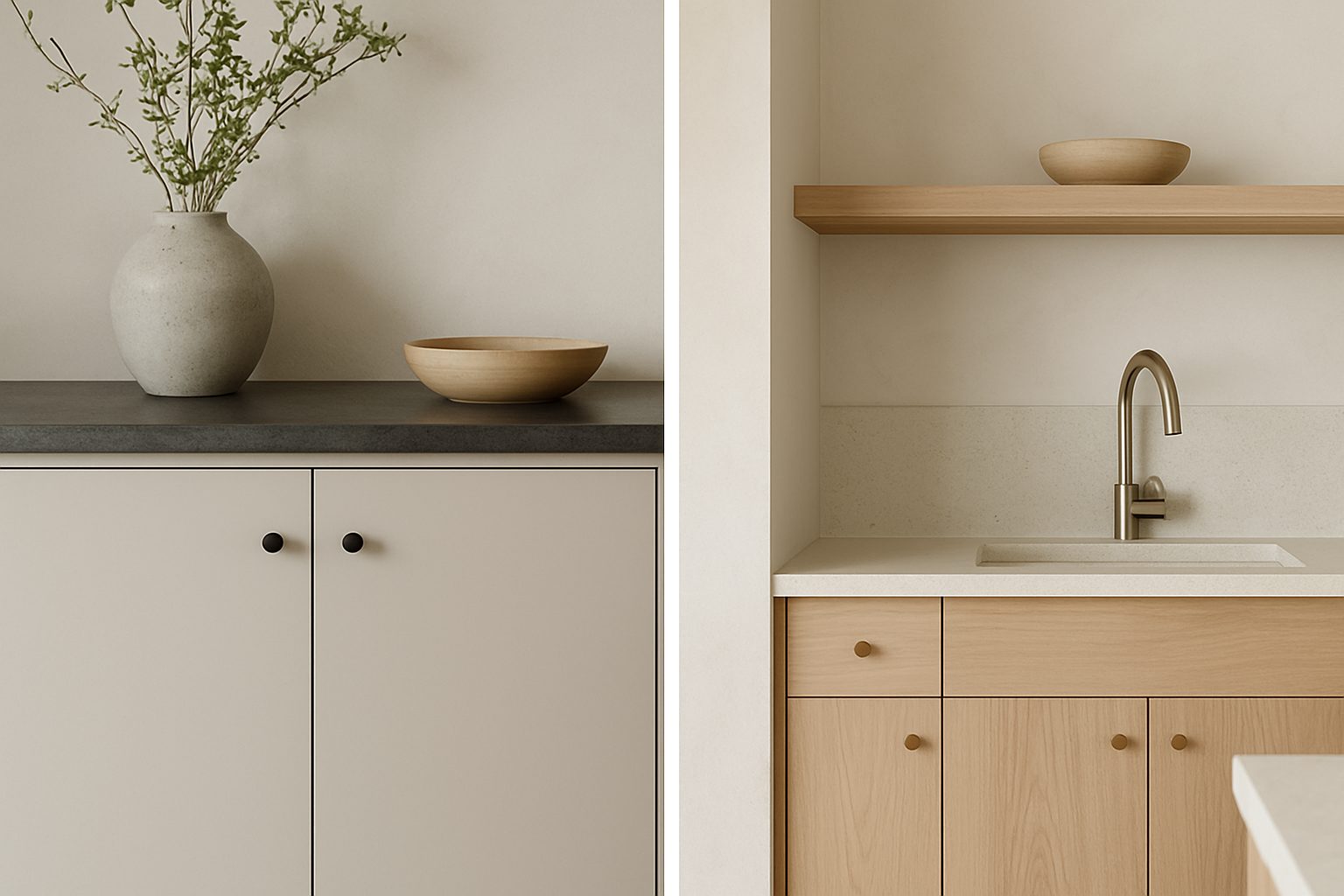
Finally, many kitchens fail to capture Japandi’s signature calm by not layering finishes sensibly. Combining too many rough or completely smooth materials without an in-between softening step can create a look that feels either unfinished or overly polished.
The look thrives on a nuanced material mix, often involving wood with matte or satin finishes paired with fabrics like linen or natural wool in muted colors. This softens the overall impact without breaking the minimalist spirit.
To fix this, aim to balance wood with fabric and stone in your kitchen. A linen runner or woven placemats on a stone countertop add softness and tactile contrast, while cabinetry with a lightly oiled wood finish feels warm, not glossy.
Bring in natural woven baskets or soft-cloth towels, and if possible, layer an area rug under an eating nook in soft, neutral textiles. These elements ground the space and invite layering textures that feel edited and intentional. Avoid synthetic fabrics or shiny plastic accessories that jar against the natural materials foundational to Japandi.
FAQ
What are the best natural materials for Japandi kitchen textures?
Oak wood, honed stone, linen textiles, natural wool, and lightly textured ceramic are ideal as they combine warmth and subtle tactile interest without overpowering the simplicity.
Can I use glossy surfaces in a Japandi kitchen?
Glossy surfaces can disrupt the calm layered texture typical of Japandi. If used, keep them minimal—perhaps in lighting fixtures or small accents—and balance with matte, natural materials.
How do I introduce texture in a small Japandi kitchen without overcrowding?
Focus on subtle textures in cabinetry and textiles, like fine wood grain and soft linen curtains. Use larger textures sparingly, such as a woven placemat or a stone backsplash with gentle variation.
Is it okay to mix wood tones in a Japandi kitchen?
Mixing wood tones can work if kept within a warm, muted palette and balanced proportionally. Avoid stark contrasts; instead, opt for pieces that share similar undertones for cohesion.
How important is lighting for texture in a Japandi kitchen?
Lighting is crucial. Natural daylight enhances texture visibility and warmth, so keep window treatments light and ensure key materials receive adequate natural or soft ambient light.
Creating a Japandi kitchen that feels genuinely warm and layered comes down to mindful texture choices and their placement. Avoid overly uniform surfaces by introducing tactile contrast through natural materials. Balance textures thoughtfully, considering both scale and material relationships to maintain harmony. Never ignore how light animates your textures and soften finishes with complementary fabrics or woven elements. By addressing these common mistakes, you’ll cultivate a kitchen that feels both timeless and inviting — a space where calm, collected textures coexist with everyday practicality.