
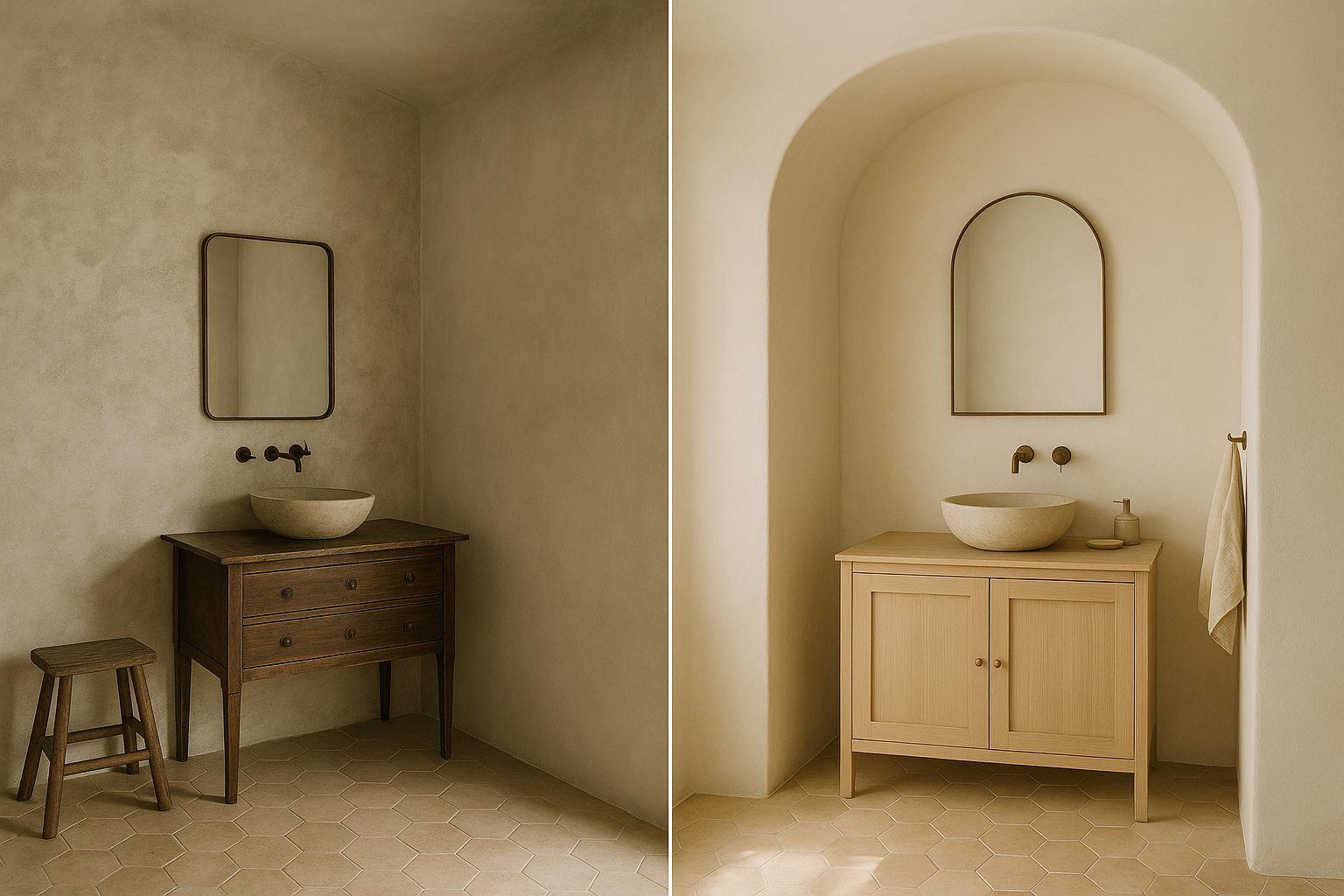
Mediterranean bathrooms are beloved for their warm, rustic charm and inviting textures, capturing the sunny, coastal spirit of southern Europe. But without a clear eye on how to layer surfaces and materials, this look can easily slide into feeling cluttered or oddly flat. Mediterranean bathroom texture mistakes to avoid focus heavily on balance — between rough and smooth, warm tones, and tactile variety — to keep these spaces feeling lived-in rather than overstyled.
Getting textures right means more than adding a few tiles or a wood vanity. It’s about understanding how different finishes interact in a small room with natural light, how colors and textures together create a mood, and how proportion and placement influence the overall feel. This guide will walk you through five common texture pitfalls specific to Mediterranean bathrooms, with practical fixes that bring visual calm, layered interest, and that authentic hand-crafted vibe you want.
Overusing Rough Stone Without Contrast
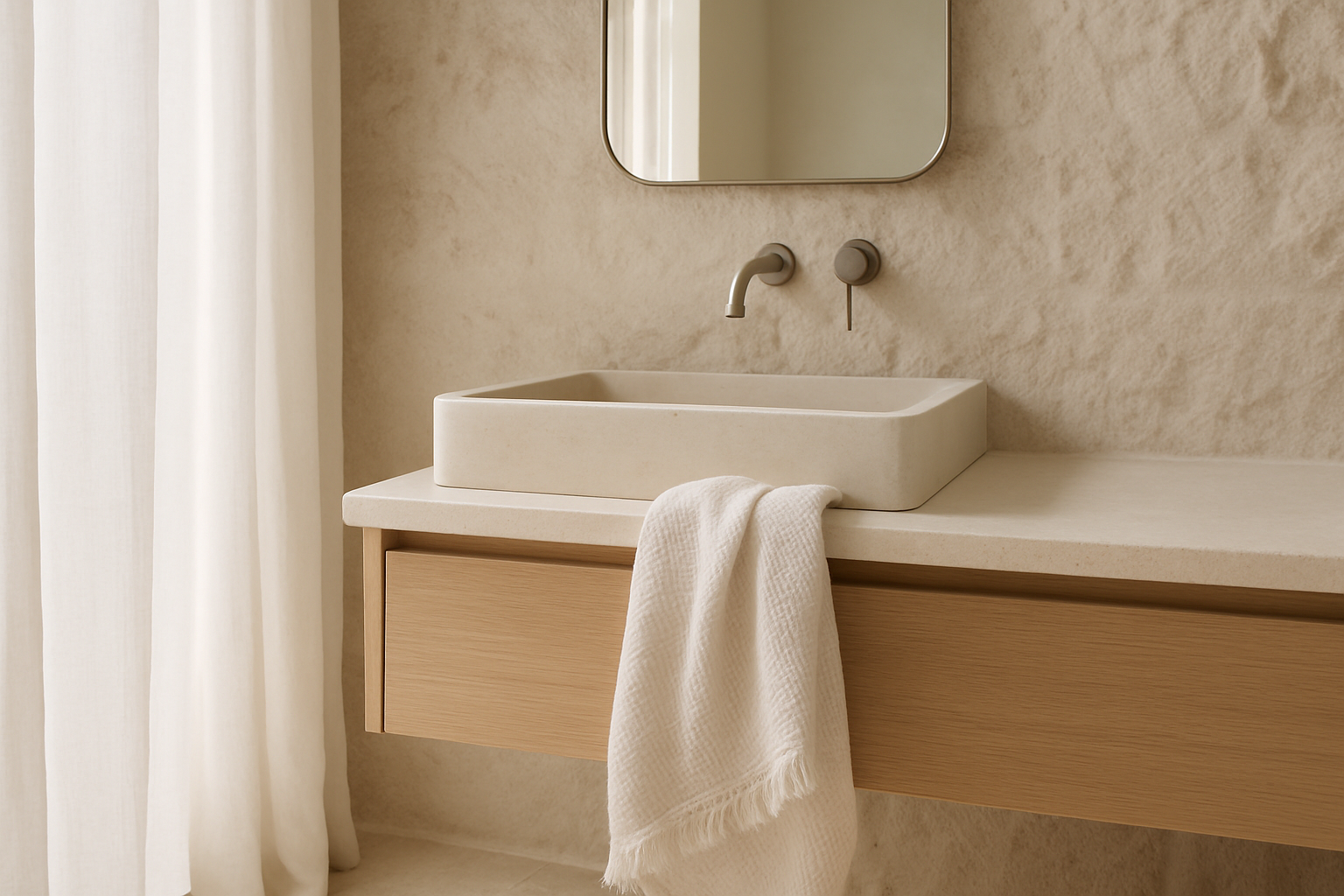
One of the most common texture mistakes in Mediterranean bathrooms is relying too heavily on rough stone surfaces without balancing them with smoother elements. Rough stone walls or floors are undeniably character-rich but can dominate a room, making it feel cold or heavy if overdone.
To fix this, introduce smooth plaster or stucco walls painted in warm off-white or soft peach tones. The visual contrast between rough, porous stone and smooth, matte plaster softens the space and creates depth. For example, a stone floor combined with smooth walls and a polished stone sink or countertop brings textural interest without overwhelming the senses. This subtle balancing act works especially well in smaller bathrooms, where a heavy stone focus can shrink the space visually.
Layer in warm terracotta or muted ochres alongside natural stone hues to maintain that Mediterranean palette without texture overload. This combination helps your bathroom feel tactile and curated rather than raw or unfinished.
Neglecting Texture Layers in Flat White Spaces
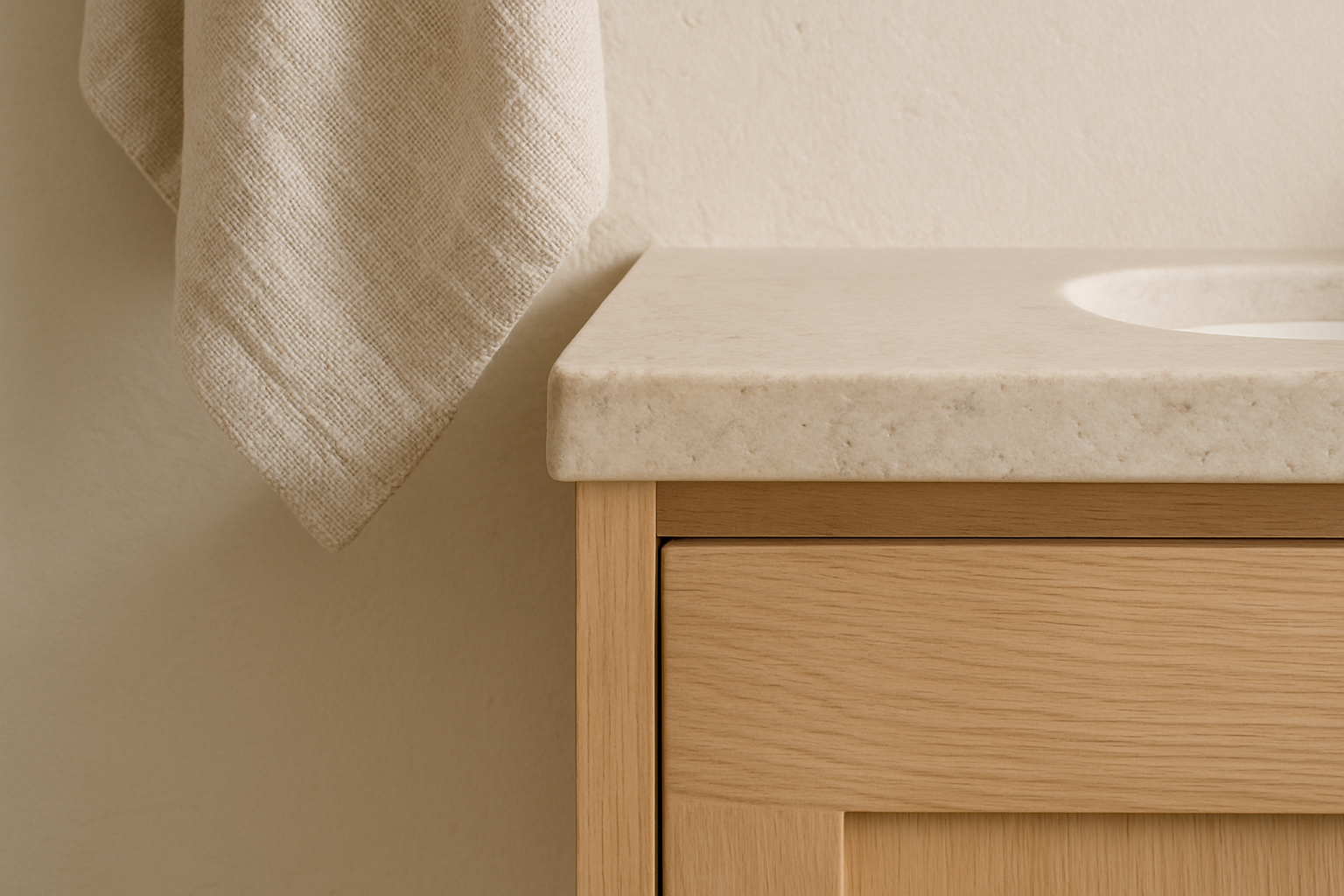
Mediterranean bathrooms often showcase bright white walls or tiles inspired by coastal sunshine. But leaving those surfaces completely flat or untextured can backfire, making the room feel clinical rather than inviting.
Adding layers through woven textiles like linen or cotton towels, a patterned Moroccan-style rug, or hand-crafted pottery introduces softness and dimensionality. Using subtly embossed or handmade tiles with small-scale patterns adds complexity without competing with other surfaces.
Rather than shiny or high-gloss finishes, opt for matte or satin textures on painted walls or cabinetry — these finishes reflect light softly, maintaining warmth and the natural flow of Mediterranean style. This layered texture approach breathes life into white spaces, creating a well-lived atmosphere that is anything but flat.
Missing Cohesion Between Materials
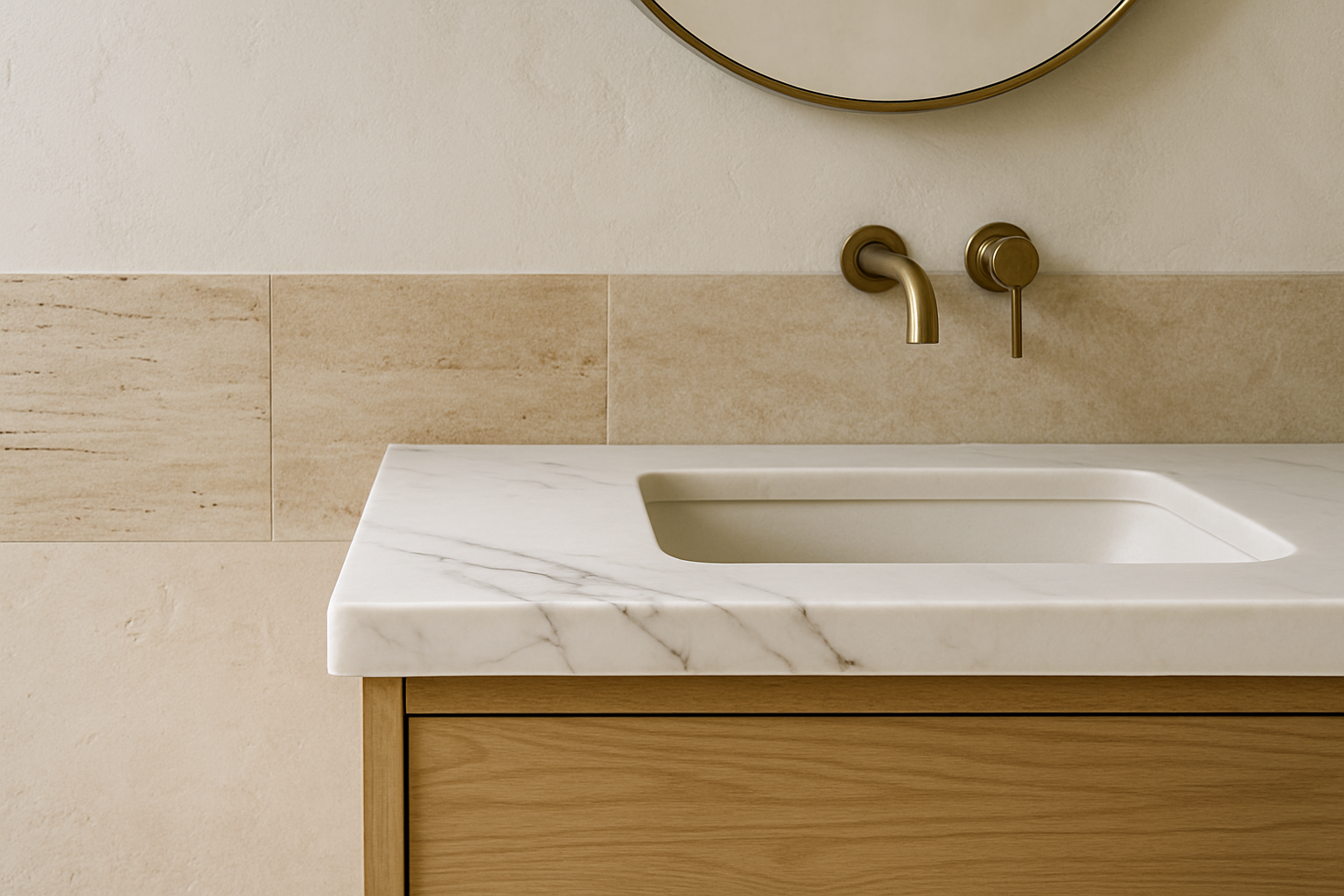
Another subtle but impactful texture error happens when mismatched materials fight instead of harmonizing. For Mediterranean bathrooms, this usually means pairing cold, slick modern surfaces with rustic, organic elements without enough transitional texture to tie them together.
For instance, a sleek glass shower enclosure can clash with rough terracotta tiles if not paired thoughtfully. Introducing an intermediate texture, such as a woven rattan basket or a wooden towel rack with a natural grain, helps bridge the gap. This layering ensures each material plays a clear role in the room’s narrative while maintaining visual balance.
Choose a cohesive Mediterranean color palette of soft blue, warm terra, olive green, or cream to guide material choices and prevent texture elements from feeling jarring or misplaced.
Overwhelming the Bathroom with Large-Scale Patterns or Tiles
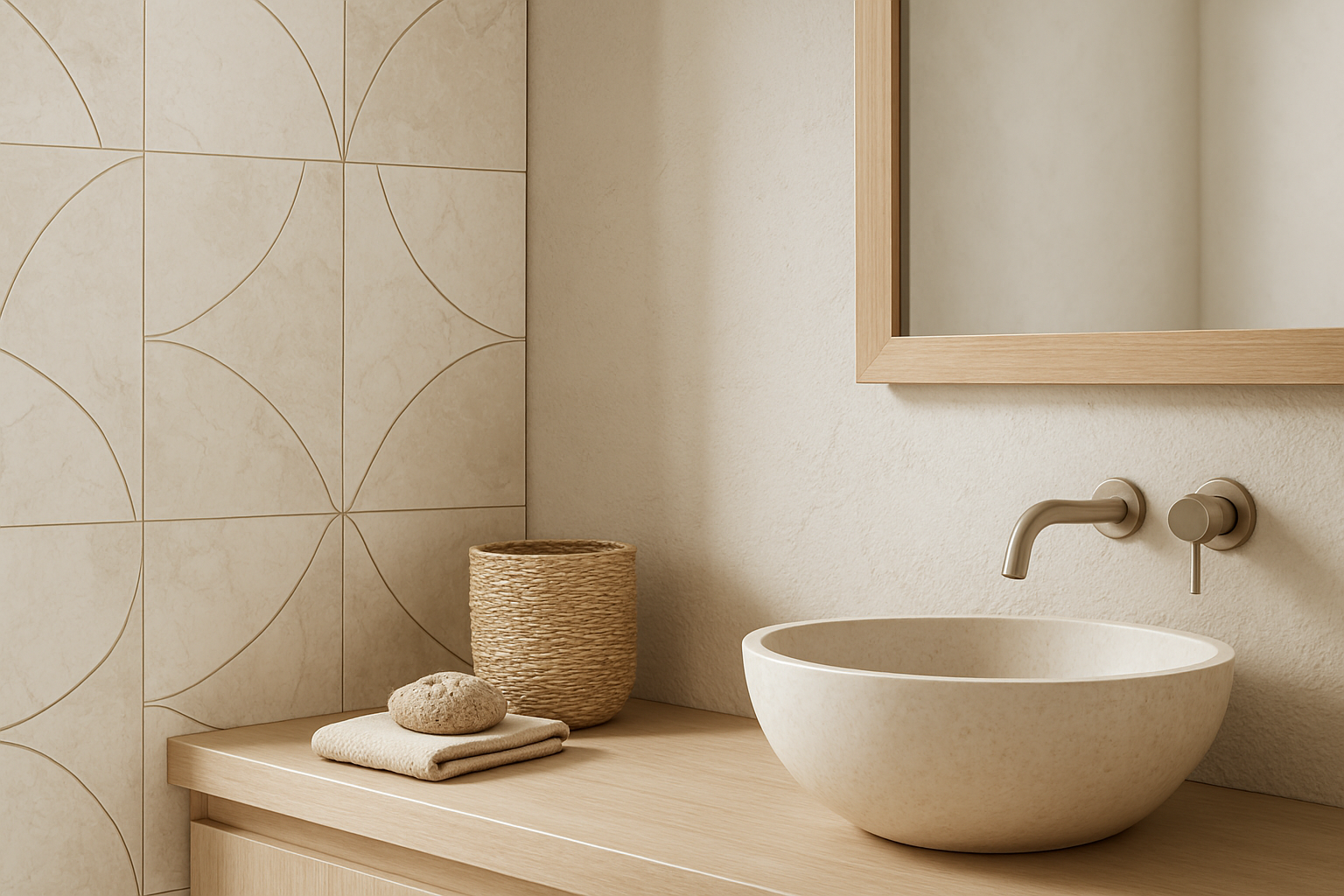
Big, bold pattern pieces or extensive tile coverage can disrupt the sense of scale and calm in Mediterranean bathrooms. While large Mediterranean tiles can be striking, they sometimes throw off the room’s proportions, especially in small or medium-sized bathrooms.
To correct this, use large-scale patterned tiles as accents rather than full walls. For example, a patterned tile backsplash behind the sink or an inset niche manages scale and adds focal points without overcrowding the visual field. Balance these areas with simpler adjoining surfaces like softly plastered walls in muted hues.
Using varied tile sizes in a single room—small mosaic inlays combined with larger plain tiles—helps break up visual monotony while preserving the signature textured feel of Mediterranean style.
Letting Texture Choices Overshadow Light and Flow
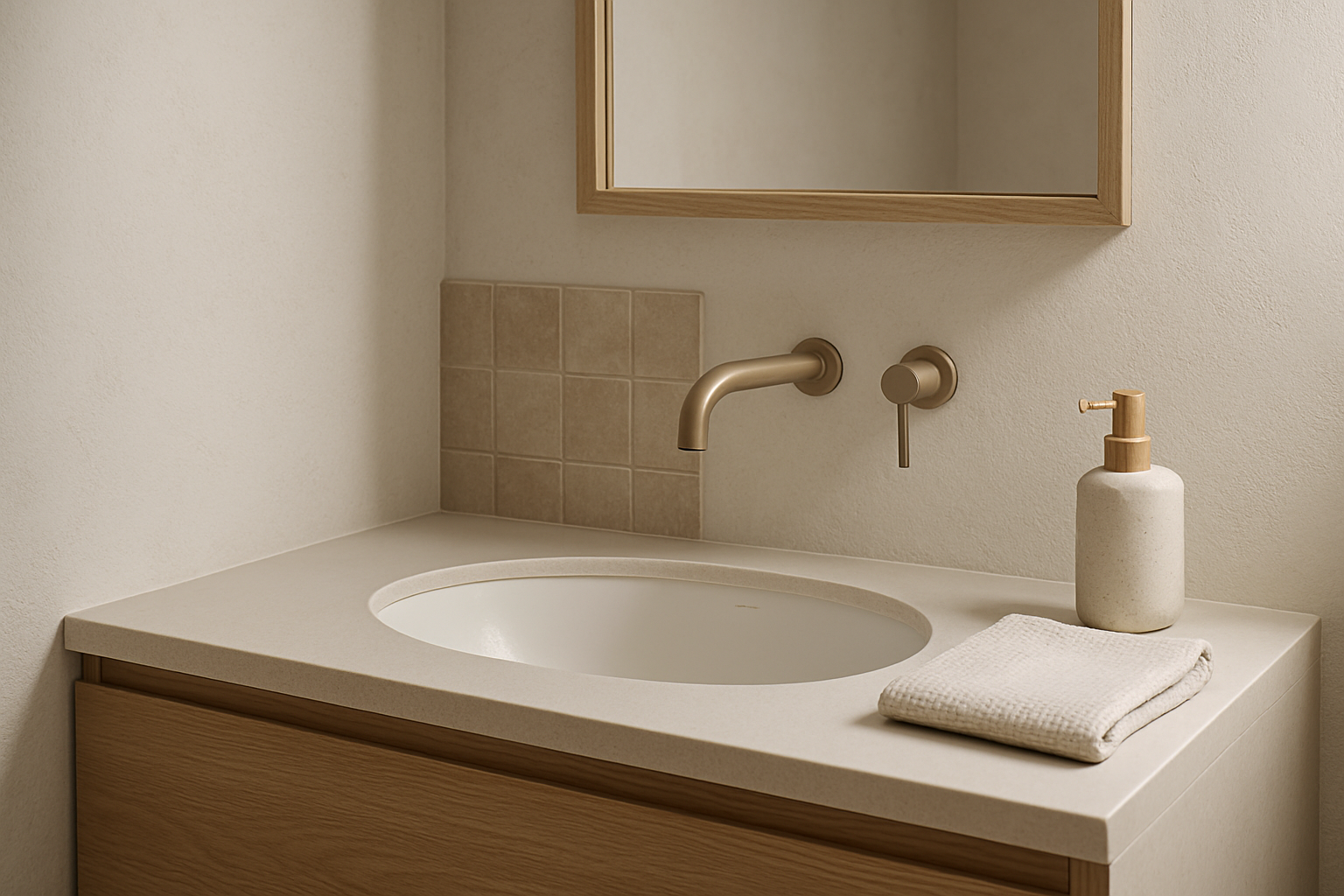
Finally, the texture that makes or breaks a Mediterranean bathroom’s ambiance is often the one that interacts with the natural light. Heavy, dark textures can absorb light and create a cramped feeling whereas very harsh finishes can reflect glare.
The key is to choose tactile but light-reflecting finishes — think matte plaster walls, soft terracotta tones, and gently worn wood textures. Position these textures where they catch sunlight or soft artificial lighting to maximize glow and warmth.
Avoid covering every surface with heavy texture. Instead, consider the bathroom’s layout and light flow. Keep key areas like vanities and mirrors surrounded by smoother finishes to enhance brightness, while reserving more tactile materials like stone or woven baskets to areas that benefit from visual grounding without darkening the room.
This thoughtful approach prevents the room from feeling cluttered or heavy, ensuring a native Mediterranean softness.
Frequently Asked Questions
What’s the easiest fix if my Mediterranean bathroom feels too rough?
Introduce smooth plastered walls or matte-finished cabinetry in warm white or soft ochre tones to contrast the stone and soften the overall look.
How can I add texture without overwhelming a small bathroom?
Use layers of soft textiles and small accent tiles rather than full wall patterns, and keep larger textures proportionate to the room’s scale.
Can I mix modern materials with Mediterranean textures?
Yes, but add transitional elements like woven baskets or natural wood to harmonize slick modern finishes with rustic textures.
What colors work best with Mediterranean bathroom textures?
Terracotta, warm cream, muted blues, olive green, and sandy tones create the right palette for warm, layered Mediterranean textures.
How important is light when choosing bathroom textures?
Very important — texture interacts with light to either lift or drag down the space. Choose textures and placements that enhance natural and artificial light flow.
Conclusion
Mediterranean bathroom texture mistakes often stem from a lack of balance and cohesion rather than a shortage of materials. Avoid relying too heavily on rough stone without smoother contrasts, don’t let white spaces go flat by layering textiles and matte finishes, and ensure your materials work together in harmony. Always keep scale and light in mind when adding pattern or texture to preserve the room’s flow and warmth.
Starting with these texture-focused checkpoints will help you craft a Mediterranean bathroom that feels authentic, inviting, and easy to live with — a space where tactile charm meets polished design sense. For more ideas on laying the foundation for your Mediterranean bathroom, explore the best furniture for a Mediterranean bathroom to complement the textures for a fully rounded look.
Read Next
- Where to Start with Furniture for a Mediterranean Bathroom — Adds a complementary angle so the reader can move from one intent to the next.