
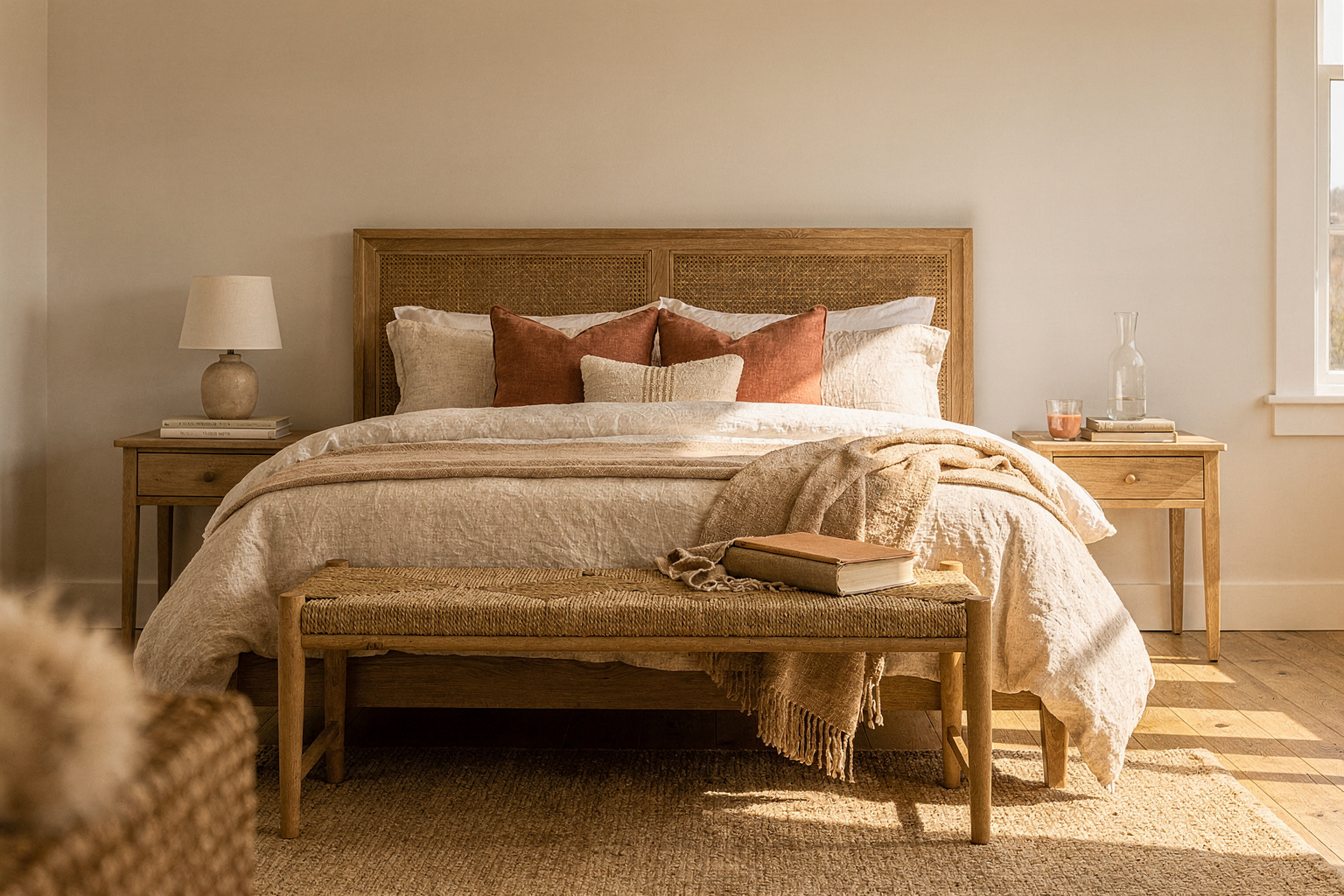
Choosing the right furniture for a coastal bedroom often feels like navigating a delicate balance: you want pieces that evoke the serene, breezy feeling of the coast without slipping into over-styled or cliché décor. The challenge lies in selecting furniture that achieves visual balance, supports natural light flow, embraces textural layering, and works practically within your room’s size and your lifestyle. In this article, I’ll help you weigh the most important criteria for coastal bedroom furniture and explore two leading options, considering materiality, style, and spatial needs. Beyond choosing the right furniture type, I’ll also guide you on matching these choices to your specific room constraints and budget, and how to approach your final selection with confidence.
Establishing Key Furniture Criteria for a Coastal Bedroom
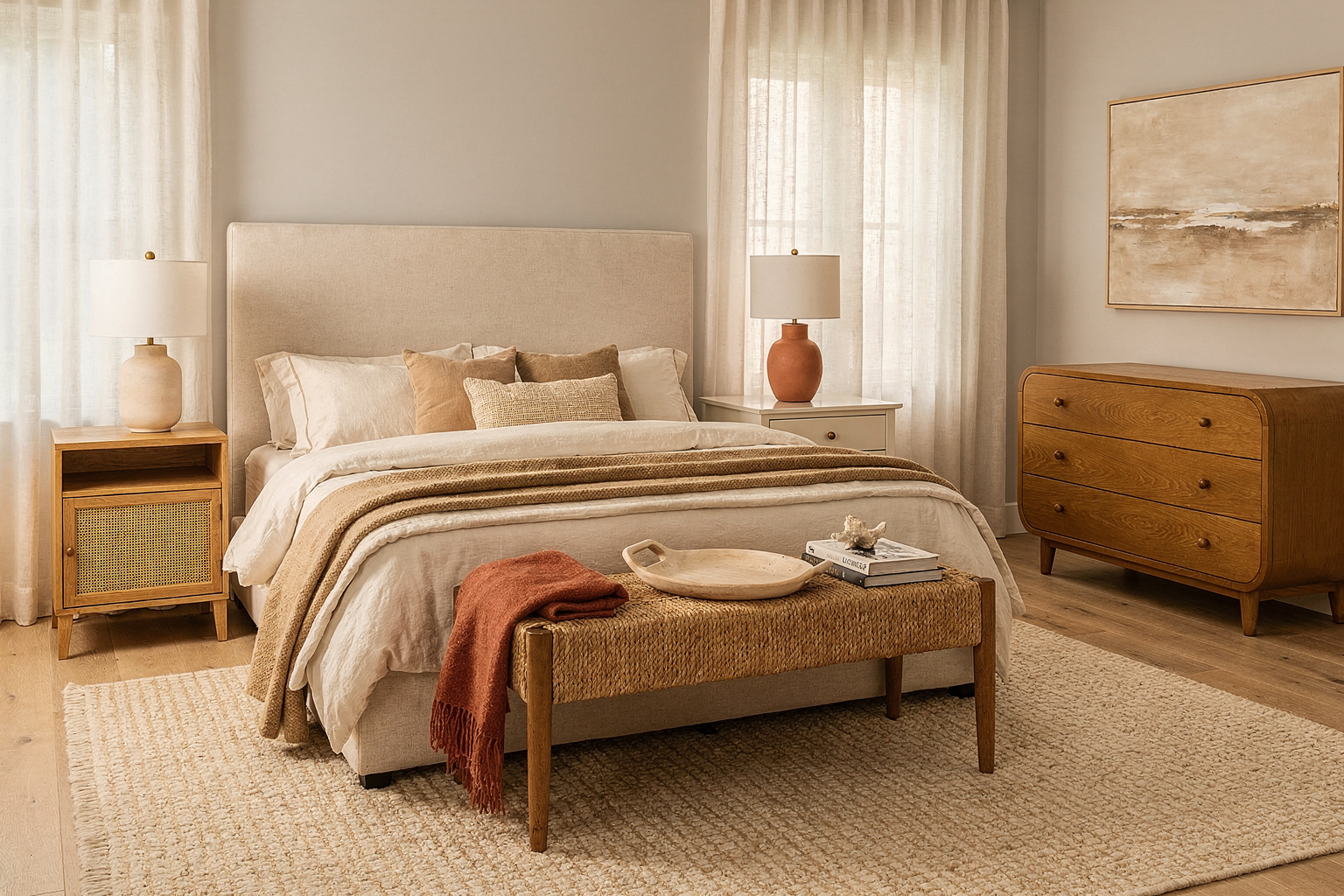
Before comparing material families or styles, it’s crucial to understand what makes furniture feel authentically coastal and harmonious in a bedroom setting. First, natural light flow is essential in coastal interiors; bulky or dark furniture pieces can interrupt this. Look for designs with clean lines and modest profiles to maintain airy openness. Next, texture layering plays a large role—materials like linen, oak, rattan, and stone offer tactile warmth without overwhelming the calm palette common to coastal décor. Lastly, proportion and scale should complement rather than compete with the room. Furniture that’s too tall or heavy-looking can unbalance visual flow and limit natural light.
A true coastal bedroom feels effortless and balanced, where furniture supports a restful mood through its understated materials and shape rather than adding busy detail.
When Solid Oak and Natural Woods Set the Tone
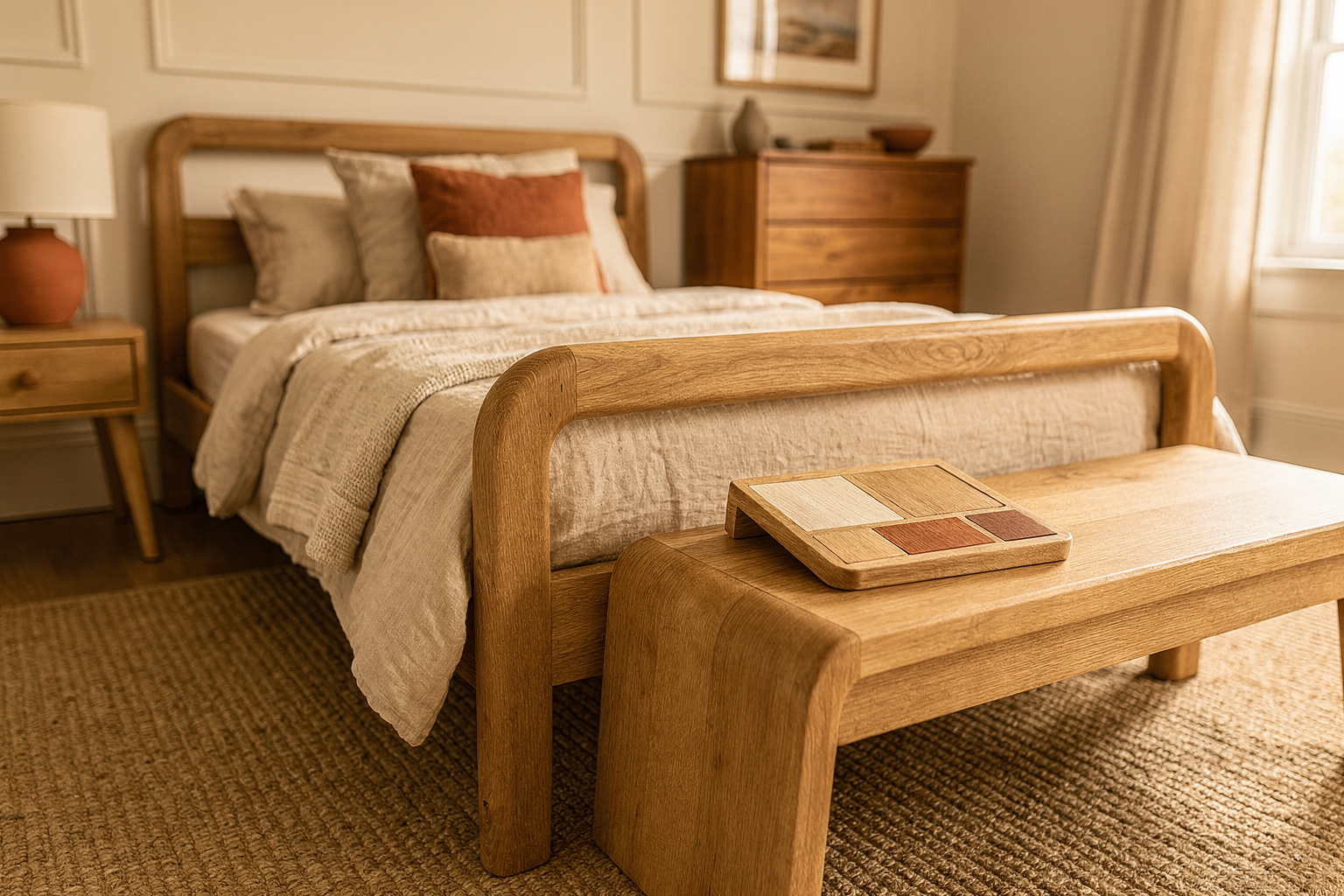
Oak and other natural hardwoods stand out as a primary furniture choice for coastal bedrooms because of their timeless quality and tactile presence. Oak’s soft warmth and visible grain lend weight without feeling heavy, pairing beautifully with linen bedding and stone accessories. Furniture in natural finishes supports the neutral, earthy palette that anchors coastal interiors, helping rooms feel grounded yet airy when combined with light walls and layered textures.
Practical use at home involves selecting pieces with simple, refined silhouettes—such as low-profile platform beds, sleek nightstands, and tapered leg dressers—that maintain a visual lightness. Oak tolerates wear well, making it ideal for a lived-in look that’s both elegant and relaxed. You can introduce coastal bedroom ideas around this foundation: add woven baskets, rattan lampshades, or soft wool throws to soften the wood’s presence and reinforce texture.
Painted Furniture for a Softer Coastal Contrast
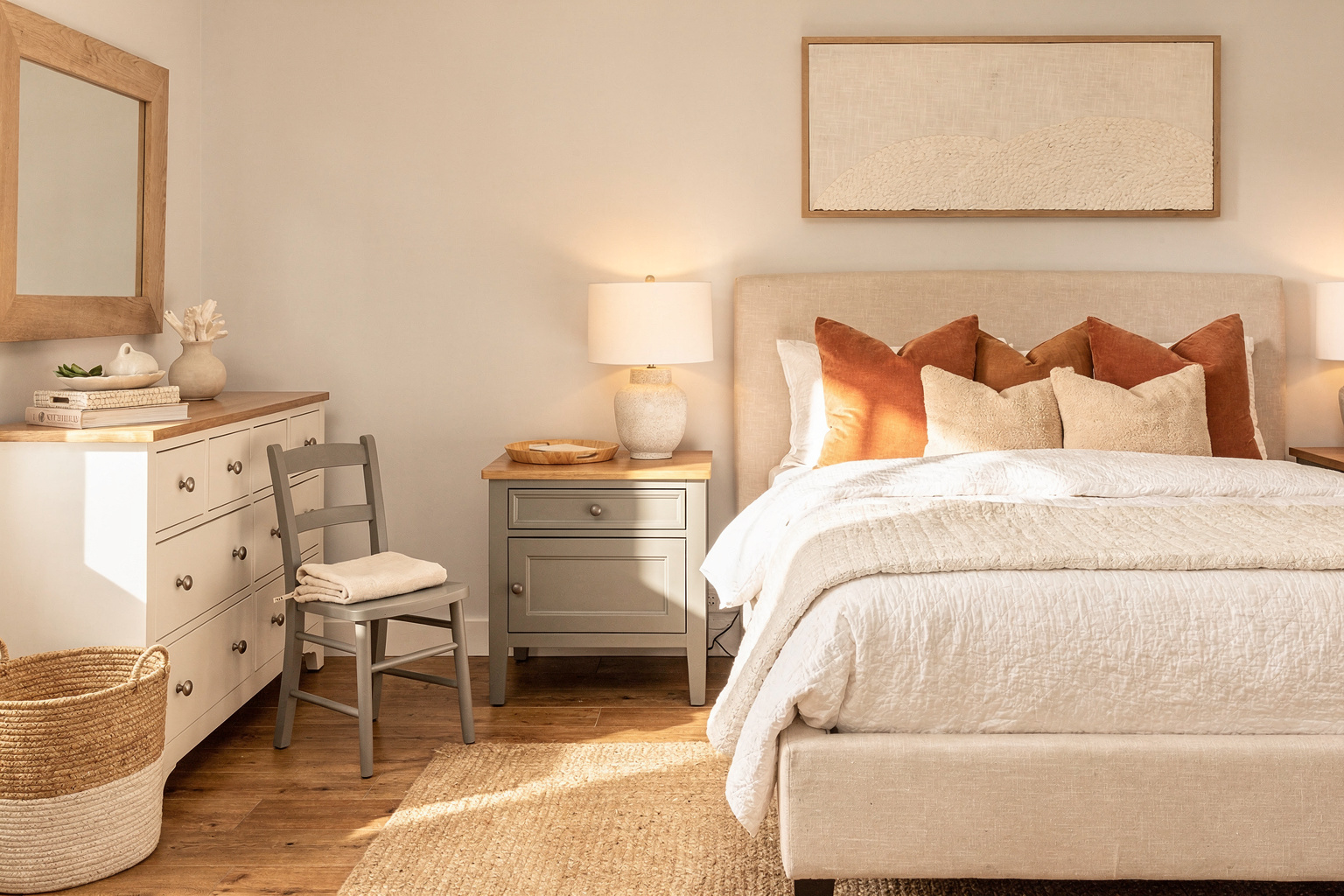
Painted furniture, particularly in muted pastels, whites, and soft marine-inspired hues, offers an alternate approach for those who want to brighten the space or introduce subtle color that complements the coastal color palette. These pieces often feel lighter visually, which might be preferable in a smaller room or for those who prefer a slightly more polished or cottage-inspired coastal look.
The painted surface smooths the tactile quality but can still harmonize with natural textures, especially when paired with linen upholstery or jute rugs. When styling, it’s important to keep key pieces simple and elegantly proportioned to avoid looking too ornamental or kitschy. Whitewashed pine or soft blue dressers, for example, balance softness and scale well in coastal bedrooms. This option is excellent if your coastal bedroom décor involves airy curtains, whitewashed walls, or seaside-inspired art.
Matching Furniture Choices to Room Size and Layout Considerations
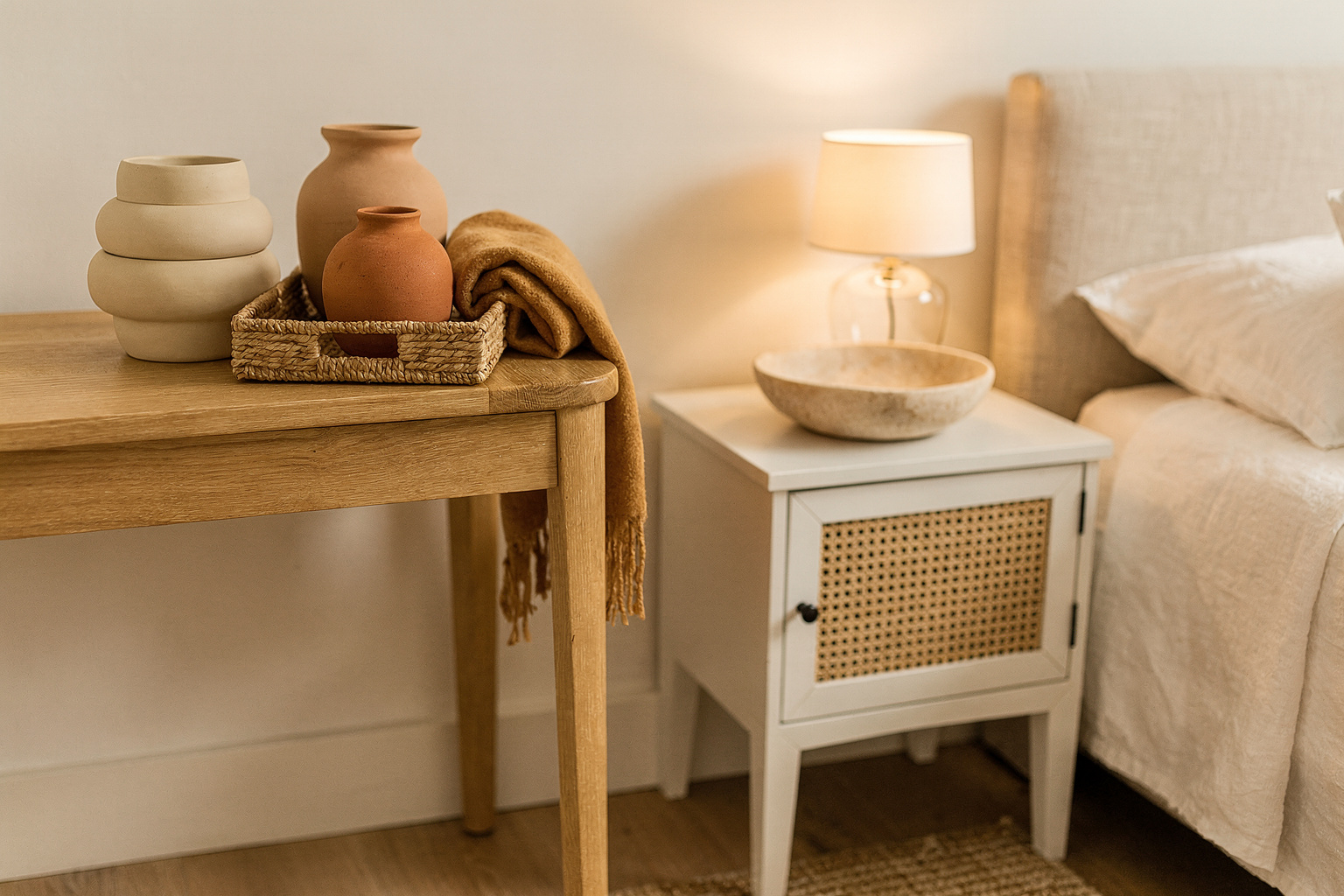
Coastal bedrooms often benefit from expansive light and space, but many interiors must navigate smaller footprints or limited wall space. Selecting the best furniture, therefore, demands careful attention to dimensions and spatial flow. Opt for multi-functional pieces, like beds with built-in storage or delicate side tables that don’t crowd pathways.
When working in compact coastal bedrooms, painted furniture typically offers the illusion of more space through lighter finishes, while natural wood adds depth but can feel weightier if oversized. Another practical tip is balancing furniture height: low-profile beds paired with taller, narrow dressers create vertical interest without overwhelming floor space. Consider how furniture affects natural light movement—avoid large headboards or bulky chests that block windows or interrupt sight lines. Layering texture through an area rug, woven chair, or linen bedding can bring warmth without sacrificing airiness.
Confidently Narrowing Down Your Coastal Bedroom Furniture
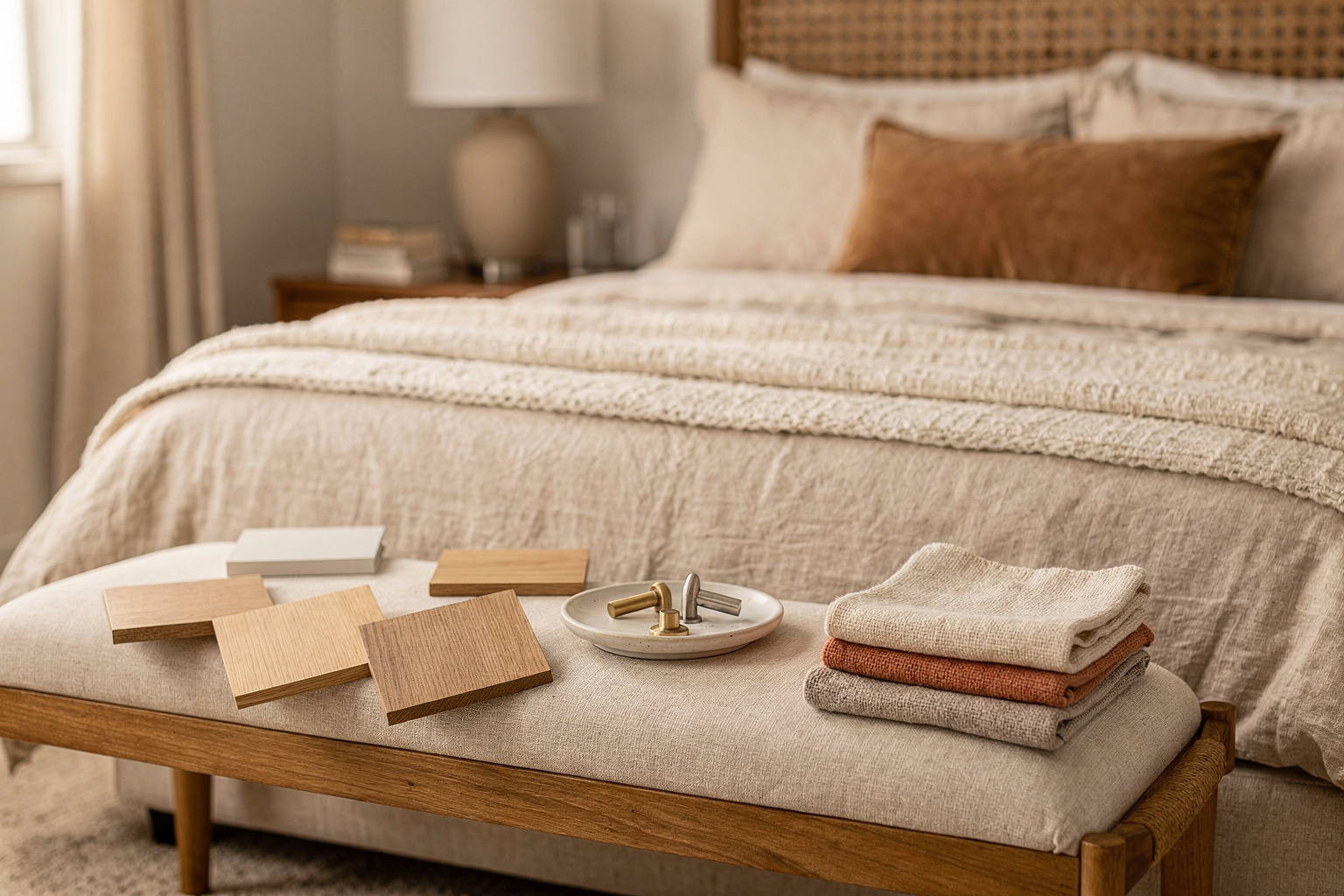
By now, you’re looking at a landscape where natural wood and painted finishes both bring their strengths. To confidently choose, list what matters most for your home: durability, room scale, brightness, or style nuance. Oak and natural woods invite a tactile, grounded feel perfect for layering and lived-in warmth. Painted furniture lightens and softens especially well in compact rooms or those favoring a more casual, cottage coastal look.
Another consideration is budget and maintenance: natural wood can be an investment but lasts long with occasional care, while painted furniture typically requires less upkeep but may show wear differently. Trust your room’s light and size—will a lighter piece better open the space? Or does a natural material set a richer base for textures? A measured edit focused on scale and texture will ensure your furniture feels intentional and reassuringly coastal rather than overly styled.
FAQ
What are the best materials for coastal bedroom furniture?
Natural woods like oak and rattan are classic for their texture and durability, while painted wood offers soft color and lightness suited to smaller spaces or brighter looks.
How can I keep a coastal bedroom furniture arrangement feeling spacious?
Choose furniture with clean lines and modest scale, avoid blocking windows, and incorporate multi-functional pieces like storage beds to maximize flow and daylight.
Is painted furniture harder to maintain than natural wood?
Painted surfaces usually show chips and scratches more quickly but are easier to refresh with paint. Natural wood requires periodic polishing but tends to age gracefully.
Can coastal bedroom furniture work in modern interiors?
Yes, especially when you opt for streamlined silhouettes and natural finishes that blend modern proportions with coastal textures.
How important is texture in coastal bedroom furniture?
Texture adds essential warmth and depth, making materials like linen upholstery, woven rattan accents, or stone-topped dressers key partners in a balanced coastal look.
Choosing furniture for a coastal bedroom requires more than focusing on style keywords—it’s about how pieces support the room’s mood, light, texture, and daily use. Whether you favor the warm tactile presence of oak or the light, soft hues of painted wood, always prioritize proportional balance and natural material layering. This way, your furniture will invite calm and quiet warmth, reflecting the serene essence of coastal living in a way that feels personally grounded and practical.