
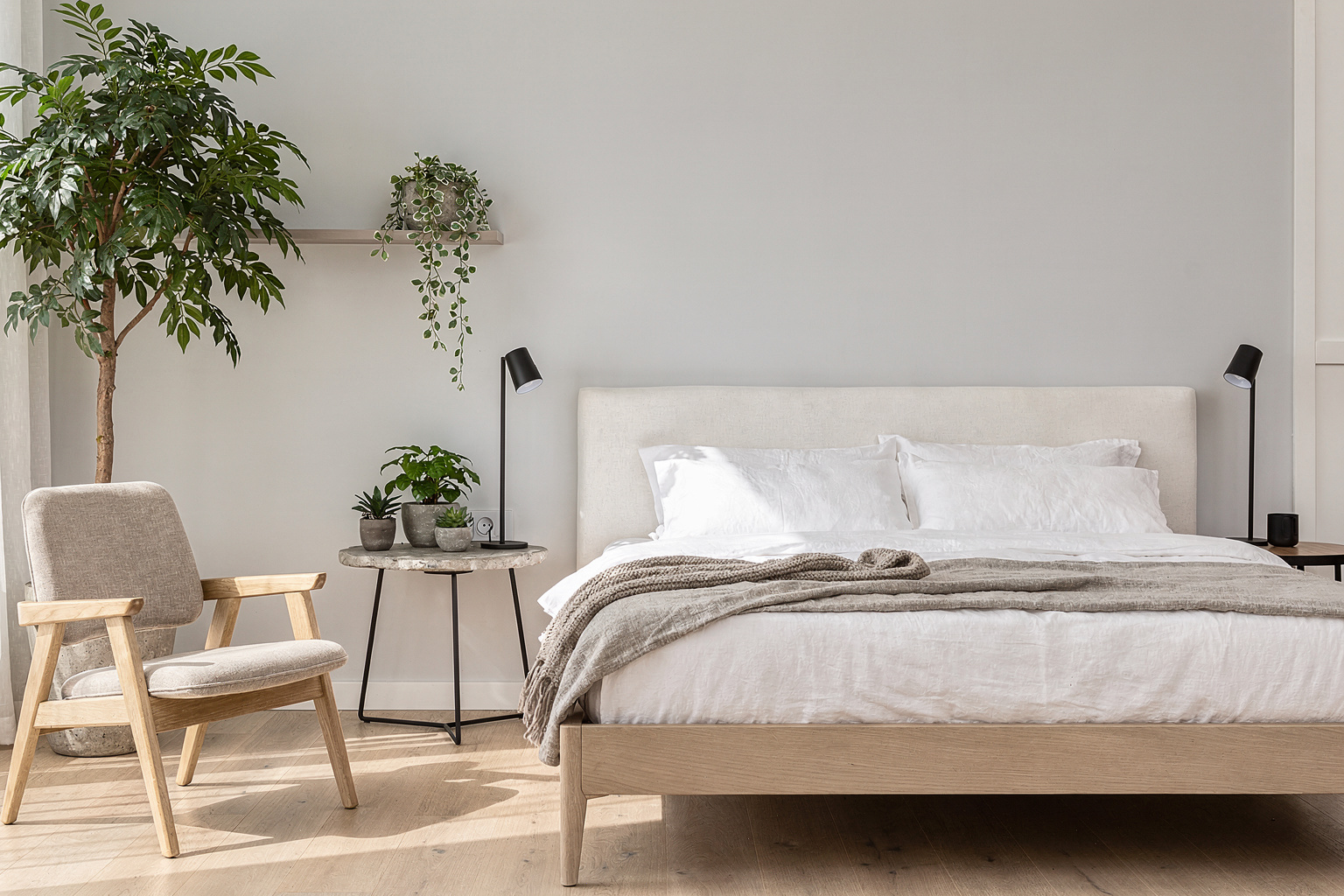
Arranging a biophilic bedroom is about more than just adding plants—it’s equally about choosing furniture that supports the connection to nature and comfort. But with so many options in natural woods, metals, and woven textures, deciding which furniture works best for your biophilic sanctuary can feel overwhelming. Key criteria include material authenticity, visual warmth, texture variety, and how each piece shapes your room’s flow and feel. In this guide, we’ll explore practical furniture choices that help you create a well-balanced, restful bedroom, rooted in biophilic principles without sacrificing comfort or style.
Prioritizing Material Choices That Nourish a Biophilic Mood
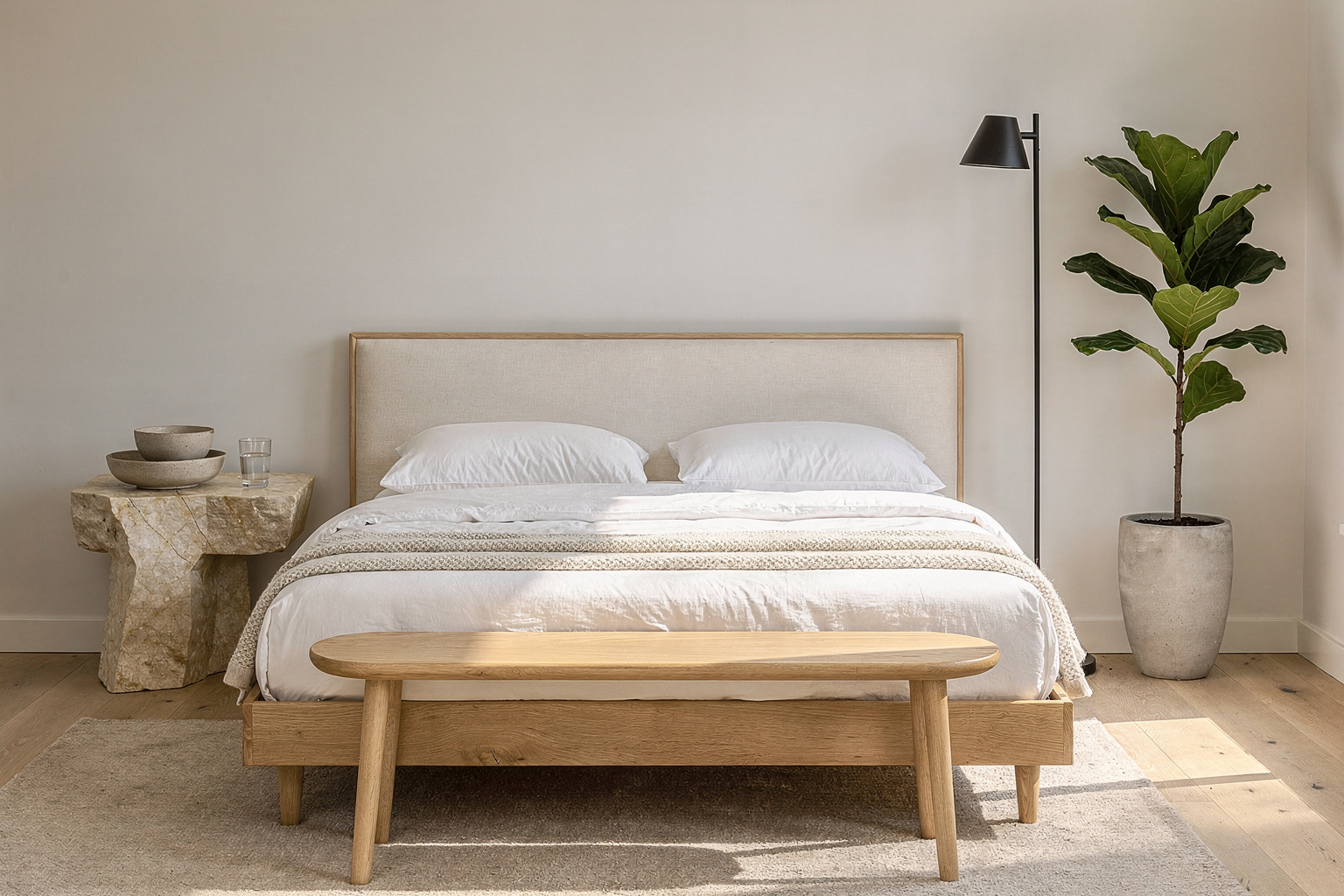
At the heart of biophilic decor is a tactile connection to nature. This means your furniture should primarily feature natural, sustainable materials like solid wood, bamboo, or rattan. These materials bring warmth through their varied grains and subtle imperfections, which immediately soften a room’s atmosphere. Natural fibers like linen or cotton in upholstery further amplify this effect by adding a comfortable, breathable texture.
Choosing furniture made from real wood rather than veneers or laminates ensures durability and a genuine visual depth, which keeps your bedroom grounded and organic. Additionally, untreated or lightly finished woods maintain a closer relationship with nature—opt for matte finishes instead of high gloss to keep that lived-in feel.
When applying this in your space, think beyond just the bed frame—consider bedside tables, dressers, and even bench seating in similarly natural materials to establish cohesive warmth. The goal is balance: a collection of pieces that feel collected rather than over-styled, each one providing visual and textural layers that invite relaxation.
Bringing Texture and Softness with Rattan and Wicker Furnishings
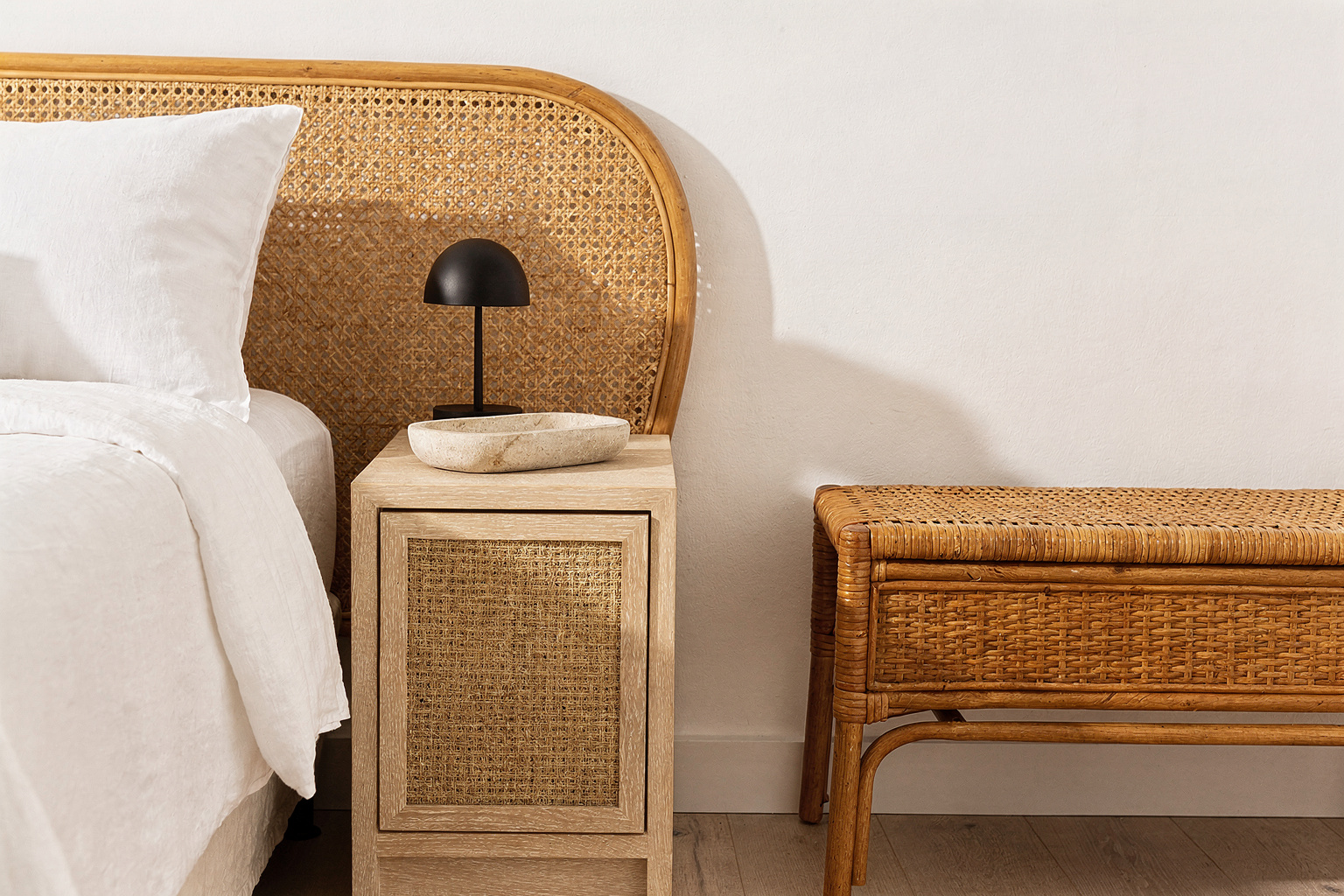
Rattan and wicker furniture are compelling options for biophilic bedrooms because they introduce lightness and texture. These woven materials create visual interest without overwhelming a space, tapping into a natural motif with their handcrafted, artisanal appeal.
Their warm honey tones complement wooden furniture beautifully, adding a touch of softness to the room. Plus, because rattan and wicker are lightweight, they’re easy to refresh seasonally or rearrange when you want to shift your bedroom’s vibe.
Practically, consider using a rattan headboard or woven storage baskets by the bed for a textural contrast that feels natural and purposeful. Pair these with linen bedding or cotton throws for an inviting layered look. These materials keep the room feeling airy and connected to nature without sacrificing comfort or durability.
Comparing Metal Frame Beds to Wooden Options for Visual Weight and Style
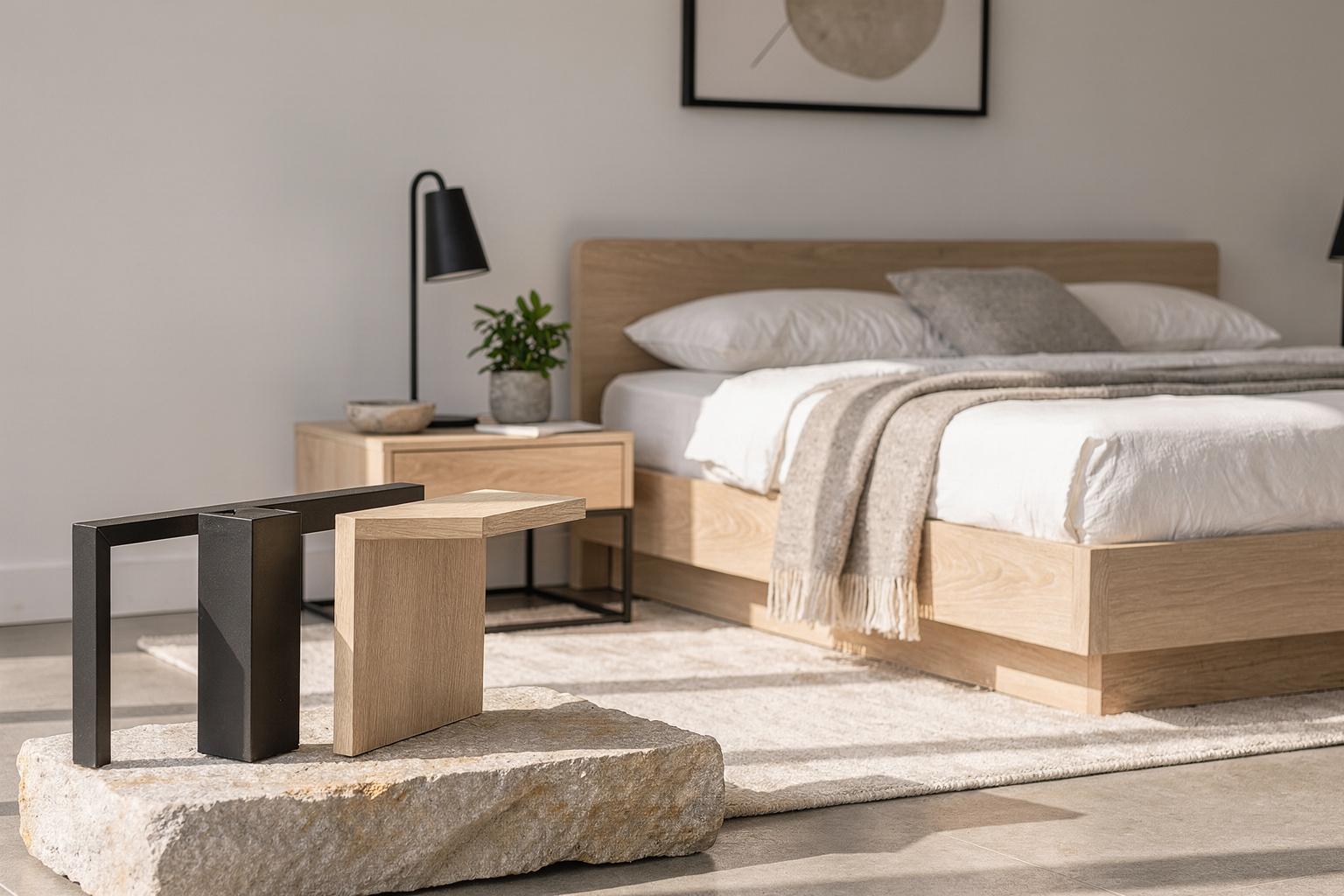
While wooden and woven furniture clearly channel natural elements, metal-framed beds can also work well in biophilic bedrooms—especially if you choose frames with minimalist lines and matte finishes. Metal introduces a subtle contrast, creating a balanced interplay between organic textures and structural elements.
Metal beds tend to feel lighter visually, which is especially helpful in smaller bedrooms or rooms with less natural light. A black or bronze metal frame teamed with natural wood nightstands and plenty of greenery can feel both modern and earthy.
If comfort is key, opt for a metal frame with wooden slats and layer plenty of soft textiles on top. This method blends the sleekness of metal with the grounded warmth of wood and organic fabrics. Think of it as a way to create quiet contrast that enhances the room’s natural rhythm rather than competing with it.
Matching Furniture Choices to Your Bedroom Size and Layout
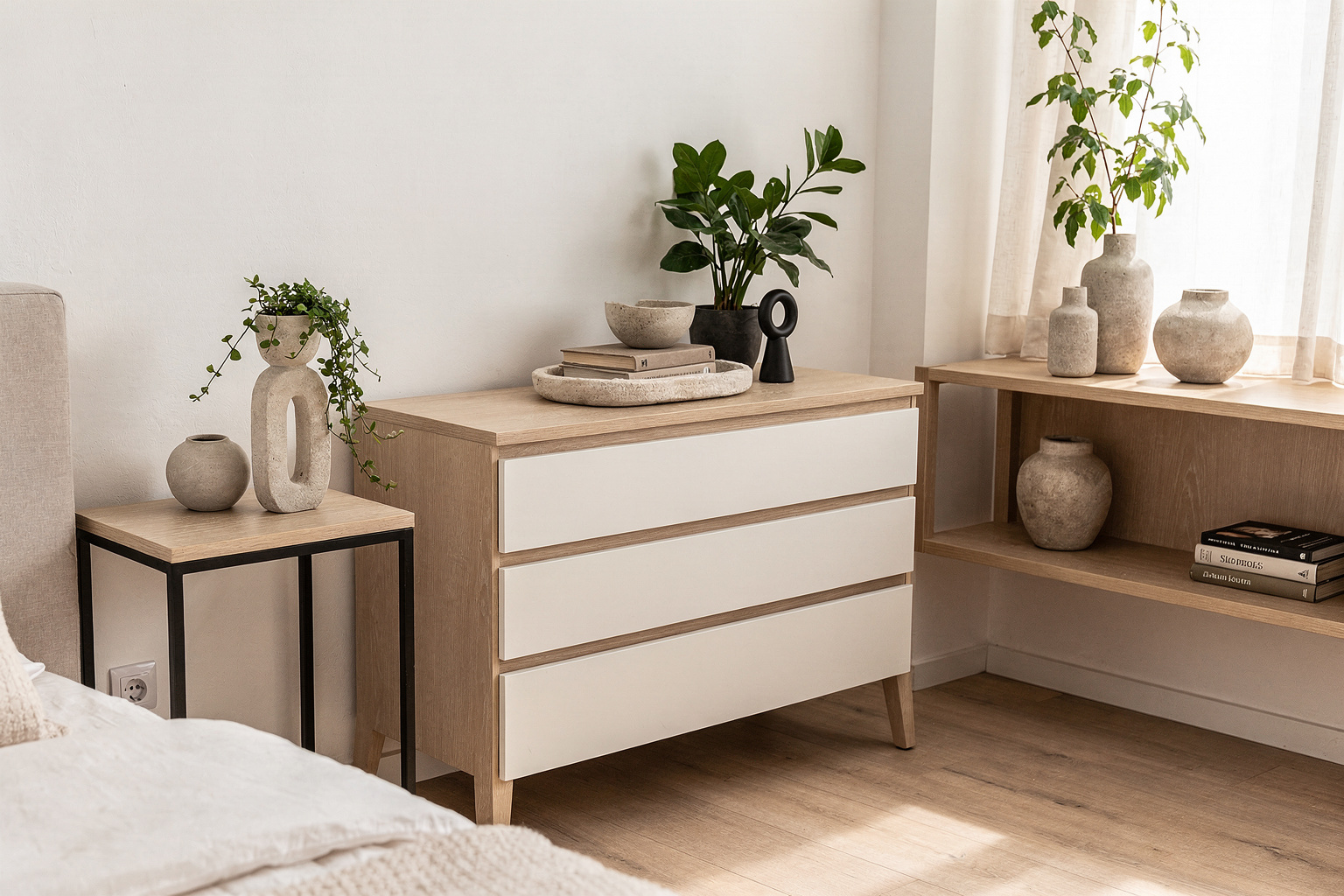
Selecting biophilic furniture requires mindful consideration of your room’s scale and layout to avoid overwhelming the space or losing the natural flow. For smaller bedrooms, furniture with slim profiles or multifunctional features works best to maintain light flow and open sightlines.
Light-colored woods like ash, beech, or maple help reflect daylight, keeping the space feeling fresh. Modular pieces or beds with built-in storage reduce clutter, which nurtures the calm biophilic ideal. Open shelving with plants can visually extend the space upward, reinforcing a connection with nature without crowding the floor.
In larger rooms, you have more freedom to select statement pieces like a chunky reclaimed wood bed or artisan-crafted armchair with woven detailing. These bring tangible texture and introduce a collected, layered feel without the risk of a cramped look. Consider grouping furniture into cozy zones to encourage relaxation and make the room feel inviting rather than cavernous.
Practical Buying Guidance for Confident Furniture Selection
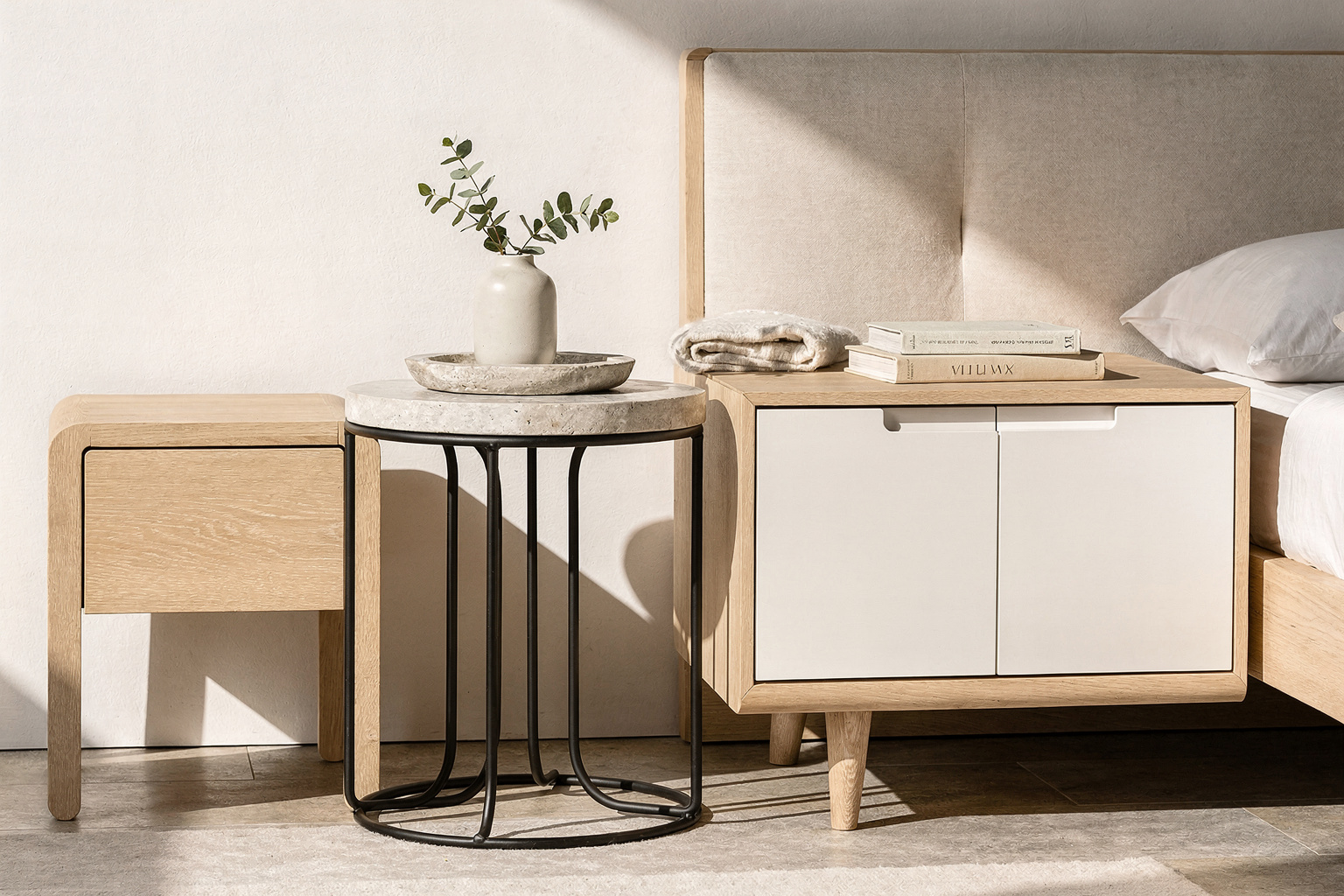
When narrowing down the best furniture for a biophilic bedroom, start with your foundational pieces: the bed and bedside tables. Focus on identifying authentic materials and tactile finishes that feel soothing in your hand and to the eye. It’s easy to get distracted by trend-driven pieces, but the best furniture will feel timeless and flexible to your evolving style—and seasonal tweaks.
Keep scale and proportion in mind, ensuring pieces don’t crowd the room and that natural light can still flow easily around the furniture. Don’t overlook comfort either—soft upholstery and ergonomic design matter as much as materials.
Consider sourcing from local artisans or sustainable brands to support long-lasting, thoughtfully made pieces. Finally, bring in plenty of natural textiles and greenery to complete the layered biophilic look that feels like a calm retreat.
FAQ
What wood types work best for biophilic bedroom furniture?
Hardwoods like oak, walnut, maple, and ash are excellent for durability and grain variety. Bamboo is a sustainable alternative with a sleek look.
Can metal furniture really fit into a biophilic bedroom?
Yes, when used thoughtfully. Matte-finished metal frames with simple lines can complement natural woods and create visual contrast without feeling cold.
How important is texture layering in biophilic bedroom furniture?
Very important. Layered textures—from wood grain to woven fibers and soft linens—add depth and invite relaxation by mimicking nature’s complexity.
What furniture styles should I avoid for a biophilic bedroom?
Avoid overly shiny, synthetic materials and heavy, bulky pieces that break natural flow. Stay away from stark modern or ornate designs that clash with organic simplicity.
How can I optimize small bedrooms for biophilic furniture?
Choose light woods, slim-profile furniture, and multipurpose pieces. Use vertical plant displays and open shelves to keep the room feeling spacious and airy.
Choosing furniture for a biophilic bedroom calls for a thoughtful mix of materials, textures, and proportions that together create a grounded, restful space. Rather than chasing a single perfect piece, aim to build a small collection of natural, flexible options that feel connected to your room’s light and layout. This approach invites softness, comfort, and a lived-in warmth that invite you to rest and reconnect with nature every night.