
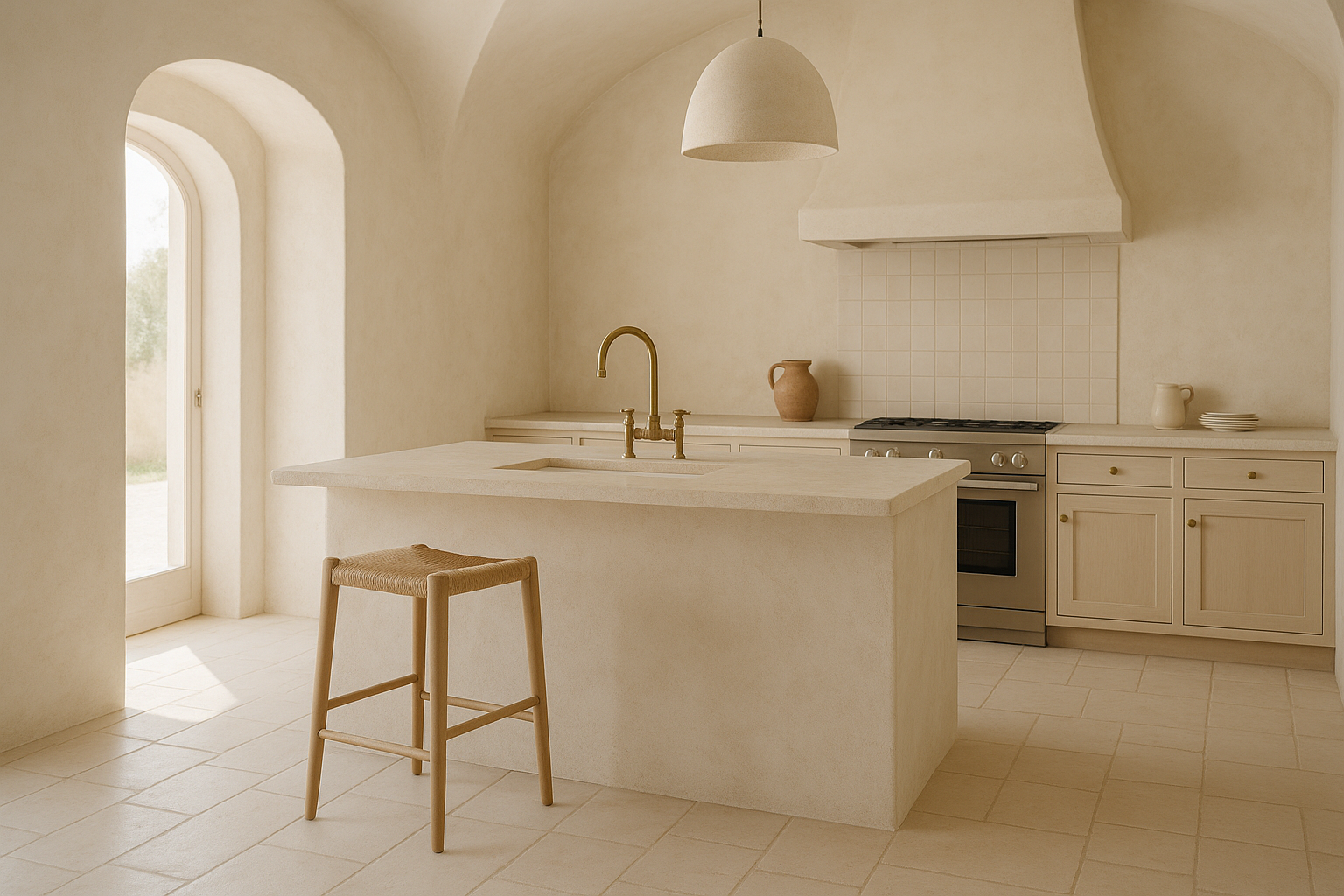
Choosing the right furniture for a Mediterranean kitchen can feel overwhelming. This style calls for a distinct blend of rugged warmth, bright colors, and tactile textures, and not every piece fits seamlessly into that mix. Beyond just the look, furniture in a kitchen needs to support daily function — whether that’s a breakfast nook that invites lingering or a sturdy island workspace. Balancing these needs while staying true to Mediterranean aesthetics is the heart of the challenge.
It’s not just about picking something “Mediterranean” — it’s about understanding what makes furniture visually and practically suitable in these kitchens. Materials that breathe a lived-in, artisanal quality, colors that evoke the sun and sea, and forms that allow flexibility in tight or open layouts all matter. This guide helps you navigate these choices by focusing on the essential criteria and comparing strong options that fit various needs and budgets.
Defining the Essentials: What Furniture Needs to Do in a Mediterranean Kitchen
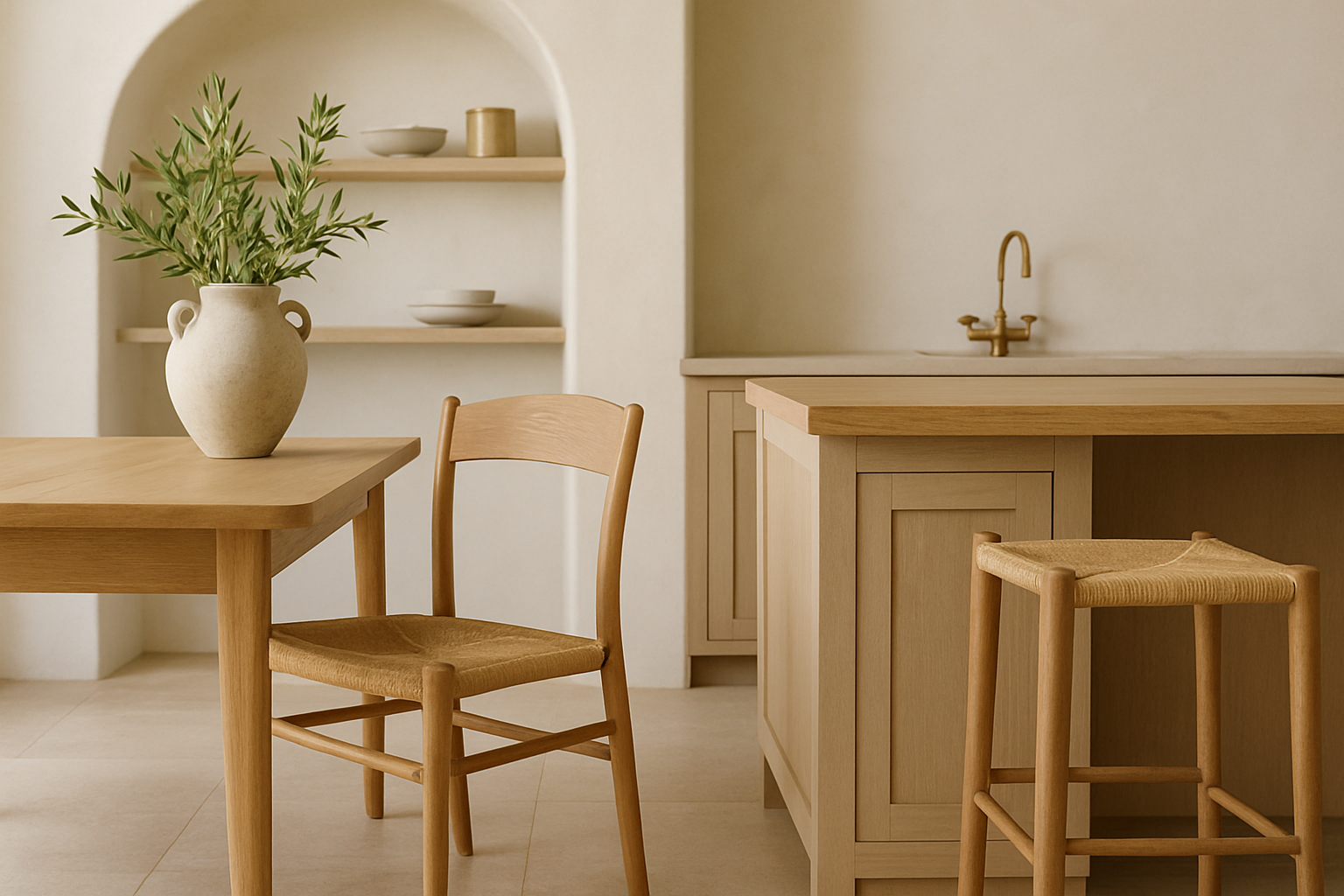
When thinking about furniture for a Mediterranean kitchen, start with these core criteria: durability, texture, color harmony, and scale. Mediterranean kitchens often feature earthy tones and natural materials, so furniture should feel grounded but livable. Durable hardwoods like oak, walnut, or reclaimed woods provide longevity and age beautifully, introducing subtle imperfections that deepen visual interest.
Texture is another key factor. Look for visible grain, hand-carved details, or painted finishes that hint at craftsmanship. Color-wise, furniture in warmer or cooler earth tones complements typical Mediterranean palettes—think terracotta, cobalt blue, olive green, and warm white walls.
Finally, consider proportion. Pieces should be comfortable yet unpretentious, with balanced scale to suit room size and flow. Heavy, carved furniture suits expansive kitchens well; smaller spaces benefit from streamlined, lighter-framed options that still carry the Mediterranean spirit.
Rustic Wood Furniture: The Heart of Mediterranean Warmth
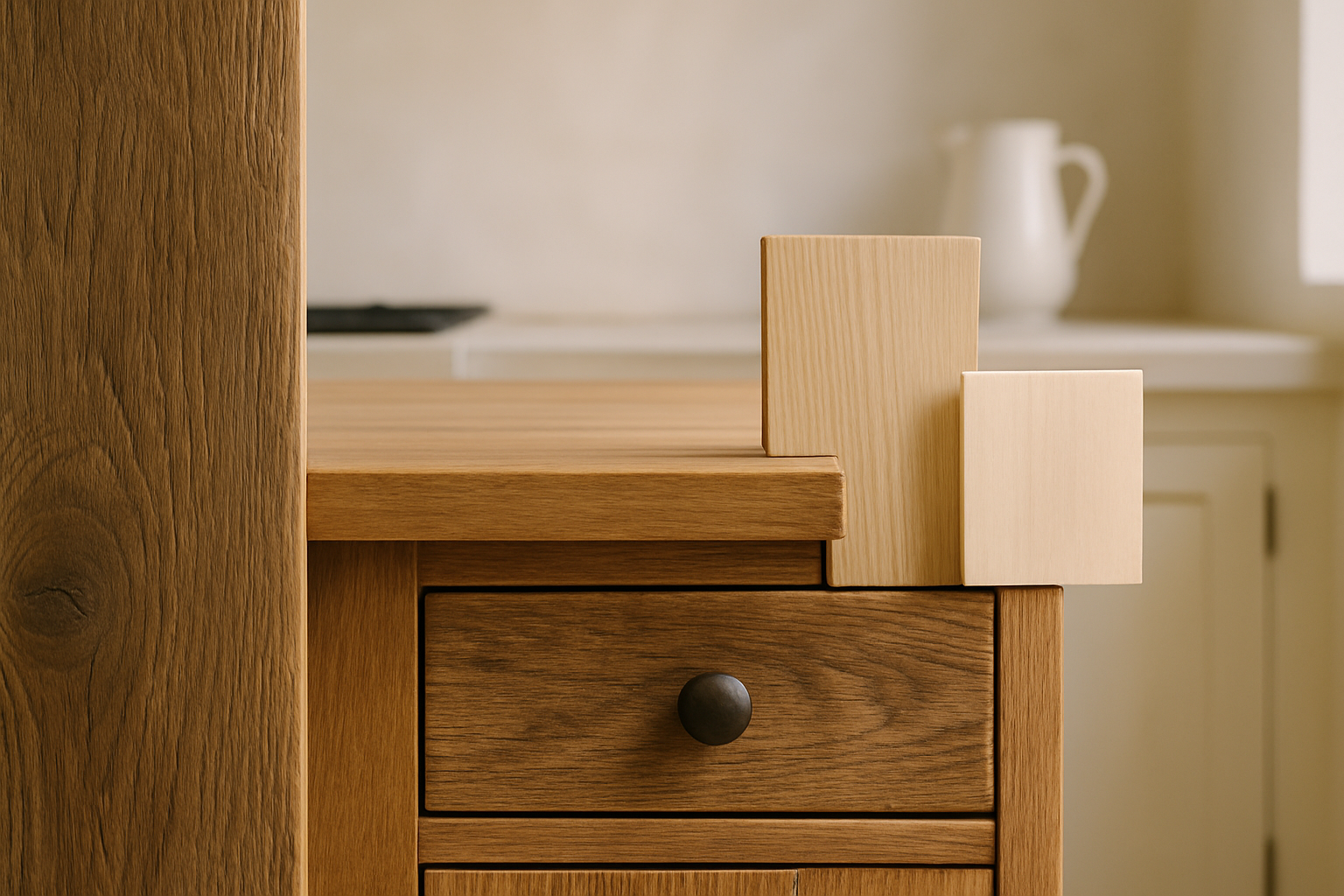
Rustic wood furniture epitomizes the welcoming, sun-warmed feel typical of Mediterranean homes. Tables with sturdy, turned legs and open shelving reflect timeless artisan design traditions commonly found in southern European kitchens. This type of furniture offers tactile texture through knots, uneven edges, or hand-distressed finishes, which connect the space to its earthy roots.
Practically, wood stands up to frequent use and can be refreshed with simple sanding or oiling, extending its lifespan. Stylistically, it pairs beautifully with terracotta floors and glazed ceramic accessories—a classic Mediterranean pairing that’s both inviting and durable. To avoid the risk of wood feeling bulky, choose pieces with open frames or mixed materials like wrought iron or rattan accents that soften the overall look.
Painted Wood Furniture: A More Vibrant Mediterranean Expression
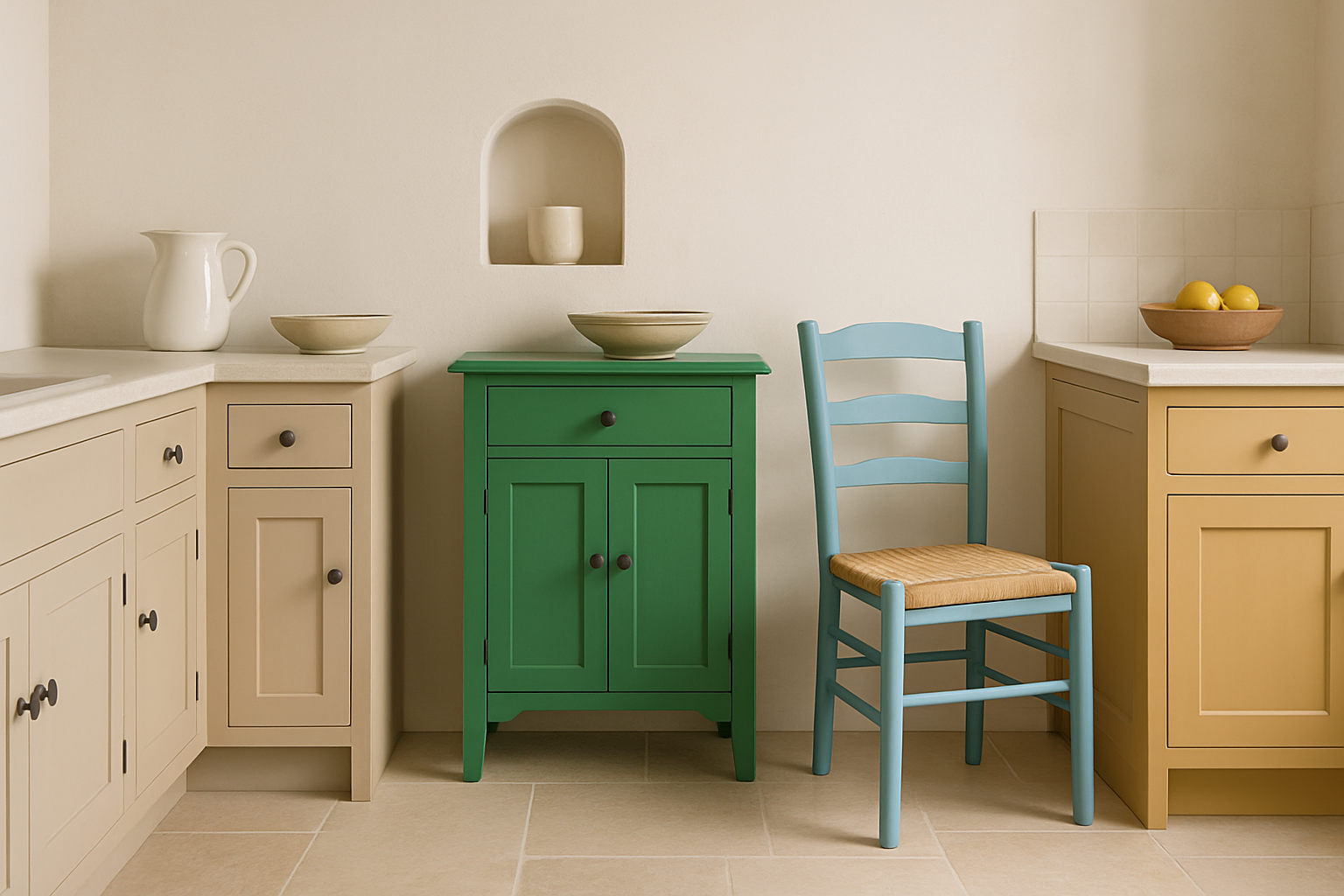
Painted wooden furniture brings another layer of personality to Mediterranean kitchens, capturing coastal influences and that iconic deep blue or crisp white often seen in seaside homes. This finish adds color punch and lightness, breaking up heavier textures in the room.
Ideal for those who want a bright, fresh take that remains rooted in tradition, painted pieces also afford more flexibility because you can refresh the color if your style or the season shifts. When selecting painted furniture, look for artisanal finishes where the paint is slightly distressed or layered for depth—this maintains a handcrafted look rather than mass-produced gloss.
Pairing painted pieces with natural linen cushions or woven seats adds softness and texture contrast. This method supports the Mediterranean palette’s play of warmth against cool tones, and it’s especially effective in kitchens with lots of natural light where colors can reflect vibrantly.
Matching Furniture Choices to Kitchen Size and Layout Considerations
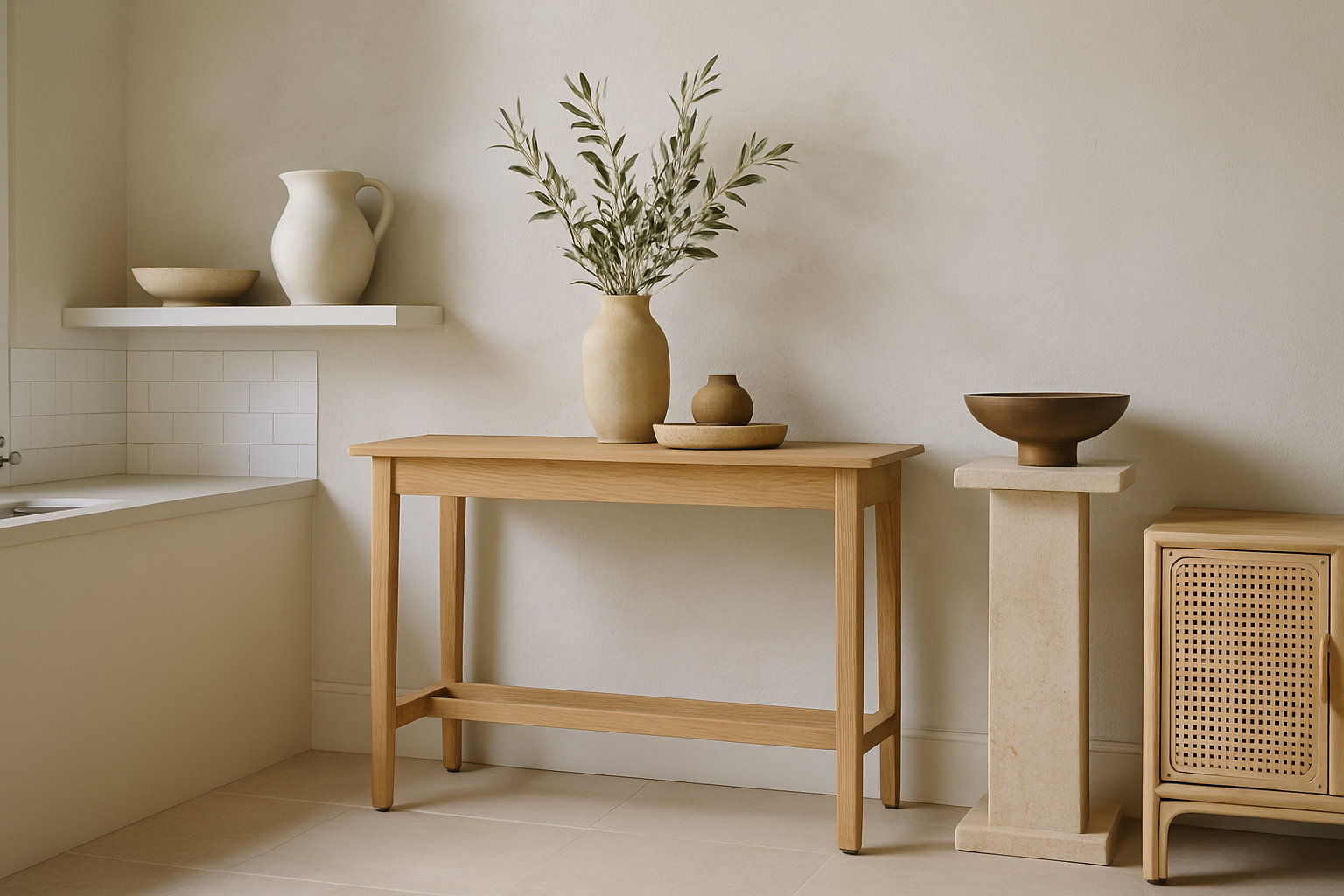
Kitchen layout and size are decisive factors when selecting Mediterranean furniture. Large kitchens can accommodate expansive farmhouse tables or a generous island with seating, fostering gathering and ample workspace. Here, weightier, tradition-driven pieces bring visual balance and a grounded quality.
Conversely, compact kitchens benefit from adaptable furniture like bench seating with hidden storage or folding chairs, which keep the space open and functional. Narrow tables with tapered legs convey lightness, while rounded edges enhance flow and reduce the risk of bumping sharp corners.
Understanding the spatial constraints lets you avoid oversized furniture that disrupts movement. You can still evoke Mediterranean charm by selecting scaled-down versions of classic pieces or mixing materials—combining wood frames with woven rattan seats, for instance—to maintain tactile interest without crowding the room.
Confident Furniture Selection: Knowing What to Prioritize
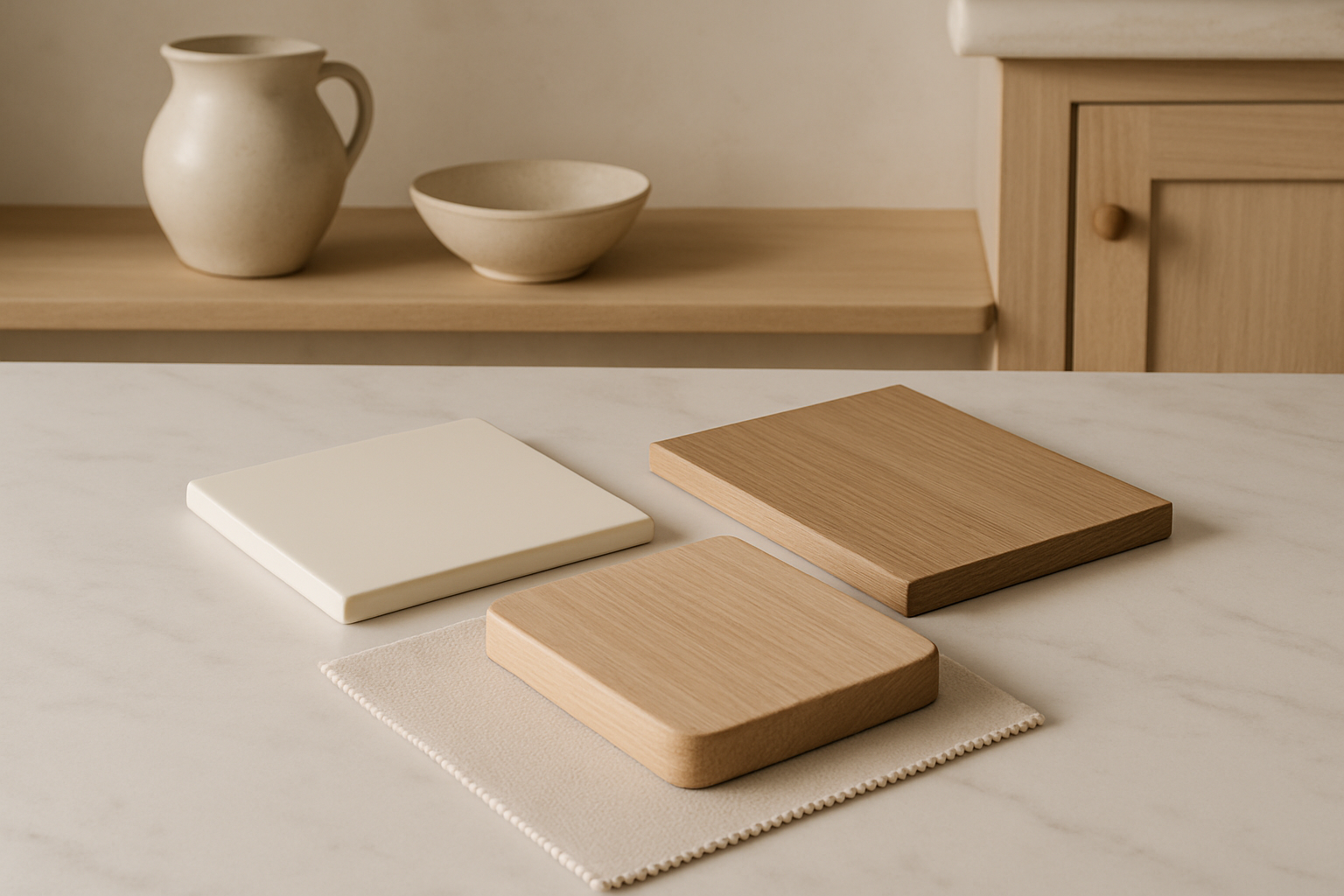
When narrowing down options for Mediterranean kitchen furniture, balance visual style with practical needs such as comfort, maintenance, and flexibility. Consider the lifestyle: do you entertain often? Choose durable surfaces and plenty of seating. Is your kitchen a casual daily hub? Opt for easy-to-clean textures and soothing colors.
Budget also plays a role. Rustic wood can vary from affordable reclaimed pieces to bespoke artisan tables. Painted furniture may be more budget-friendly, with the option for DIY upgrades if you feel adventurous. Think in layers: start with key functional pieces that anchor the space, then add smaller accents—like stools, cabinets, or open shelving—that continue the Mediterranean story.
Ultimately, trust your eye for what feels warm without being heavy-handed. Mediterranean kitchens look best when the furniture appears collected over time—where texture, color, and comfort exist in quiet harmony. This measured approach ensures your choices won’t just follow a style trend but support a lived-in, welcoming space.
FAQ
What materials work best for Mediterranean kitchen furniture?
Wood is classic, especially oak or reclaimed timber, often paired with wrought iron or natural fibers like rattan for accents. These materials age beautifully and add authentic texture.
Can painted furniture suit a Mediterranean kitchen?
Absolutely. Choose artisanal, slightly distressed finishes in Mediterranean blues, whites, or terracotta tones to bring a fresh, coastal feel that complements the traditional earth tones.
How should I approach furniture scale in a small Mediterranean kitchen?
Opt for streamlined pieces with lighter frames, such as tapered legs and bench seating, to keep the space open while retaining rustic charm.
Is mixing high and low furniture a good idea?
Yes. Pairing a reclaimed wood table with affordable woven stools or painted chairs can create a layered, collected look that feels personal and practical.
What should I prioritize if I entertain often?
Focus on durable tables with enough seating and easy-to-maintain finishes. Comfortable chairs and a welcoming layout that encourages lingering are key.
Choosing the right furniture for a Mediterranean kitchen is about more than just fitting a style template. It’s a thoughtful process of balancing the tactile warmth of wood, the bright refreshment of painted pieces, and the practicalities of your space and lifestyle. Begin by defining what matters most in your kitchen—whether it’s durability, color, or scale—and build from a foundation of grounded, collected choices. This way, your kitchen will blossom into a space that’s not only beautiful in photos but truly warm and usable every day.