
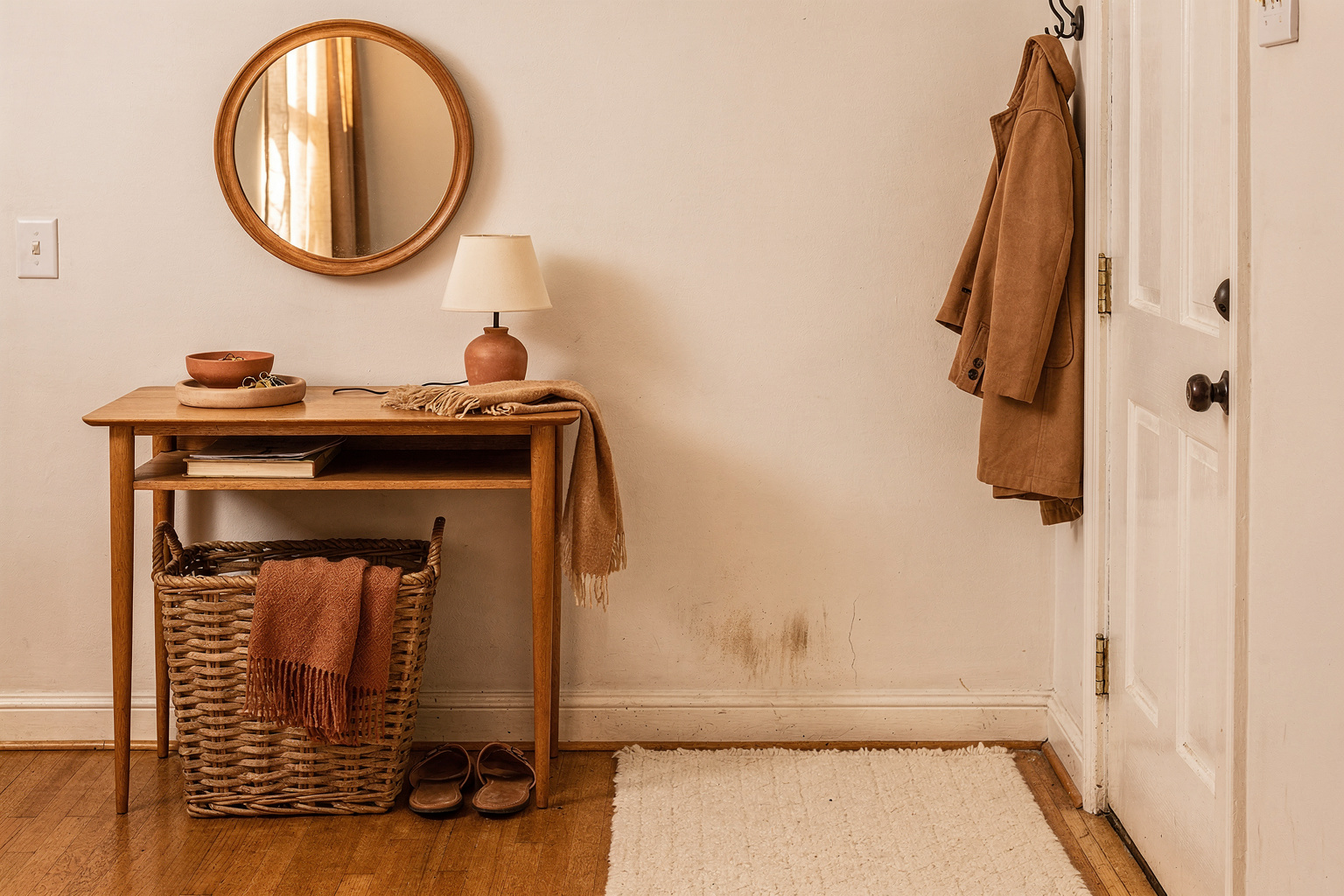
When it comes to transitional entryways, the play of textures is what really defines the look—and it’s often where things go sideways. This style works by blending traditional and contemporary elements for a timeless yet fresh vibe, but without careful attention to texture, an entryway can feel either disjointed or flat. The challenge is to mix materials in a way that feels layered and intentional but also welcoming and functional.
Mistakes are easy to make: too much gloss without grounding natural textures, competing textures fighting for attention, or textures that overwhelm the space’s proportions. Each of these can throw off the light, flow, and soft contrast that transitional style depends on. In this article, you’ll learn to spot and correct five common texture mistakes that happen in transitional entryway decor and get practical fixes that fit with real rooms and everyday life.
When Smooth Meets Chunky: Avoiding Texture Clashes That Feel Off
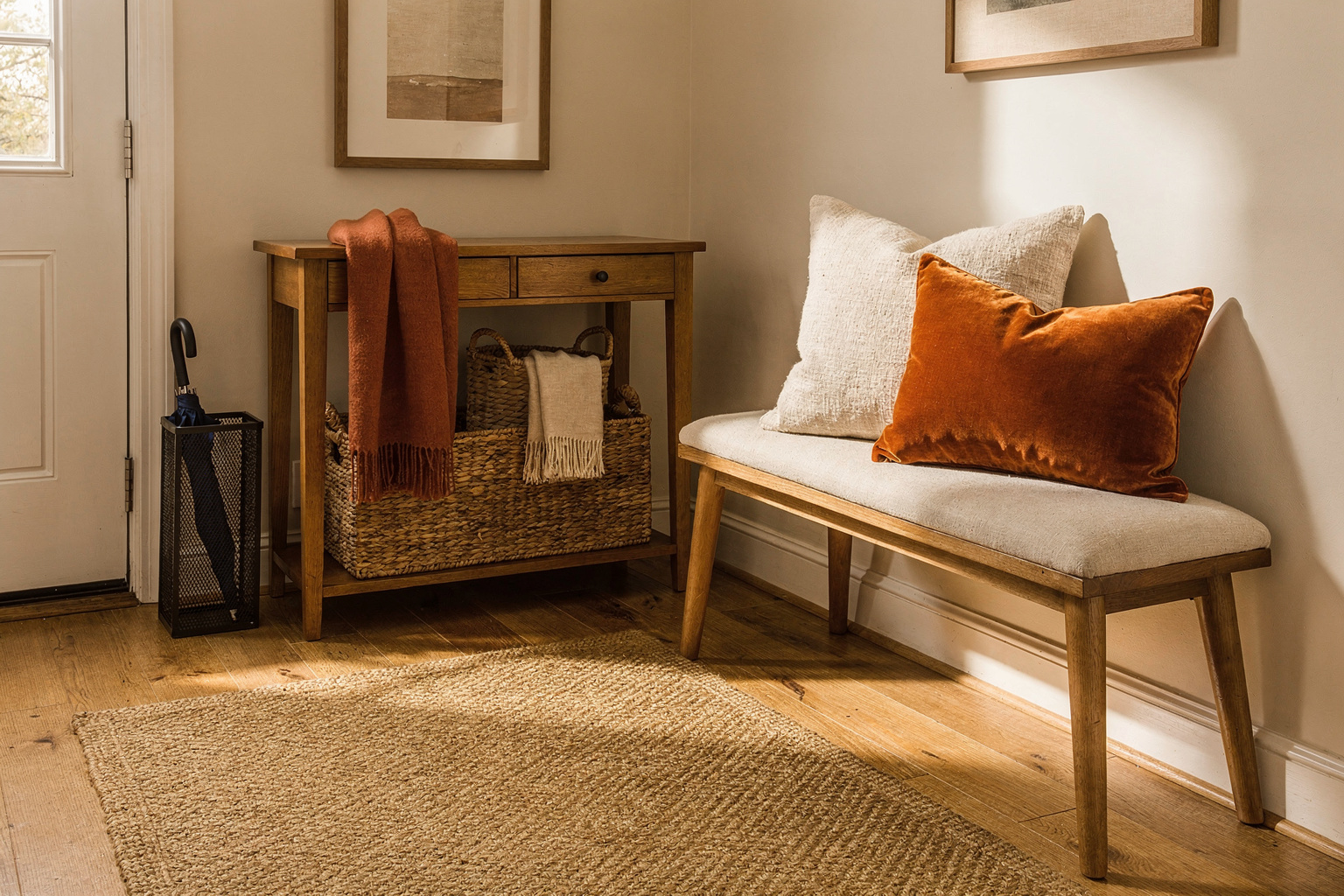
One common misstep is pairing very slick, glossy surfaces directly next to heavy, coarse natural textures without any transition or layering. For example, a high-gloss console table placed on top of a chunky woven sisal rug can create a visual clash rather than balance. The hard, reflective surface fights the rough textures and breaks the soft contrast that’s key to making the room feel cohesive.
The fix? Introduce a middle ground layer. Instead of placing the console directly on the rug, use a natural-fiber runner with a subtle weave or a low-pile wool carpet. This added texture smooths the contrast, creating a more gradual transition between sleek and chunky that our eyes find more comfortable. Think of it as a visual handshake that links the luxury of gloss with the grounded warmth of natural materials. Choosing colors like warm taupe or soft ivory here also helps integrate the textures without extremes.
Too Many Textures Can Crowd the Space and Kill Visual Flow
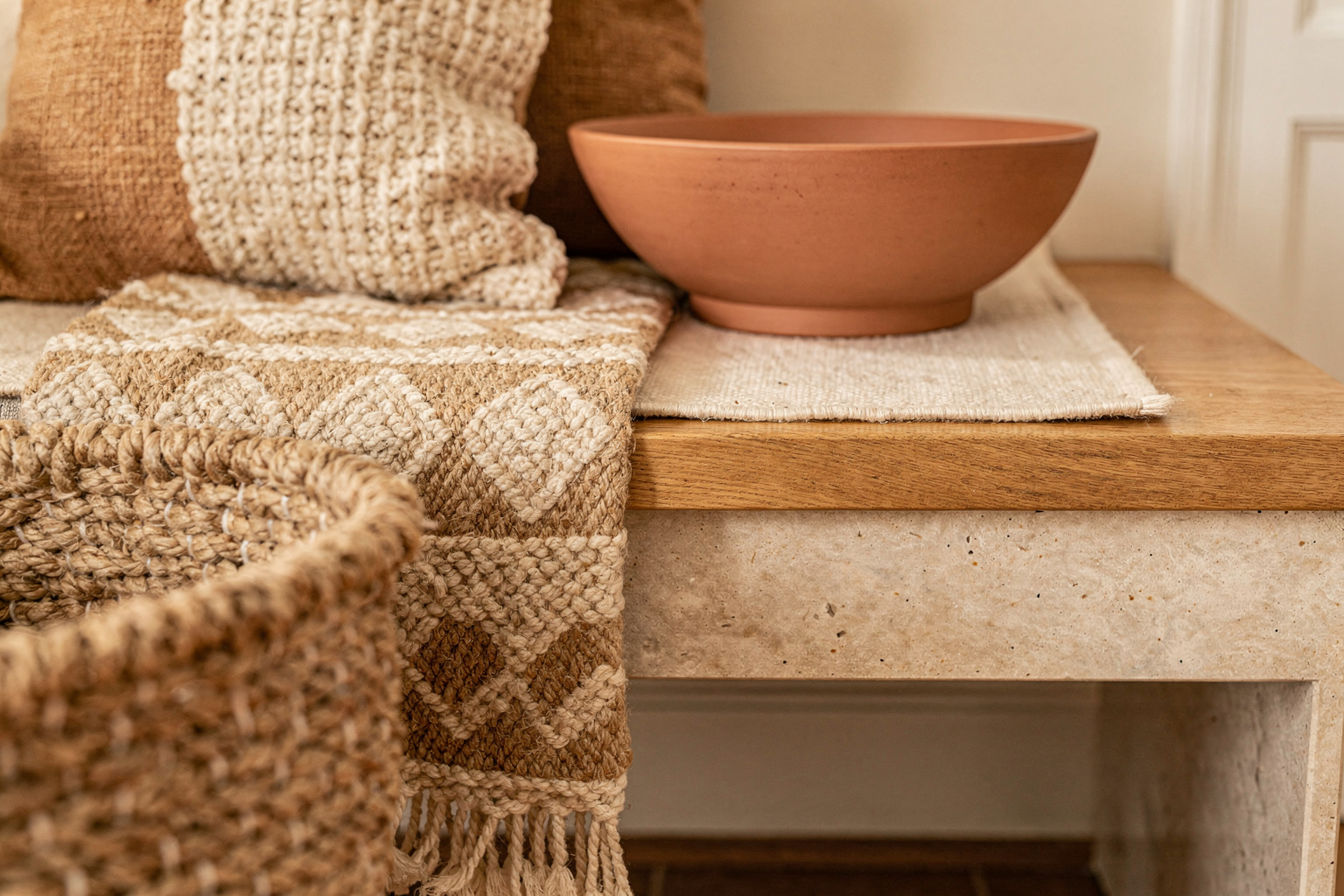
Another mistake in transitional entryway layout ideas is over-layering without restraint, layering too many textures all at once. A typical example would be combining a woven rug, a fringed wall hanging, a leather bench, baskets, and several textured pillows—all competing visually. This can make the entryway feel cluttered and disorganized, robbing the space of the clear, fresh look transitional decor often aims for.
The practical approach is to streamline and curate. Limit yourself to two or three distinct textures in one entryway zone and repeat them thoughtfully. For instance, use a natural jute rug, a smooth leather bench seat, and one textured ceramic or woven basket. This repetition of textures in different forms creates a conversation between materials without overwhelming the senses. It also leaves breathing room and keeps the entryway feeling light and inviting.
Cool vs Warm Textures: When Mismatches Disrupt the Mood
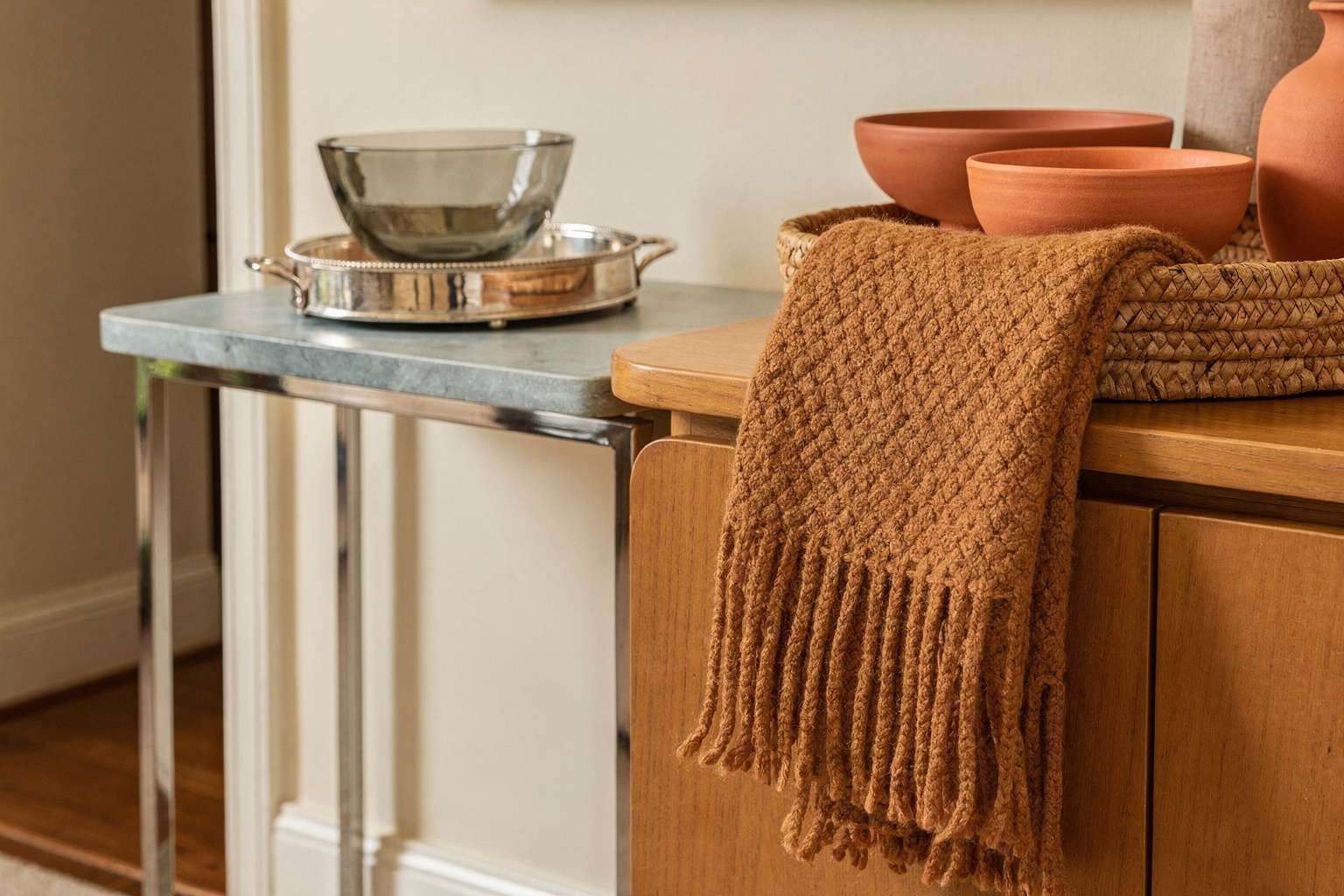
The warmth or coolness of your materials plays a huge role in how textures work together. A common spot where transitional entryway decor goes off track is mixing these temperature cues carelessly—like pairing a cold metal mirror frame with very warm-toned wood and linoleum flooring with a cool gray painted wall. This creates a subtle dissonance that can feel discordant and uninviting.
To correct this, aim to anchor your entryway’s material palette more deliberately. Choose textures that share an undertone—if your walls are cool, incorporate metal finishes in brushed nickel or pewter rather than warm brass. Or, turn up the warmth by adding a soft camel leather bench and medium-tone wood accents instead. Small changes like a wool throw with warm undertones or a linen wall hanging can also align cooler and warmer textures more smoothly.
Overscaled Textures That Throw Off Proportion and Comfort
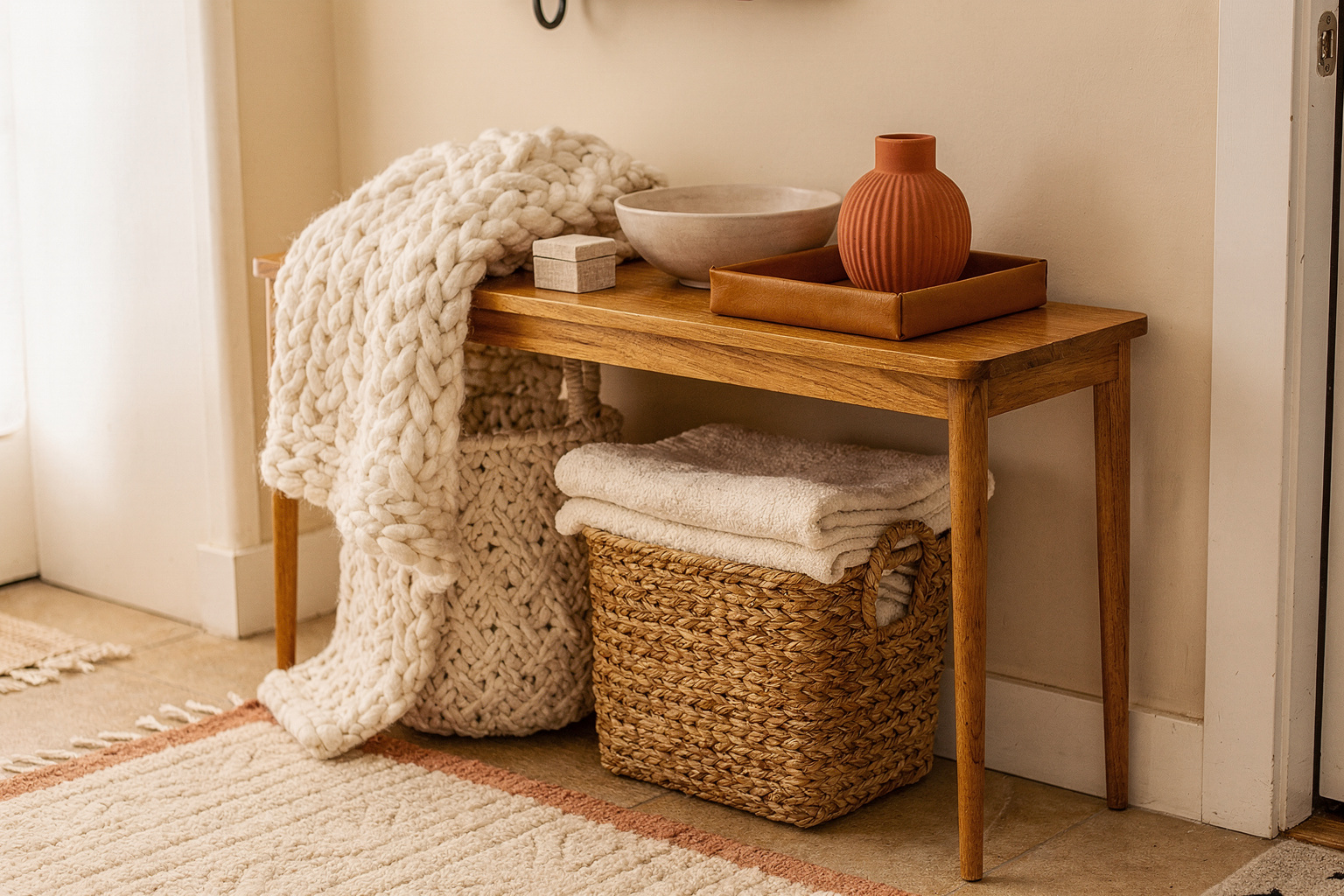
Because entryways are often smaller or oddly shaped, texture scale matters a lot. Using oversized textures—like an enormous shag rug or a seat cushion that looks bulky—can overwhelm and visually shrink the space. This mistake makes the room feel crowded instead of open, which is the opposite of what transitional style should achieve with its light flow and layered balance.
A practical fix is selecting textures with scale and proportion that respect the entryway’s dimensions. Opt for low-pile wool or sisal rugs with a refined pattern and moderate size. Choose seat cushions or pillows with minimal bulk but noticeable texture like linen or leather with a subtle grain. This creates a layered effect without physical or visual heaviness, keeping the entryway looking polished but approachable.
Missing the Final Texture Layer: What Throws Off the Room’s Cohesion
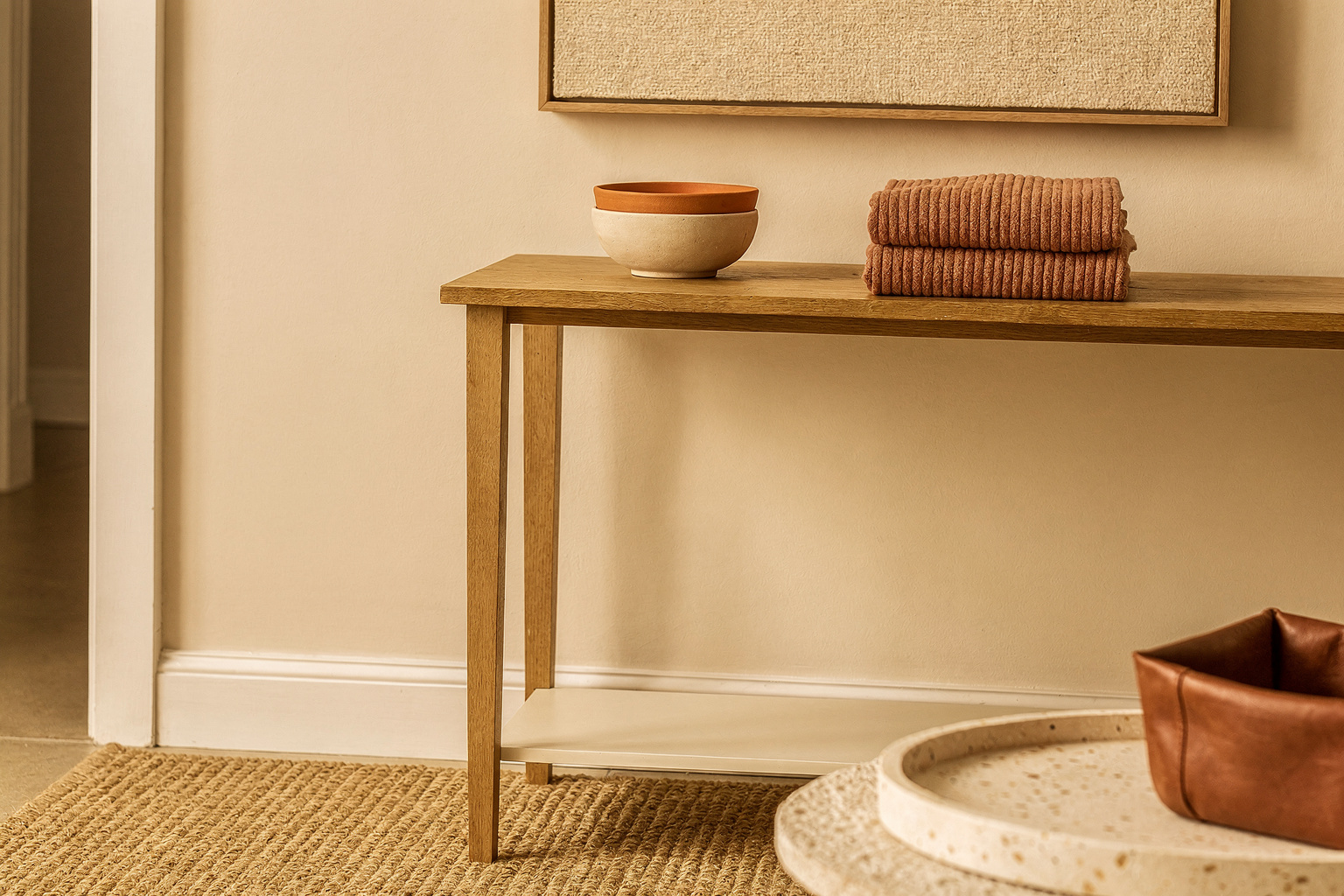
Perhaps the biggest mistake happens near the end of the styling process when the final layer of texture—the one that knits the whole look together—is skipped or underestimated. This might mean leaving the walls bare, ignoring subtle tactile elements like woven baskets or linen-wrapped storage bins, or not introducing soft textiles that tie down the overall palette.
To fix this, add a finishing layer that introduces soft warmth and quiet texture contrast. Think of a linen or cotton throw draped on a bench, a natural fiber basket for umbrellas, or a small woven wall art piece in neutral tones. These finishing touches provide a soft visual anchor that makes the room feel collected and thoughtfully composed rather than pieced together. They also create quiet warmth and a lived-in feel that makes transitional entryways feel more authentic and welcoming.
FAQ
What materials work best for layering texture in a transitional entryway?
Natural fibers like wool, linen, cotton, and sisal complement wood and leather nicely, creating soft contrasts without clashing. Matte finishes also tend to layer well with subtle gloss elements.
How can I keep my entryway from feeling cluttered with textures?
Limit yourself to two to three main textures and repeat them in different forms across the room. Focus on layering with variation in weave, softness, and sheen but avoid too many competing elements.
How do I choose between warm and cool textures?
Consider the undertones of your wall colors and major surfaces. Stick to either predominantly warm or cool tones and bring in coordinating textured pieces for harmony.
Can I combine metal finishes with natural textures in transitional entryways?
Absolutely, but balance shiny metals with matte or soft natural materials and use transitional finishes like brushed nickel or aged brass for a cohesive look.
What size rug is best for small transitional entryways?
Choose rugs proportionate to the space—generally, a low-pile rug just large enough to define the entry zone without crowding traffic paths works best.
In transitional entryway texture mistakes to avoid, the devil is really in the details. The key lies in balancing tactile elements so they complement rather than compete, layering textures with intention, and keeping scale and warmth consistent with your overall color palette. When you avoid harsh contrasts that fight and textures that overwhelm, your entryway will become a welcoming threshold that feels both fresh and timeless. Start by introducing a bridge texture between extreme finishes or restricting your texture palette—small adjustments with big impact.