
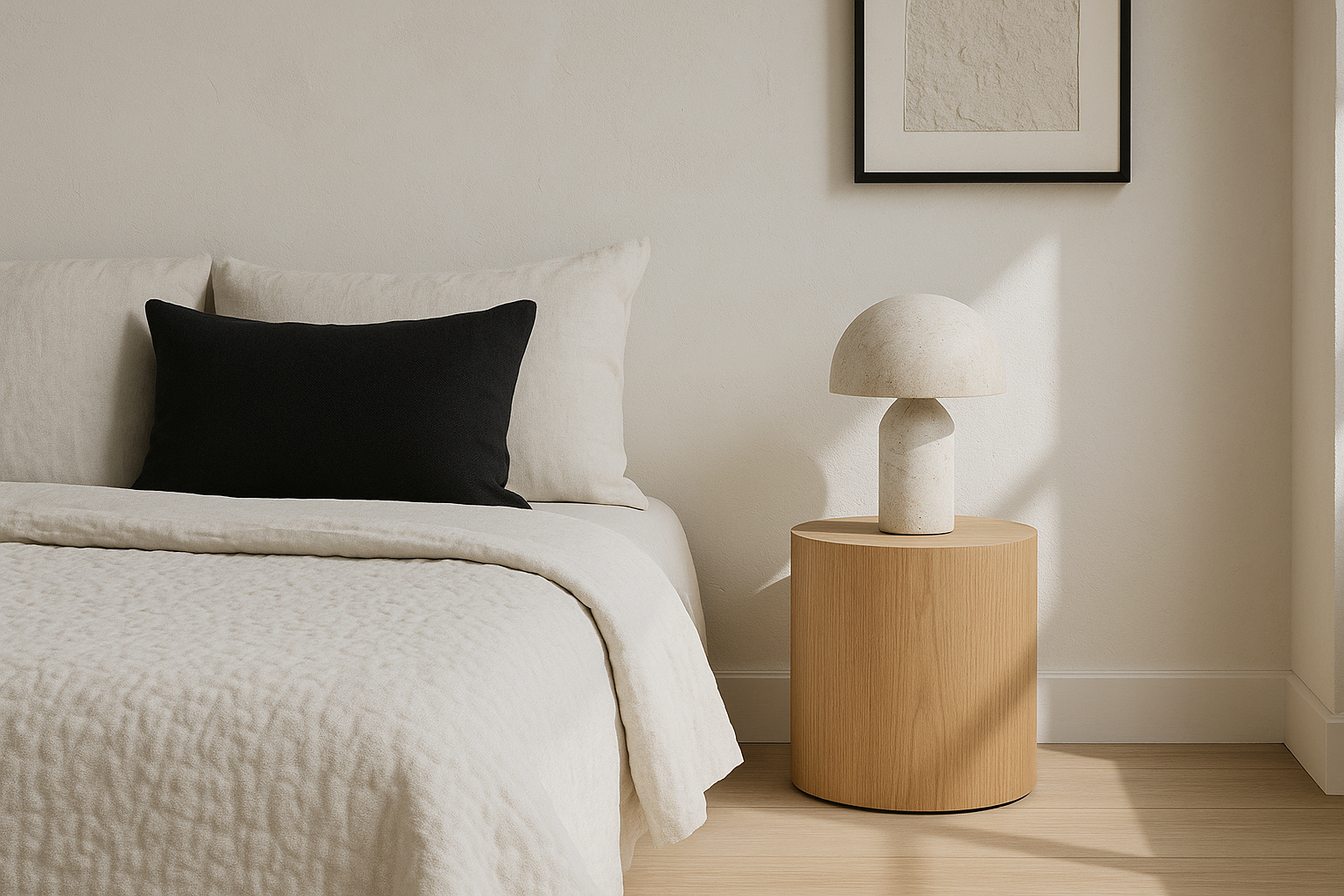
Minimalist bedrooms are beloved for their clean lines and uncluttered feel, but when textures aren’t handled thoughtfully, the space can quickly feel cold, flat, or oddly stark. This happens because texture plays a silent but crucial role in adding warmth, depth, and comfort to what might otherwise be a bare collection of essentials. Yet, it’s easy to trip up — either by layering too little texture or by overdoing it in a way that ruins the quiet balance that minimalist design relies on.
In this guide, we’ll highlight five specific texture mistakes that commonly derail minimalist bedrooms and give you practical strategies to correct each one. These fixes revolve around mixing materials, playing with scale and proportion, and thoughtfully managing color and warmth within the frame of minimalist bedroom decor and layout ideas. The goal isn’t to decorate more, but to style smarter — crafting a calm yet inviting room that breathes and lives well.
When Texture Is Too Matchy-Matchy
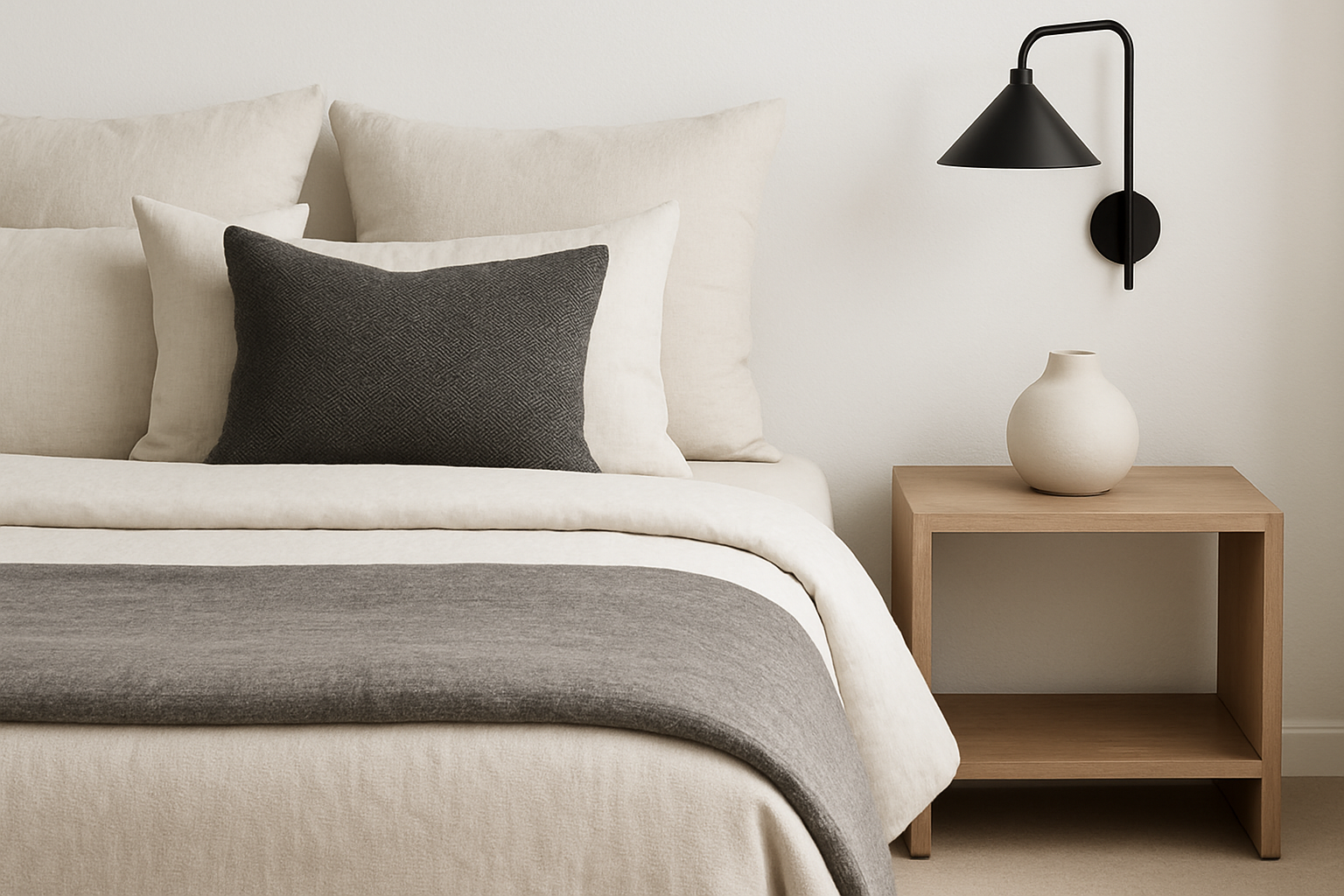
A typical minimalist go-to is sticking to one texture or closely similar ones — think all cotton bedding or a fully uniform matte wooden surface theme. The result? A bedroom that feels monotone and uninspired, lacking visual interest. The fix is to deliberately mix textures: combine smooth linen sheets with a chunky knit throw or layer a soft wool rug over a cool hardwood floor.
This contrast adds subtle visual dynamics and tactile appeal, which enhances the calm without undermining simplicity. Playing with color here helps too: pair cool greys with warmer beiges or off-whites to avoid coldness. The right layering of cross-textures prevents the room from feeling stiff, working especially well in smaller minimalist bedroom layouts where every tactile detail counts.
Avoid Layering Too Many Similar Soft Textiles
While layering textiles is key in minimalist bedrooms, overdoing it with too many soft, fluffy layers of the same type can backfire by cluttering the eye and muddling the look. For example, piling up multiple pillows or cushions all made from identical velvet or fur creates a disorganized effect and disrupts the minimal flow.
Instead, vary texture among textiles: pair a smooth cotton duvet with linen pillowcases, then add one accent pillow in nubby boucle or subtle leather for contrast. This break-up of soft layers plays with texture scale and keeps each piece distinct, making the room feel intentional rather than accidental. Matching textures too closely can flatten visual depth, so choosing variety—while keeping the palette restrained—strikes the right balance.
Skipping the Natural Material Layer Can Feel Too Clinical
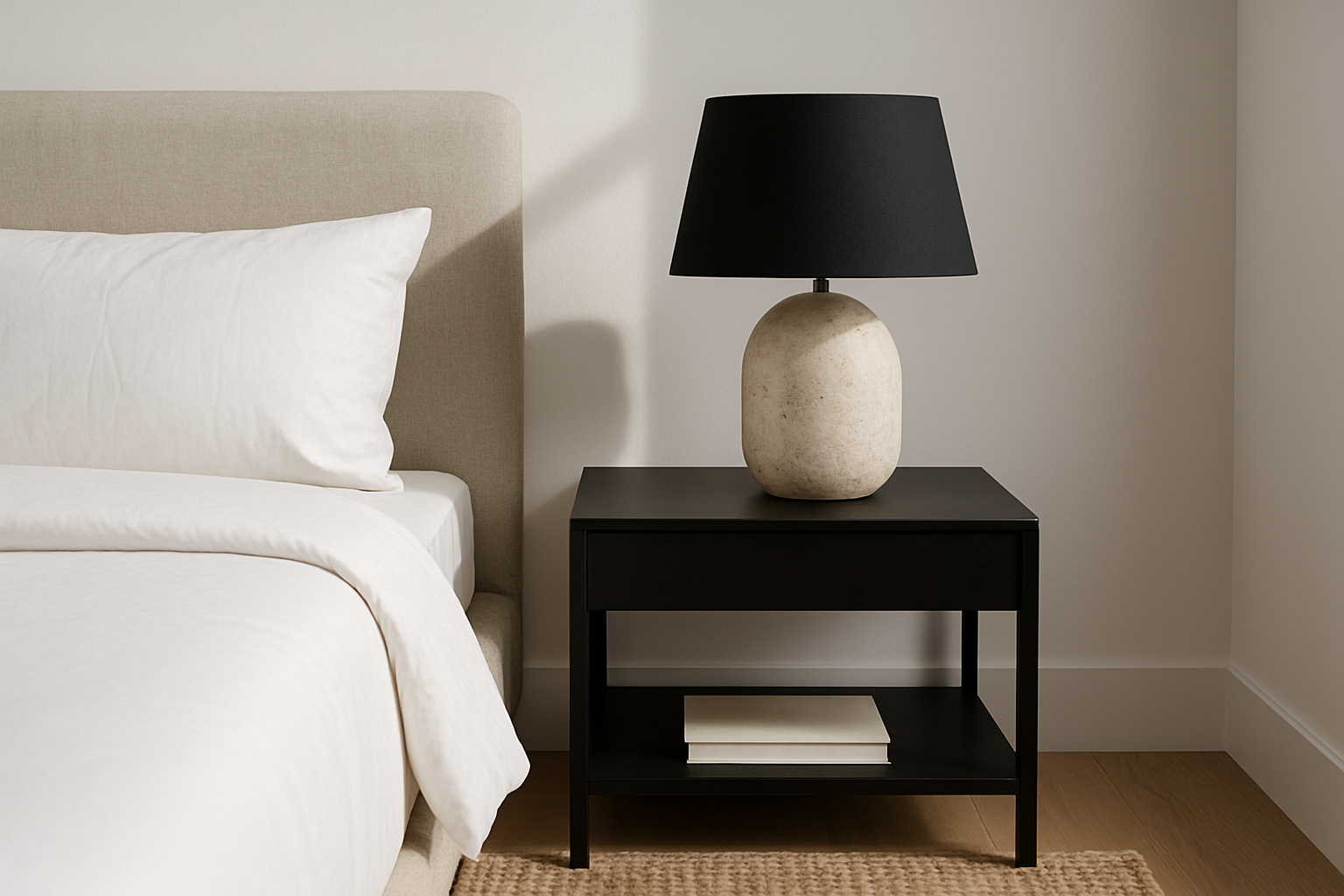
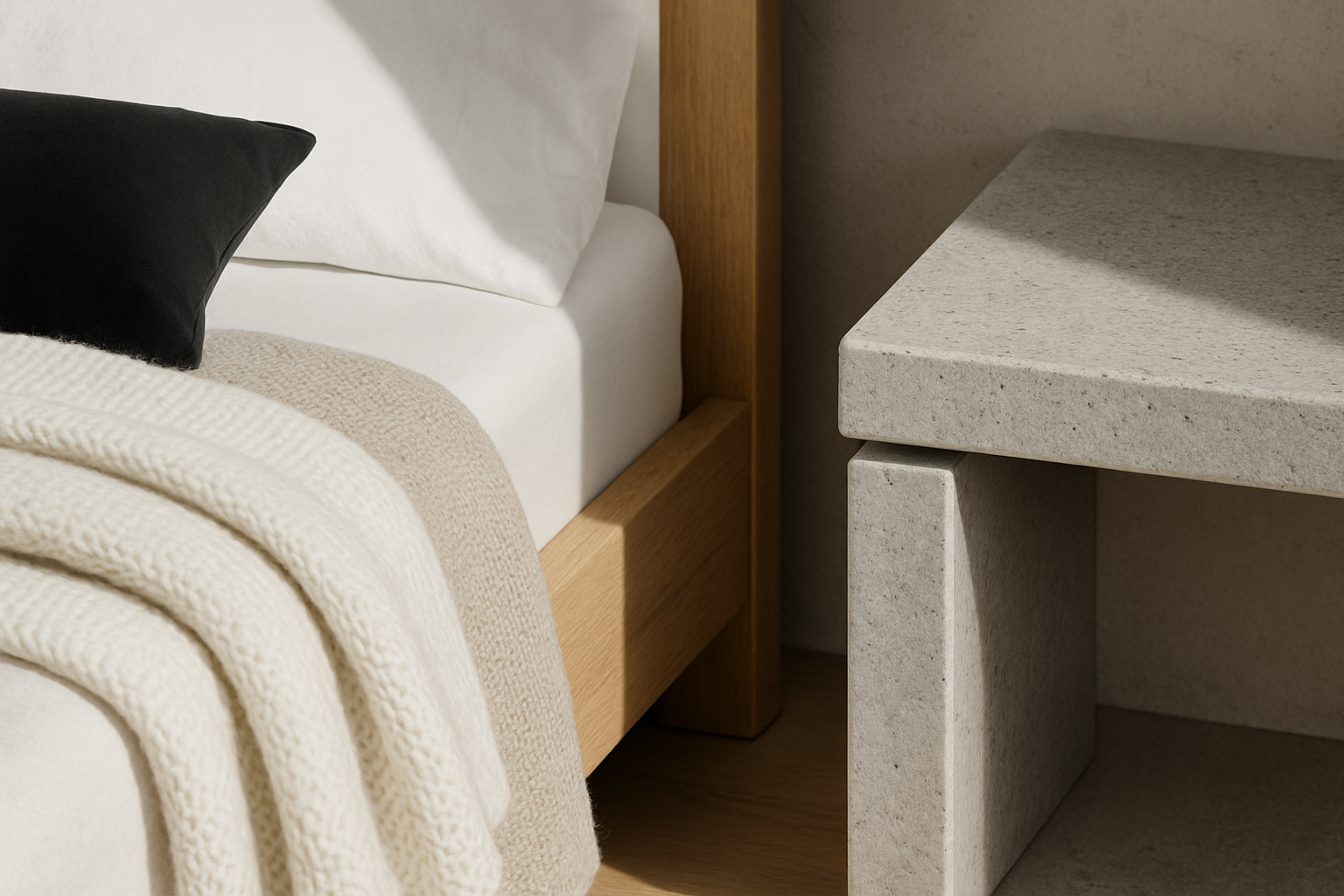
Minimalism often leans towards sleek, finished surfaces like polished metals, glass, or lacquered woods. Relying only on these can make the bedroom feel impersonal and cold. The fix? Introduce natural, tactile materials like raw or lightly finished wood, woven baskets, or stone accessories.
These elements ground the room with organic warmth and textural complexity, softening hard edges and smooth planes. Think about adding a simple wooden side table with a visible grain or a linen-covered bench at the foot of the bed. These touches invite touch and offer visual relief, reminding the eye to rest. It’s a small but impactful way to keep minimalist bedroom decor from drifting toward a sterile space.
Getting Texture Proportions Off Throws the Overall Balance
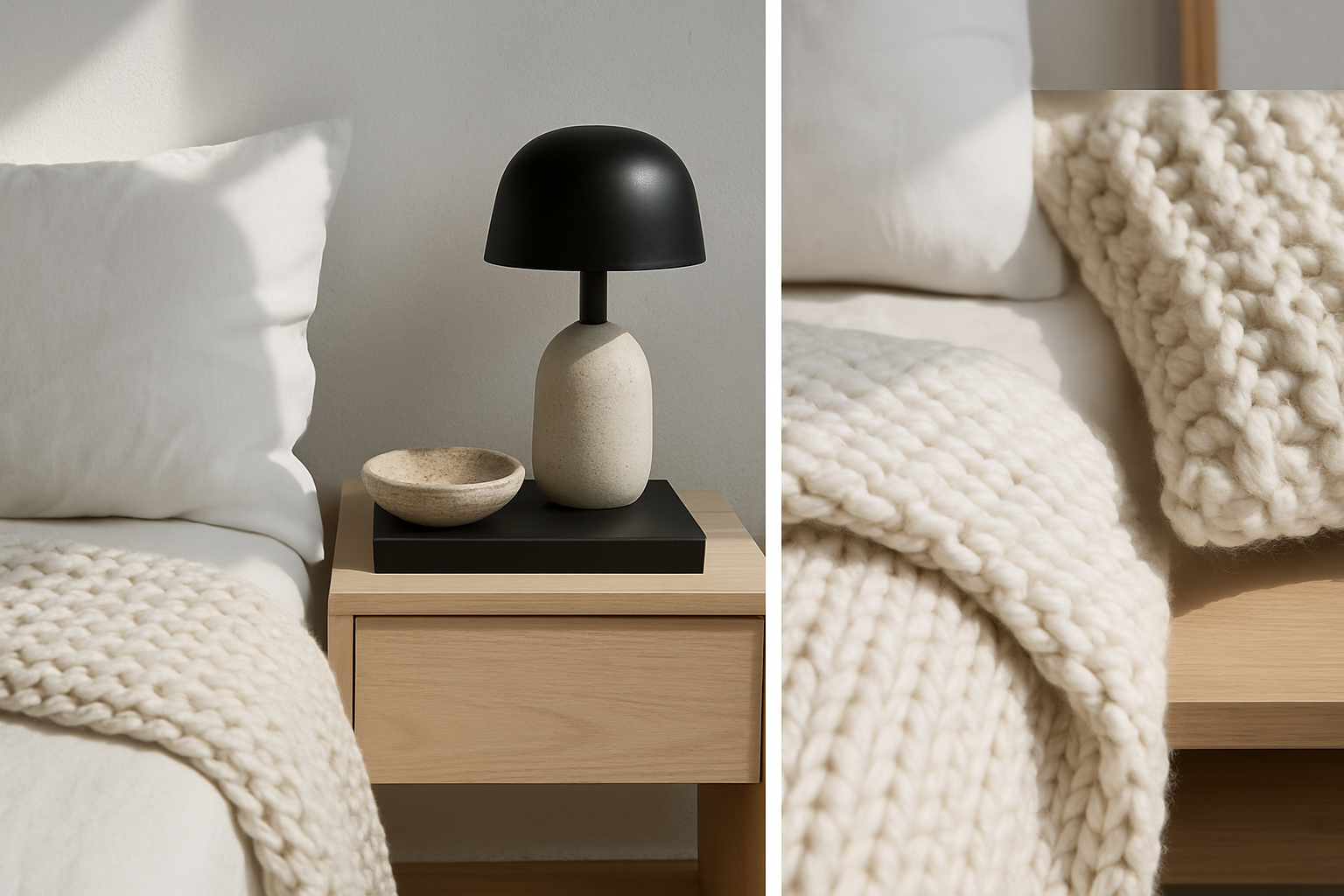
A common mistake is to ignore scale and proportion when choosing textural elements. Oversized chunky throws in a tiny room or too-small rugs in a spacious bedroom skew the harmony of a minimalist layout. If the texture pieces feel out of sync with the room’s size, they confuse the eye rather than complement it.
To fix, size your textures thoughtfully: in a small bedroom, opt for moderately sized wool or flatweave rugs to keep the floor visible and balanced. Use throws that drape neatly rather than billowing. Larger rooms benefit from bigger rugs or layered textiles that anchor furniture clusters. Consider how texture interacts with natural light too; heavier textures in bright rooms add cozy weight, while lighter weaves suit moody or near-shaded spaces.
Neglecting Texture’s Role in Color Layering Drains Warmth
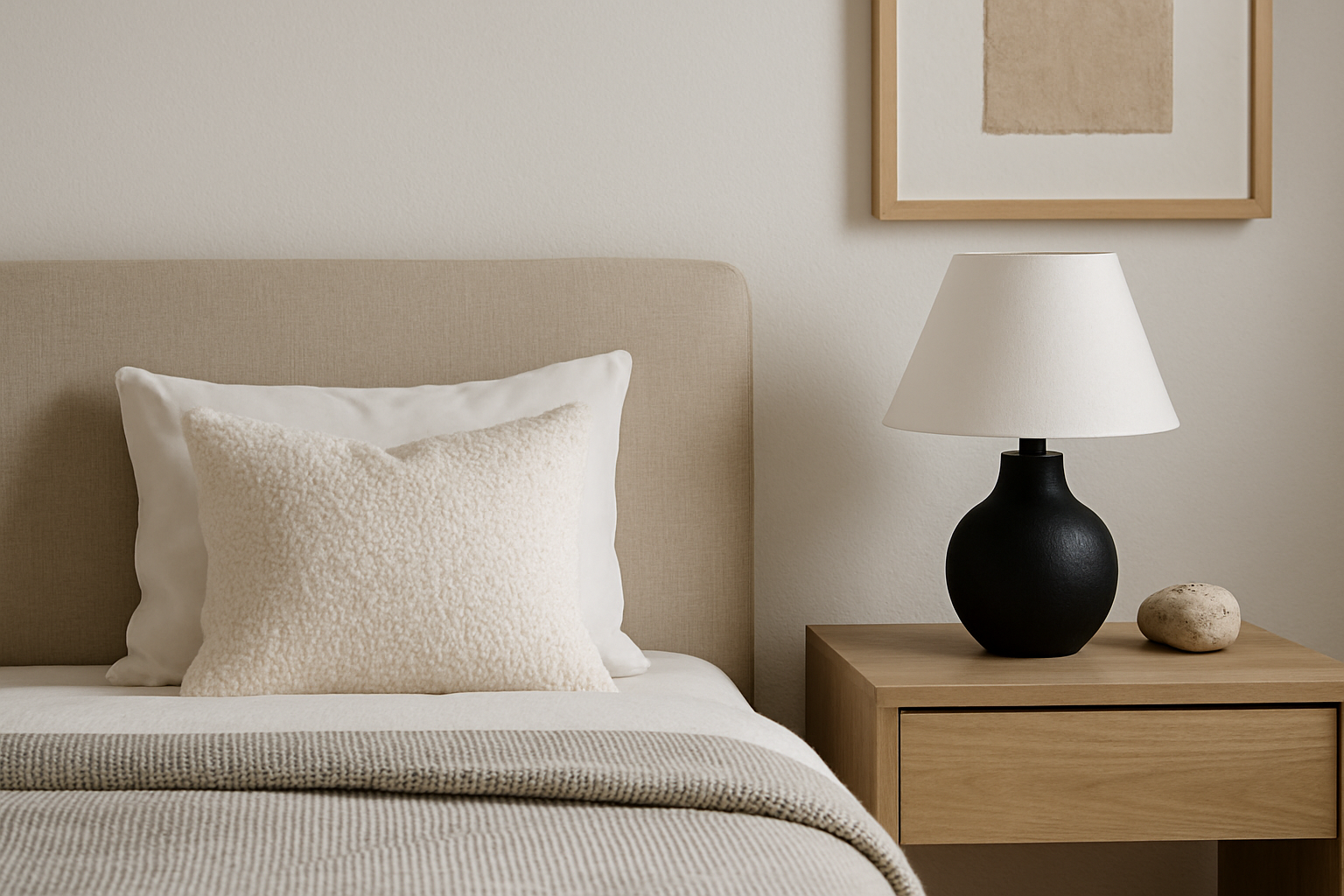
Because minimalist bedrooms often rely on neutral palettes, texture becomes crucial in adding subtle color shifts and visual warmth. Ignoring this role leads to rooms that feel washed out or cold. If everything is too smooth in beige or cool grey, the lack of layered tone variation leaves the space flat.
The correction here is to introduce textured items that bring soft tonal shifts—a raw wool pillow in off-white, a linen duvet with a faint weave pattern, or a woven wall basket in a warm tan. These details create a nuanced color story that reads stronger than a single flat tone. Layering texture with color gradually enriches the eye’s journey across the room, enhancing effortless warmth without clutter.
Frequently Asked Questions
What textures work best in a minimalist bedroom?
Natural fibers like linen, cotton, wool, and wood are great picks. They offer tactile interest without overwhelming simplicity.
How do I mix textures without ruining minimalism?
Stick to a restrained color palette and vary texture types and scales — like combining smooth with nubby or soft with firm surfaces.
Can rugs improve texture layering in small minimalist bedrooms?
Yes, but choose modestly sized rugs with subtle patterns or flatweave for a balanced look that doesn’t compete with clean lines.
Is it okay to mix warm and cool tones with texture?
Absolutely. Subtle shifts between warm neutrals and cool greys in textured fabrics add complexity and visual comfort.
How do I know if I have too much texture?
If the room feels cluttered or visually busy despite minimal furniture, you might be layering too many similar textures—look for variety and simplicity instead.
Minimalist bedrooms invite a quiet, restful environment. Yet texture is where they either come to life or fall flat. Avoid these common texture mistakes by mixing materials with intention, paying attention to scale, and layering subtle tonal variations. This approach results in rooms that feel comfortably composed and visually inviting rather than stark or lifeless. Start small with one change, like adding a wooden stool or swapping a throw, and notice how texture quietly transforms your bedroom’s mood.
If you’re also thinking about furniture choices, exploring the best furniture for a minimalist bedroom can further support a thoughtful, functional space that complements your texture layers naturally.
Read Next
- Furniture for a Minimalist Bedroom: A Practical Buying Guide — Adds a complementary angle so the reader can move from one intent to the next.