
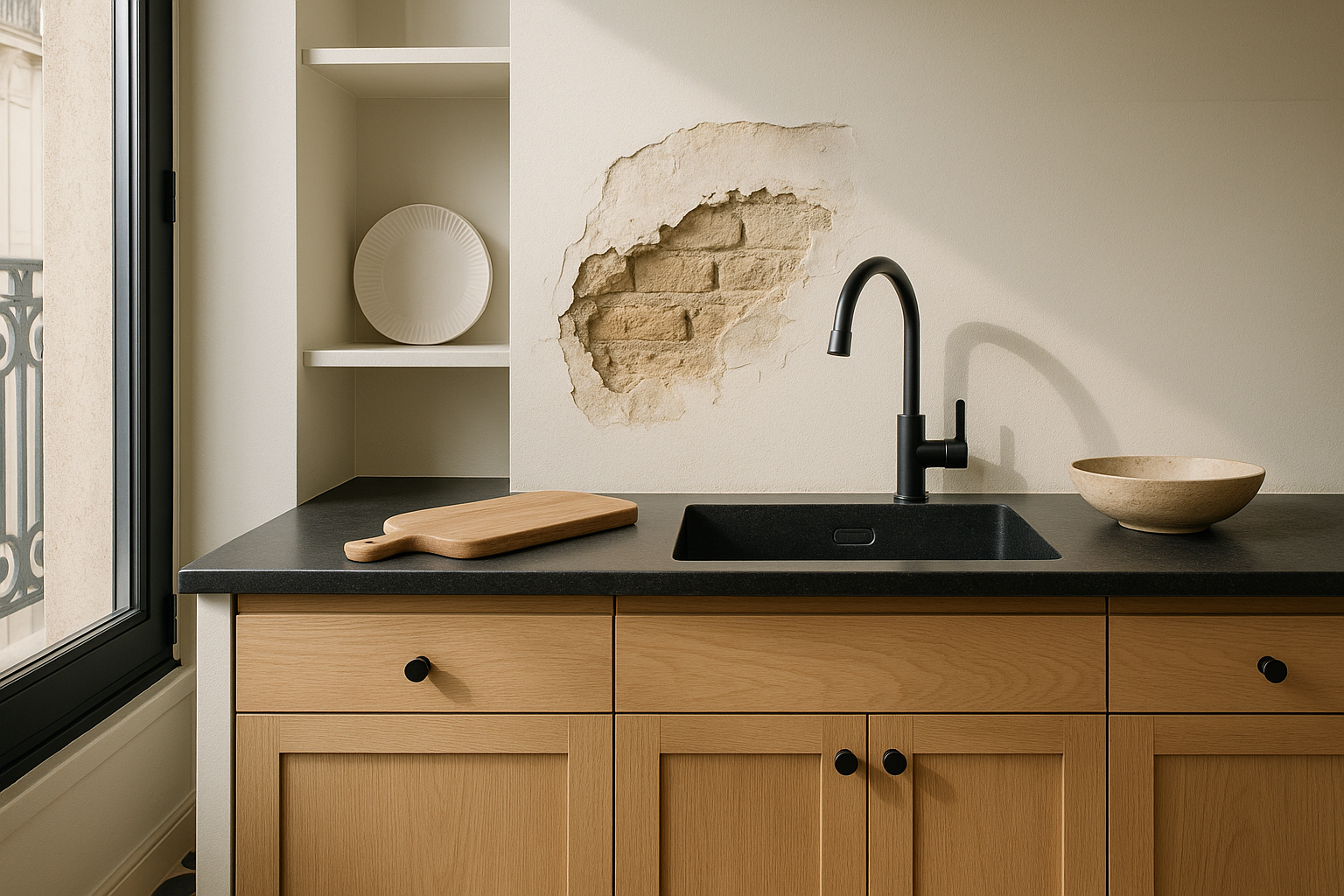
Parisian kitchens embody a refined balance between effortless elegance and lived-in charm, inviting natural light and softness through layered textures. Yet this style is surprisingly easy to misinterpret or flatten if the textural interplay isn’t carefully considered. When the balance between smooth and tactile surfaces shifts too far in one direction, or when the wrong materials overwhelm the space, the kitchen can lose its quietly warm feeling. This article identifies key texture mistakes that often disrupt the serene flow of Parisian kitchen decor and offers clear fixes to restore that delicate harmony. Understanding these subtle nuances equips you to shape your kitchen with thoughtful layering of linen, oak, stone, and soft neutrals without compromising the signature Parisian ease.
The Glossy Surface Trap: Why Overly Polished Finishes Undermine Texture Balance
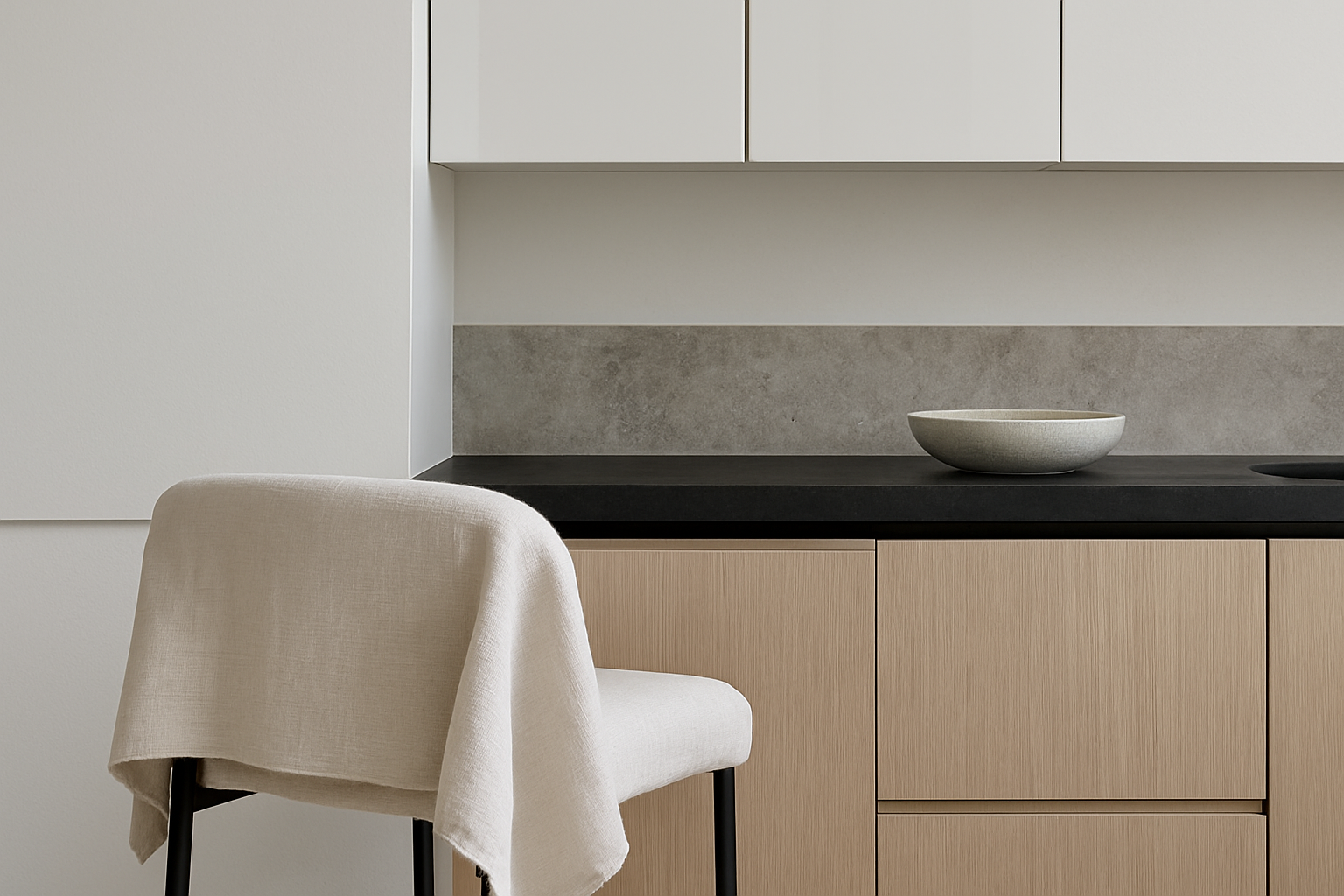
A common misstep in Parisian kitchen styling is relying on high-gloss tiles or lacquered surfaces, thinking they add sophistication. While polished finishes reflect light, in a Parisian context, they often feel at odds with the style’s embrace of natural, textured, and matte materials. This mismatch creates visual dissonance and sacrifices the tactile warmth that softens the room.
To correct this, opt for matte or subtly textured backsplashes—think honed stone, unglazed ceramic, or softly veined marble. These finish choices maintain light flow but invite your eyes to rest on natural variations instead of stark reflections. Pairing these with natural oak cabinetry and woven linen curtains enriches the sensory experience, anchoring the space visually and texturally. This creates the serene, layered effect integral to Parisian kitchen ambiance.
When Wood Types Clash: The Pitfall of Mixing Unrelated Textures
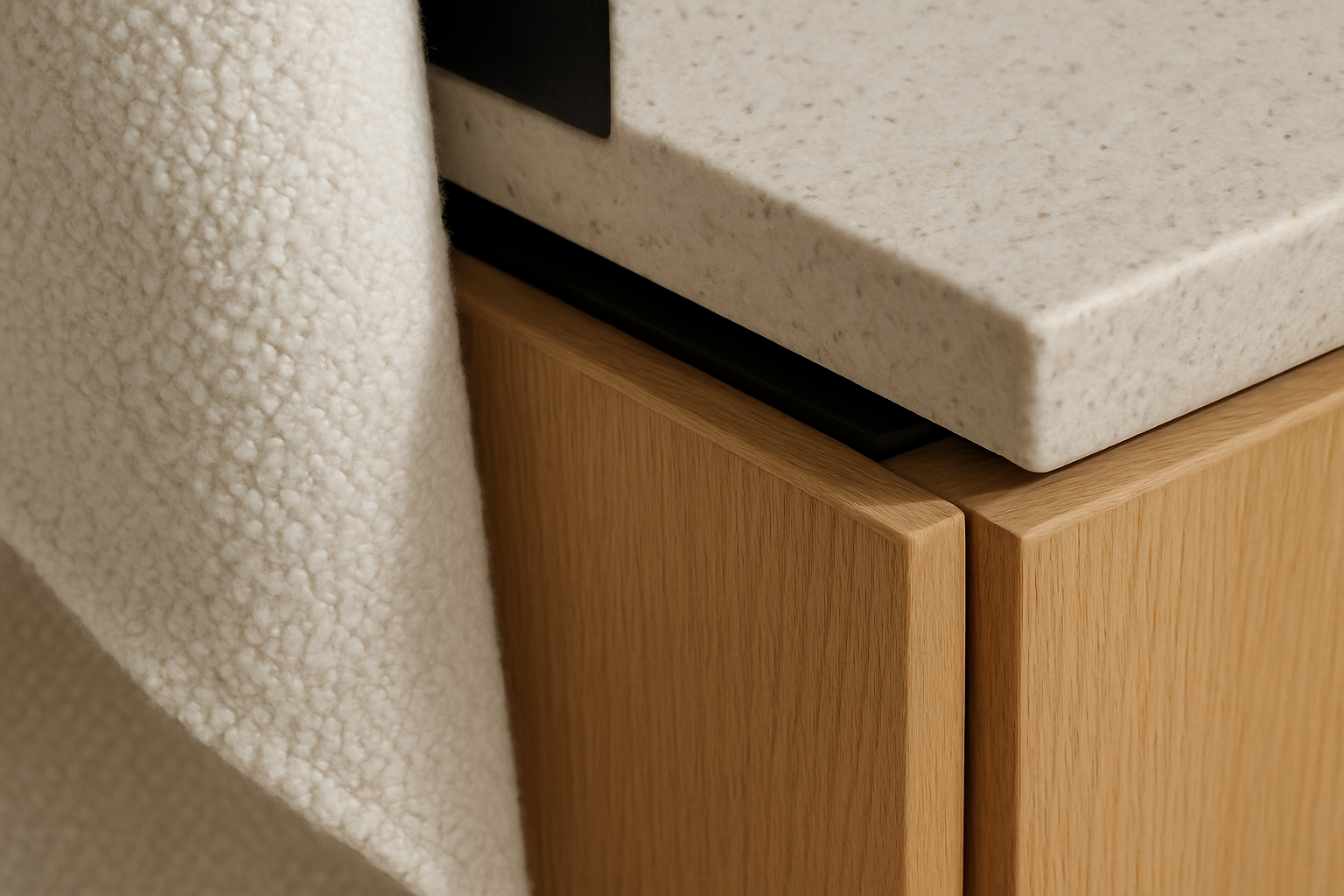
While mixing wood finishes can add depth, a mistake many make is combining too many varieties or treatments that don’t speak the same textural language. For example, pairing rustic oak with a glossy, dark walnut and a painted masonite door fragments the visual cohesion. This discord fans sensory confusion instead of warmth.
A refined fix involves selecting complementary wood tones and surface feels within a tight palette. Sticking to natural oak with a soft matte finish or lightly brushed texture keeps the eye moving calmly through the space. Resist layering heavy grain variation with smooth polished woods in the same visual plane. Instead, let a very subtle wood contrast elevate rather than disrupt the kitchen’s natural scheme.
Flat Texture Layers: How Lack of Contrast Makes the Room Feel Uninviting
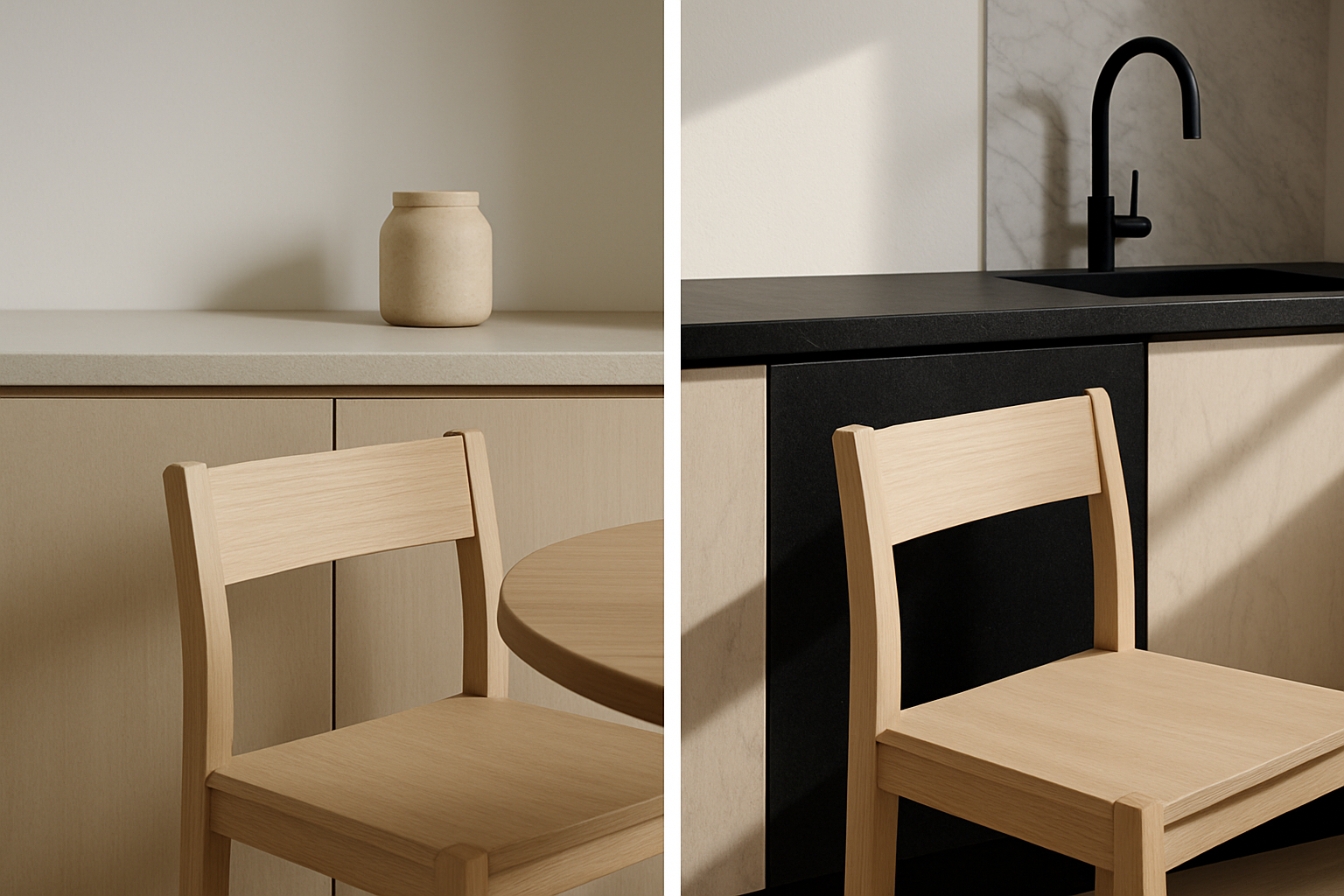
One subtle but impactful error is layering textures that are too similarly muted or flat. A kitchen featuring all linen-look upholstery, smooth stone countertops, and matte cabinets in closely matched beige or gray can feel washed out. Without texture contrast, the space lacks visual anchors to guide the eye, appearing cold and unwelcoming despite neutral tones.
Balancing this requires intentional variation: pair rougher, tactile linen textiles against finely veined stone surfaces, or introduce lightly distressed oak cabinetry to offset smooth quartz counters. Even an aged plaster wall or woven baskets can break monotony. This interplay of texture depth helps the room breathe, forging an invitingly nuanced Parisian kitchen with quiet warmth.
Overscaled Elements and Texture Overload in Small Kitchens
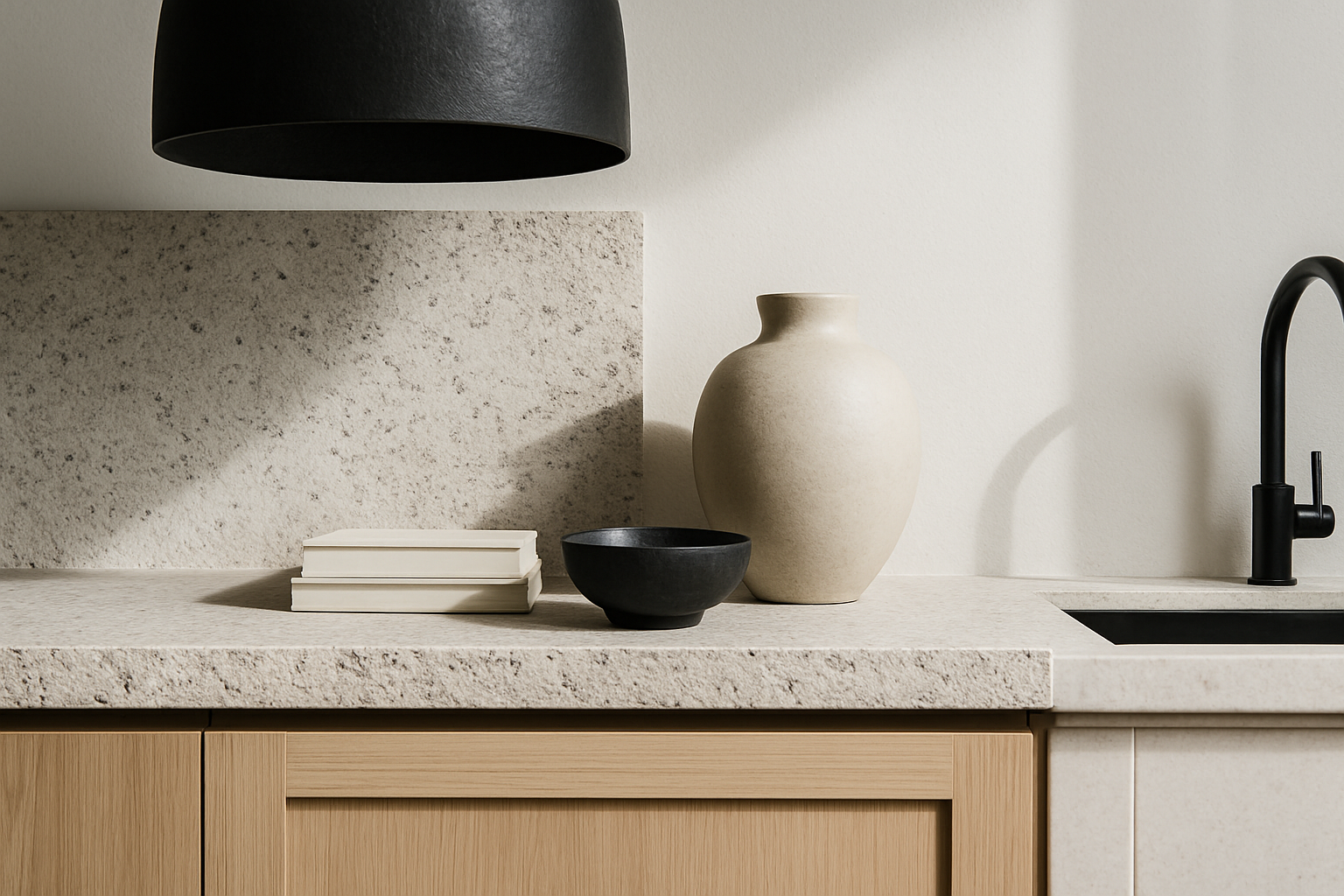
In compact Parisian kitchens, it’s easy to overcrowd the space with oversized features or too many textural elements competing for attention. A large, dark-stained island paired with heavy stone surfaces and thick curtains compresses natural light and disrupts the visual flow vital to this style.
The practical advice? Scale is paramount. Choose cabinetry and fixtures sized proportionally to the kitchen footprint. Favor lighter wood finishes and thinner visual profiles to maximize perceived openness. Limit layered textures in concentrated areas—for example, a soft linen window treatment balanced with simple painted wood cabinetry reduces visual clutter. Prioritizing lightness and balance over textural abundance preserves the relaxed spirit and flow that define Parisian kitchens.
The Missing Warmth: How Overuse of Cold Metals and Hard Surfaces Derails the Look
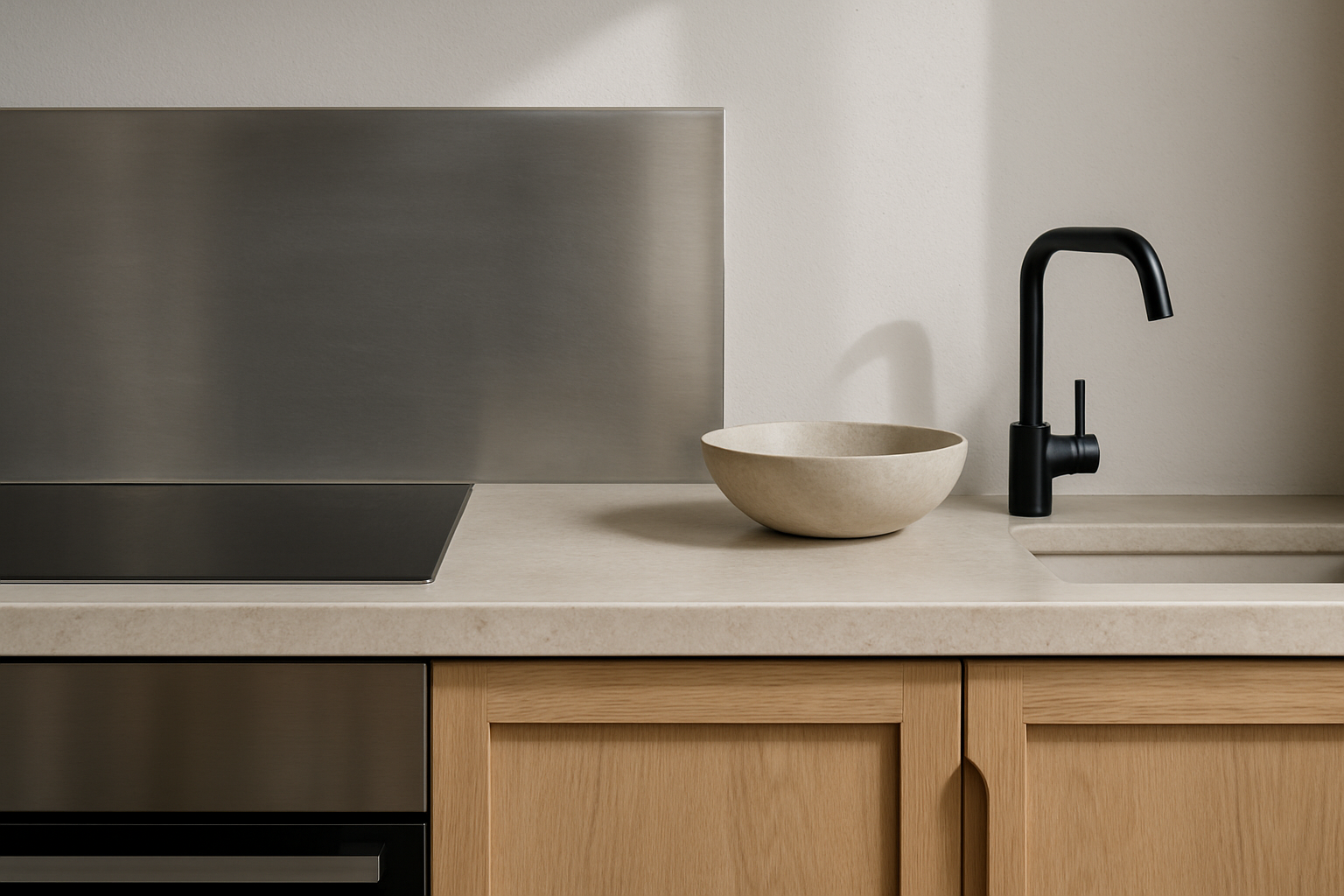
Finally, overemphasizing cold metals like polished chrome or stainless steel can detract from the inviting, tactile quality foundational to Parisian kitchens. These finishes reflect harshly, introduce a clinical feel, and cancel the soft warmth fostered by natural materials and understated neutrals.
Restoring warmth means anchoring hardware and lighting in brushed or antiqued brass, matte black, or aged bronze tones. Softening any hard surfaces with textiles—think linen tea towels, woven rugs, or subtle window panels—tempers glossiness and introduces human scale. Prioritizing these material and finish choices ensures the kitchen exudes the quiet comfort and visual balance that make Parisian decor enduringly appealing.
Frequently Asked Questions
How can I add texture to a small Parisian kitchen without cluttering it?
Focus on layering subtle tactile contrasts, like a linen curtain paired with honed stone and matte oak. Choose lighter tones and slim profiles to maintain openness while introducing soft texture.
Are glossy cabinets appropriate in Parisian kitchens?
Glossy finishes tend to conflict with the natural, calming texture palette. Matte or lightly textured wood or painted cabinetry better support the timeless, cozy feel.
What wood finish best complements Parisian kitchen stone surfaces?
Natural oak with a matte or lightly brushed finish harmonizes well with stone and balances texture without overpowering.
How do I balance metals in Parisian kitchen decor?
Favor warm or muted metal finishes over cold, reflective ones. Brushed brass or aged bronze bring warmth without being too flashy.
Can texture mistakes ruin the overall Parisian kitchen look?
Texture mistakes often disrupt visual balance and warmth but are reversible with thoughtful layering and material choices.
A Parisian kitchen conveys a quiet sense of ease through texture as much as form. Avoiding glossy surfaces that betray the natural materials’ spirit, choosing wood textures that harmonize rather than compete, and layering tactile contrasts with care nurture this aesthetic’s distinctive temperance. Paying attention to scale and material temperature ensures the room feels both balanced and inviting — not cold, cluttered, or overstated. Focus first on editing glossy finishes and mismatched woods; these shifts yield layered warmth that feels fresh yet enduring. Approached thoughtfully, texture becomes the language through which your Parisian kitchen quietly speaks of graceful, lived-in beauty.