
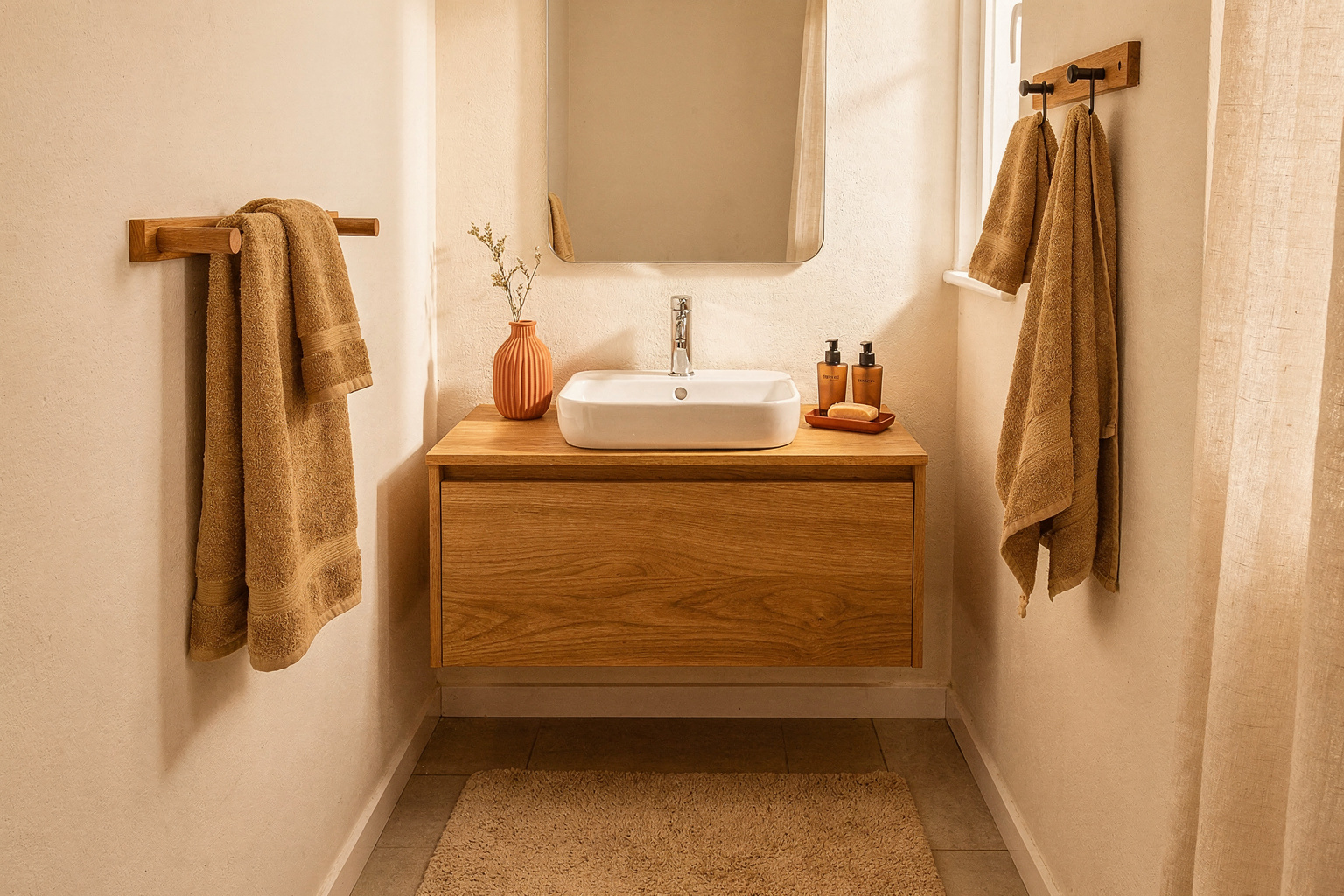
Choosing the right colors for a tiny bathroom can feel like walking a fine line. Too dark, and the room might feel cramped and gloomy; too bright or stark, and it can come off as cold or clinical. The challenge is that color isn’t just about preference—it directly impacts the perceived size, light flow, and overall mood, all critical factors in a small space. Beyond aesthetics, we want colors that accommodate water-resistant materials and easy maintenance. In this guide, we’ll focus on which colors work best for tiny bathroom decor and why. We’ll explore criteria that matter most for selecting these hues, compare different popular color families, and provide practical advice for various layouts and budgets. By the end, you’ll be equipped to approach your bathroom’s palette with clear direction and achievable style goals.
Prioritizing Light Reflectance and Visual Flow
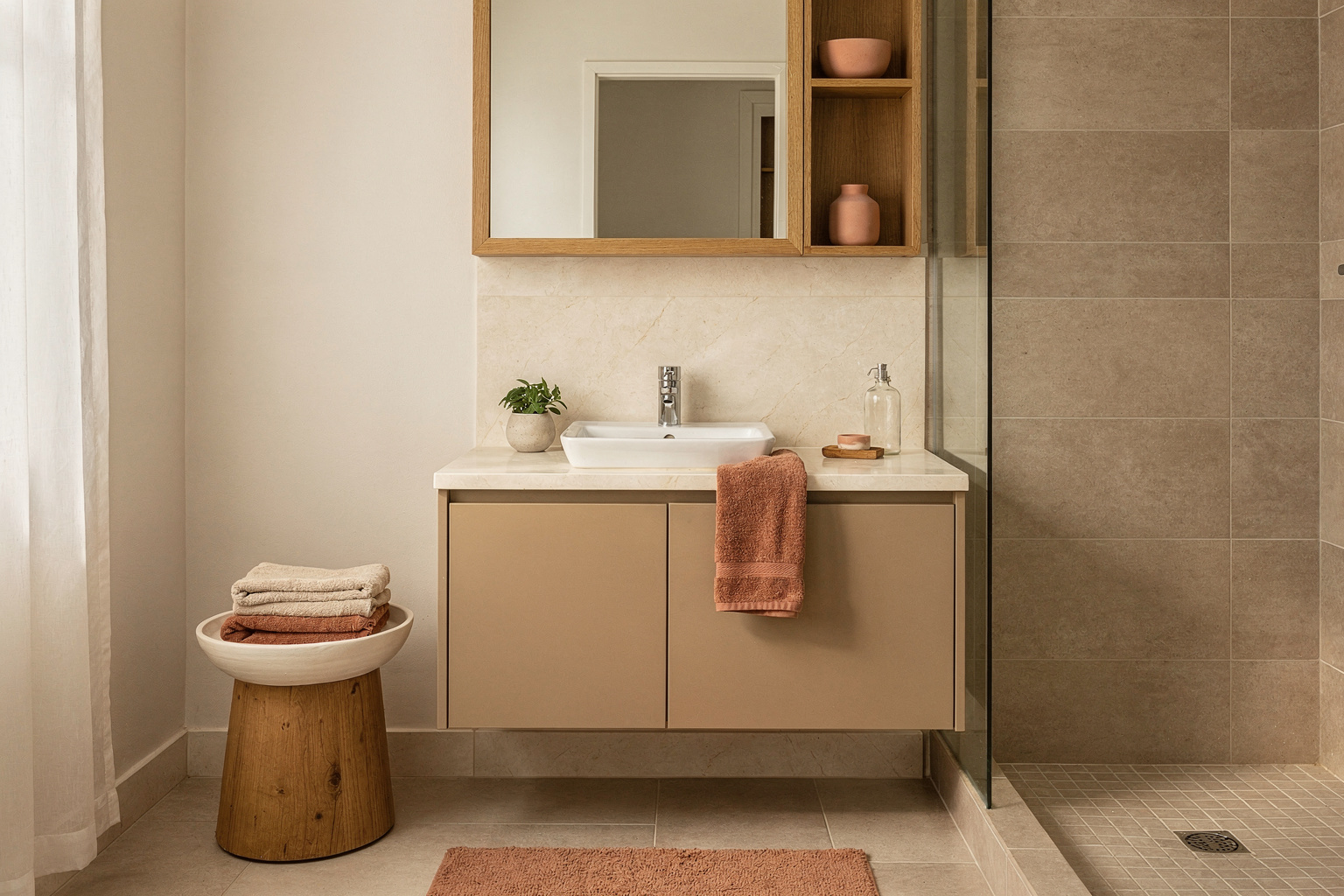
When color decisions matter most in a tiny bathroom, the starting point is how paint or tile surfaces interact with available light. A color’s light reflectance value (LRV) tells us how much light it bounces back into the room. Opting for colors with higher LRV—think soft whites, pale creams, or very light pastels—maximizes natural and artificial light, helping the room read as brighter and larger. These lighter hues naturally create visual flow by blending wall and ceiling surfaces with fixtures and trim, which keeps the eye moving comfortably around the space without abrupt breaks.
The practical takeaway: Choose colors with LRV above 60 for walls or large surfaces to encourage openness. Avoid dark or saturated shades on walls unless they’re used as a single accent; they tend to absorb light and shrink space visually. Matte finishes scatter light softly, adding a lived-in, warm feel instead of a harsh glare, which can be uncomfortable in tiny rooms.
Cool Blues and Greens: Freshness Without Shrinkage
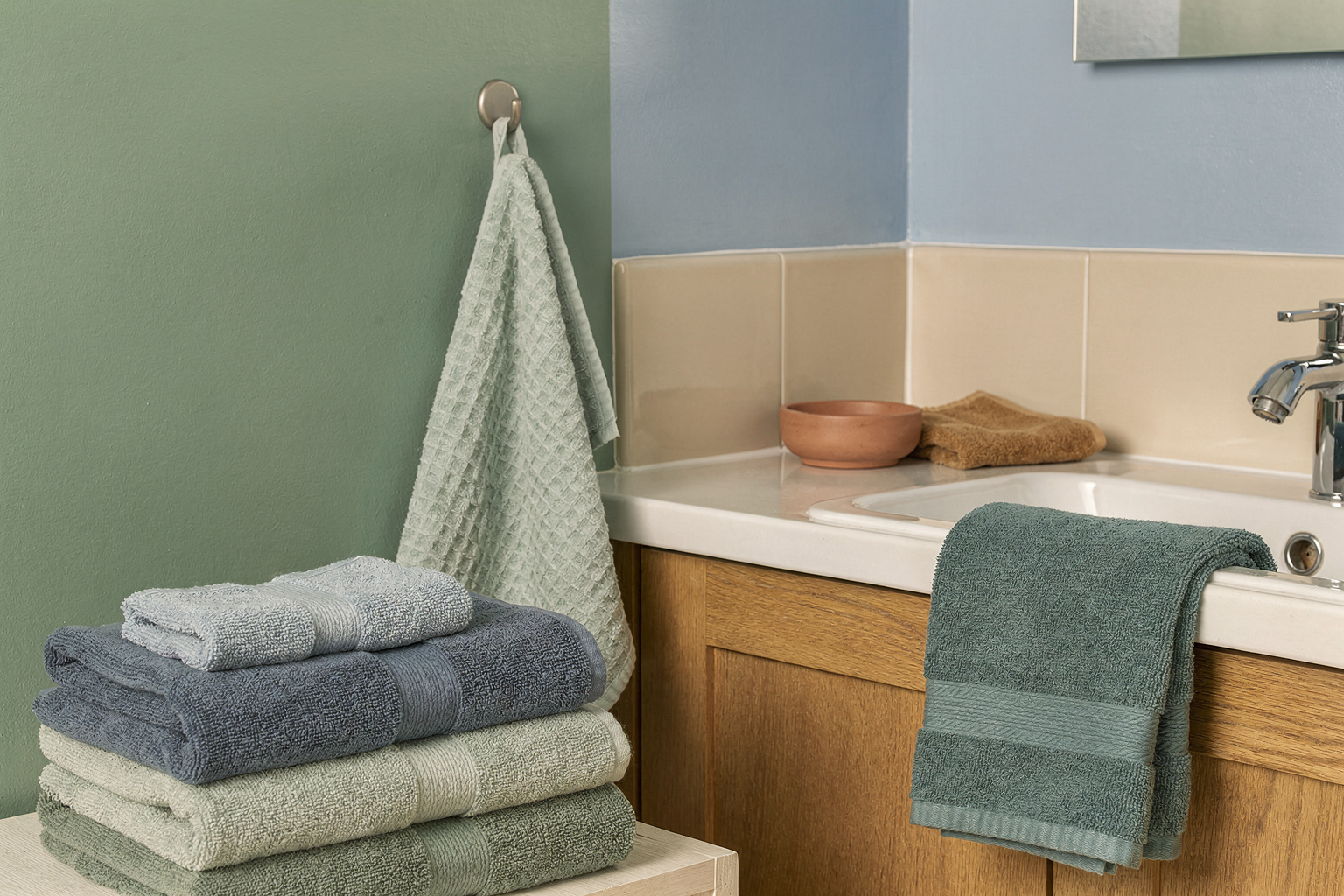
If your style leans toward a fresh, spa-like vibe rather than stark minimalism, consider a palette of powdery blues, soft sage greens, or muted teals. These colors reflect enough light to keep the space open but introduce more personality and calm than plain white walls. Cool tones tend to recede visually, which can help tiny bathrooms feel as if they extend slightly beyond their physical footprint.
For materials, this is a great opportunity to mix matte wall paints with gloss-finish ceramic tiles in the same hue for subtle texture contrast. Pairing these colors with crisp white fixtures or warm wood accents creates a balanced and inviting look. Be mindful of natural light: cooler tones perform best where there’s moderate to bright daylight; dimly lit bathrooms might cool down too much and feel less cozy.
Warm Earthy Tones Add Depth and Comfort
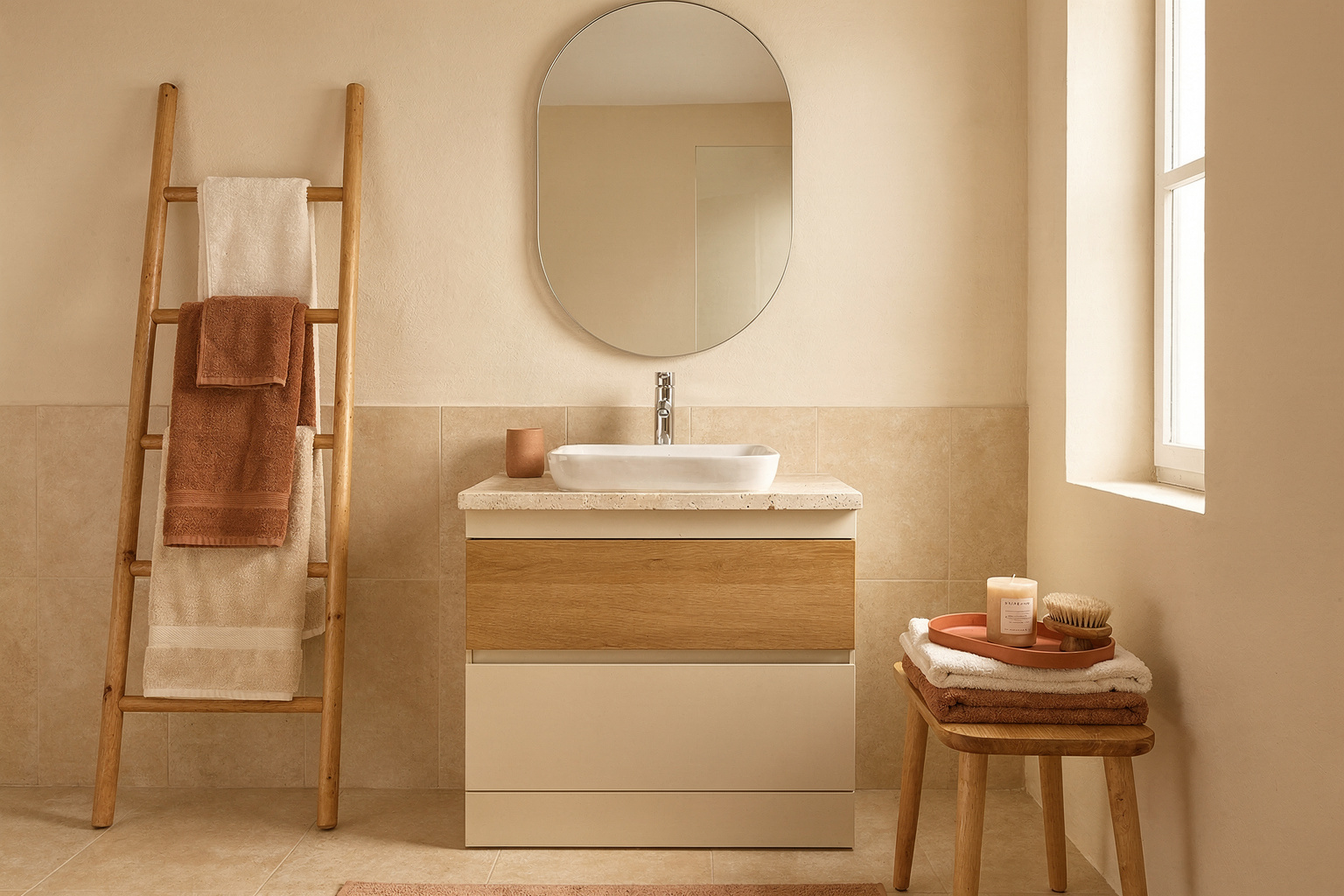
Not wanting a clinical vibe? Warm earthy tones like soft clay, terracotta, or sandy beige can anchor a tiny bathroom with quiet depth and comfort. These colors bring a tactile warmth, especially when combined with natural materials like wooden cabinetry or rattan baskets for storage. The key to success here is maintaining light flow by keeping these warmer tones focused on an accent wall, cabinetry, or tiles, balanced by lighter walls or ceilings.
Earth tones pair elegantly with off-whites or muted grays to avoid overwhelming the space. Their subtle saturation means a hint of color without sacrificing the brightness essential to small rooms. Textural layering in tile or fabric accessories helps keep the space interesting without adding clutter.
Matching Colors to Your Bathroom’s Size, Layout, and Budget
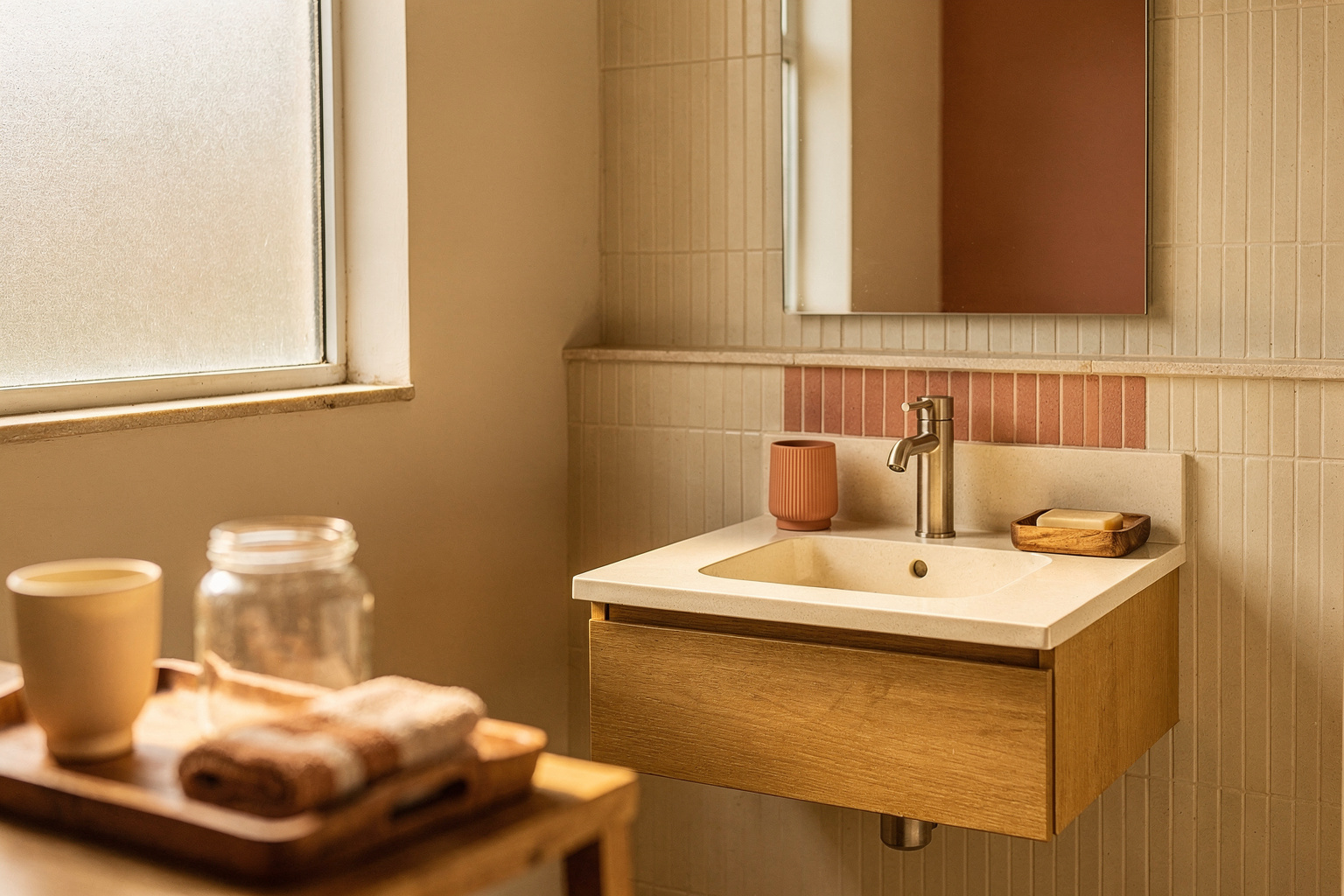
Once you’ve narrowed down your preferred color family, it’s important to consider how your bathroom’s dimensions and layout interact with that choice. For very narrow or windowless bathrooms, lighter hues with a satin finish can help bounce artificial light, making the room feel less enclosed. Larger tiny bathrooms—for example, those with a vanity area or separate shower—can accommodate slightly richer or deeper colors on small walls or niches to create zones and add visual interest.
Your budget factors in too. Paint is obviously less expensive and more easily changed so it’s great for experimenting with colors or seasonal refreshes, while tile color choices have more permanence but also add texture and durability. If repainting or retiling isn’t feasible now, adding colored textiles or a bold shower curtain is an easy way to introduce your chosen shades without commitment.
Confident Steps for Choosing Your Bathroom Palette
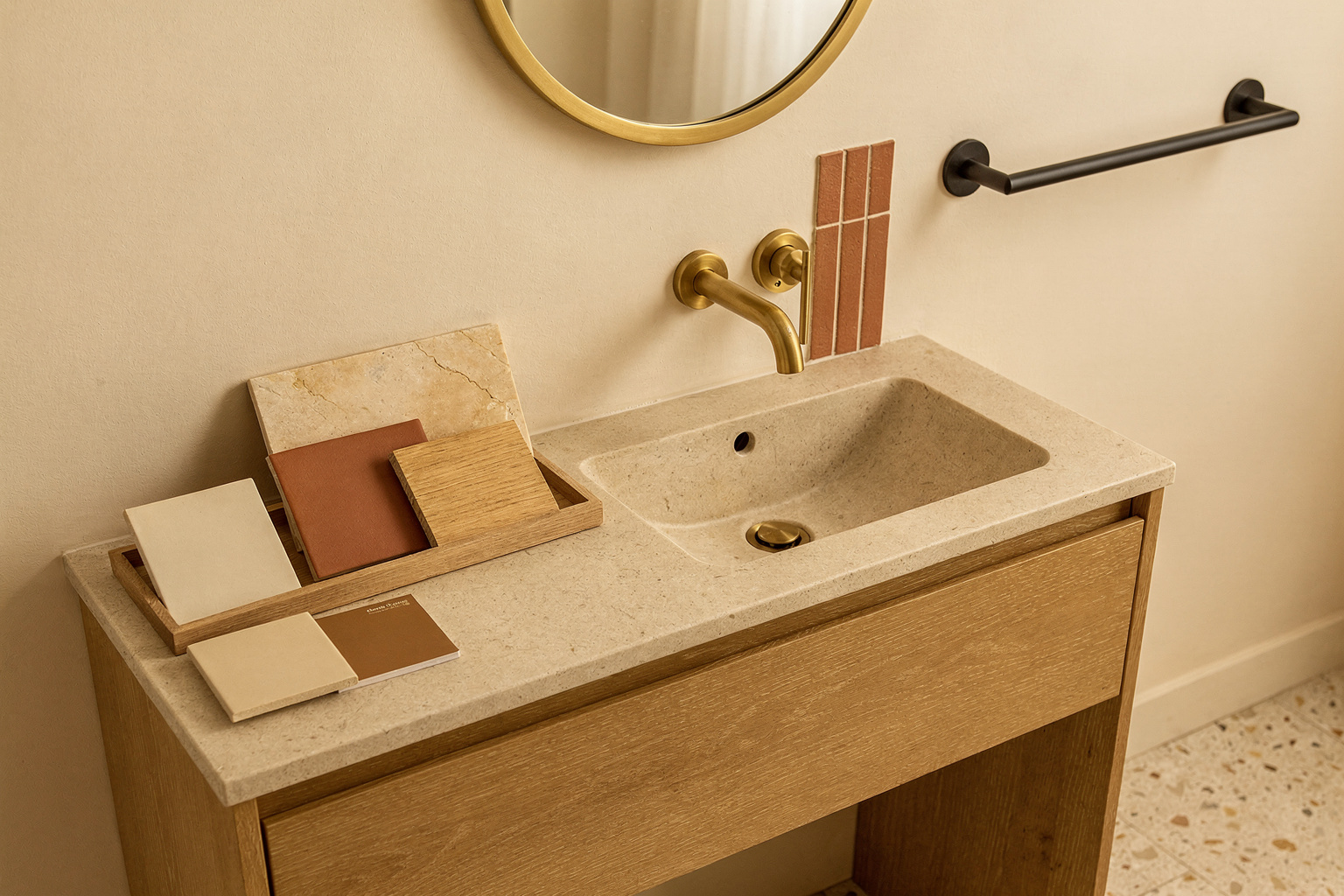
Making confident color choices means balancing your priorities: openness versus personality, light availability, and how permanent or flexible you want your look to be. Start with a small sample of paint or tile near your bathroom’s light source to watch how the color shifts throughout the day. Test paired materials (tiles, cabinetry, fixtures) together rather than viewing each in isolation. If you want warmth without shrinking the space, opt for soft warm neutrals rather than deep hues. For freshness and calm, pick cool shades with mid to high LRV paired with white or light wood.
Remember that color layering through accessories and textiles can soften harsher transitions without crowding the room. The goal is a color story that feels thoughtful and intentional—not just forced or random. With these foundations, your tiny bathroom decor will feel well considered and visually balanced.
Frequently Asked Questions
What is the best paint finish for tiny bathrooms?
Eggshell or satin finishes work best since they reflect light softly and resist moisture better than flat paints. Avoid too-glossy surfaces unless balanced carefully with other matte elements.
Can dark colors work in a tiny bathroom?
Yes, when used sparingly as accents or on cabinetry. Dark hues tend to absorb light, so balancing them with lighter surrounding colors and ample lighting is essential.
How do I prevent a small bathroom from feeling cold with light colors?
Incorporate warm wood textures, soft textiles, or layered lighting to complement light walls and add warmth.
Are pastel colors good for small bathrooms?
Soft pastels with medium to high light reflectance can freshen the space while keeping it light and airy, especially paired with crisp whites.
What colors hide bathroom wear better?
Mid-tone warm neutrals or cool stone-inspired hues mask water spots and daily wear better than pure whites.
Choosing the best colors for your tiny bathroom requires balancing the practical with the personal. Lightness and reflectance help maximize a room’s openness, but layering with subtle color warmth and texture makes the space feel truly lived-in and inviting. Take measured steps testing samples in your specific space’s light and layout context, then build your palette confidently from there. This approach ensures your small bathroom isn’t just functional, but also a quietly comfortable and attractive part of your home.