
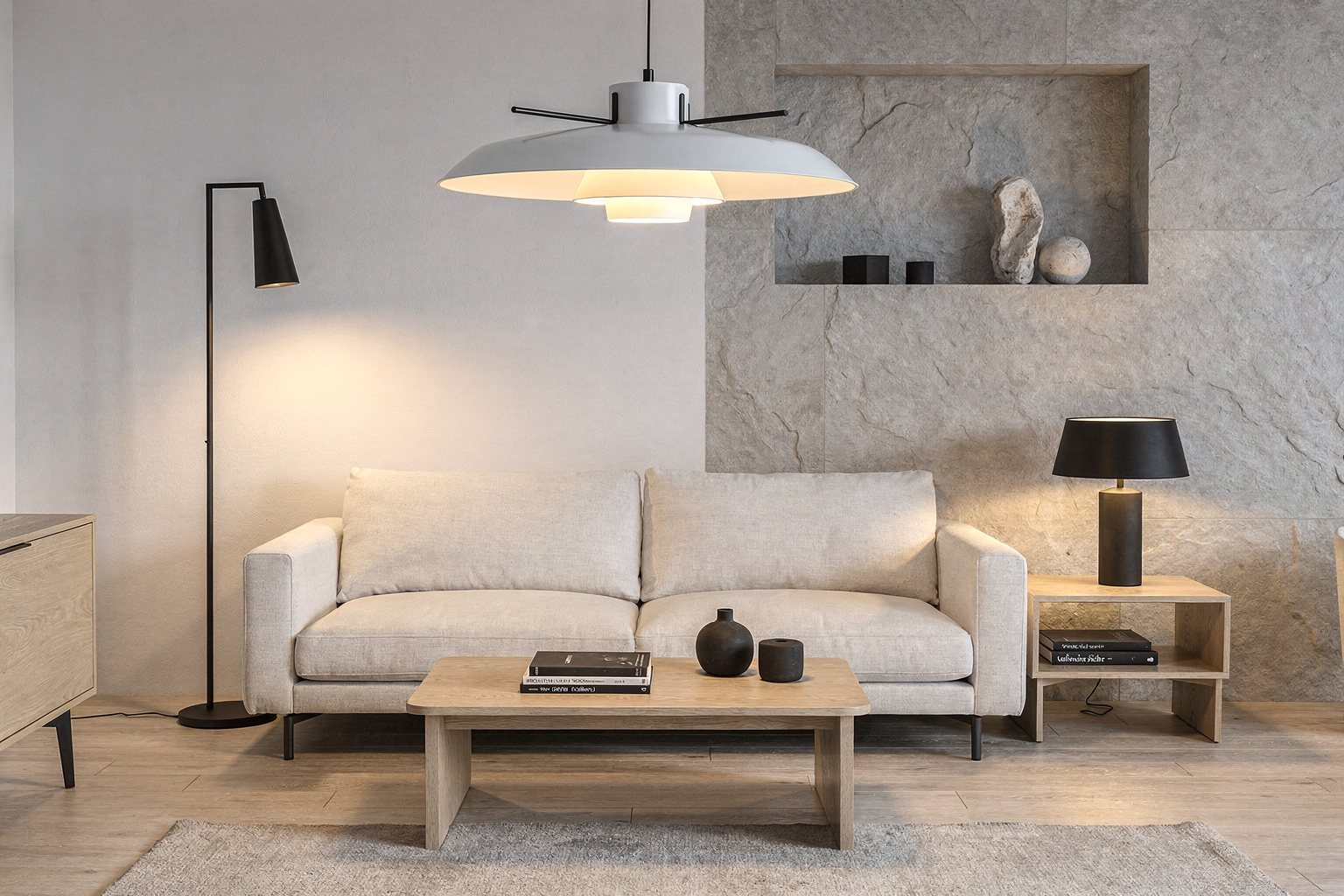
Choosing the best lighting for your living room is rarely straightforward. The space often serves multiple roles: it’s where you relax, entertain, read, work, and sometimes dine. This range of activities demands lighting that can shift effortlessly in intensity and focus without sacrificing style or coherence. But navigating the options—from overhead fixtures to task lamps—can easily overwhelm.
The core challenge is layering light thoughtfully. This means weaving ambient, accent, and task lighting in a way that complements the room’s size, materials, and daily rhythms. The right combination supports function and fosters a mood that feels authentic to your living space — one that’s composed and approachable, not one-size-fits-all or over-styled.
Here, I break down selection criteria, material choices, how to adapt solutions to different room types, and clear pointers to guide confident decisions on the best lighting for living room setups.
Defining the Core Criteria: Light Quality, Control, and Materiality
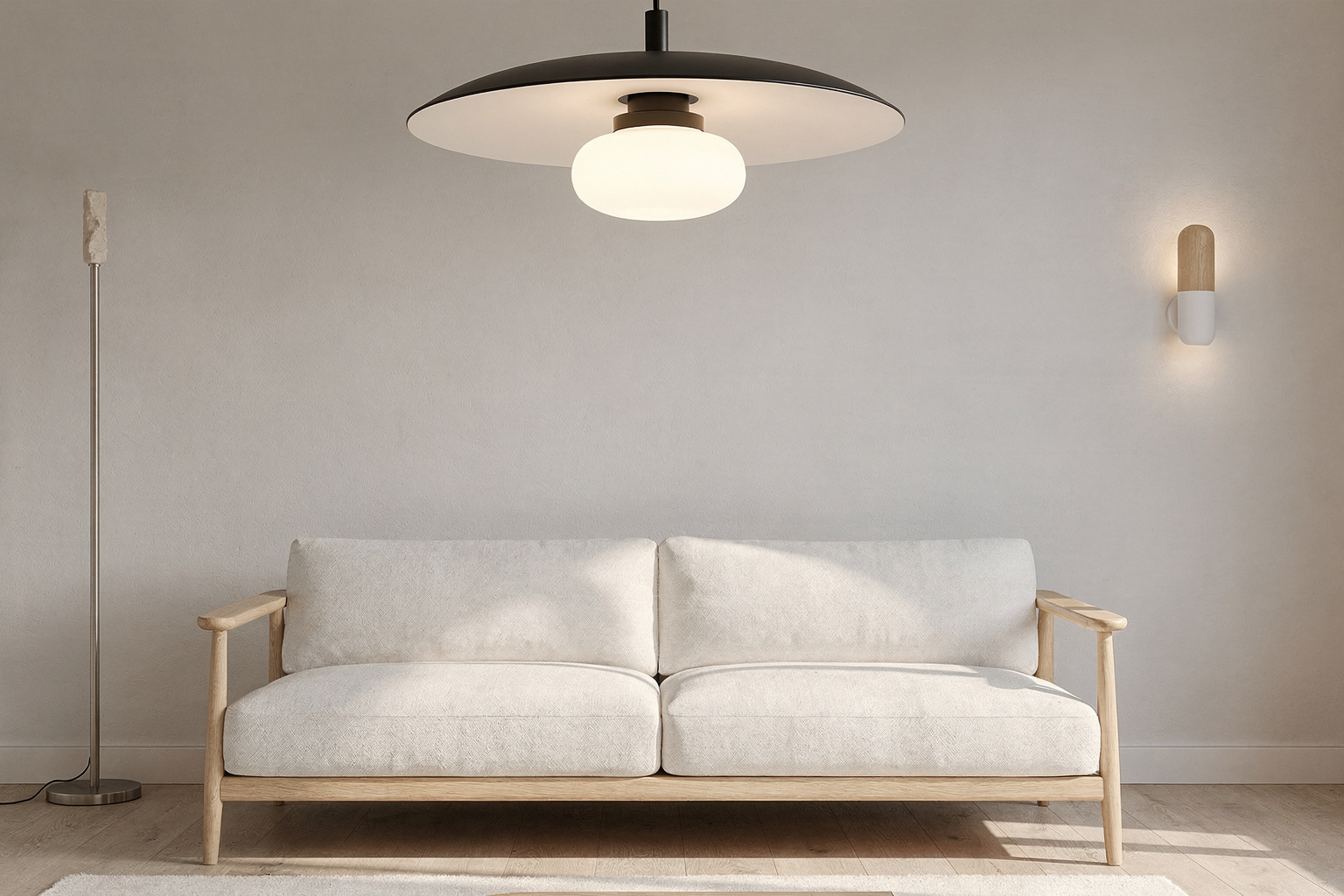
Before selecting fixtures, focus on three foundational standards: light quality, flexibility of control, and materials that harmonize with your room’s architectural bones.
Light quality matters most for day-to-day comfort: aim for warm color temperatures (2700K to 3000K) that deliver a soft glow without washing out colors or textures. Avoid harsh blues or overly cool whites, which disrupt the inviting atmosphere typically sought in living rooms.
Flexibility is key—install dimmers or multi-level switching to adapt brightness for varied uses, from lively conversations to relaxed evenings. Layer your lighting so that no single fixture dictates total illumination.
Materiality should echo your interior palette. Wood and matte metal finishes create tactile contrast and steady visual rhythm against textural plaster or soft fabrics. Avoid glossy metals or shiny surfaces that bounce light unpredictably, breaking cohesion.
Sculptural Fixtures and Metal Accents: A Strong Option for Statement and Function
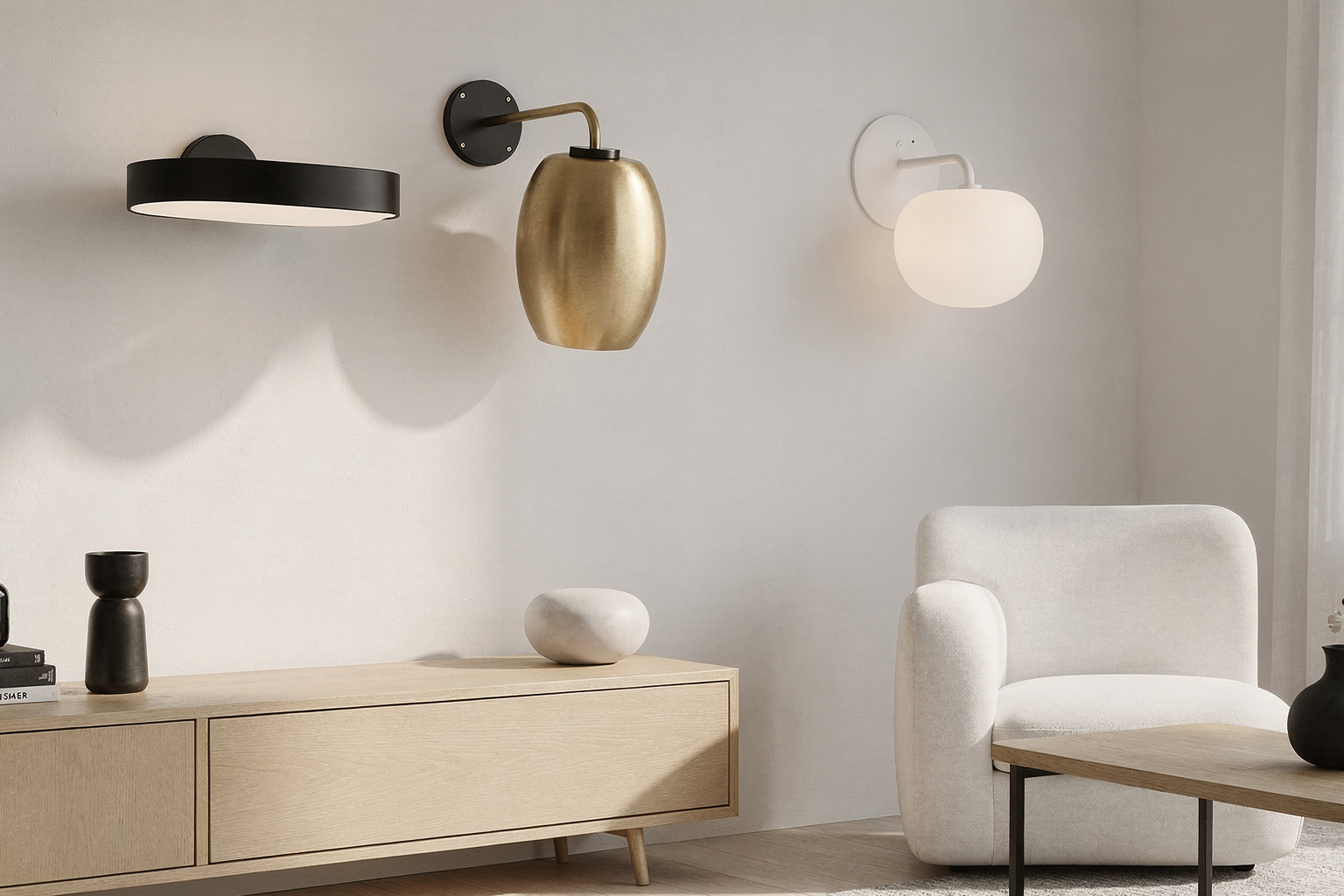
Metal lighting fixtures in matte or satin finishes have become a definitive component of contemporary living rooms. Their strength lies in combining visual clarity with sculptural presence without overwhelming the space.
Choose floor or table lamps with angular arms or minimalist arcs in blackened steel, brass, or brushed nickel. These materials interact well with warmer woods and plaster surfaces, creating subtle contrast and a grounded focal point.
Strategically position sculptural lamps near seating zones for task light, while overhead metal pendants can define layered shadows and anchors. Their rigid lines complement architectural interiors and help govern scale within the room.
The key is measured use: a couple of well-placed statement pieces can balance softer ambient layers from ceiling fixtures or recessed lighting.
Warm Wood and Soft Ambient Layers: For Cozy, Inviting Living Rooms
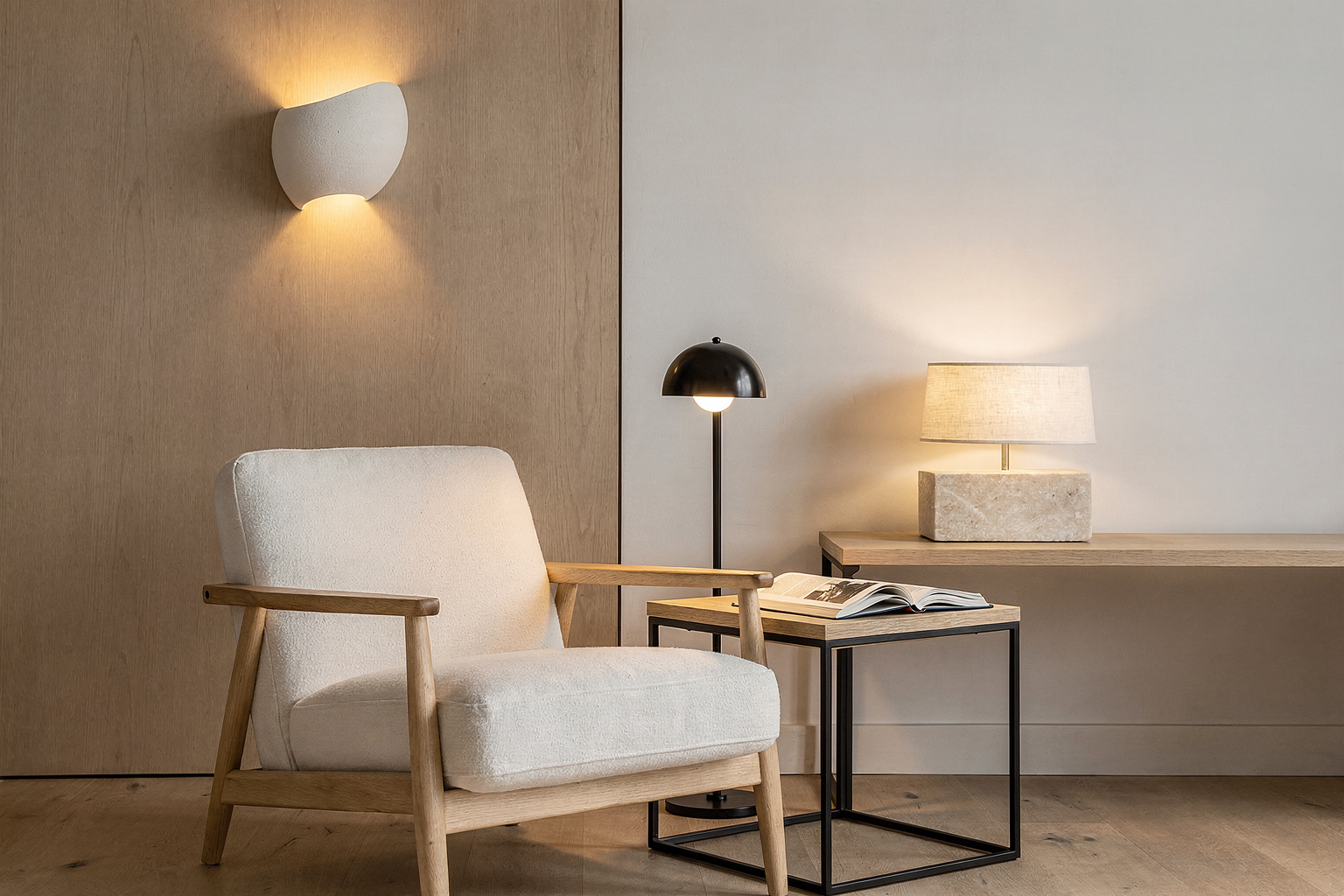
Where metal offers sharp definition, wood lighting fixtures prioritize softness and warmth. Shades or bases crafted from natural or lightly stained wood expand the material mix with tactile interest.
Consider wooden pendant lamps or tripod floor lamps with fabric shades that soften shadows. These fixtures create a diffuse ambient glow that nestles comfortably into plaster walls and muted color schemes.
Warm woods with matte finishes avoid glare and encourage a lived-in quality. When layered alongside discreet recessed lights or task lamps, this approach delivers a calm yet flexible lighting palette.
This style fits well in spaces centered around comfort and quiet gatherings—think reading nooks, family rooms, or intimate seating arrangements.
Matching Lighting Solutions to Room Scale, Layout, and Budget
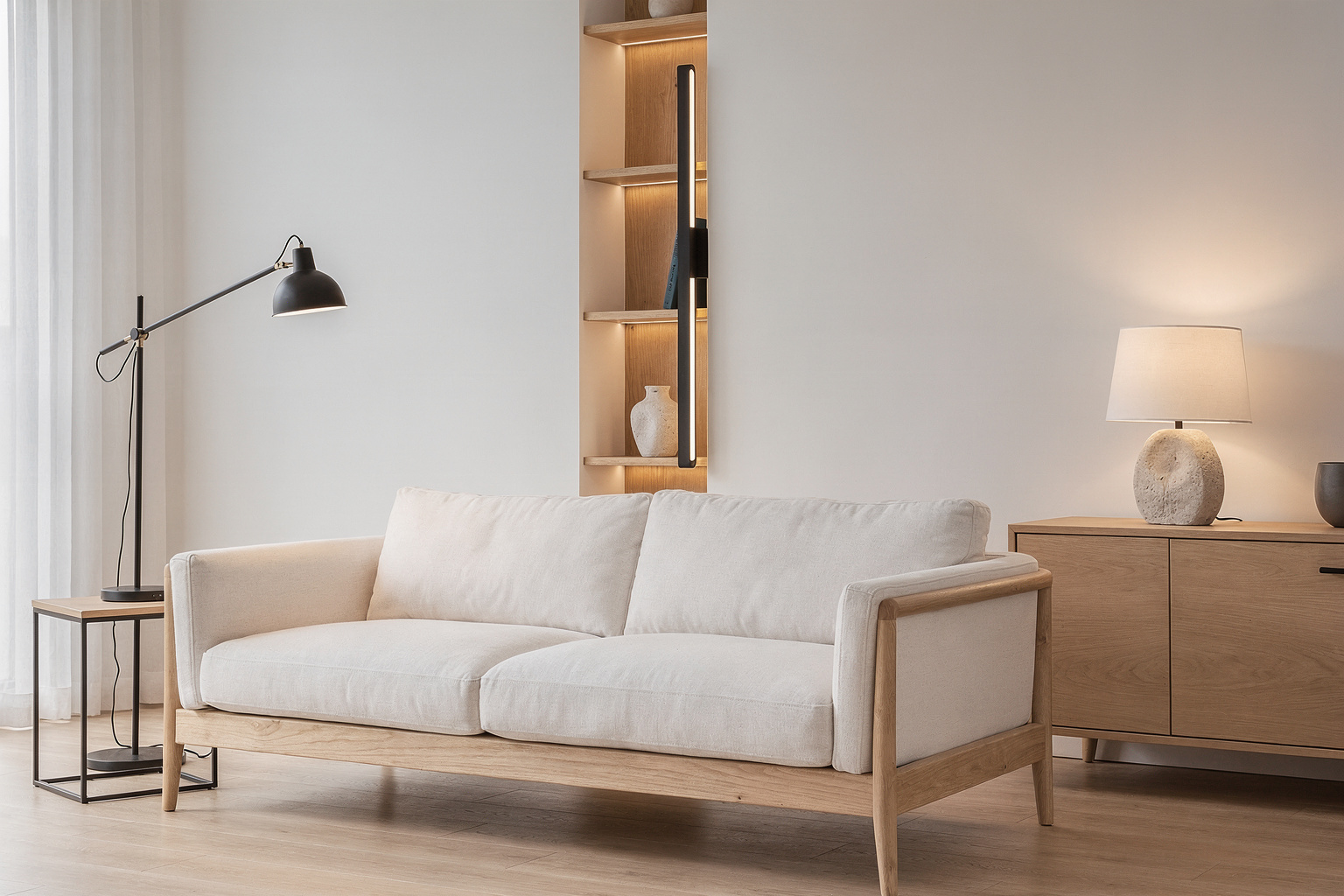
A lighting plan that’s perfect for a large open-plan living room will not translate to a compact urban space. Scale, layout, and budget dictate practical choices within layered lighting.
In small rooms, prioritize adjustable task lamps and compact pendants with a streamlined profile. Avoid oversize fixtures that overpower furnishings or block sightlines. Multipurpose lamps with integrated dimming and directional arms deliver utility despite limited space.
For larger rooms, you can spread out layers more freely—combine multiple pendants or chandeliers with floor lamps and wall sconces, carefully zoning by activity areas.
Budget-wise, focus on investing in dimmable mains lighting (often LED recessed or cove lights) and balance with affordable table or floor lamps in classic forms. This method maintains quality without over-committing to expensive statement pieces.
How to Narrow Your Choices: Practical Buying Guidance
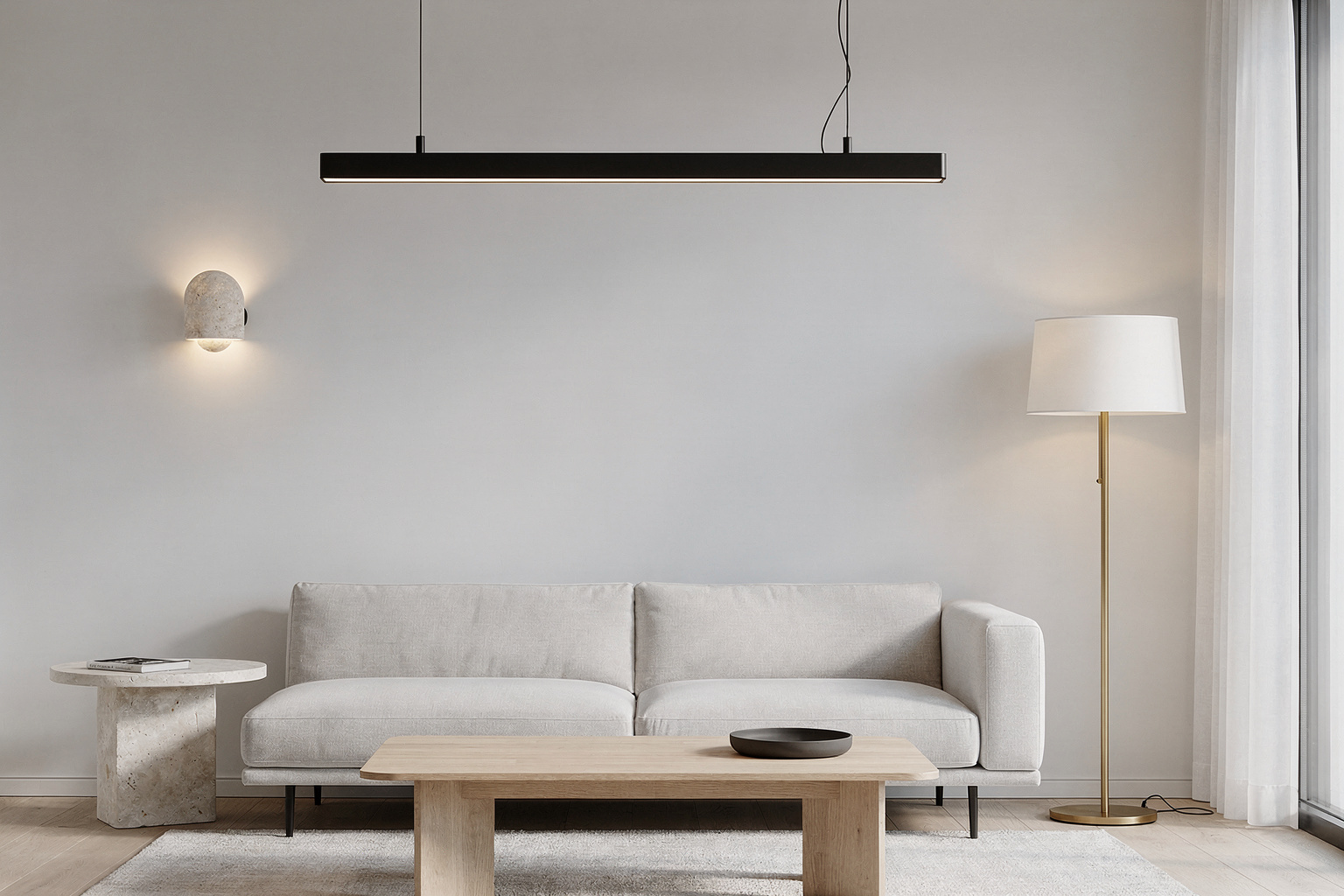
Start with your room’s primary functions and work backward into lighting zones—ambient at the center, task points near seating or reading, accent to highlight features. Use this map to shortlist fixture types that integrate well with your materials and proportions.
Evaluate fixture materials for long-lasting appeal. Matte metals and solid wood resist trends better than plastic or high-gloss finishes. This lets you layer pieces over time rather than replacing everything.
Test bulb options for warmth and brightness in-store or with samples at home. Dimming capability should not be optional—it’s essential.
Finally, trust your sense of balance. Lighting is composition in three dimensions; scale and placement affect how the space breathes. Aim for subtle contrasts in light intensity and material texture rather than uniformity.
Frequently Asked Questions
How many layers of lighting should a living room have?
Aim for at least three: ambient for overall light, task for specific activities, and accent lighting to highlight art or architectural details.
What type of bulbs work best in living room fixtures?
Choose warm white LEDs (2700–3000 Kelvin) with a high CRI (90+) to render colors naturally and avoid cold or harsh light.
How can I avoid glare from lamps?
Use lampshades with soft matte finishes and avoid placing light sources at eye level where direct exposure causes discomfort.
Is recessed lighting necessary for layering?
Not always, but it’s a practical ambient base layer in modern spaces, especially when paired with stylish floor lamps or pendants.
Can dimmers work with all types of fixtures?
Most modern fixtures accommodate dimmers, but confirm compatibility for LEDs or specialty bulbs before purchase.
Choosing the right lighting for your living room prioritizes how the space functions and feels over chasing any singular style. Notice how materials, scale, and fixture flexibility pull a room together, channeling both warmth and control.
Layer your lighting to suit daily routines and mood shifts while honoring your architectural elements. Start by defining key zones and selecting materials that anchor the composition—matte metals for structure, warm woods for softness—then refine with dimmable options and carefully placed task light.
The best lighting plan is one you live with effortlessly because it was chosen with clear criteria, clear purpose, and a steady eye on the room’s unique story.