
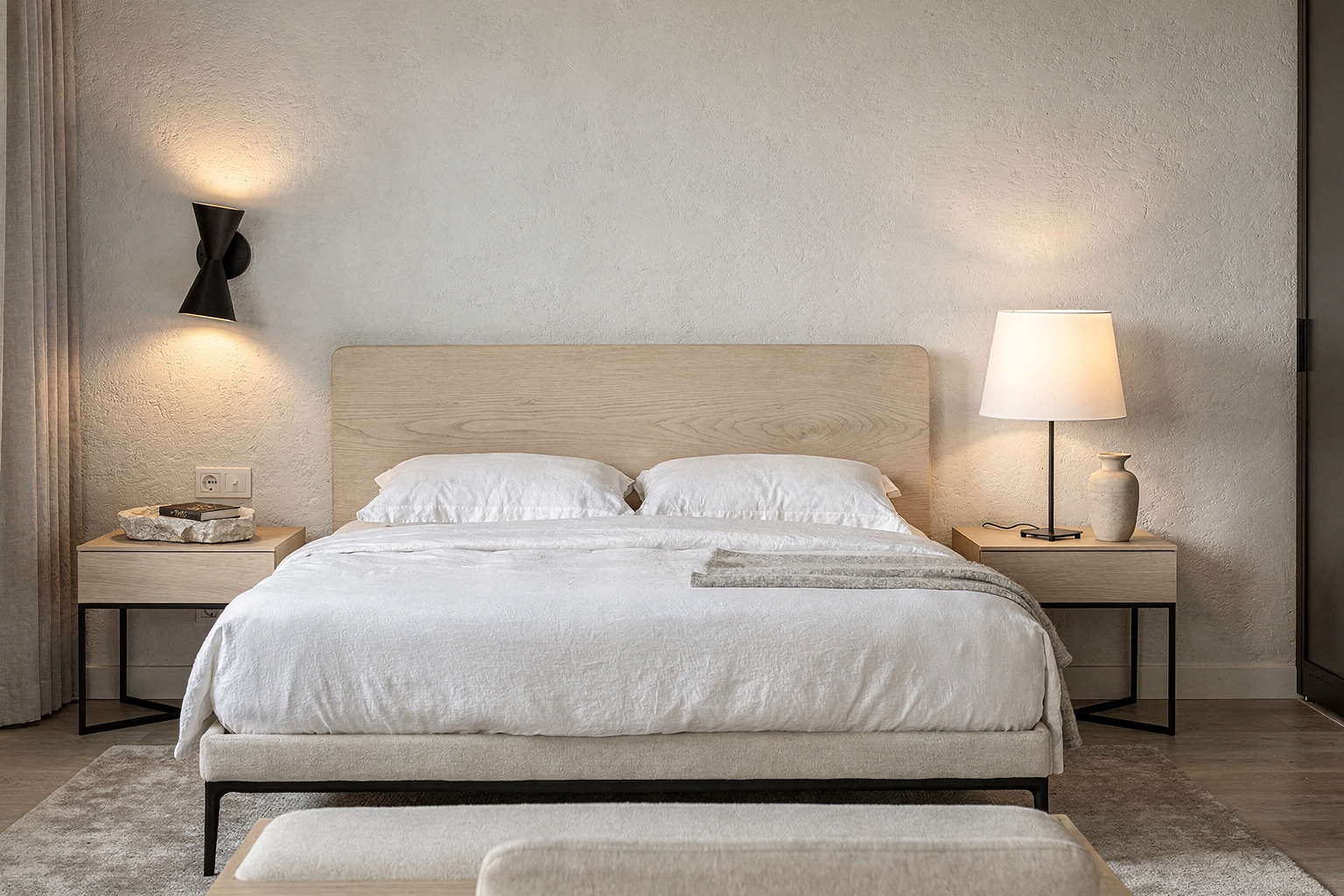
Choosing the best lighting for your bedroom often feels like walking a tightrope between cozy and practical. Bedrooms are unique spaces where you need light that supports a variety of moods and activities — from winding down with a book to getting ready in the morning. It’s not just about brightness; it’s about layering light sources that create soft contrasts and moments of warmth through the day and night.
This article will walk you through the key criteria for bedroom lighting, explore different fixture options, and help you match choices to your room’s size, style, and budget. By the end, you’ll have a clear view on how to layer lighting in your bedroom without fuss or guesswork — just a calm, collected glow that works with your daily rhythm.
Defining the Essential Criteria for Bedroom Lighting
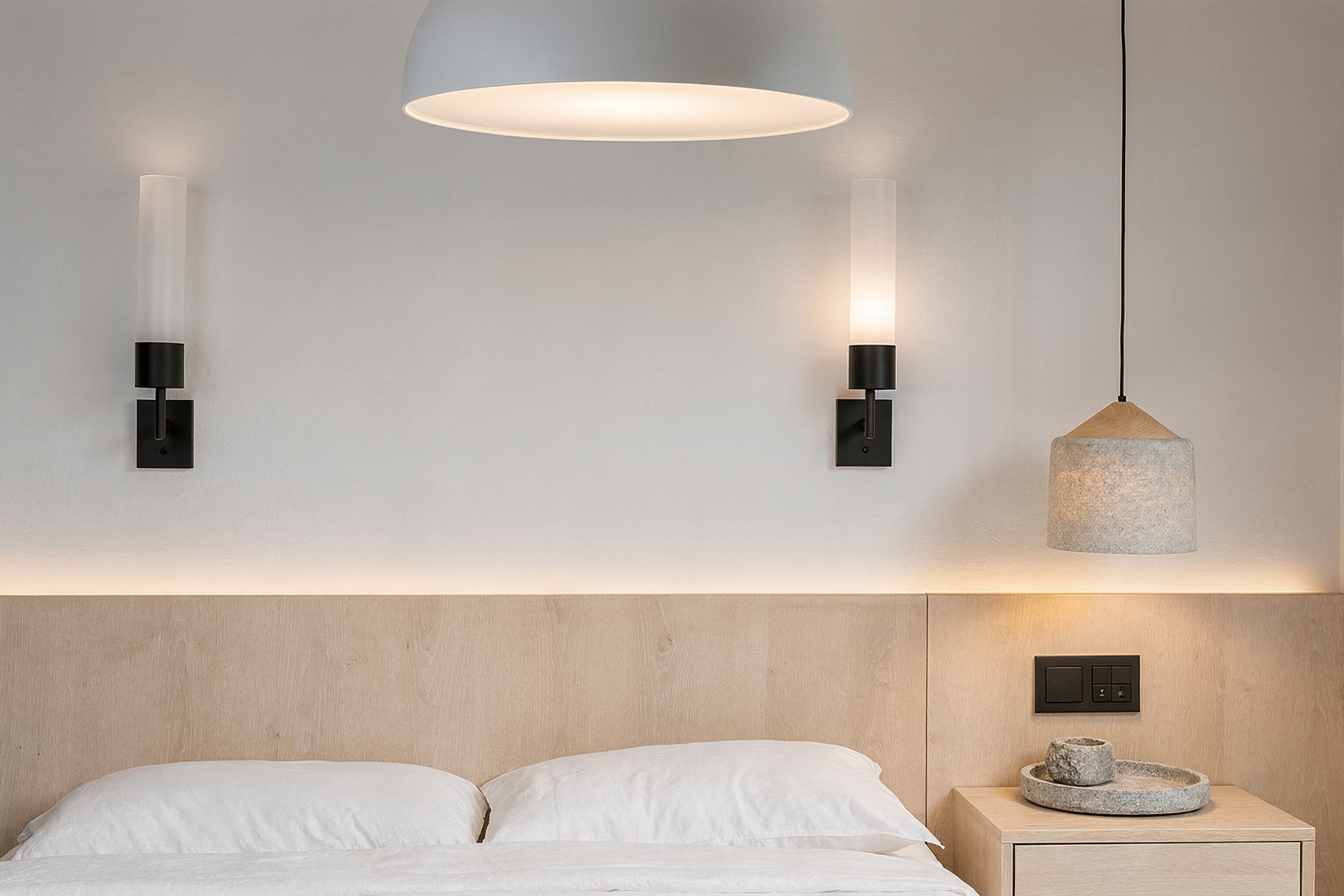
Before diving into specific fixture types or styles, it’s important to set clear standards for what your bedroom lighting needs to do. A layered lighting approach means balancing three main functions: ambient, task, and accent lighting.
Ambient lighting is the general, overall light that fills the room, usually via ceiling fixtures. It should be soft and flattering rather than harsh, creating a calm backdrop. Task lighting is more focused and bright, suited to activities like reading or dressing; bedside lamps or adjustable sconces excel here. Accent lighting highlights architectural details or decor, adding depth and warmth.
Focus also on dimmability and bulb warmth — look for warm white tones (2700K to 3000K) that keep a relaxed mood. Think about control methods: dimmers or layered switches let you adjust light based on what time it is or what you’re doing. And lastly, consider scale and proportion to avoid overpowering the space or leaving it underlit.
Bedside Lamps That Combine Style and Functionality
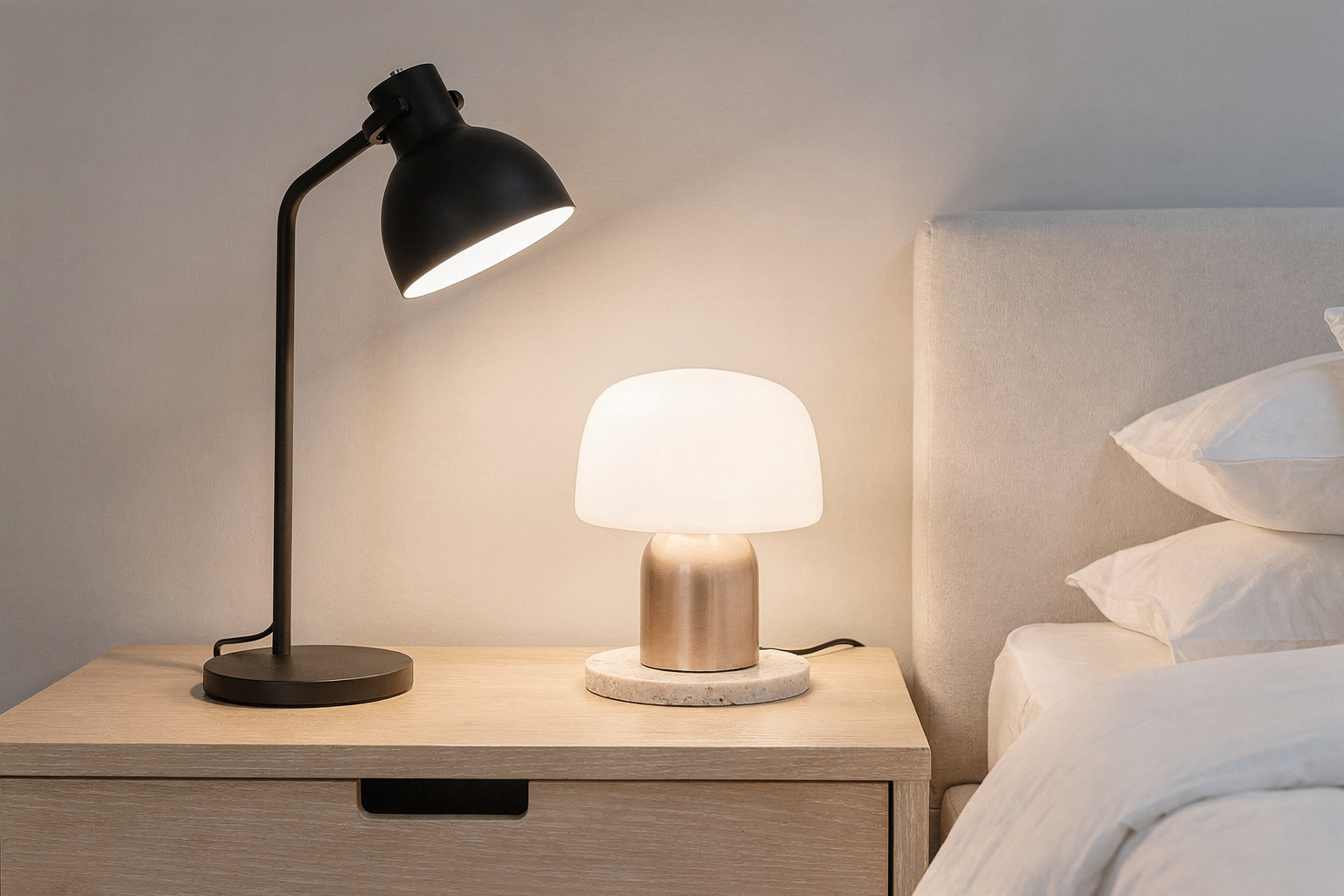
One of the easiest and most versatile lighting choices for a bedroom is the bedside lamp. These task lights provide direct illumination for reading without flooding the room in light. Choosing a lamp with a fabric shade in neutral tones helps soften the glow and adds texture.
Visually, bedside lamps act as style anchors on your nightstands, offering opportunities to bring in contrasting materials like warm brass, matte ceramics, or natural wood for interest. In rooms with simple or neutral color palettes, these lamps introduce subtle pattern or warmth without cluttering the aesthetic.
To apply this at home, pick lamps that complement your bed frame and linens — for example, if you have a wooden bed, a ceramic lamp base adds tactile contrast. Lamps with adjustable arms or dimmers give you more control. Keep cords tidy and, if you can, match lamp heights on each side for visual balance. This layered approach puts function first without sacrificing style.
Comparing Pendant Lights and Wall Sconces for Ambient Layering
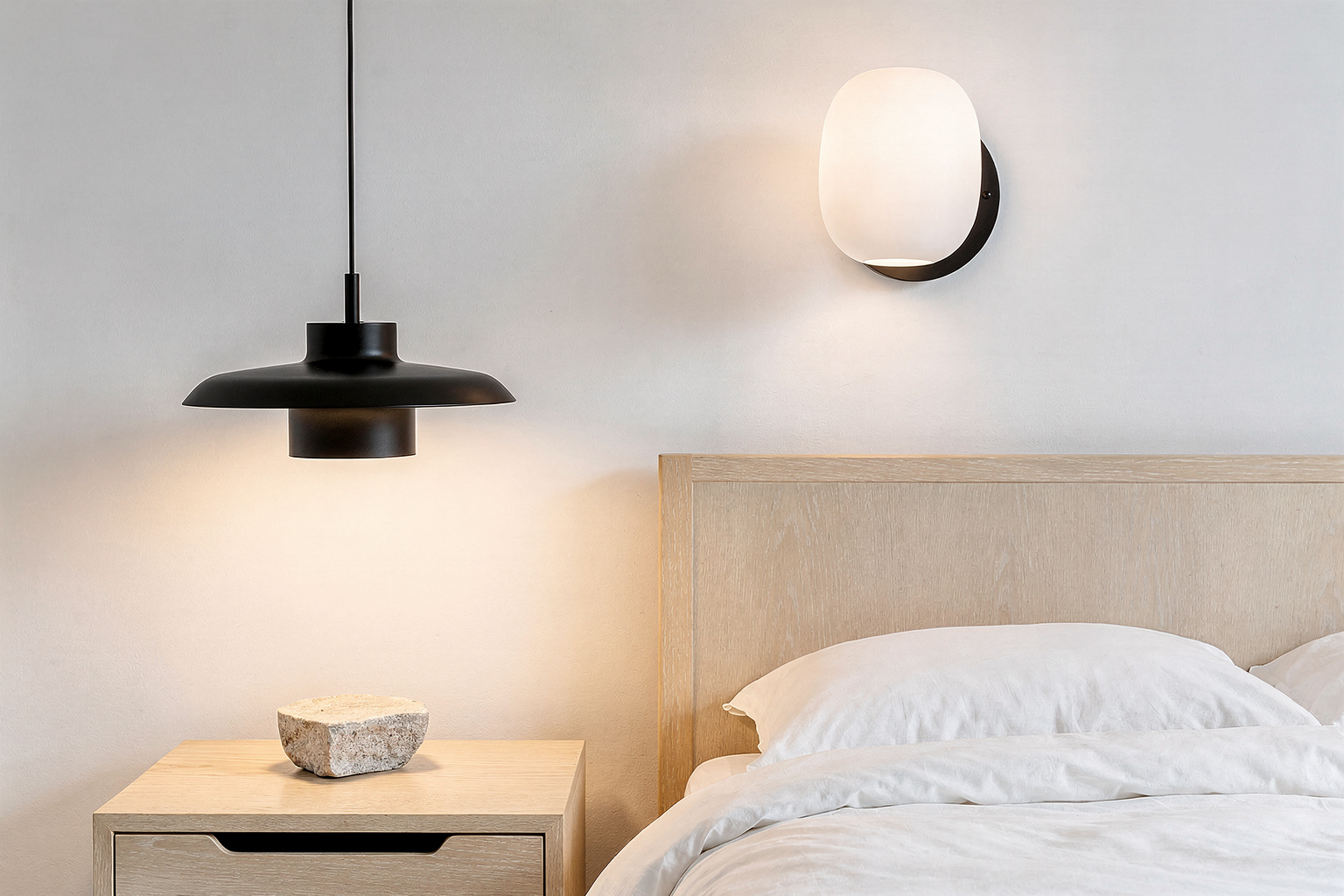
For the broader ambient layer, many bedrooms benefit from a central overhead fixture — but the shape and placement can change the feel dramatically. Pendant lights bring visual weight and often serve as a design statement, especially when hung low over bedside tables or a seating area.
Wall sconces, on the other hand, free up nightstand space and add soft pools of light with a sculptural touch. They’re excellent for narrow bedrooms or where surface space is at a premium. The key comparison is about flexibility and spatial arrangement.
Pendents with semi-opaque glass or fabric shades soften natural daylight similarly to bedside lamps, fostering a visual connection. In contrast, sconces can highlight wall texture or artwork, broadening layered interest. For modern spaces with clean lines, sleek metal or matte finishes often work best; for cozy, eclectic rooms, look for warmer tones like aged brass or rattan. Both options benefit from dimmability to adjust intensity.
Matching Lighting Choices to Bedroom Size and Layout
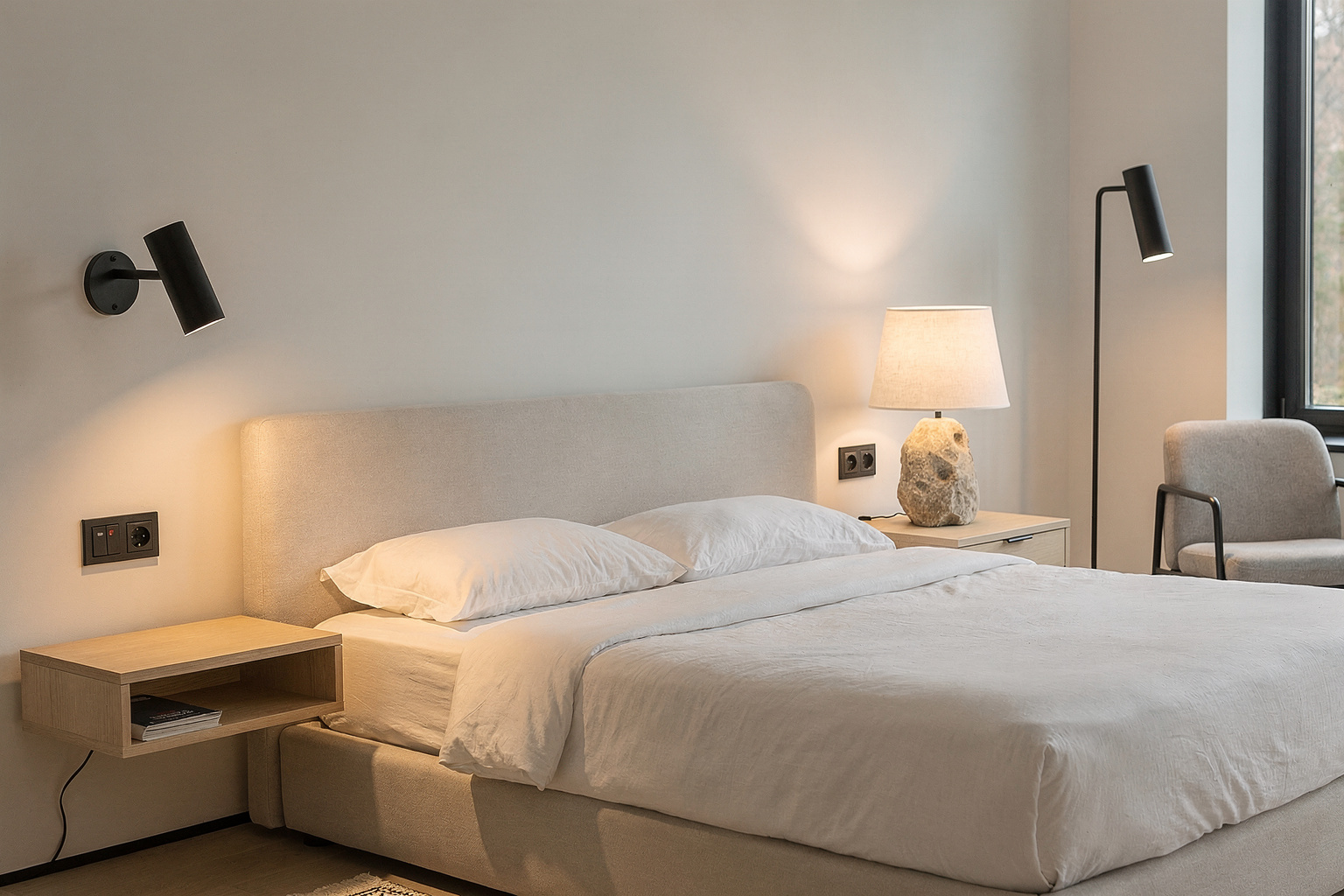
The size and shape of your bedroom naturally guide lighting decisions. A large master bedroom, for example, can handle multiple layered sources including chandeliers or oversized pendants paired with table lamps and floor lamps, creating zones of light.
Smaller bedrooms call for compact but flexible lighting — think adjustable wall lamps or slim-profile floor lamps. Consider how natural light enters: if one side floods in daylight, you might want softer, indirect lighting on the dark side to balance the mood.
Budget matters too, and layering lets you mix a high-impact central fixture with more affordable lamps or sconces that you can update seasonally. Textured materials like woven shades or linen lamp bases add visual warmth without costing a lot, offering quiet luxury.
Always test your lighting ideas in the room at different times of day. Look for layering that avoids shadows or harsh contrasts while keeping each area inviting.
Confident Buying Tips to Narrow Your Bedroom Lighting Options
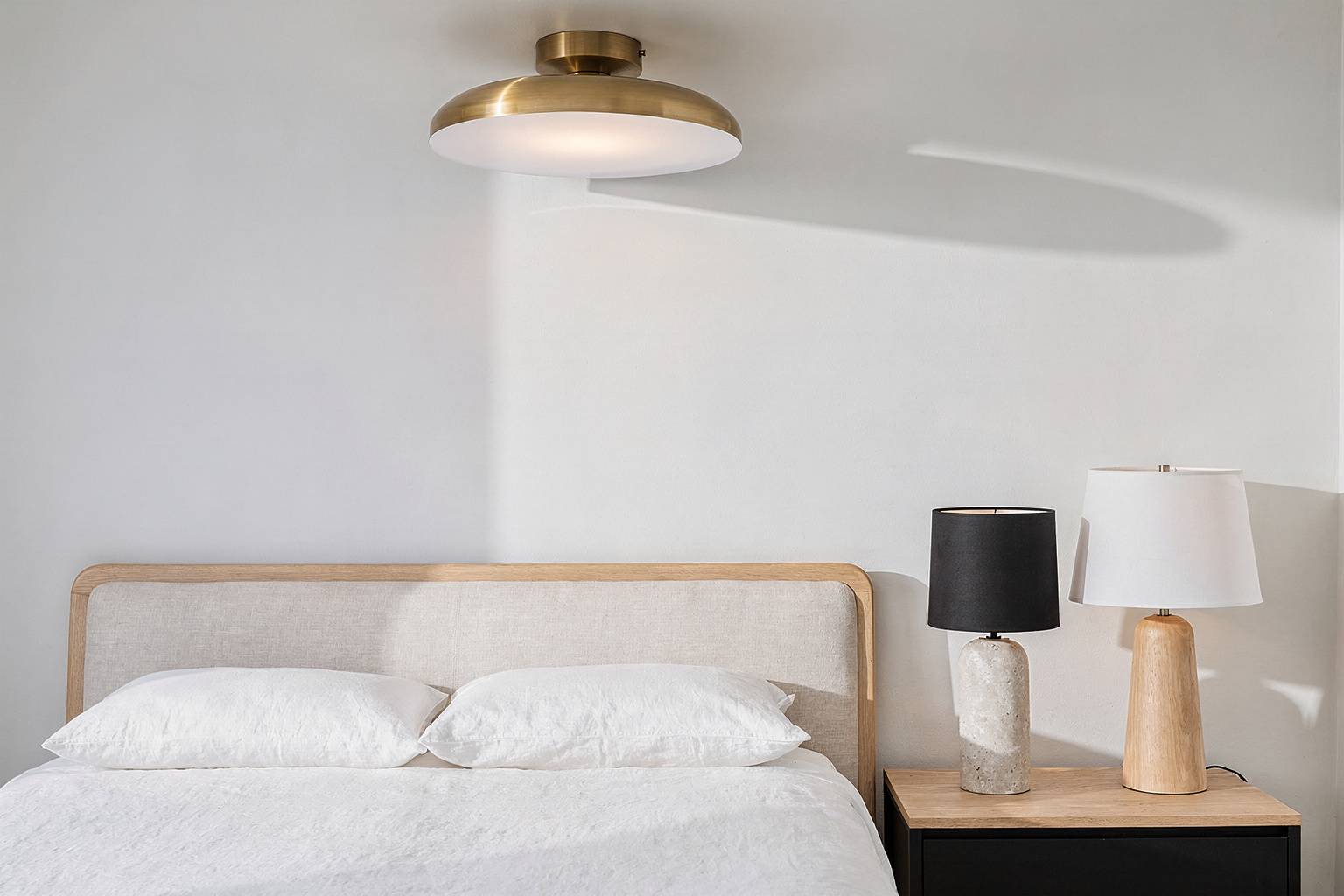
When narrowing down your lighting choices, prioritize fixtures with adjustable brightness or bulbs compatible with dimmers. This flexibility is foundational for a bedroom’s multiple uses. Select shades or finishes that work with your existing materials – mixing matte and glossy surfaces gives rooms depth.
Evaluate scale: avoid oversized fixtures in small rooms that overwhelm the space or tiny lamps in large rooms that feel lost. Consider how each piece will work together visually, and choose warm white bulbs for cohesion.
Don’t rush into a single “perfect” fixture. Think of bedroom lighting as collected layers, not one central piece. Investing in a good bedside lamp and an adjustable overhead light will often pay off more than a single expensive fixture. Testing a few affordable lamps or experimenting with placement before committing can save time and expense.
Finding pieces that balance comfort, function, and aesthetics makes your bedroom feel lived-in and personal. With solid criteria and thoughtful layering, you’ll create light that welcomes you every time you enter the room.
Frequently Asked Questions
What color temperature is best for bedroom lighting?
Warm whites between 2700K and 3000K are ideal as they create a cozy and relaxing atmosphere conducive to winding down.
How many layers of lighting should a bedroom have?
Typically, three layers—ambient, task, and accent—cover all needs and moods effectively without cluttering the space.
Can I use only bedside lamps instead of ceiling lighting?
While bedside lamps provide focused light, having some ambient ceiling light helps avoid an overly dim room and provides balance.
How do I avoid bedroom lighting mistakes?
Avoid harsh overhead lighting without dimming, mismatched fixture scale, and neglecting to layer your lights for different activities.
Are smart bulbs worth it for bedroom lighting?
Smart bulbs offer great flexibility with dimming and color temperature adjustments, making them a practical upgrade for layered lighting setups.
Choosing the best lighting for a bedroom confidently comes down to understanding your room’s size, style, and how you use the space. Layered lighting—combining ambient, task, and accent sources—is the key to blending function and visual comfort. Start by defining your needs clearly, then mix in bedside lamps, overhead options, and the right finishes to build a soft, flexible glow that feels as good as it looks. This approach helps your bedroom become a calm, well-lit refuge that adapts gracefully from morning routines to nighttime relaxation.