
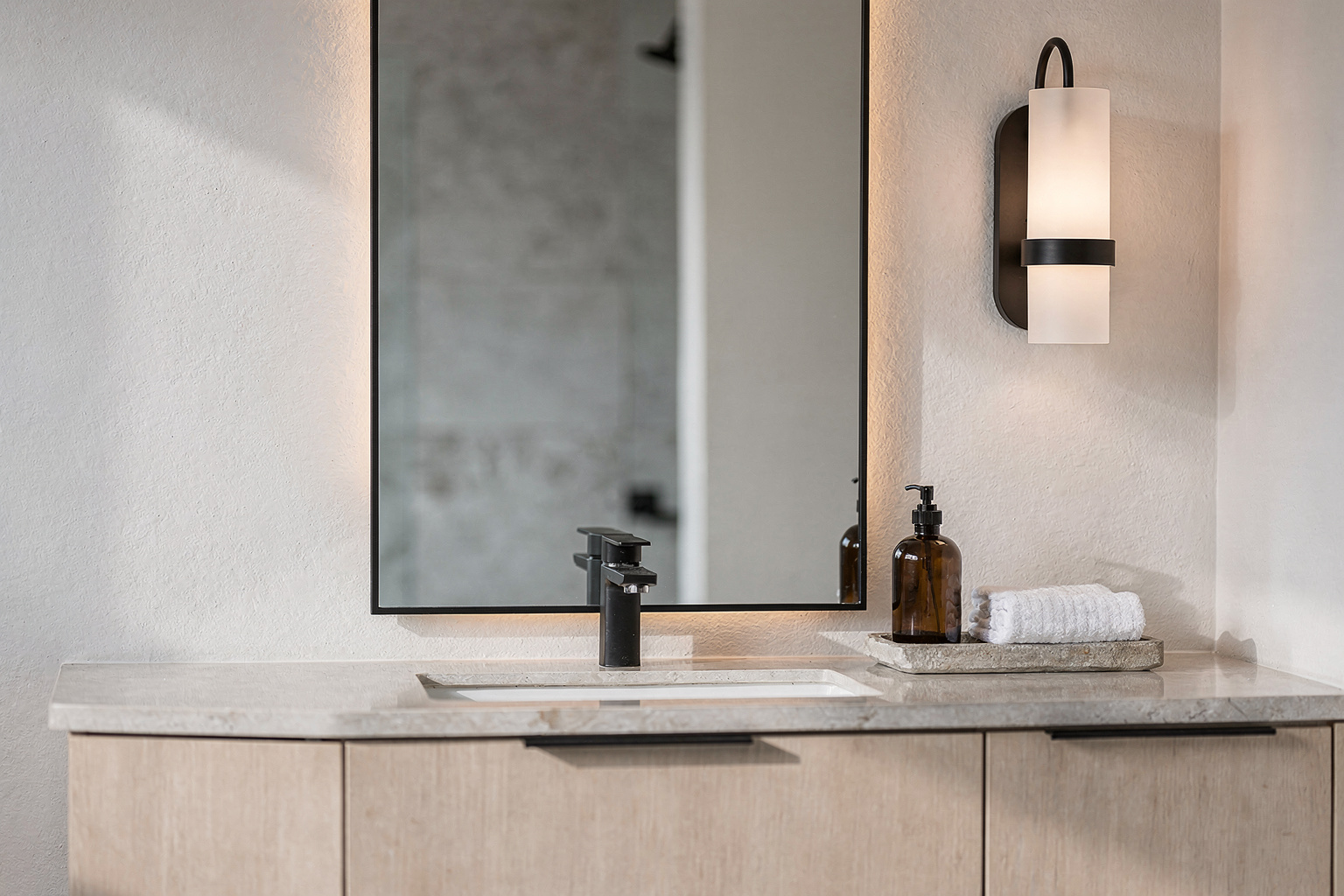
Choosing the best lighting for a bathroom is often more challenging than it first appears. Bathrooms demand a careful balance of functionality and atmosphere, where clarity at the mirror, ambient calm, and a hint of warmth all coexist. The layered lighting trend answers this complexity gracefully. It asks us to think beyond a single overhead lamp and instead combine sources—general, task, and accent—to create a balanced, adaptable space. These layers not only improve light flow but contribute subtle texture and depth that feels intentionally designed, not just assembled.
Layered lighting requires a thoughtful approach to materials, placement, and proportions, attentive to the room’s scale, finishes, and daily use. In this guide, we’ll explore key selection criteria, consider popular material families, compare fixture types, and discuss matching lighting to your bathroom’s unique context. Finally, you’ll find practical advice for narrowing your choices with confidence and style, avoiding common mistakes along the way.
The Key Criteria for Choosing Effective Bathroom Lighting
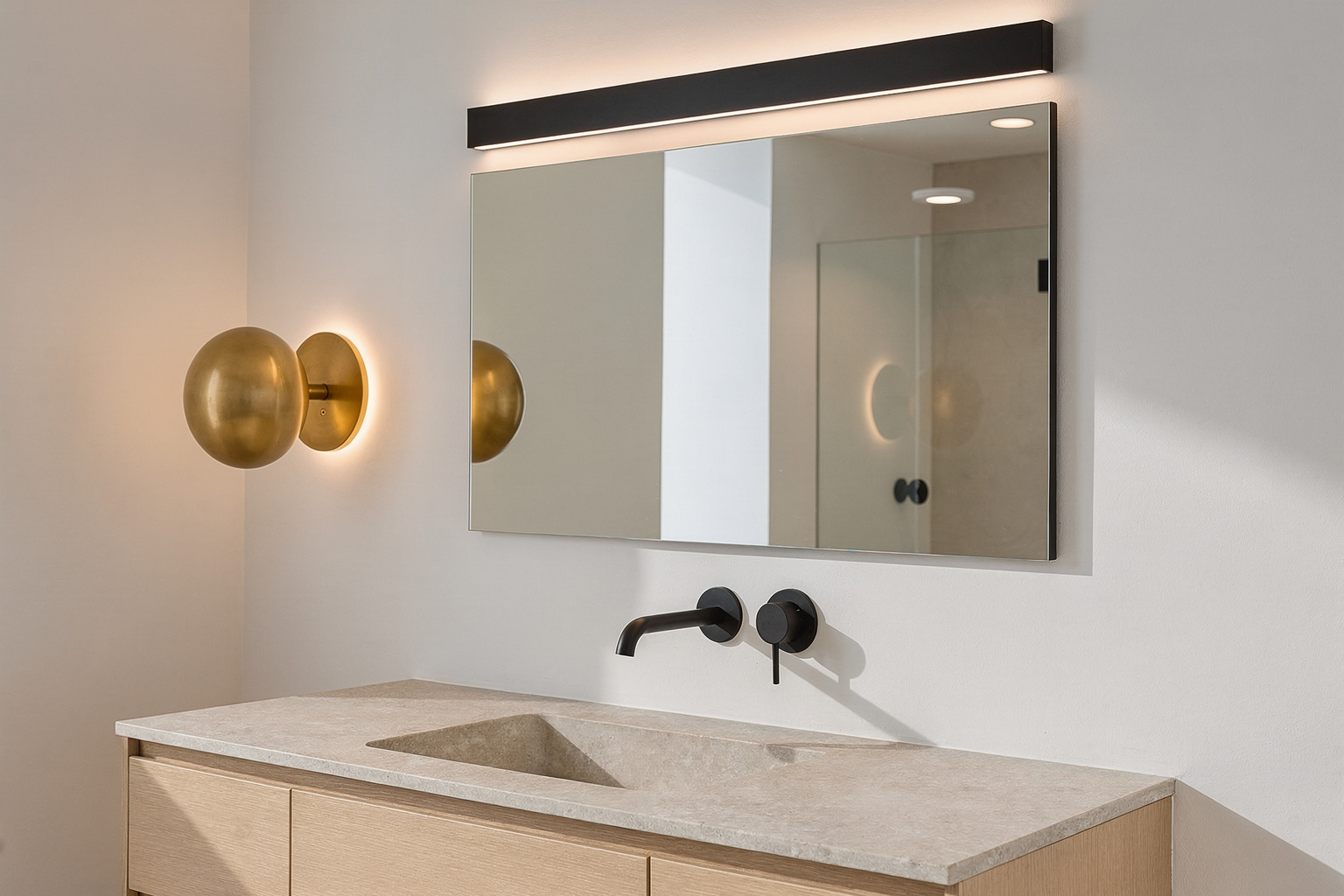
Before diving into fixture styles or materials, prioritize standards that ensure your bathroom lighting is both practical and beautifully nuanced. First, color temperature matters tremendously. A soft, warm white light (around 2700K–3000K) works best for layered lighting because it flatters natural skin tones without harshness or glare. Second, consistent color rendering, measured as CRI (Color Rendering Index), should be high—ideally 90 or above—to accurately reveal colors.
Proportionally, bathroom fixtures must fit the room’s dimensions: overpowering lights in a small space will feel harsh, while too-subtle fixtures can leave the room dim and awkward. Layered lighting means combining bright, clear overhead illumination with closer, softer sources like sconces and subtle accent lights. Materials should harmonize with the bathroom’s existing palette — matte black or brushed bronze fixtures add grounding contrast on stone or oak, while soft linen shades diffuse light gently.
Lastly, waterproof and moisture-resistant ratings for fixtures are essential for long-lasting function and safety in humid bathroom environments. These combined standards form the foundation of any resilient and attractive layered lighting plan.
Warm Metals and Natural Shades: A Classic Layered Lighting Combination
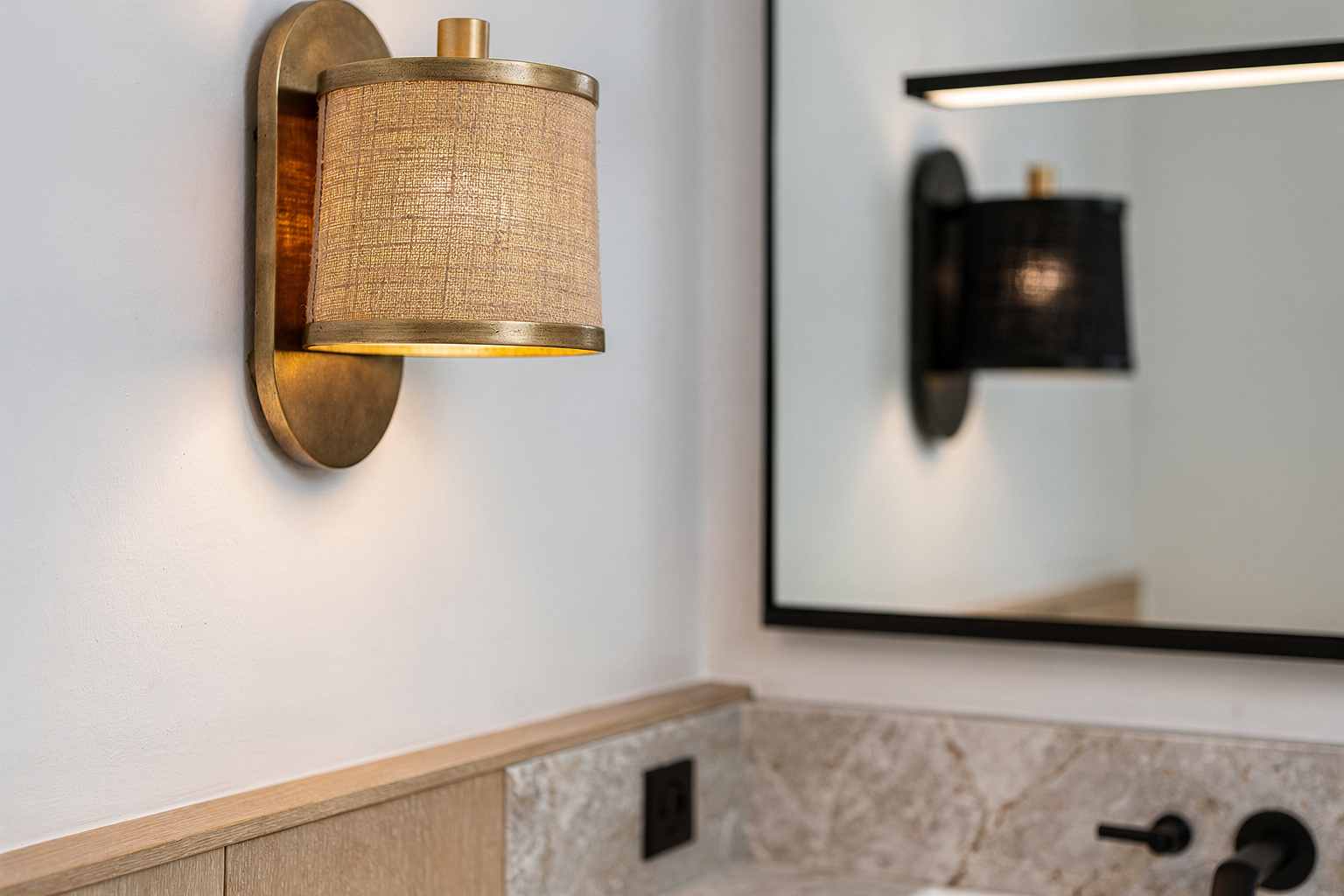
One enduring option for layered bathroom lighting is the pairing of warm metallic finishes with natural linen or glass shades. These materials perform beautifully when mixing general, task, and accent lighting. For example, brass or bronze sconces with soft linen diffusers soften the light throw at face level, perfect for mirror illumination, while matching warm-toned recessed lights provide balanced ambient glow.
This choice works particularly well in bathrooms where oak accents, stone counters, and matte ceramics create a grounded, textural backdrop. The warmth of metals contrasts subtly with stone’s coolness, enhancing the layered effect visually and practically. Linen shades filter light in a way that is flattering yet diffuse, avoiding sharp shadows.
When placing sconces or vanity lamps, mount them at eye level and ensure they flank the mirror symmetrically for balanced illumination. Avoid oversized shades that overwhelm small counters; instead, opt for proportions that feel intimate yet purposeful. This natural materials and warm metal duo fosters a quiet, timeless mood.
Integrated LED Fixtures: Modern Control Meets Subtle Layering
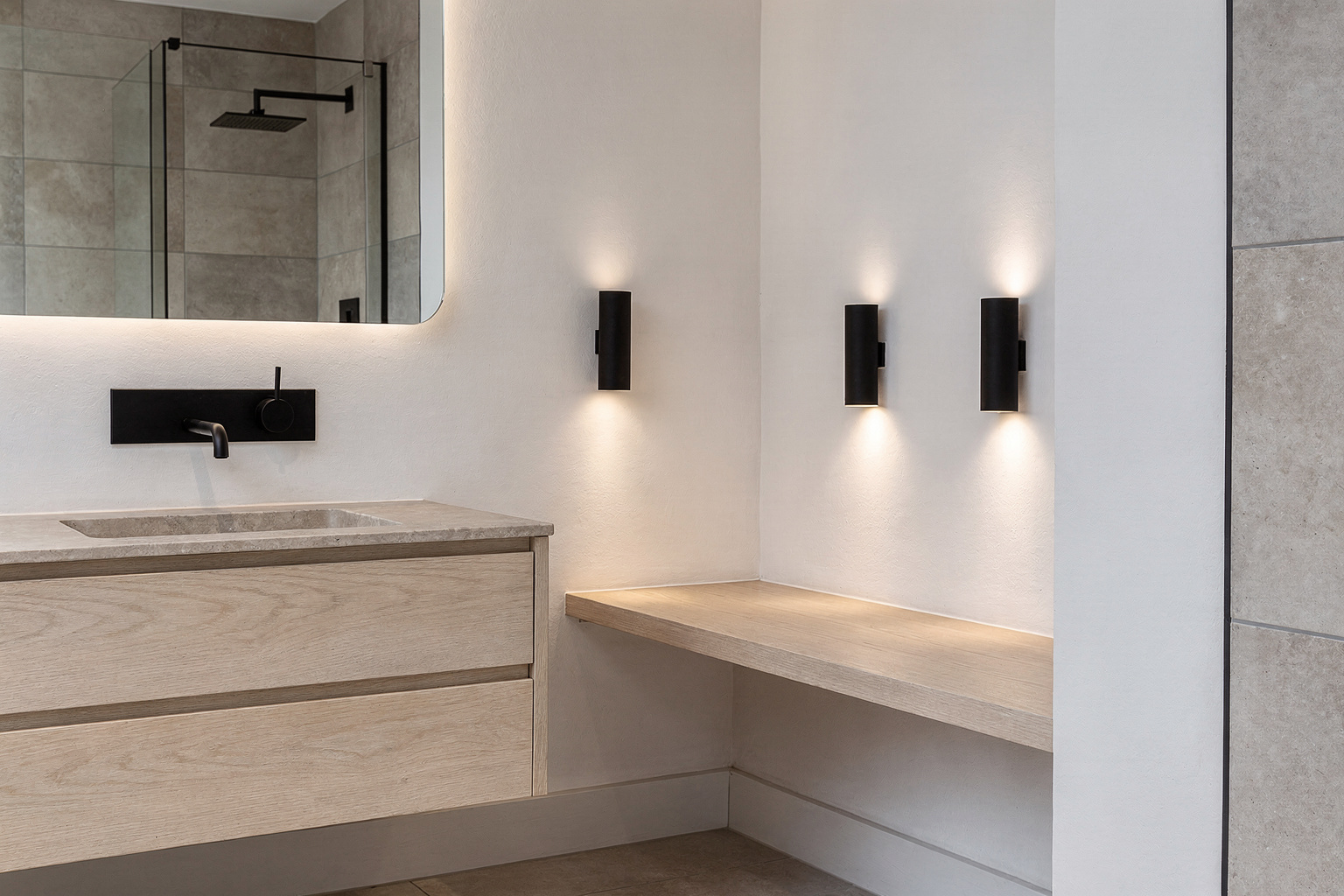
In contrast, integrated LED fixtures offer sleek, low-profile lighting that can be precisely layered without visual clutter. Thin recessed lights or LED strip lighting hidden under vanities or behind mirrors yield soft ambient layers that expand perceived space and add a subtle luxury.
LED technology provides excellent color temperature control and energy efficiency, making it ideal for sustaining a calm, warm palette without compromise. Ambient downlights paired with LED wall washers or diffused vanity lights can be dimmed independently, allowing customization for morning routines or evening relaxation.
Stylistically, LED fixtures lean toward modern or minimalist spaces, but still integrate well with natural textures by remaining visually discreet. When using LED strips below cabinets or around mirrors, consider warm white options and translucent diffusers to maintain softness. Installation requires planning—be sure your vanity and ceiling layout support this nuanced layering effectively.
This option suits homes prioritizing clean lines, minimal maintenance, and adaptable mood settings over more decorative fixtures.
Matching Lighting Choices to Bathroom Size and Layout
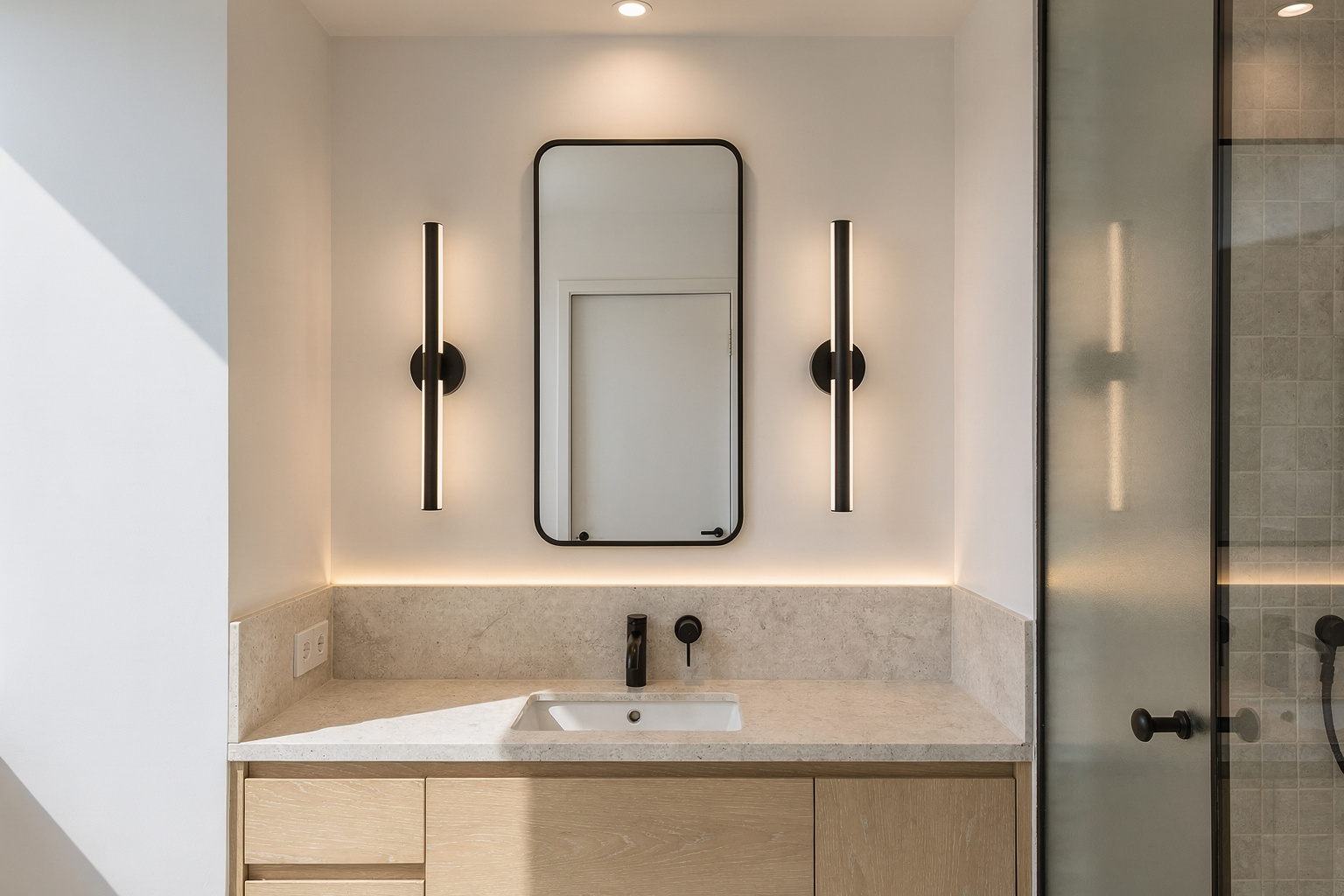
The best lighting for a bathroom also depends on its size, layout, and overall style context. Small bathrooms benefit from layered lighting arrangements that avoid bulky fixtures but maximize light flow. Compact sconces paired with well-placed downlights keep illumination balanced without overcrowding the room’s volume.
For larger bathrooms, layering opens possibilities to introduce multiple scales of light: a statement pendant or chandelier can become an accent layer over soaking tubs or freestanding vanities, complementing both ceiling downlights and practical wall lamps. This mix adds dimension and a collected feel without sacrificing utility.
Budget considerations guide material and fixture choices as well. Matte black or bronze-finished sconces provide immediate style impact without needing large numbers of costly fixtures. Combining them with modest LED downlights can keep layered lighting achievable and elegant within tighter budgets.
Consider how natural daylight enters and flows through your bathroom; layers should augment, not compete with this light source. For bathrooms facing shaded courtyards or having small windows, stronger task layers and subtle accents ensure steady clarity and warmth.
Practical Steps to Narrow Your Bathroom Lighting Selections
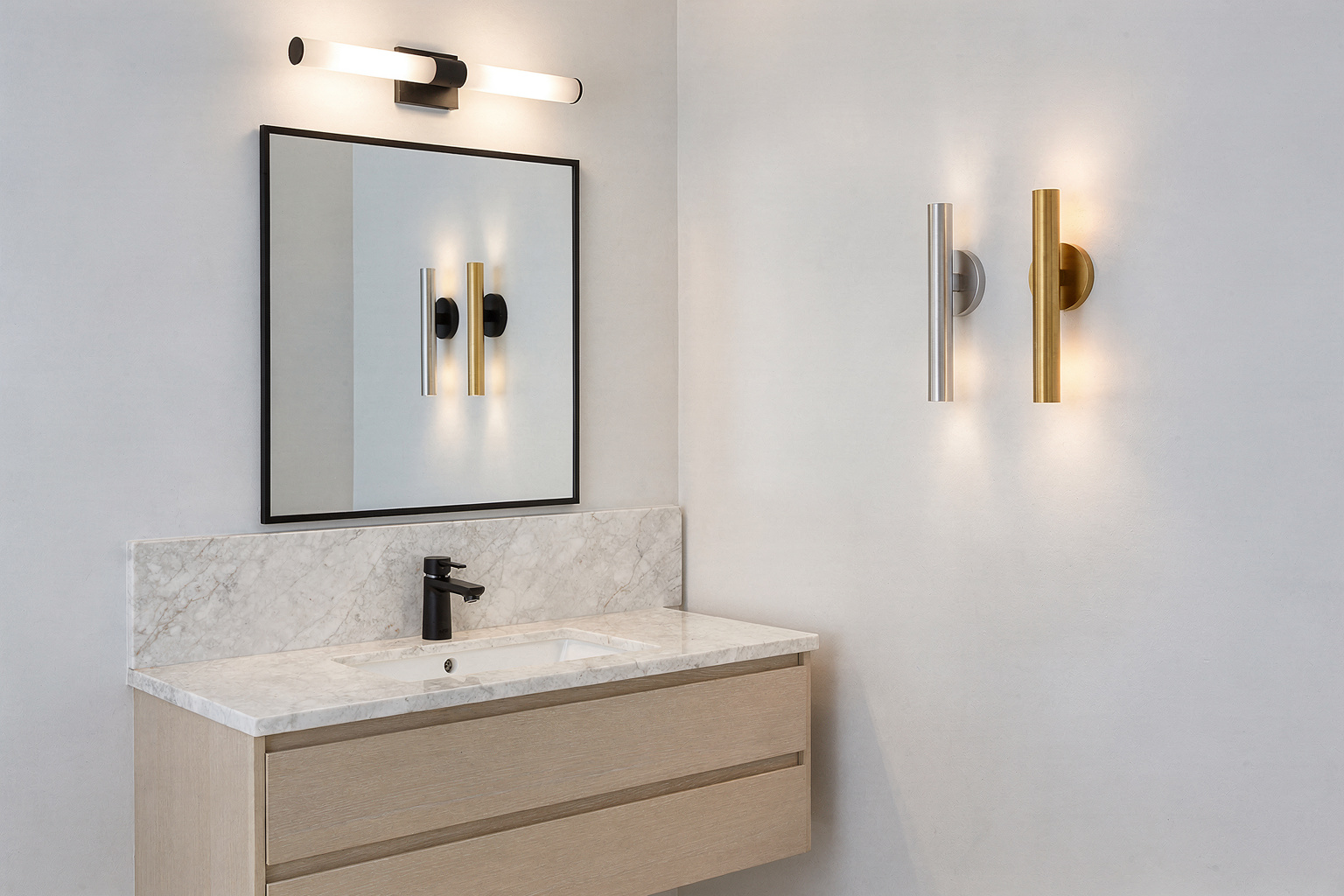
To confidently choose among bathroom lighting options, begin by defining which tasks and moods your lighting must support. If daily grooming is a priority, robust yet soft task lighting at the mirror is non-negotiable. From there, identify your style context: do you lean toward natural materials and quiet warmth or sleek, modern minimalism?
Next, map your bathroom’s size and surface finishes to fixture scale and finish. Avoid too-large fixtures in small rooms or overly delicate pieces in large spaces. Prioritize layered solutions that offer dimming or separate controls for each light source, ensuring flexibility.
When shopping, check CRI and color temperature specifications and confirm fixtures are rated for damp or wet locations. Gather samples or swatches of fixture materials to compare against existing finishes and textiles like stone, wood, or linen.
Finally, visualize your layered scheme before purchase. Sketch positions for overhead, task, and accent lights with their intended light qualities and shadow effects. This clarity will guide you to an elegant, cohesive lighting layout that performs as well as it looks.
FAQ
What’s the ideal color temperature for bathroom lighting?
Aim for 2700K to 3000K, a warm white range that flatters skin tones without harshness.
How high should sconces be mounted beside bathroom mirrors?
Position them approximately 65 to 70 inches from the floor, roughly eye level, to avoid unflattering shadows.
Can I mix metal finishes in bathroom lighting?
Yes, mixing warm metals like bronze with matte black or brushed nickel can add layered texture if done thoughtfully and sparingly.
What’s a common bathroom lighting mistake to avoid?
Relying on a single overhead light that creates shadows and a flat atmosphere—layering light sources avoids this.
Are integrated LED lights suitable for smaller bathrooms?
Absolutely. They provide sleek, efficient lighting without cluttering visual space and allow flexible layering.
Layering bathroom lighting is more than a trend—it’s a thoughtful strategy to enrich texture, light quality, and balance in a vital everyday space. By tuning in to proportion, materials, and thoughtful placement, you can curate lighting that feels both natural and purposeful. Start small by upgrading fixture quality and layering task and ambient light. This layered approach brings quiet warmth and adaptable functionality to your bathroom routine.