
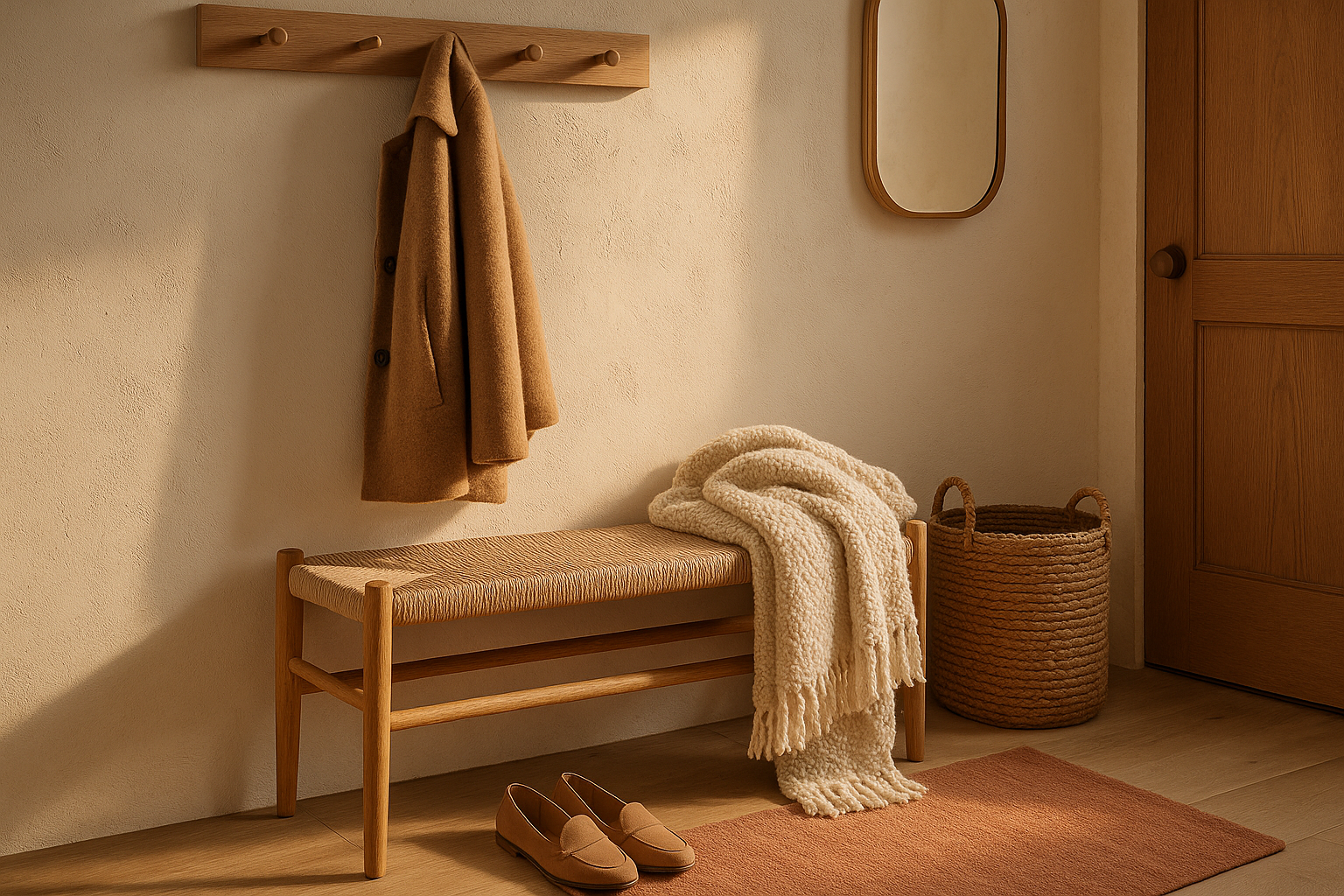
The Scandinavian entryway is often the first impression of a home’s understated warmth—offering a transition from the outside world into a space of calm, light, and natural texture. Yet, this look can easily fall into common traps, especially around the textures that should evoke softness and balance without overwhelming the senses or leaving the space cold and sparse. When textures aren’t thoughtfully layered and chosen, the entryway risks feeling either uninviting or cluttered, losing the quiet warmth and visual harmony Scandinavian style aims for.
This guide walks through the key texture mistakes often made in Scandinavian entryways and offers clear, realistic fixes rooted in the principles of natural materials, proportion, and light flow. By the end, you’ll recognize how to style your entryway with approachable sophistication, layering texture thoughtfully to invite both comfort and clarity.
Mistake 1: Neglecting Base Texture with Bare or Hard Flooring
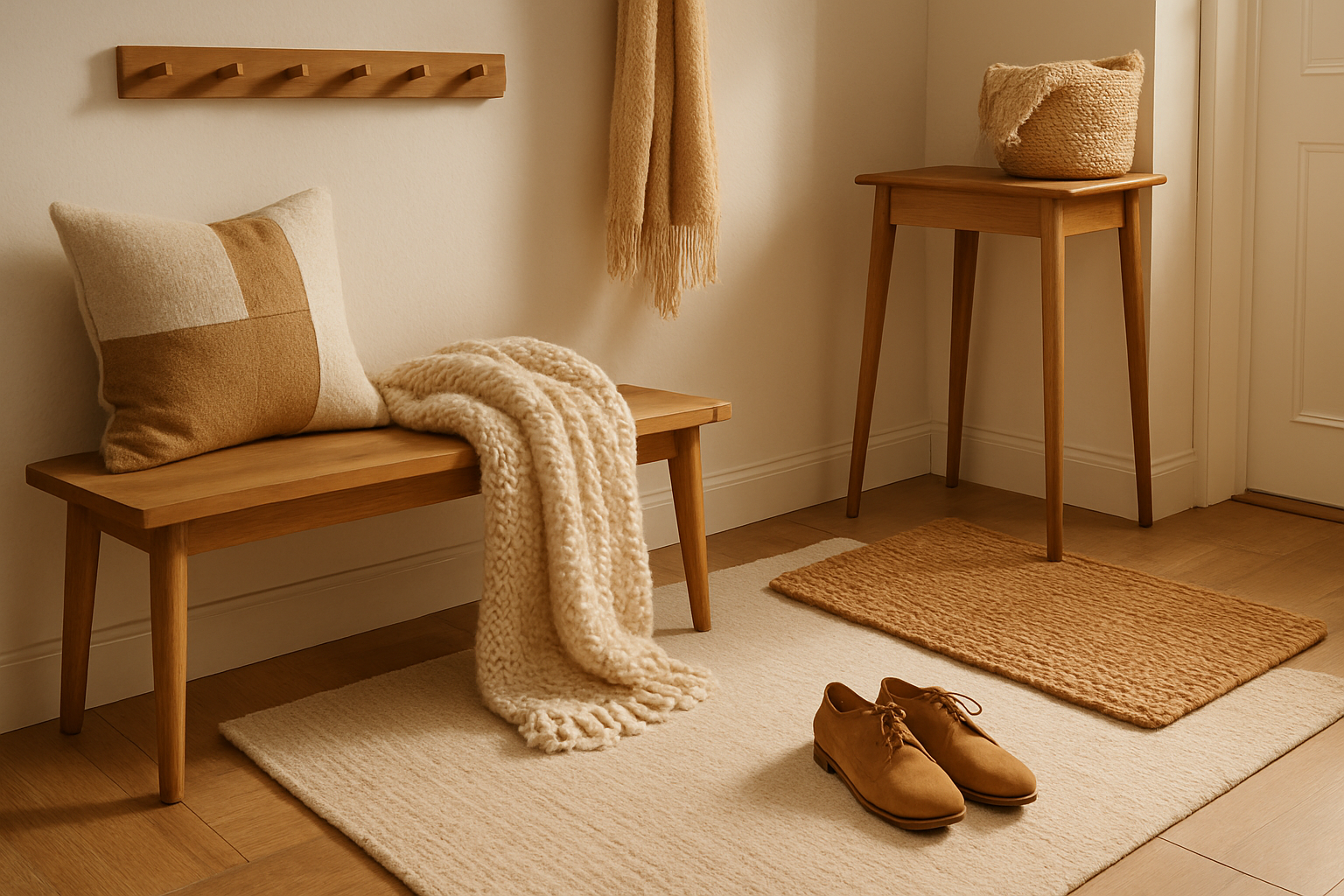
A common oversight is leaving the floor utterly bare or with minimal surface texture, like a thin mat that doesn’t anchor the space visually. Scandinavian entryway style relies on tactile warmth to soften typically hard surfaces like stone or timber floors. Without a deliberate textural base, the entry can feel cold and disconnected from the rest of the home’s cozy rhythm.
Why this matters: Flooring texture grounds the room and provides visual warmth underfoot. Natural fibers like wool or jute rugs soften hard surfaces and add an inviting layer that complements oak or stone elements common in Scandinavian design.
Practical fix: Introduce a low-pile wool rug or a handwoven jute runner sized for your entry. The rug’s muted earth tones—think soft greys, sand, or oat neutrals—should harmonize with existing materials. Ensure the rug is proportionate; it should neither crowd the space nor look lost on the floor.
By anchoring your entryway with a tactile, natural-fiber rug, you create a welcoming base that starts the layering process with visual and physical warmth.
Mistake 2: Overloading with Heavy or Clashing Textiles
While layering textures is essential, too many dense or conflicting textures immediately erase the tranquil, airy feel this style prizes. Thick velvet cushions, shaggy faux fur throws, and dense synthetic rugs can overcrowd a small entryway, creating visual noise and awkward bulk.
Why this matters: Scandinavian interiors focus on lightness and simplicity in texture—favoring softness that doesn’t compete for attention but invites touch and keeps the flow fluid.
Practical fix: Edit your textiles to a coherent palette of natural fibers—linen cushions on a bench, a soft wool throw, or a woven seagrass basket for storage. Stick to simple textures that add subtle contrast without disrupting the calm visual balance.
Reserve heavier textures like sheepskin or plush velvets for bedrooms or living areas where bigger, softer statements feel more appropriate.
Mistake 3: Mixing Unrelated Material Textures That Disrupt Cohesion
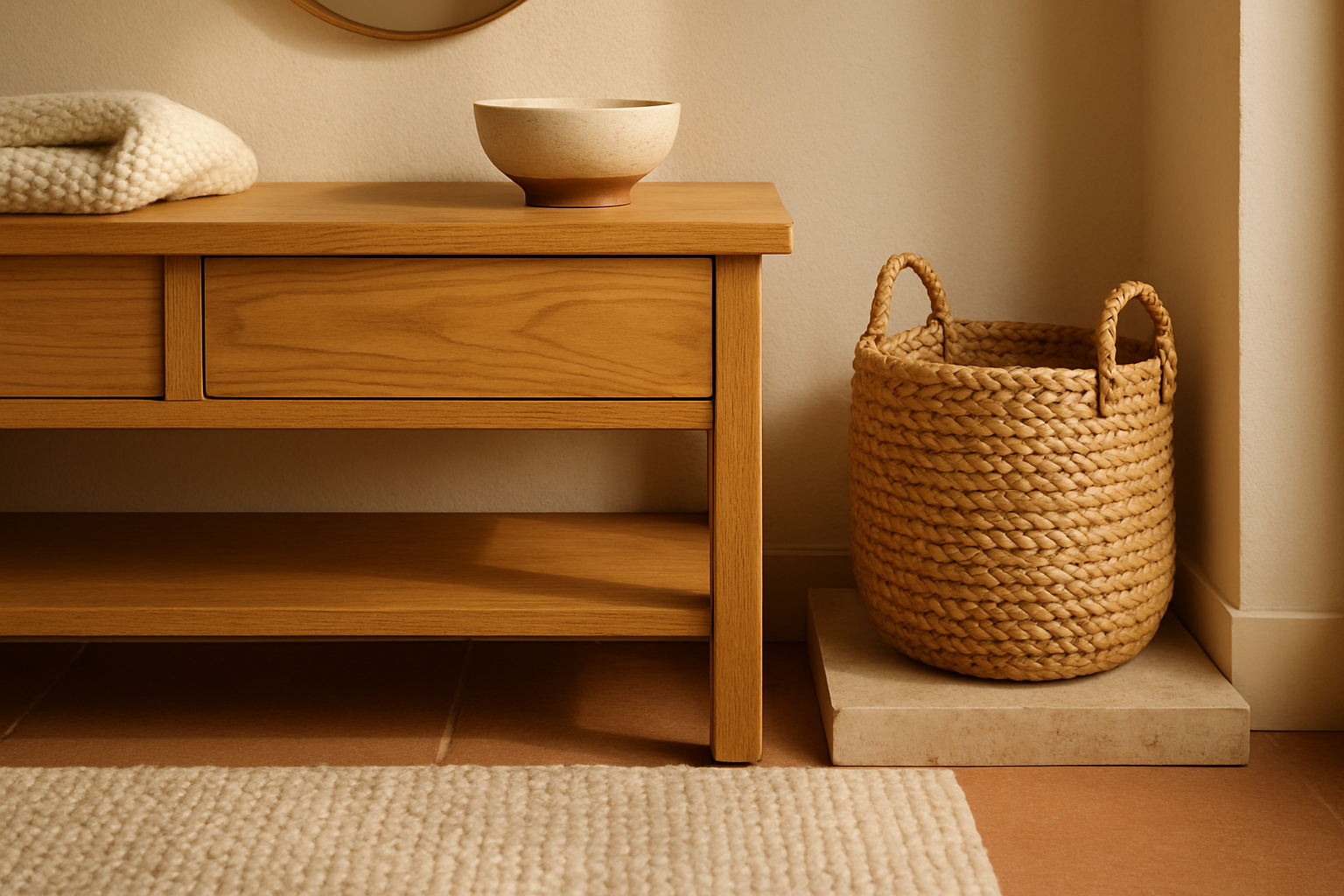
It’s tempting to add interest by layering diverse materials, but when synthetic plastics, glossy metals, and harsh textures sit alongside soft natural fibers, the entryway’s calm can fracture. Mismatched textures that clash visually disrupt the layered but unified feel essential to Scandinavian entryway decor.
Why this matters: The beauty of this trend lies in a fluid but deliberate mix of textures—linen, oak, wool, stone, and clay—that feel pulled together, not random or chaotic.
Practical fix: Choose storage and seating with natural wood like oak or birch, woven baskets in seagrass or rattan, and linen cushions or wool rugs. Limit metal accents to matte finishes in warm tones or brushed steel rather than shiny chrome. Avoid plastic baskets or synthetic mats that undermine the natural material palette.
The goal is a quiet texture conversation—each element supporting the other rather than competing.
Mistake 4: Using Oversized or Heavy Textures That Disrupt Light and Space
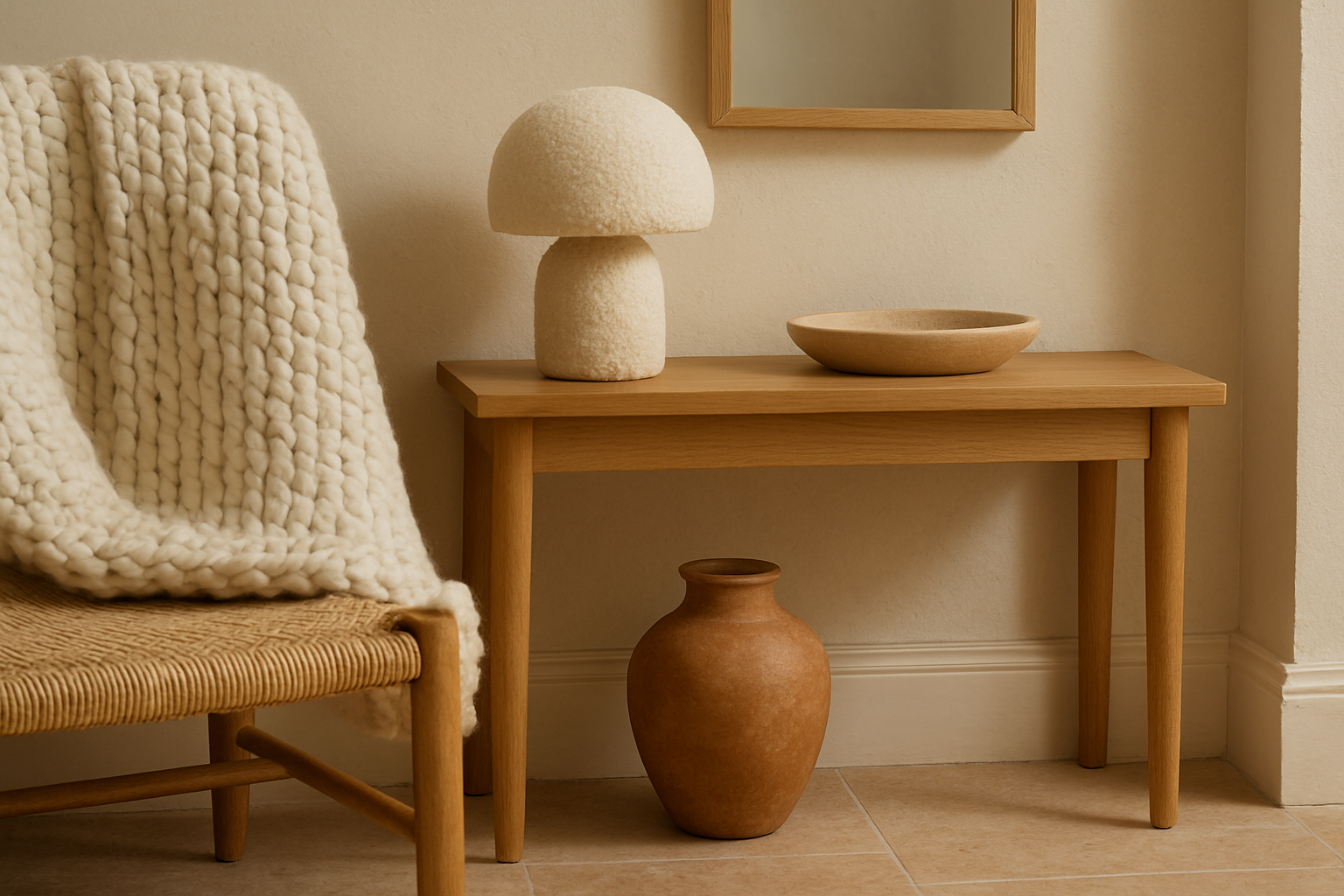
Entryways are often compact, so introducing oversized or bulky textiles can impede the flow of natural light and make the room feel cramped. For example, a large, fluffy rug that covers the entire floor or a storage basket that occupies excessive floor space throws off spatial balance.
Why this matters: Scandinavian style embraces light flow and spatial economy. Textures should enhance—not block—these qualities.
Practical fix: Choose rugs sized to leave a margin of visible flooring around edges, allowing light to bounce and helping the entry feel airy. Opt for flat-weave or low-pile rugs that appear visually light. For storage, select slim-profile baskets or open wood shelves rather than bulky bins.
Keep scale and proportion in mind: a delicate linen cushion on a bench feels balanced, but an oversized padded seat in a tiny entry overwhelms.
Mistake 5: Skimping on Layered Textures Altogether, Leaving the Entry Cold
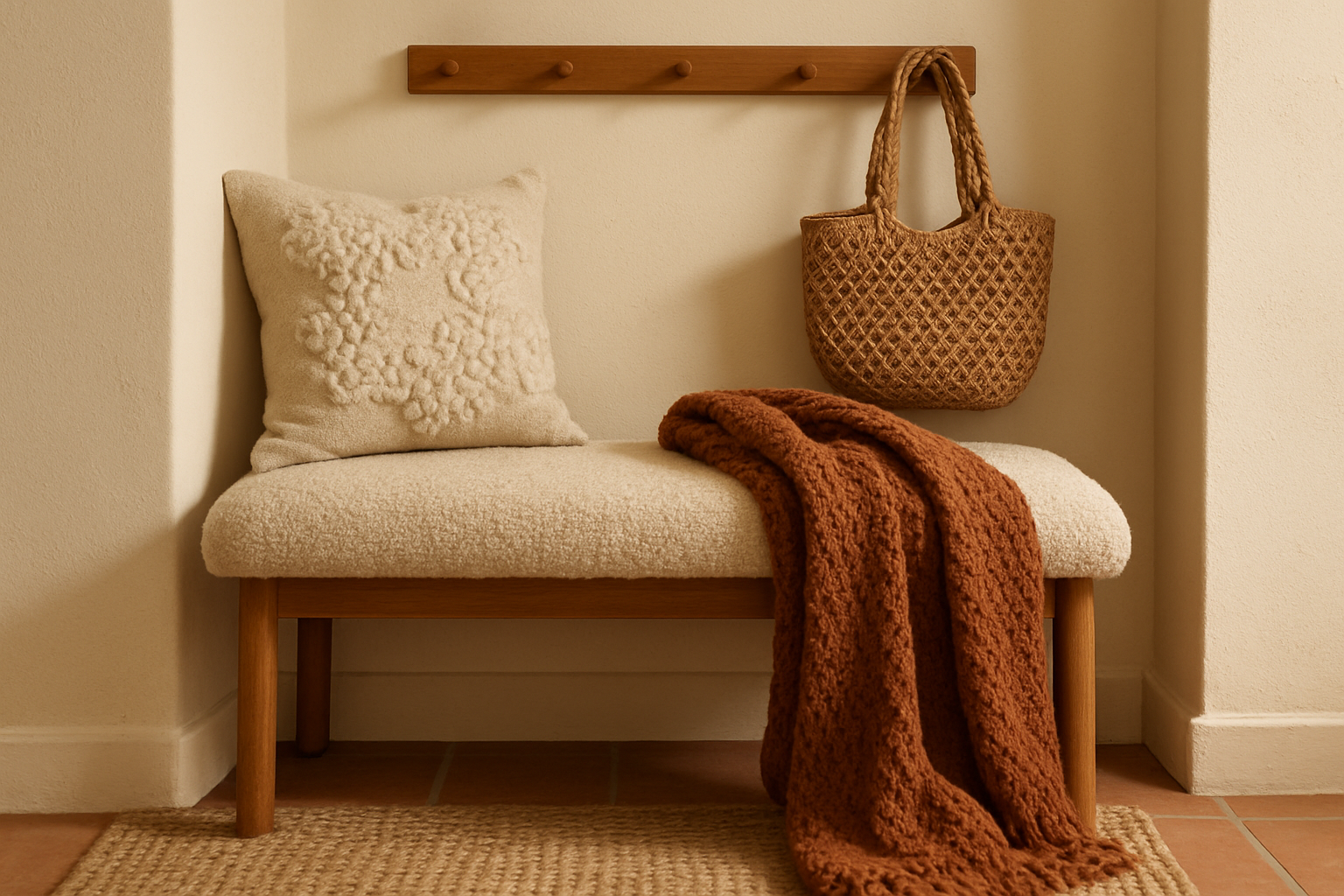
The opposite danger is under-texturing—keeping the entryway too minimal with only smooth surfaces and no complementary soft textures. An all-oak bench, smooth stone floor, and bare walls can feel stark or unwelcoming, lacking the visual depth that soft layers bring.
Why this matters: Scandinavian spaces walk a fine line between minimalism and warmth. Texture layering adds quiet warmth and makes the entry feel intentionally composed and comfortably lived-in.
Practical fix: Integrate at least three distinct natural textures: a linen cushion on the bench, a wool rug on the floor, woven baskets for bags and shoes, or a clay planter for greenery. Stick with gentle, earthy neutrals so the textures work together softly, never overpowering.
A carefully layered entryway feels curated yet relaxed, tailored to daily life without fuss.
Frequently Asked Questions
What colors work best with natural textures in a Scandinavian entryway?
Soft earthy neutrals like warm greys, muted beige, clay tones, and off-white work beautifully. These tones enhance natural materials and maintain a calm, balanced atmosphere.
How can I keep my entryway feeling light if it’s small?
Use low-pile rugs in light tones, slim-profile furnishings, and avoid overly bulky textiles. Keep floor space visible where possible to support natural light flow.
Are synthetic materials ever appropriate in Scandinavian entryway decor?
They can be, but sparingly. Favor natural materials for key visual elements and accessories, and choose matte, muted finishes if incorporating synthetics for durability.
How many layers of texture should I aim for?
Aim for at least three distinct layers—like wood furniture, a textile rug, and a woven accessory—to create depth without clutter.
Can I mix metals with natural textures?
Yes, but choose matte or brushed metals in warm or neutral tones rather than shiny chrome to keep the palette calm and cohesive.
The biggest texture mistakes in Scandinavian entryways often stem from imbalance—whether from too little texture, too much, or discordant materials that disrupt harmony. When styling your entry, think carefully about layering soft, natural textures in a measured, proportionate way that respects light flow and room scale. A few well-chosen woven baskets, a linen cushion, and a wool rug in soft earthy neutrals all work together quietly but meaningfully.
The most practical first step is to reassess your entry floor and seating area for texture presence and proportion. Adding or editing your rug and textiles with natural fibers typically unlocks warmth and invites a more composed, welcoming feel. Keep your material palette consistent and pared back to maintain that signature Scandinavian balance where every texture matters but none overwhelm. This will create an entryway that not only welcomes guests but feels like a poised, lived-in welcome every day.