
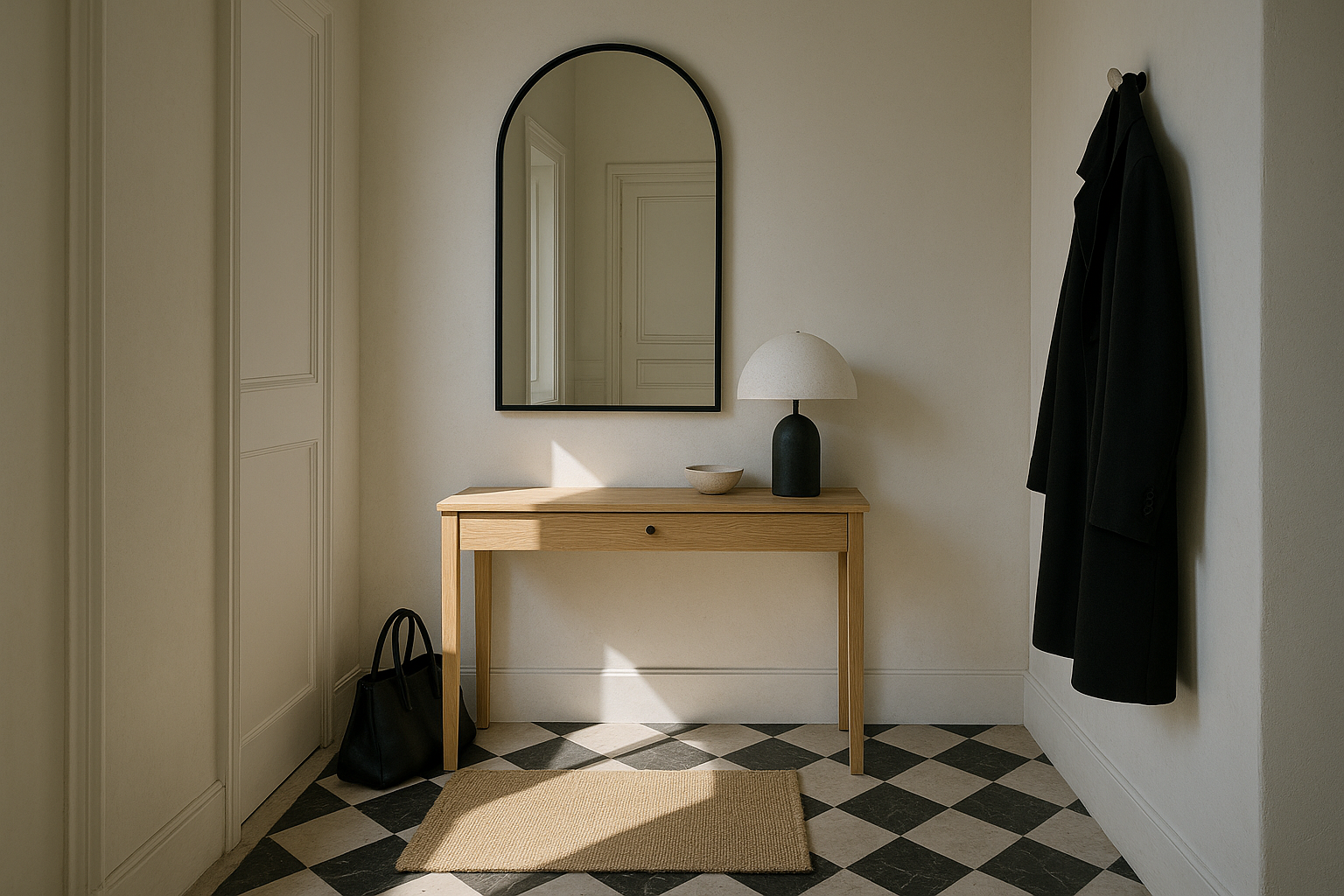
A Parisian entryway effortlessly suggests a welcome invitation to your home — a soft first impression shaped by natural light, well-chosen materials, and textured layers. Yet, this look can easily fall flat or feel disjointed if textures aren’t carefully balanced. The charm of a Parisian entryway lies in its subtle layers of tactile surfaces that feel both timeless and collected, but without planning, it quickly slips toward visual confusion or flatness.
Textures shape how we experience a space—they influence warmth, depth, and flow. For entryways expected to handle practical wear while remaining elegant, the mix needs finesse. This guide highlights common texture mistakes in Parisian entryway decor and offers clear, practical corrections so your space feels composed, inviting, and balanced in everyday life.
Overloading Similar Textures Leading to a Flat Entryway
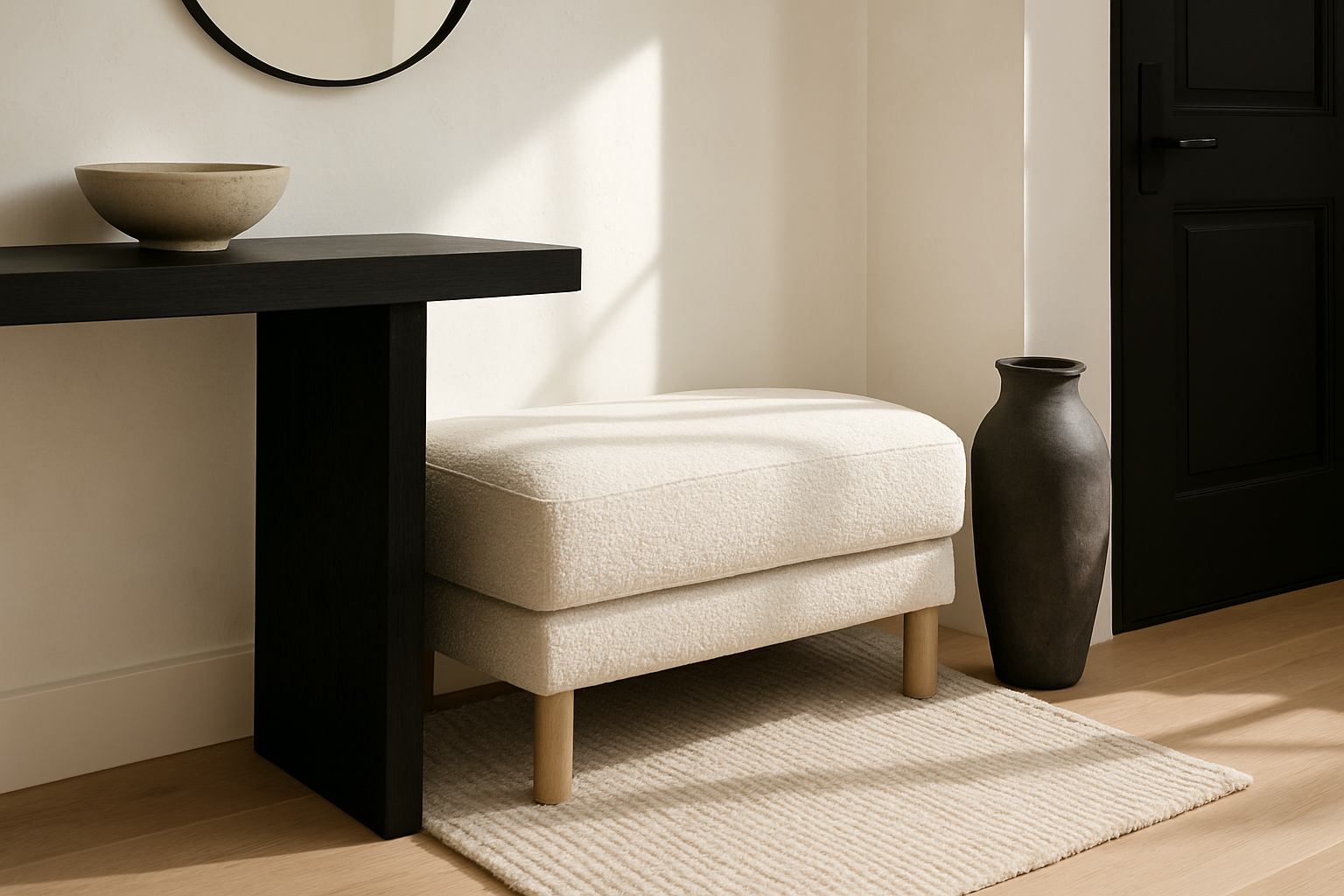
One frequent misstep in Parisian entryway styling is relying too heavily on a single texture, such as layered linens or too much unvaried plaster on walls. While linen or softly plastered walls evoke that quiet, lived-in feel, repeating the same surface without contrast can dull the visual interest and flatten the space.
To fix this, layer complementary textures rather than identical ones. For example, if your walls are smooth plaster in a muted cream, introduce woven baskets in natural rattan or a handwoven wall hanging with slight irregularity. This contrast adds depth without overwhelming the understated palette. The key is gentle variation — a soft oak bench with visible grain next to refined plaster completes the picture more dynamically than one continuous material.
When applying this in your home, consider the scale of each texture to maintain balance. Avoid overusing similar textures on adjoining surfaces; aim for enough difference in tactile quality to create subtle tension and visual layering.
Overusing Textures That Clash with the Parisian Palette
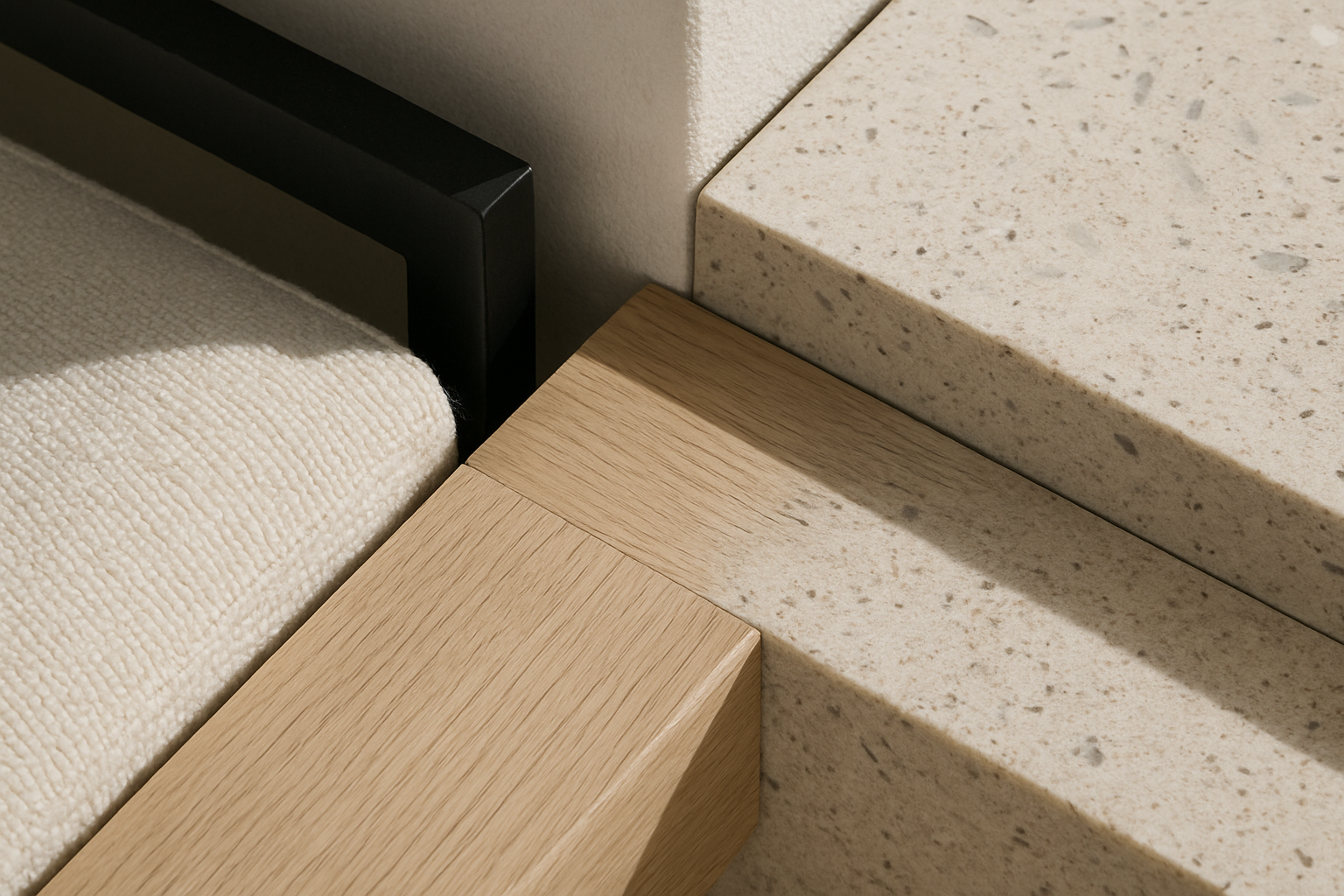
Sometimes the problem isn’t too little texture variation but too much in the wrong way. Glossy metals, heavy velvets, or synthetic weaves can clash with the soft, natural materials typical in Parisian entryways, breaking the calm flow and leaving the space feeling forced.
Here, moderation and restraint work best. If a brass hook is your only metal accent, pair it with matte ceramic pots and raw oak furniture rather than mixing multiple shiny finishes or bold fabrics. The natural palettes of linen, stone, oak, and soft neutrals invite a specific kind of texture harmony that bright or heavy elements disrupt.
Test a new material by placing it next to something tactile and familiar in your entryway—like a stone floor or linen rug. If it visually competes instead of complements, it’s likely an unnecessary stretch for this decor style.
Missing the Subtle Layering that Defines Parisian Entryways
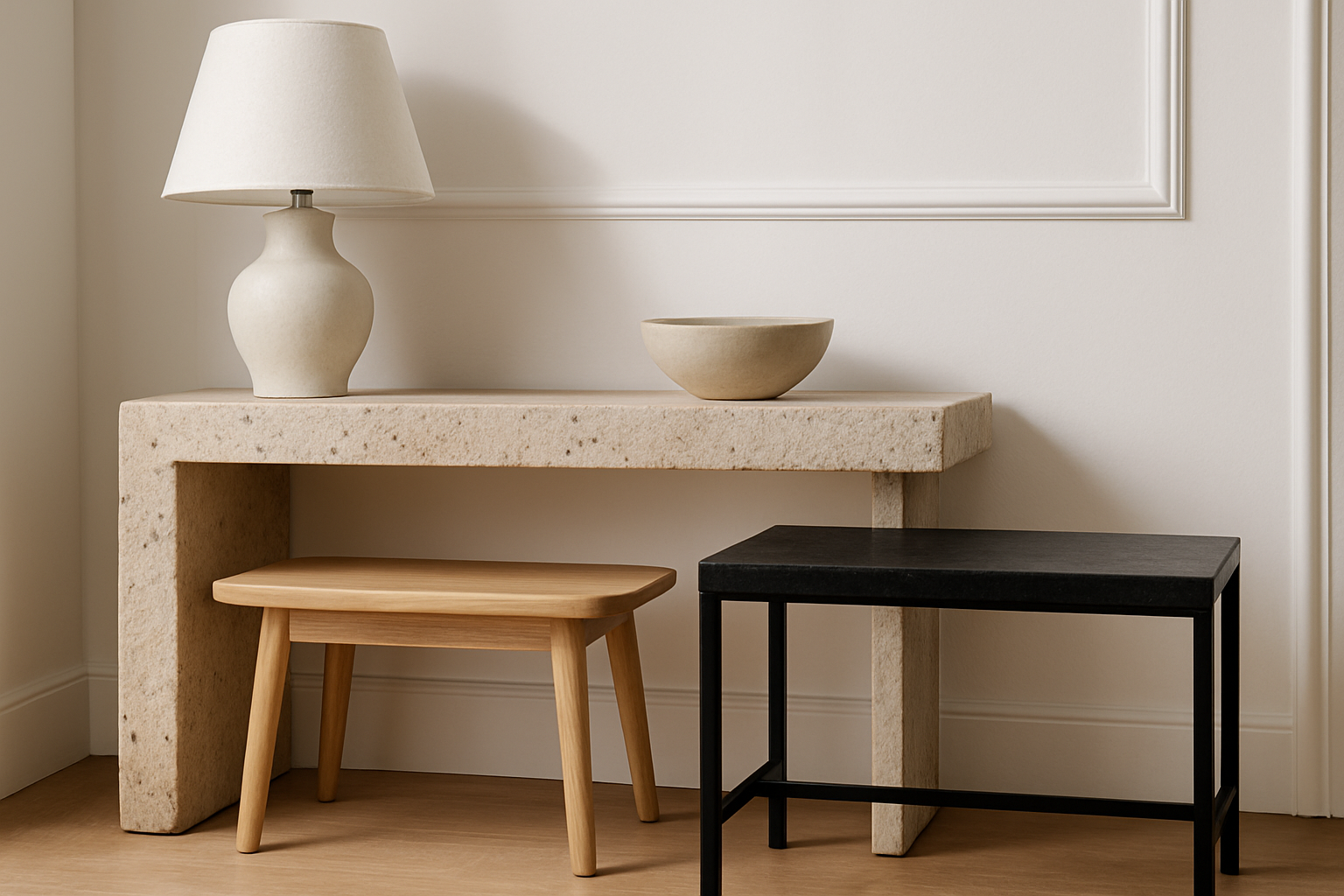
A more understated mistake can be the absence of carefully curated texture layers—placing all textures in the same visual plane rather than staggered heights and finishes. This makes the room feel one-dimensional and rushed.
For instance, pairing a soft linen bench cushion directly on a smooth oak seat doesn’t create enough play, nor does putting a flat mirror against flat walls without textural framing. Instead, elevate softness with layered throw pillows or a light wool blanket casually draped, which contrasts with the oak’s grain and warmth. Surround mirrors with a slim rattan or brassed frame to introduce another tactile element without overpowering.
In practical terms, vary your entryway’s elements vertically and horizontally. Think beyond floor-to-wall and add texture via decor objects like a hand-thrown ceramic vase or a softly fringed throw. This gradual build ensures the space breathes and feels collected rather than assembled last minute.
Skewed Proportions Between Textured Materials That Disrupt Balance
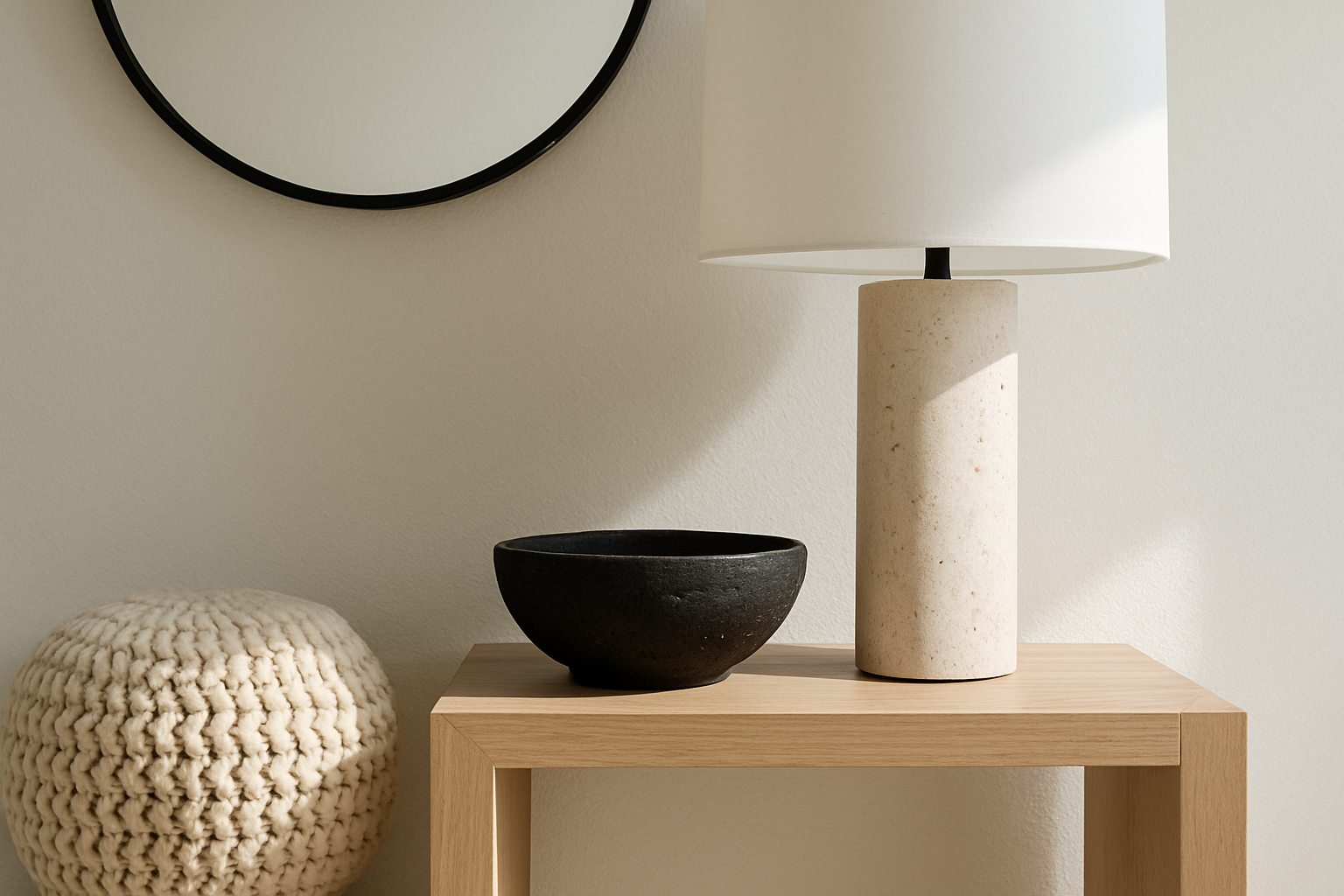
The challenge of proportion in texture is often overlooked. A large-format, rough stone floor will overpower delicate, light textiles if they are too sparse or small. This scale mismatch distracts from the cohesive Parisian mood and leans more toward visual discord.
Balance comes from grounding heavier, dense textures with softer, airy ones that are appropriately sized. For example, place a generous linen runner with a relaxed weave over stone flooring to soften and visually connect the hard surface to lighter accents in upholstery or wall decor.
Likewise, avoid tiny textured accents alone on broad surfaces—they vanish visually and do not anchor the room. If your floor tiles are large and textured, complement them with a bench covered in a plain but softly tactile linen that feels ample rather than cramped.
This equilibrium between texture weight and scale supports natural light reflection and creates flow that’s more true to Parisian entryway style.
Allowing Too Many Contrasting Rough Textures to Create Visual Chaos
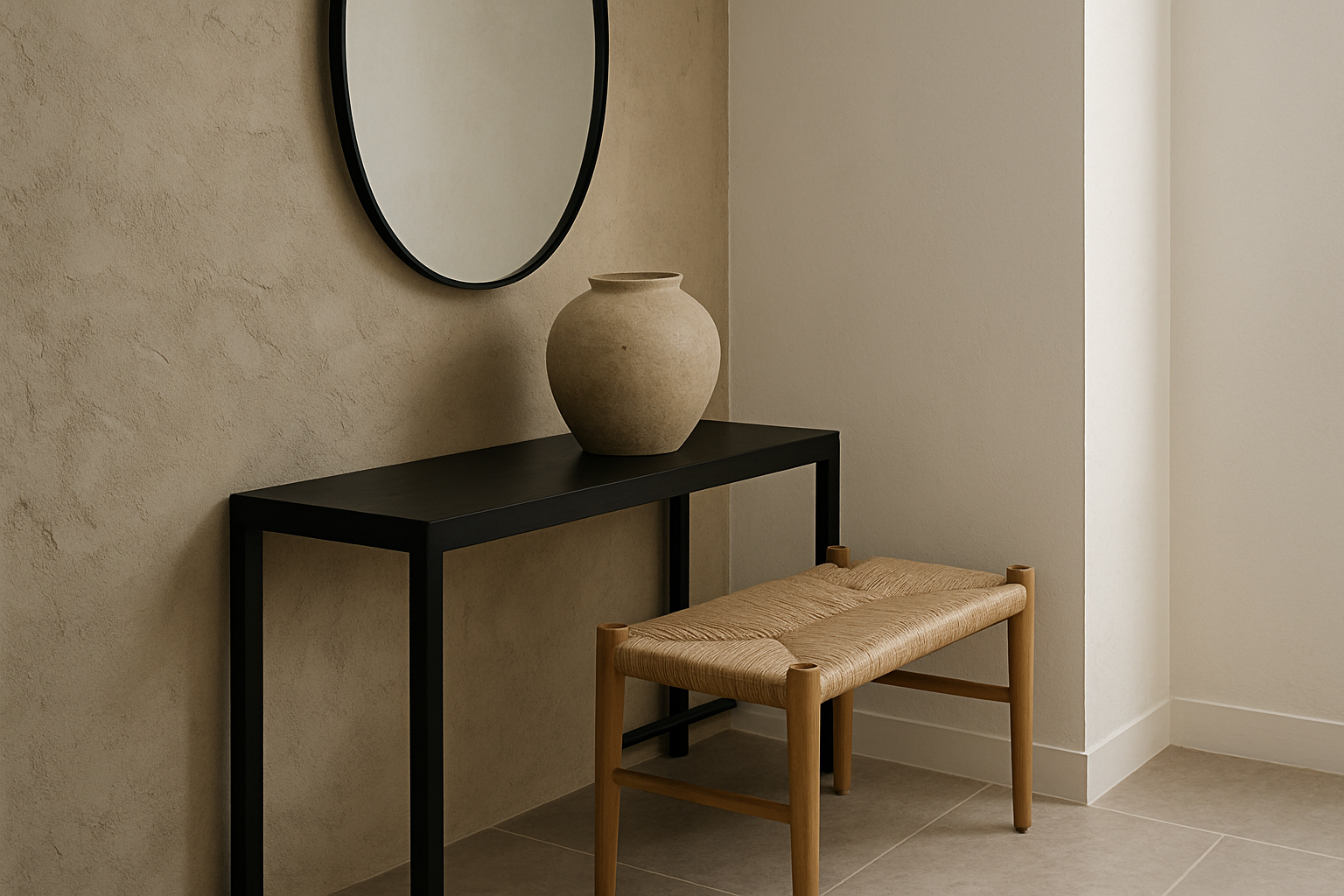
The defining atmosphere of a Parisian entryway is quiet warmth and subtle layering—not a patchwork of disjointed surfaces. Combining too many rough textures—wool rugs, coarse baskets, jagged stone floors, and chunky wood furniture—often steals away the gentle sophistication.
To correct this, introduce soft with rough in well-measured doses rather than piling on every tactile option. For example, pair a coarse woven rug with a polished oak bench and smooth plaster walls rather than adding more rough wood or jagged stone objects.
Think of your space like a natural landscape where each texture embodies a different element—stone, earth, wood, plants—but all interacting harmoniously. Limit rough materials to two or three distinct types, and counterbalance with polished or soft counterparts.
By doing so, your entryway will hold the quiet grace of a Parisian home without tipping into visual noise.
Frequently Asked Questions
What are the key textures to use in a Parisian entryway?
Natural materials like linen, soft plastered walls, oak wood, stone flooring, and woven fibers create a timeless and tactile base.
How do I avoid making the entryway feel cluttered with textures?
Limit the types of rough textures and balance them with smooth or soft finishes. Use layering thoughtfully with varying scale and placement.
Can metallics work in Parisian-style entryways?
Yes, but sparingly. Opt for matte or brushed metals rather than gloss and combine them with natural materials.
How important is proportion when layering textures?
Very important—larger, rougher textures need counterpoints in size and softness to maintain harmony and flow.
Is it necessary to match all textures to the same color palette?
Not exactly, but favoring soft, earthy neutrals and gentle contrasts helps keep the look cohesive and calming.
A Parisian entryway thrives on refined texture balance that feels natural and effortless but requires thoughtful layering and proportion. Avoid flatness by mixing subtle tactile contrasts and steer clear of clutter by restraining overly rough material combinations. Practical fixes—like pairing woven baskets with soft linens or balancing large stone floors with ample light textiles—root this style in everyday reality while maintaining its inviting, elegant character.
Start by observing your current textures and identify where repetition or discord appears. Then introduce subtle variations—whether a new woven accent or adjusting a rug’s size—to bring new layers of quiet warmth and collected ease into your entryway.