
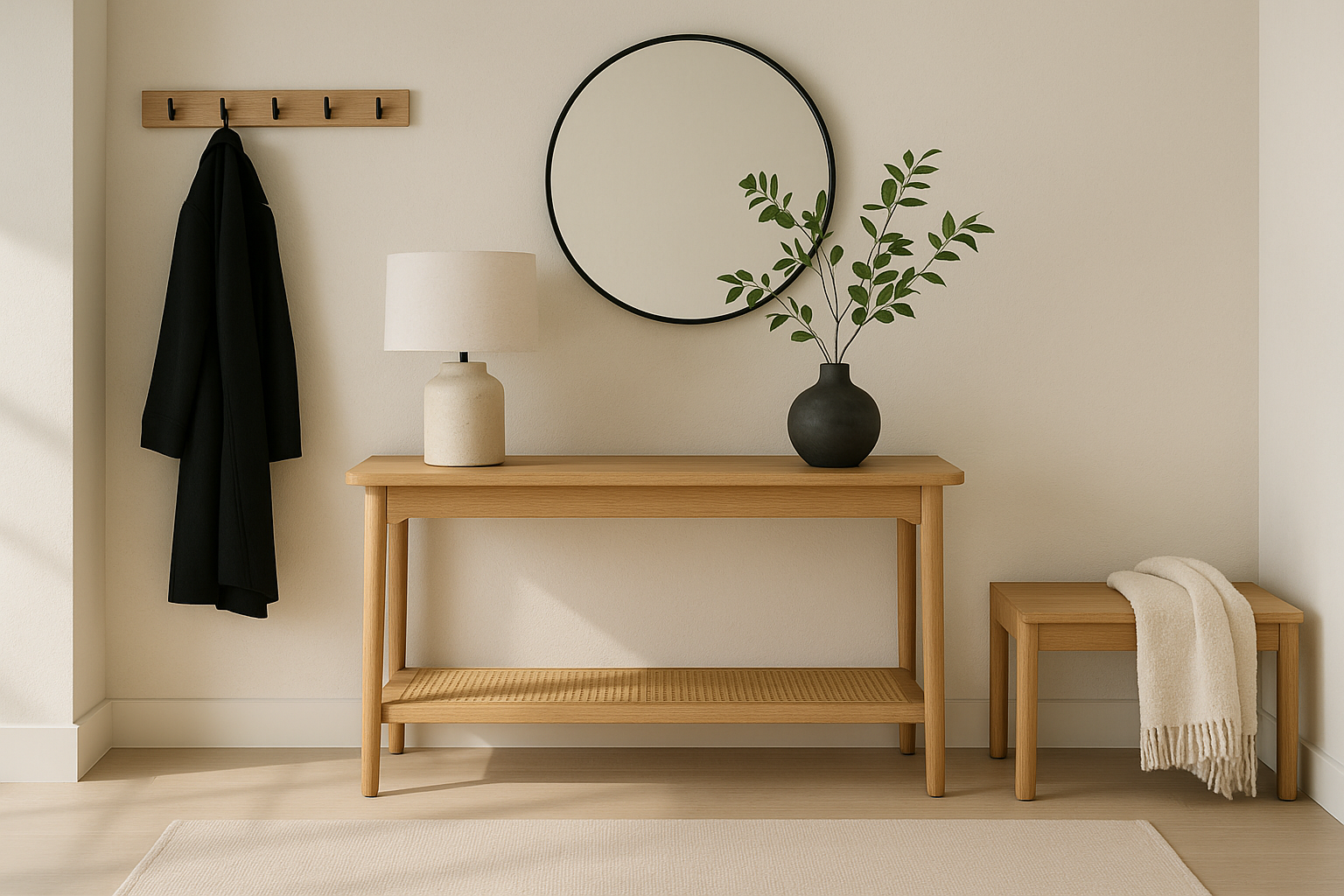
Entryways often set the tone for the home, yet styling them to feel both welcoming and purposeful can be surprisingly complex. For lovers of the Japandi style—a harmonious blend of Japanese minimalism and Scandinavian warmth—choosing the best furniture presents unique challenges. It’s about balancing sleek simplicity with subtle texture and natural materials while ensuring practicality for daily life.
In this article, we’ll explore how to select entryway furniture that fulfills these criteria while respecting the graceful restraint of Japandi design. From material choices to proportion and layout, you’ll gain clarity on how to create a quietly elegant space that invites you home.
Defining Essential Criteria for Japandi Entryway Furniture
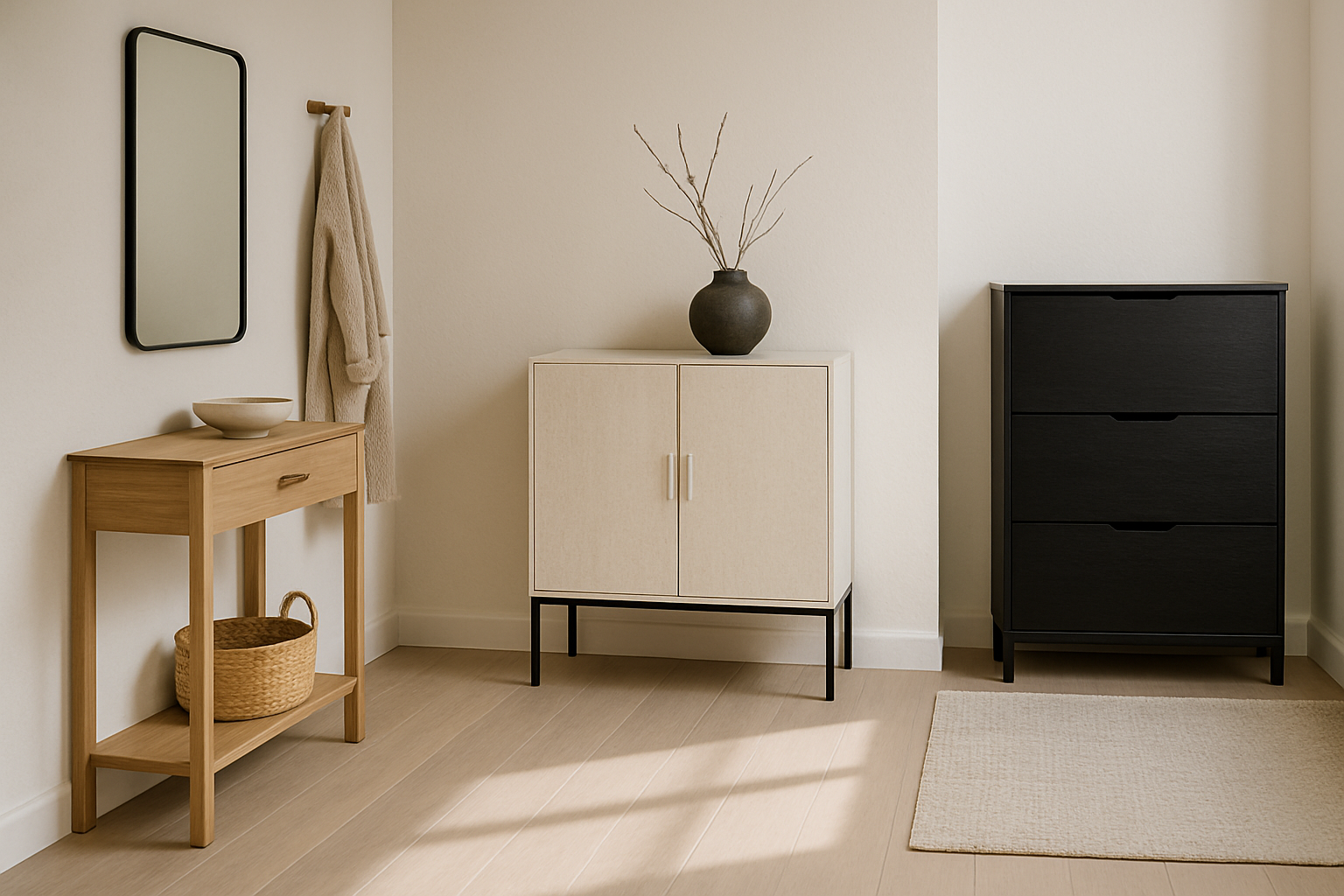
Before focusing on product types, it’s important to understand what truly matters in Japandi entryway furniture. Functionality must marry aesthetics; pieces should be streamlined yet tactile, crafted from natural materials that age gracefully.
Visual balance is key. Furniture in this style leans toward clean lines in warm oak or walnut, complemented by soft linen or woven textures. Avoid overly ornate or heavy items; the goal is a serene entry with purposeful layering rather than clutter. Consider the scale—not just physical space but visual weight. Low-profile items with open accents allow light to flow and keep the entryway from feeling boxed in.
Ultimately, pieces should create a calm, inviting pause in the transition from outside to inside, providing just enough room for seating, storage, or a landing spot without overwhelming the senses.
Embracing Oak and Linen: A Timeless Natural Duo
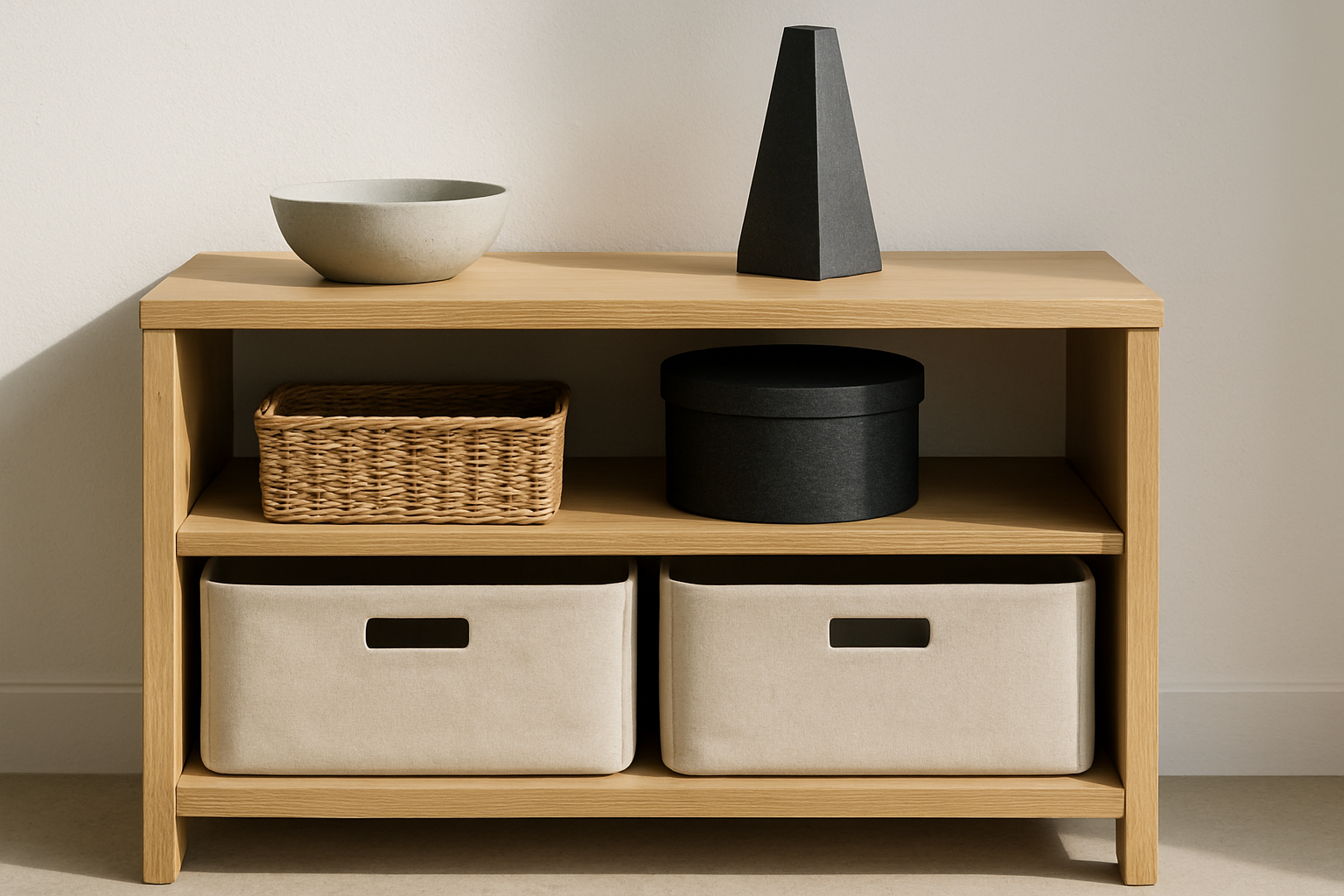
Oak is the backbone of authentic Japandi furniture—its light to medium tones offer warmth while maintaining understated elegance. A low oak console or shoe cabinet immediately grounds the entry, subtly reflecting Scandinavian simplicity. Paired with linen accents like baskets or seat cushions, this organic blend evokes tactile softness that balances the wood’s structure.
When placing oak furniture, aim for well-proportioned designs with slender legs or open bases—this enhances light flow and prevents the entry from feeling heavy. Linen accessories should ideally be in soft earthy neutrals—think warm beiges or muted greys—to maintain the style’s calming color palette.
In smaller spaces, this natural combination keeps the look airy yet texturized. Keep things uncluttered by limiting decorative items, allowing the quality of materials and craftsmanship to speak quietly.
Considering Alternative Storage: Rattan and Stone Elements
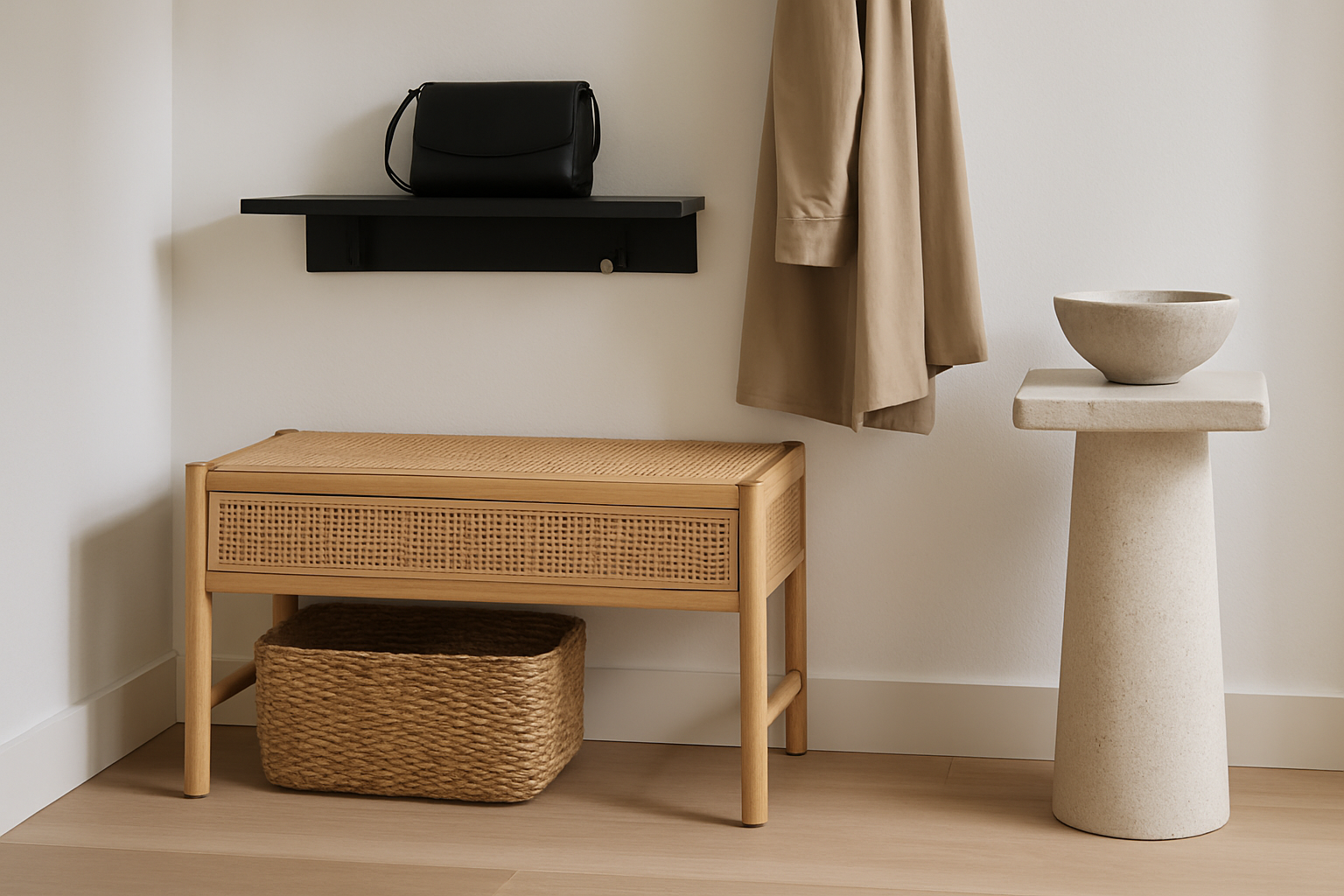
While oak and linen form the typical Japandi foundation, adding pieces crafted from rattan or natural stone introduces another layer of textural interest rooted in nature. Rattan seating, like a small woven bench, provides subtle contrast without drifting from the trend’s modesty.
Stone elements—such as a shallow catchall tray or decorative vessel made from matte ceramic or volcanic stone—anchor the space with elemental weight. These pieces connect visually with earth-toned floor tiles or walls, enhancing the natural warmth.
When selecting these materials, balance is key. For example, a rattan bench pairs well with an oak console but can feel out of place if overused alongside too many woven textures. Similarly, stone accessories work best when scaled appropriately—broader, heavier pieces near the floor balanced by lighter textures above.
Adapting Furniture Choices to Room Size and Layout Challenges
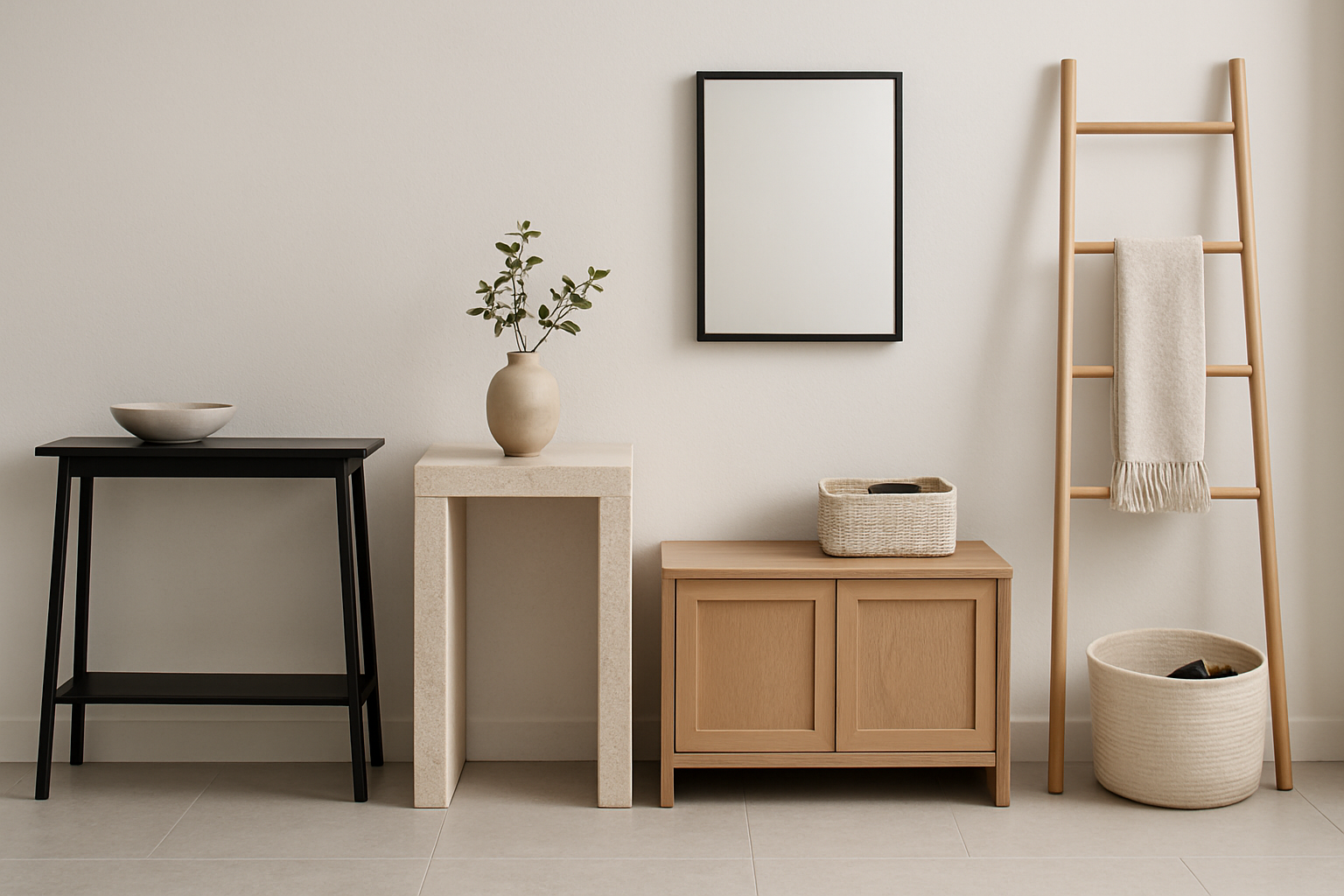
Japandi entryways vary significantly in shape and size, from narrow halls to open foyers, so furniture choices should always respond to context. For smaller spaces, opt for slim console tables with reduced depth combined with bench seating that doubles as storage. Open shelving with woven baskets can also provide flexibility without blocking circulation.
In larger entries, layering multiple pieces encourages a transitional flow—perhaps a low storage bench paired with a statement console and a simple wooden coat rack. Maintain visual harmony by choosing furniture lines that echo each other: repeated wood tones or coordinated textile colors will unify the composition.
Consider lighting and sightlines carefully. Furniture should never obstruct incoming natural light or feel unnecessarily bulky. This attentiveness preserves the Japandi principle of light flow and a tranquil ambiance.
Practical Guidance for Confident Furniture Selection
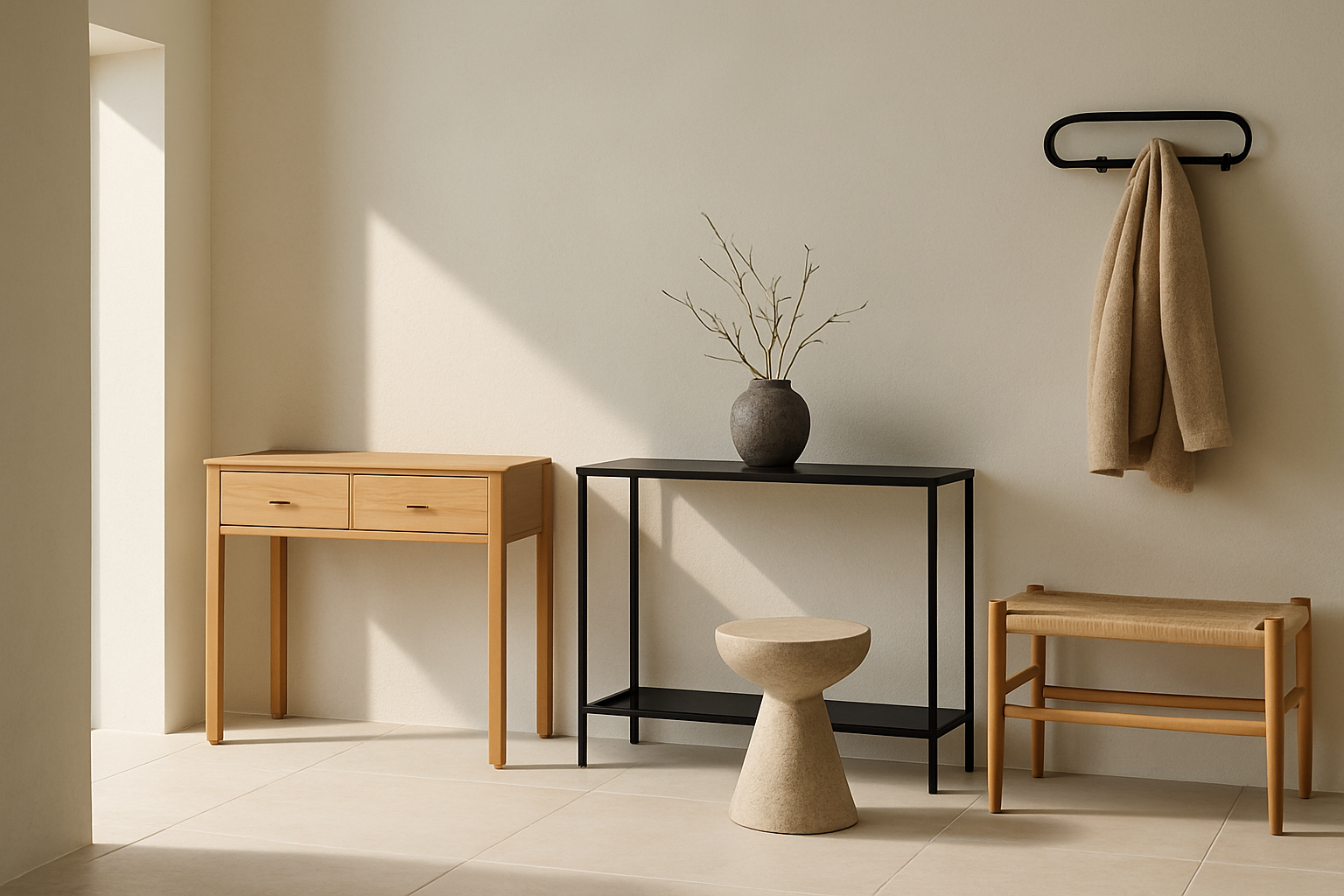
When narrowing down from options, start with the highest-impact items: a natural wood console or shoe cabinet that fits your space without overcrowding. Prioritize craftsmanship and material authenticity; a well-made piece in solid oak or walnut will age beautifully and stay timeless.
Assess your household’s needs realistically—if you require more storage or seating, add a matching bench or woven baskets in linen or rattan. Resist the temptation to overfill the entryway; each item should have breathing room to contribute to the overall balance.
Finally, trust your intuition guided by the Japandi ethos: embrace calm contrasts, gentle textures, and inviting natural tones. This approach helps you build an entryway that is less about immediacy and more about quiet, enduring welcome.
Frequently Asked Questions
What size furniture works best in a small Japandi entryway?
Opt for slim, low-profile pieces like a shallow console table or a compact bench. Avoid heavy or bulky furniture to maintain airiness and light flow.
Can I mix materials beyond wood and linen in Japandi entryway furniture?
Yes, incorporating rattan or natural stone adds texture and visual interest. Just keep these materials balanced and harmonious with your dominant wood tones.
How important is color when choosing Japandi entryway furniture?
Very important. Stick to soft earthy neutrals and natural wood finishes to maintain the tranquil, layered feel characteristic of Japandi style.
Are multifunctional furniture pieces suitable for Japandi entryways?
Absolutely. Bench seating with hidden storage or open shelving with baskets can enhance function while supporting the minimalist aesthetic.
How do I avoid clutter in a Japandi entryway?
Choose fewer, well-chosen pieces of furniture, keep decorative accessories minimal, and focus on texture and proportion to create visual balance.
Entryways in the Japandi style demand care beyond simple utility—they require a thoughtful furniture edit that respects space, light, and materiality. Rather than chasing a one-size-fits-all item, begin by understanding the driving criteria: natural materials, visual balance, and functional minimalism.
By choosing well-crafted oak or walnut pieces paired with subtle linen accents, or layering complementary rattan and stone, you create a calm entrance that feels both lived-in and refined. Always consider your space’s scale and household rhythm, then select pieces designed to harmonize rather than compete.
This measured approach reveals a quietly confident foyer where texture and proportion speak softly but clearly. It invites a moment of calm, caught between outside bustle and home’s quiet embrace—a balance at the heart of Japandi design.