
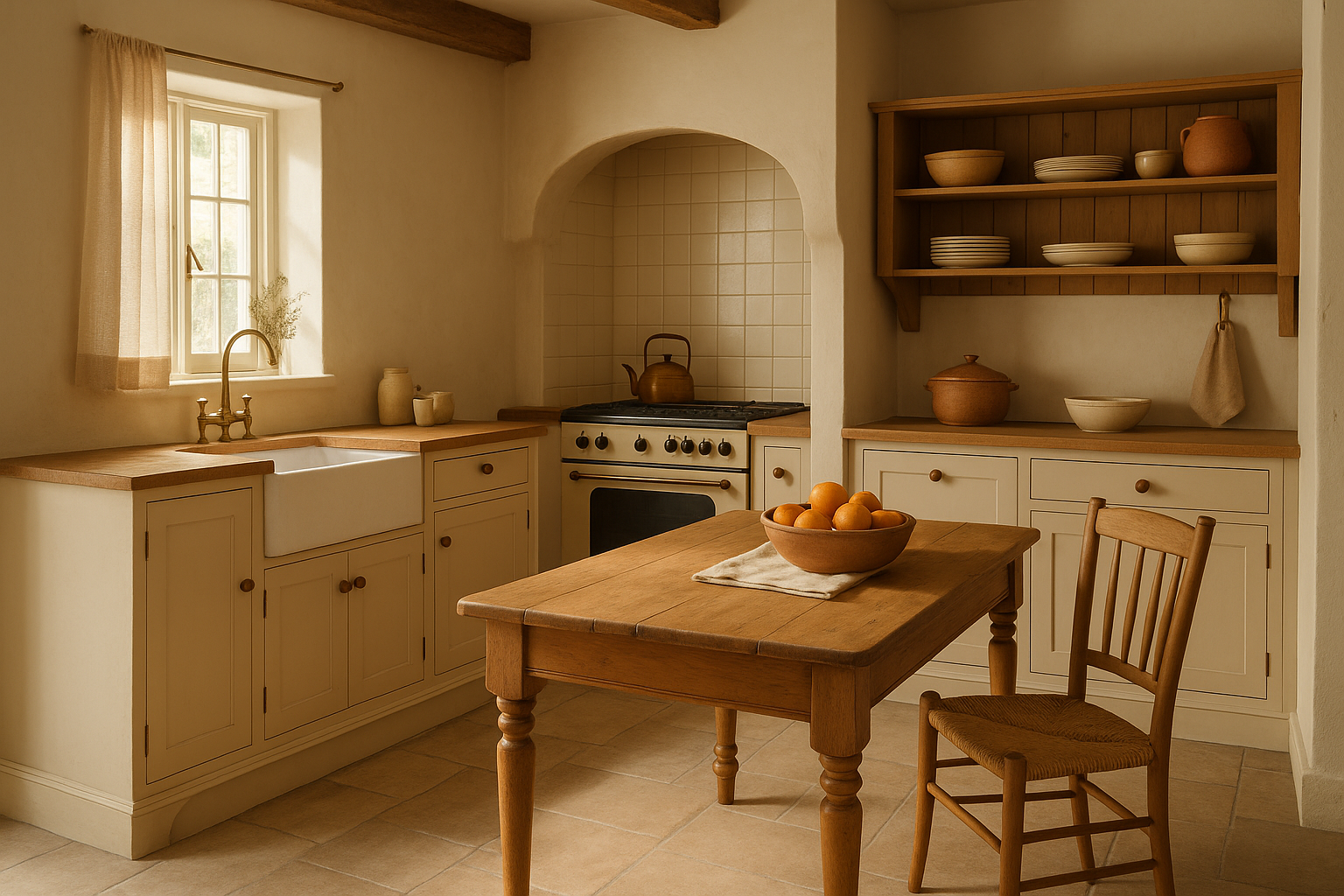
Choosing the right furniture for a cottage kitchen is more than a search for pretty pieces; it’s about blending practicality with the quiet warmth that defines this style. Cottage kitchens are often cherished for their inviting, lived-in feel and natural material palette, so furniture needs to hold up to daily use while contributing to the room’s soothing, balanced look. Yet, with so many options—painted wood, natural timber, open shelving, upholstered seating—deciding what works best can be challenging.
This article will guide you through key furniture selection criteria, explore specific material families suited to cottage kitchens, address how varying room sizes and styles influence choices, and conclude with clear tips to help you find furniture that feels intentional and harmonious. Along the way, you’ll gain insights into creating a kitchen that flows beautifully and ages with quiet character.
Defining Selection Criteria for Cottage Kitchen Furniture
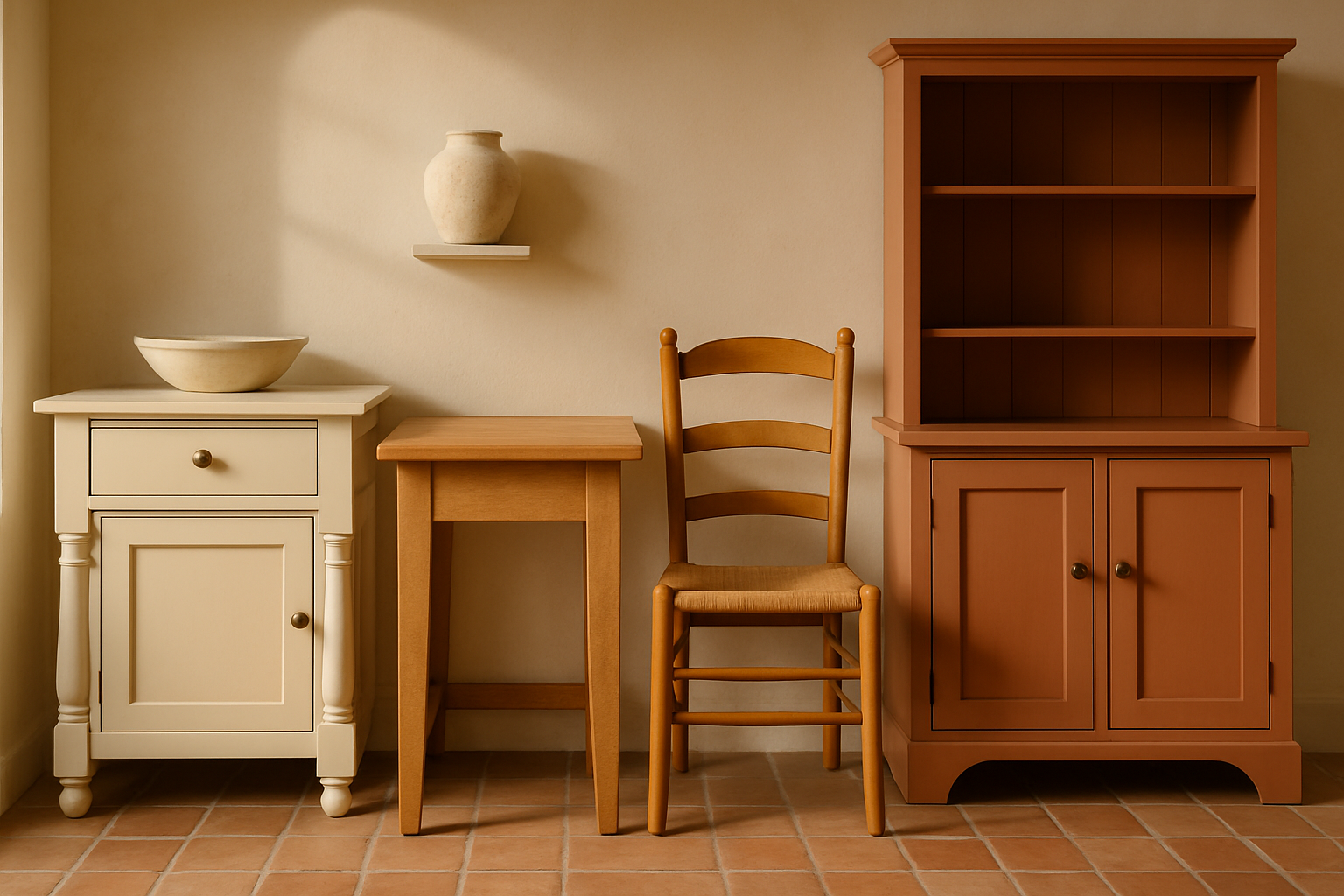
Any choice of furniture should start by defining the most relevant standards for your cottage kitchen. Durability is crucial, as kitchen furniture weathers daily use differently than living room pieces. Look for materials like oak or pine that develop character with time, paired with finishes that resist spills but feel natural to the touch.
Proportion matters just as much: scaled-down tables or chairs with slender legs prevent a crowded feel in often compact cottage kitchens. Comfort is also key for seating—linen upholstery brings softness and breathability but needs to be treated or removable. Lastly, visual balance ensures pieces harmonize with the room’s neutral, earthy tones and layered textures, leaning towards muted creams, soft grays, and weathered woods.
Prioritizing these criteria helps clarify what’s practical and what supports your overall decorating intent without overwhelming the gentle cottage mood.
Exploring Natural Wood Furniture: Warmth and Timelessness
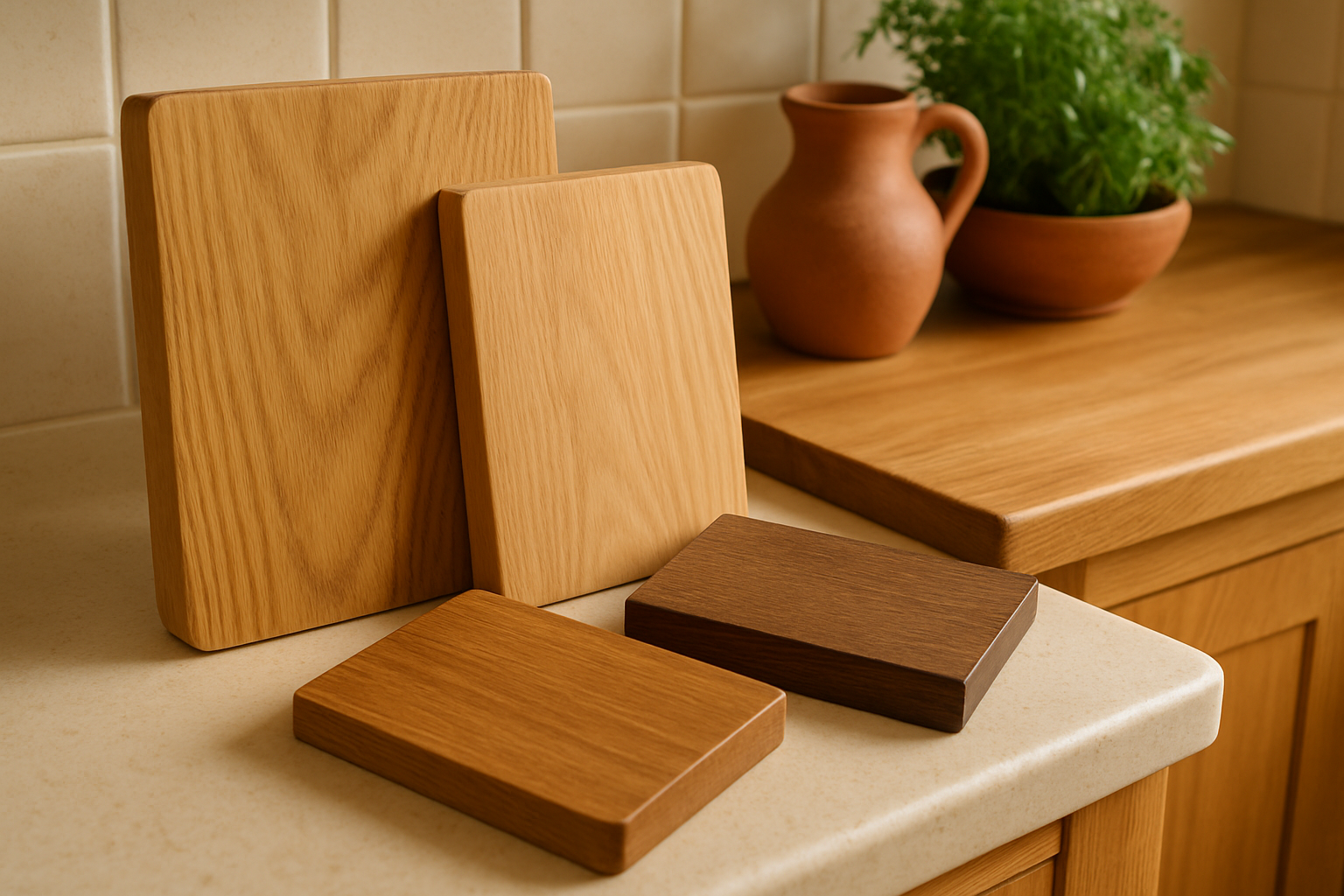
Natural wood furniture offers an unmistakable warmth and tactile depth that suits cottage kitchens beautifully. Oak, for example, brings sturdy construction and a subtle grain that catches light without glare. Its natural finish can be matte or softly polished, blending seamlessly with stone countertops and linen textiles.
A farmhouse-style oak dining table balanced with turned legs evokes traditional charm while supporting daily family meals. Oak open shelving adds functional display space without bulk, reinforcing that open, airy feel important in a kitchen where workflow matters.
Choosing solid wood means accepting some variation in grain and tone, which enriches the visual interest over years. For a practical touch, pairing wood furniture with neutral woven or linen cushions brings texture and comfort. This approach fuses durability with inviting details, anchoring your cottage kitchen in crafted natural beauty.
Painted Wood Furniture: Soft Contrast and Vintage Appeal
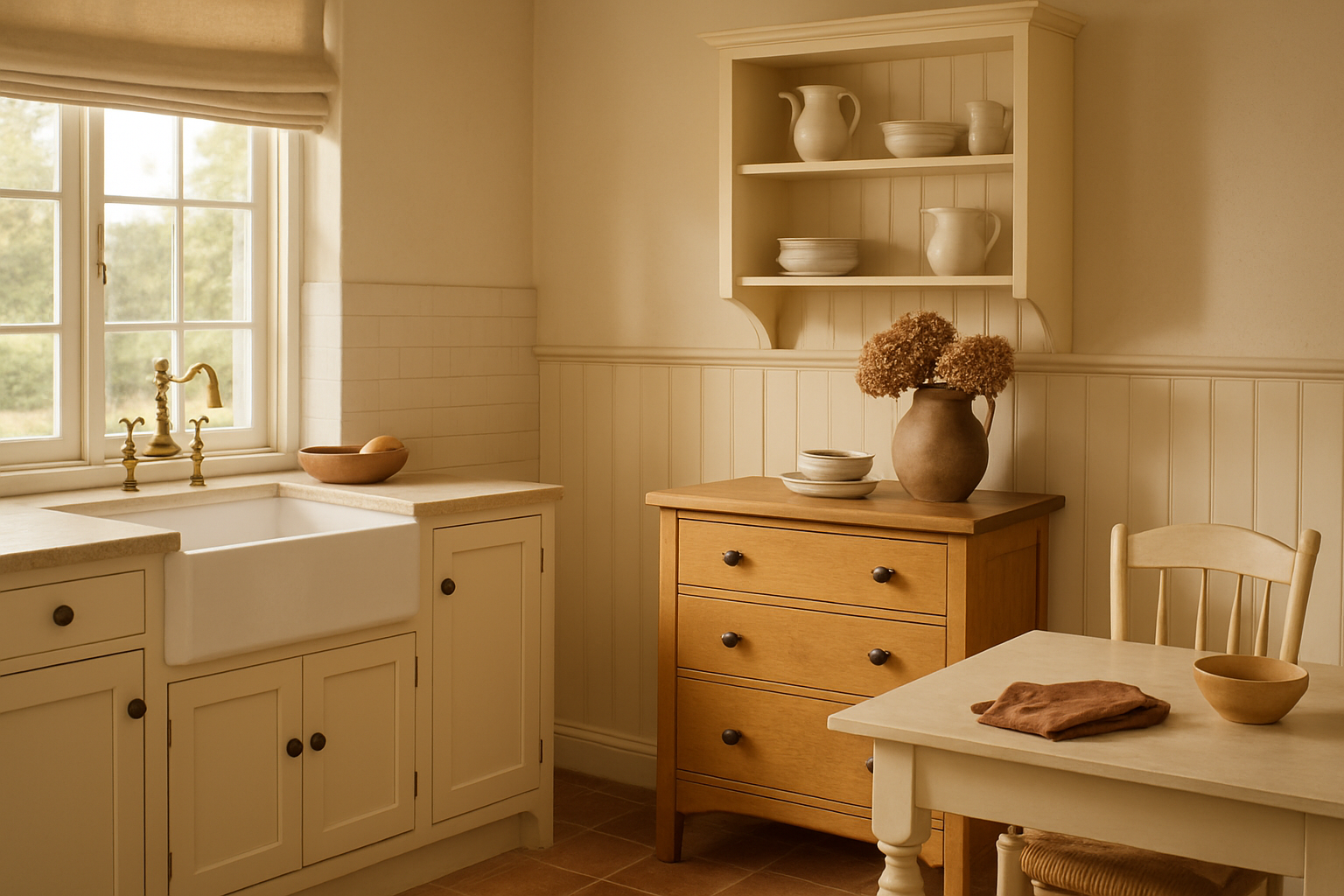
Painted furniture—with colors ranging from muted sage and creamy ivory to chalky blues—offers another compelling choice for cottage kitchens. It introduces subtle colour while maintaining a light visual weight, particularly in smaller spaces where dark wood might feel too heavy.
This family of furniture leans into the vintage character of cottages, especially when incorporating slightly aged finishes or distressed details. Painted cabinetry or freestanding cupboards provide charming storage solutions that soften as well as brighten the room.
Though painted surfaces require more careful cleaning to avoid chipping, their appearance adds contrast to natural floors or stone elements. Pairing them with unpainted wood chairs or rattan stools injects a layered texture dynamic that keeps the kitchen from feeling flat.
This option suits those who want to keep a cottage kitchen light and fresh yet grounded in a timeless palette.
Matching Furniture Choices to Room Scale and Style Context
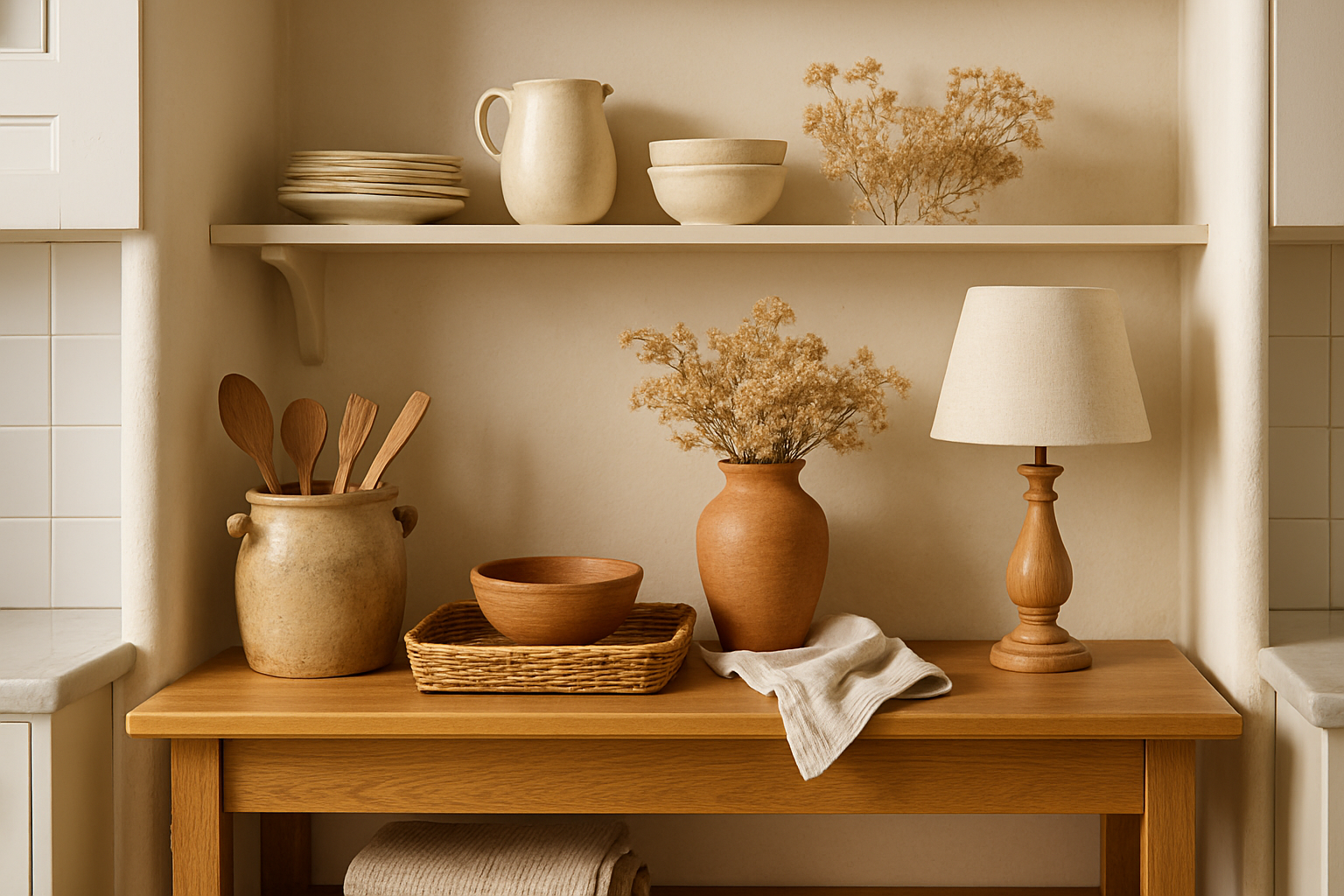
The size and layout of your cottage kitchen will deeply affect furniture selection. For compact or galley kitchens, choose pieces with clean, simple lines and lighter materials to maintain openness. Narrow tables, banquette seating, or fold-away options fit well here and still feel welcoming.
In larger, open-plan cottage kitchens, there is room for more substantial furniture—like a generous farmhouse table or bench with oak accents—that invites gathering. However, balancing these larger pieces with airy, softer elements keeps the space from feeling imposing.
Style context also matters. A rustic countryside cottage may benefit from more heirloom-style wood furniture with visible patina, while a modern cottage can incorporate streamlined designs with natural finishes to evoke the same organic warmth differently.
Understanding your room’s scale and the existing architectural details will guide how to layer furniture pieces without disrupting the flow or light.
Refining Your Furniture Selection with Practical Buying Tips
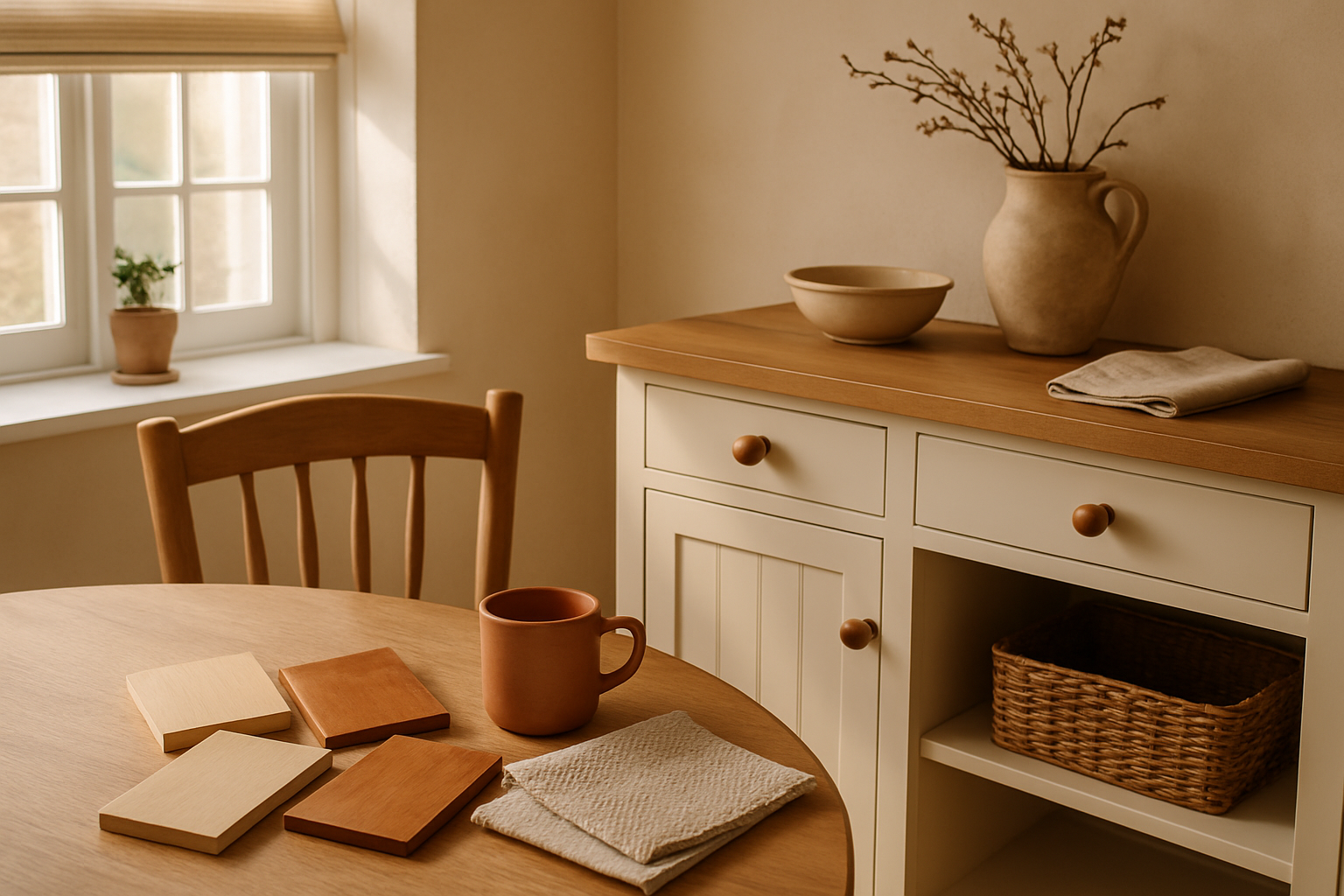
With material families and spatial needs in mind, it’s time to refine your furniture choices. Consider starting with key anchor pieces—a functional kitchen table and comfortable chairs—crafted from wood or painted finishes that complement your color palette.
Inspect joinery and finishes personally, or request detailed photos when shopping online, to ensure quality that promises longevity. Upholstery should be easy to clean or removable; linen blends with protective treatments marry practicality and texture well.
Be mindful of furniture height and proportions relative to counters and kitchen islands. Furniture that sits too low or too bulky can interrupt visual balance and impede movement.
If budget is a concern, prioritize investment in pieces used daily—like seating and tables—and supplement with smaller painted or natural wood accent furniture that can be swapped out or refreshed more readily.
Taking measured steps with a clear list of standards helps avoid impulse buys and shapes your cottage kitchen into a space that feels both collected and casual.
FAQ
What materials are best for cottage kitchen furniture?
Natural wood such as oak or pine is ideal due to its durability and warm appearance. Painted wood can also work well to soften the palette and introduce subtle color.
How do I choose furniture if my cottage kitchen is small?
Opt for scaled-down pieces with slender profiles, multi-functional furniture, and lighter finishes to maintain openness and light flow.
Is linen upholstery practical in a kitchen?
Linen offers breathability and softness but should be treated for stains or have removable covers for easy cleaning.
Can I mix painted and natural wood furniture?
Yes, combining these finishes adds layered texture and visual interest, provided the colors and finishes are balanced in tone.
How do I ensure my furniture proportions suit my kitchen layout?
Measure seating heights relative to counters, allow clear pathways for movement, and select pieces that fit the room’s scale without crowding.
Choosing furniture for a cottage kitchen is a delicate balance of function, material, and proportion. When you prioritize natural materials that age gracefully and shapes that respect the room’s scale, the result is a space that feels comfortable, visually layered, and quietly elegant. Begin your selection with the key criteria that matter most for your everyday living and trust the process to cultivate a kitchen that truly welcomes.